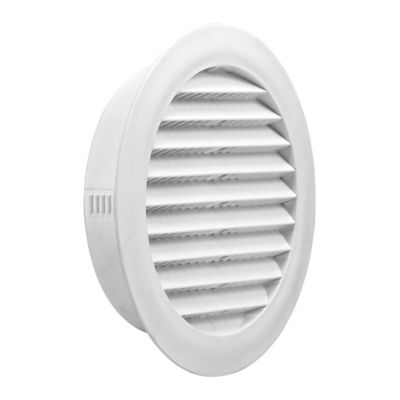
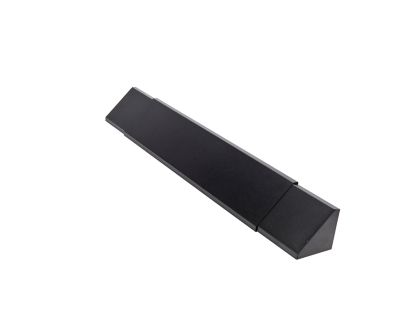
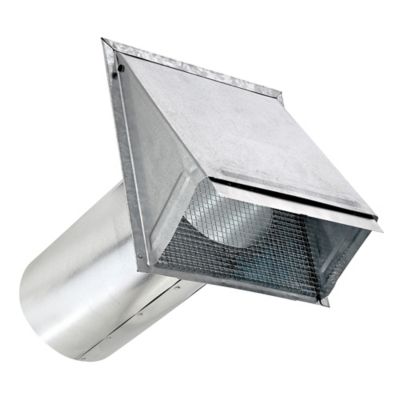
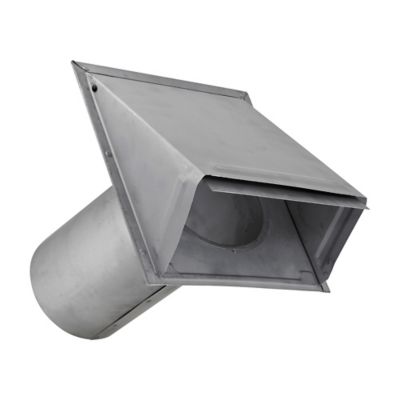
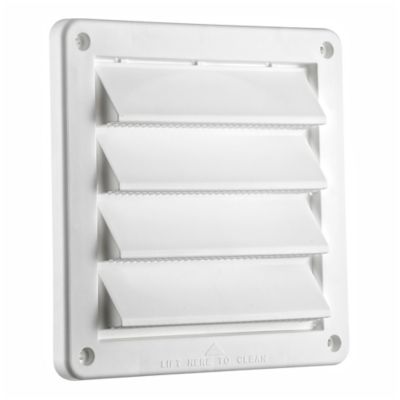
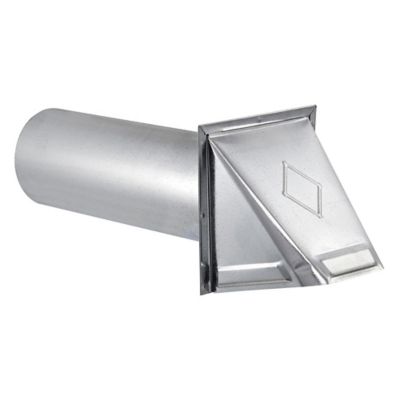
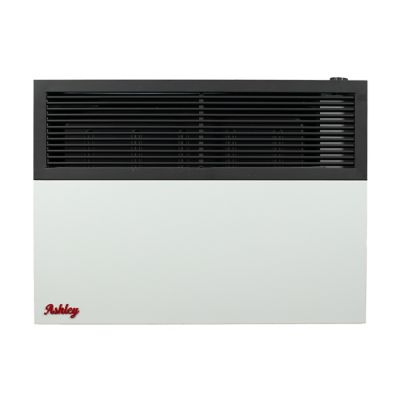
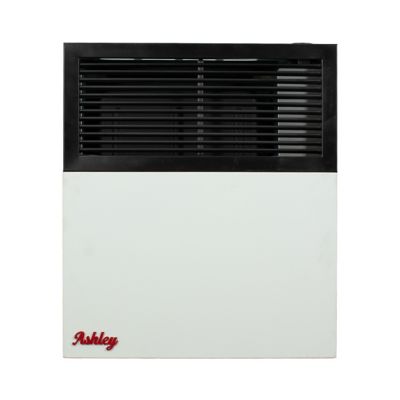
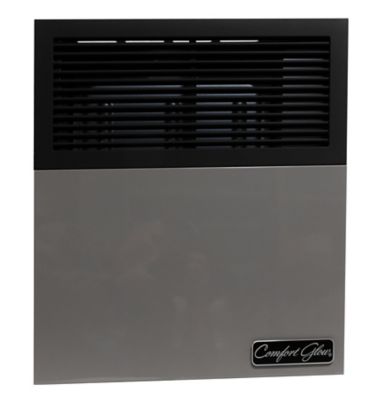
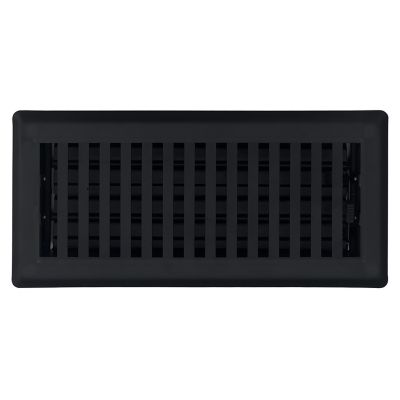
Heating vents, also called registers or grilles, help move air through your home’s heating and cooling system while giving each room a finished, put-together look. Supply registers push warmed or cooled air into a room, while return grilles pull room air back toward the furnace or air handler so it can be conditioned again. You may find vents in the floor, wall, ceiling, or along a baseboard, depending on how the ductwork was installed. Floor registers are common in older homes and ranch houses, while wall and ceiling vents are often used in newer construction or rooms with limited floor space. Baseboard vents are long and narrow, made to fit slender duct openings along the lower part of a wall. As the weather turns cooler, a clean, well-fitting vent can help warm air move where it needs to go without rattling, shifting, or leaving rough gaps around the opening. Replacing a bent, rusty, stained, or worn vent cover can also freshen up a room without taking on a large remodeling project. For a broad selection of styles and sizes, browse
Air Vent Covers to find options suited to living spaces, bedrooms, mudrooms, offices, workshops, and other everyday areas around the house. These products can be useful for homeowners maintaining an older farmhouse, landlords preparing a rental, or anyone finishing a room where the original vent cover no longer fits the space or matches the surrounding flooring and trim.
The most important step when choosing a heating vent is measuring the duct opening correctly. Remove the existing cover if possible, then measure the length and width of the opening in the floor, wall, ceiling, or baseboard—not the outside edge of the old vent cover. The listed size generally refers to the opening the vent fits into, and even a small difference can leave a cover loose, make installation difficult, or allow air to escape around the edges. Measure twice, write down the dimensions, and pay attention to whether the opening is rectangular, narrow, or shaped for a baseboard-style vent. It also helps to note how the old cover is held in place, since some designs sit in the opening while others use screws or another fastening method. Supply registers typically have adjustable louvers or dampers that let you aim airflow and make minor adjustments to the amount of air entering a room. Return grilles are different: they are generally open covers without adjustable dampers because their job is to pull air back into the system. Choosing the right type for the right opening keeps the system working as intended. When comparing options, consider the material, finish, durability, and cleaning needs. A sturdy metal vent may be a practical choice for a busy hallway, entryway, or high-traffic room where boots, toys, and furniture can put extra wear on the cover. A smooth surface is easier to wipe clean in a kitchen, mudroom, or home with pets, while a finish that blends with the floor, wall, or trim can help the vent look like part of the room instead of an afterthought. In a workshop or utility area, strength and easy maintenance may matter more than decorative details.
Proper airflow matters just as much as appearance. Keep supply vents and return grilles clear of furniture, rugs, storage bins, curtains, pet beds, and other items that can block the opening. A blocked supply register may leave one side of a room chilly, while a covered return grille can restrict the air moving back to the furnace or air handler. Avoid closing a large number of supply vents to redirect heat; doing so can increase pressure inside the ductwork, strain the blower, and reduce overall efficiency. It is usually better to keep vents open and use the system’s normal controls to manage comfort throughout the home. During the cooler months, take a quick walk through the house before turning up the heat and check for dust, hair, cobwebs, or small objects gathered around each vent. A vacuum attachment or soft brush can loosen debris, followed by a lightly damp cloth for the cover if the material allows it. Make sure the vent is fully dry before putting it back in place. A replacement cover should sit flat, remain secure when stepped near, and direct air into the room without loud vibration. If a vent is damaged, the opening is unusually hot, airflow changes suddenly, or the ductwork behind it appears loose, have the system inspected by a qualified heating and cooling professional. With the right measurements, a suitable vent style, and a little routine care, heating vents can help keep bedrooms comfortable, living rooms welcoming, and work areas more pleasant from the first cool evenings through the coldest stretch of the season.