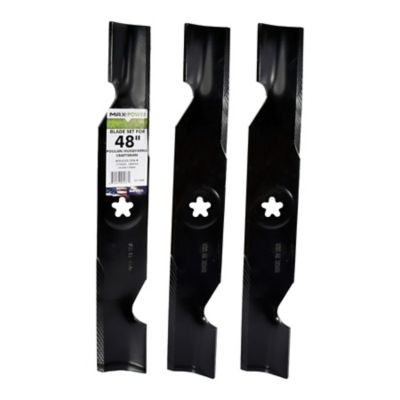
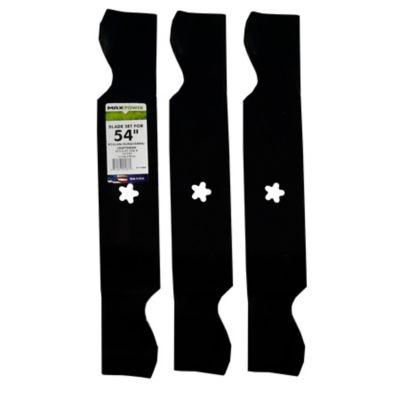
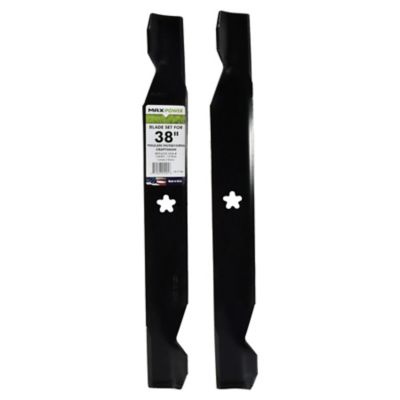
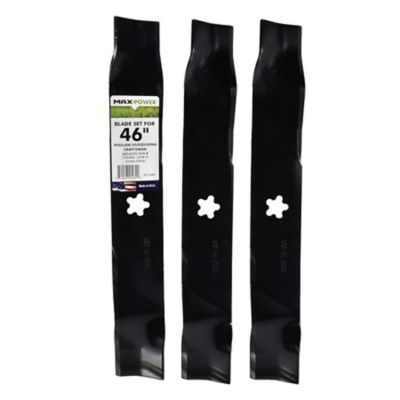
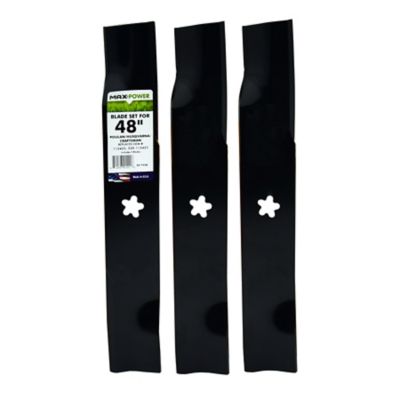
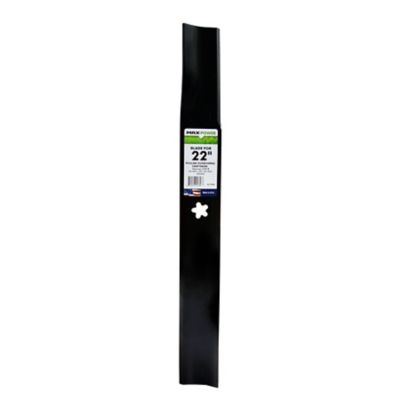
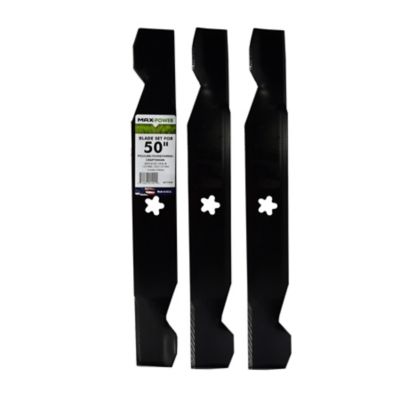
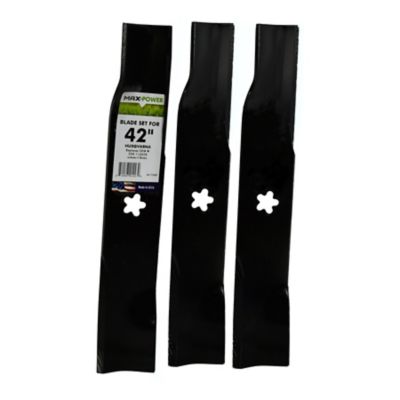
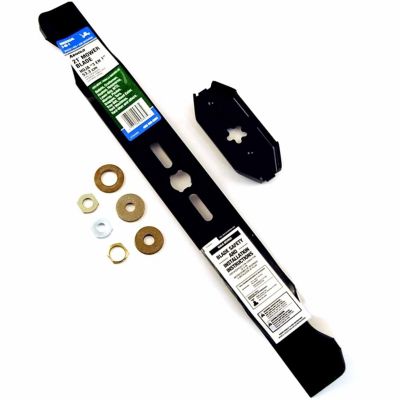
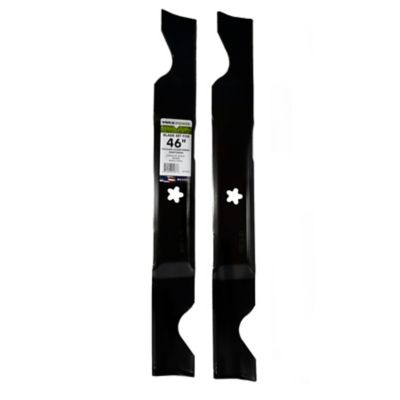
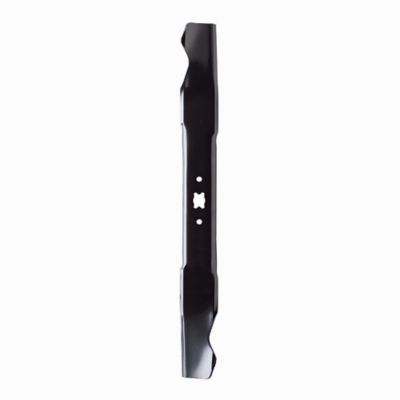
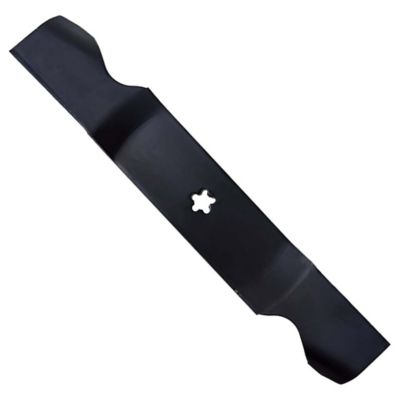
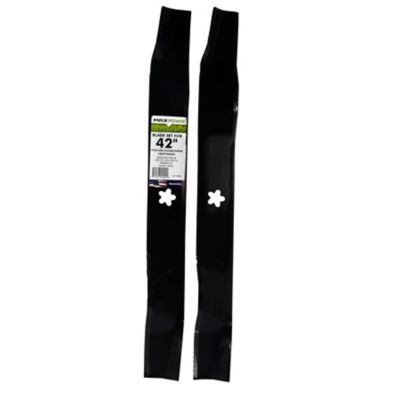
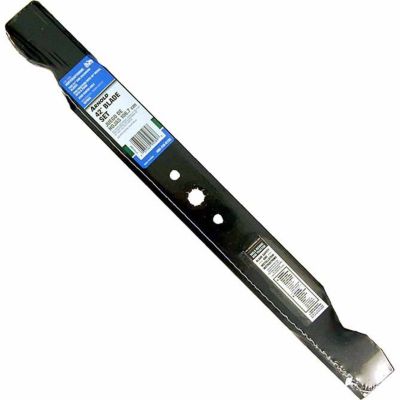
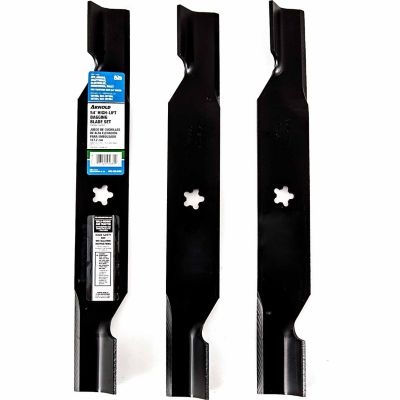
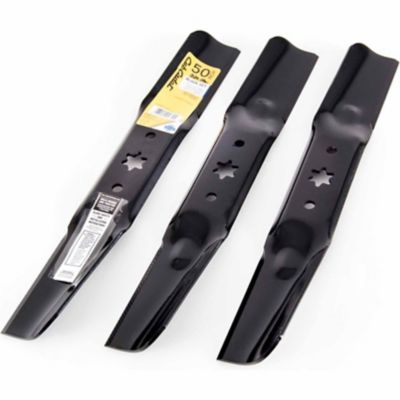
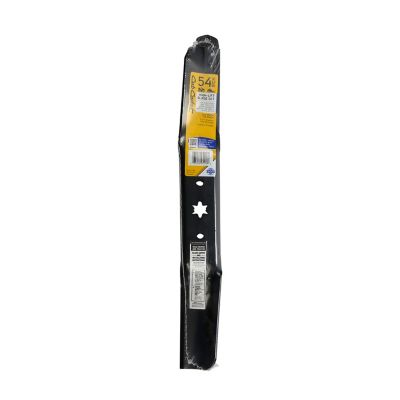
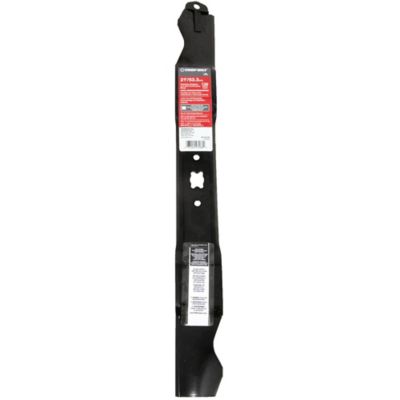
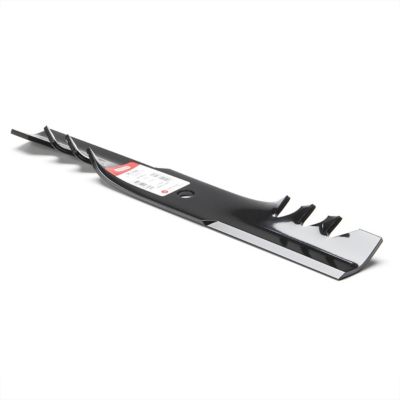
Lawn mower blades handle the work where the machine meets the grass, so the right match matters as much as a sharp edge. A blade’s length, center opening, mounting pattern, thickness and lift profile all help determine whether it belongs on a particular mower. Deck width alone does not tell the whole story: a riding mower with a 54-inch deck generally carries several shorter blades, not one blade stretching across the entire cutting width. Walk-behind mowers often have a single blade, while lawn tractors and zero-turn mowers commonly have two or three. Even blades with the same listed length can have different center holes, offset shapes or mounting requirements. The mower’s model number and the replacement blade reference in its owner’s manual provide a stronger starting point than appearance alone. For smaller walk-behind machines,
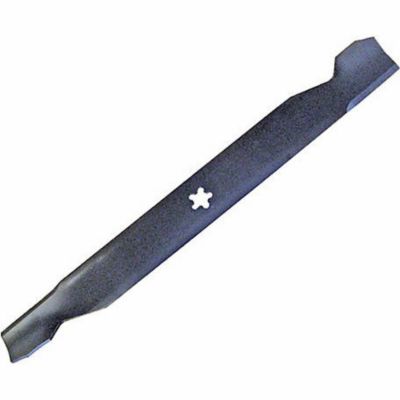
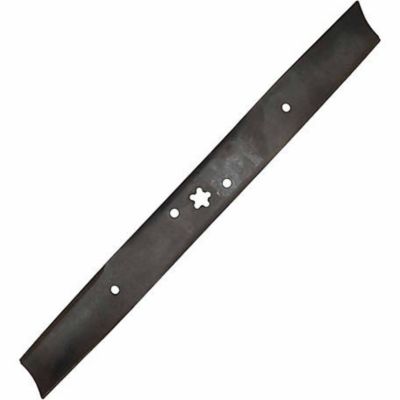
Push Mower Blades belong in the same fit conversation, with attention to the blade adapter, mounting hardware and clearance beneath the deck. Common mounting designs include round openings, star-shaped openings and arrangements with additional locating holes, but the exact pattern must match the mower’s requirements. Length measurements also deserve a close look because blade length is commonly measured diagonally between opposing cutting tips rather than straight across the blade’s center. Correct fit helps preserve the clearance and cutting overlap built into the deck. A blade that merely bolts into place is not necessarily a proper match for the spindle, deck or discharge system. That distinction matters whether the job is a small yard behind the house, a broad stretch around a barn or the grass along a gravel driveway. Replacement blades are working parts, and their dimensions and intended application should line up with the machine rather than a rough visual comparison. A stamped number on an existing blade can help narrow the search, although the mower manual remains important if an earlier replacement was not the correct one.
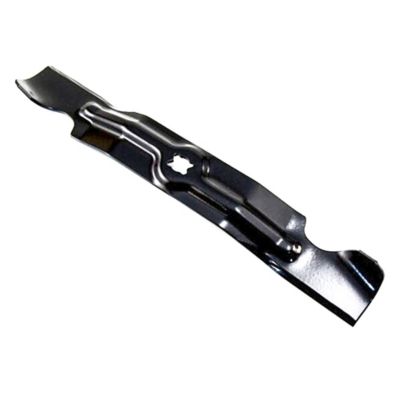
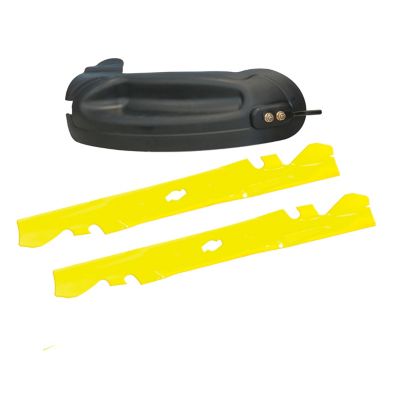
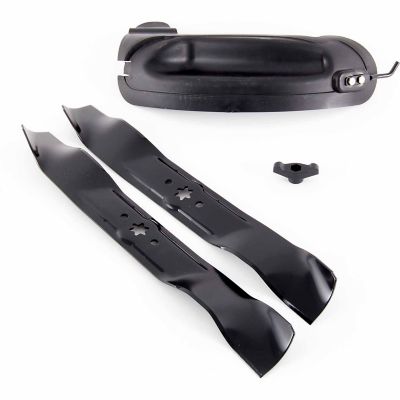
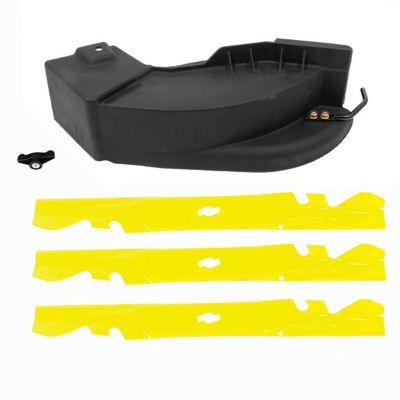
Blade shape has a direct effect on how grass moves beneath the mower and where the clippings go afterward. Standard discharge blades are generally shaped to cut grass and move it toward the deck opening, while higher-lift designs create stronger airflow that can support collection systems when the mower allows them. Mulching blades typically have a more curved cutting profile that keeps clippings circulating for additional cutting before they settle back into the lawn. Those differences are useful on real ground: a homeowner keeping clippings off a walkway may want a mower set up for collection, while someone tending open lawn around a shed may prefer to return finely cut grass to the turf. The blade still has to work with the deck’s intended configuration. A mulching setup may call for a matching plug or other equipment, and a bagging system depends on more than blade shape alone. Higher lift is not automatically better for every machine or every yard; airflow, engine load, deck design and ground conditions all play a part. Sandy soil can wear cutting edges quickly, and low mowing over bare patches can pull grit through the deck. Thick grass and heavy clippings can also strain a setup that is not suited to the task. A clean cut depends on a sharp, correctly fitted blade, but mowing height, travel speed and deck condition matter, too. Ragged grass tips, strips of missed grass or an uneven finish can point to a blade issue, though they can also come from deck adjustment, buildup or other mower trouble. For larger properties and mowing crews, matching replacement blades across a multi-blade deck helps maintain the cutting arrangement the mower manufacturer specifies. For a smaller home lawn, the same attention to fit and cutting style can mean fewer stray clumps beside the porch and a more even finish around fence corners, without expecting one blade design to handle every job equally well.
Most mower blades are formed from steel, with heat treatment helping the metal hold a cutting edge while standing up to normal mowing forces. Steel thickness, blade shape and manufacturing specifications vary by application, so a heavier-looking blade is not automatically the right replacement. Protective finishes can help limit surface rust, but the working edges still face abrasion from grass, dust and grit. Contact with a hidden rock, a raised root or a piece of wire can leave damage that sharpening will not fix. A blade with a crack, a bend, deep damage or wear beyond the manufacturer’s limits belongs out of service rather than back under the deck. Sharpening can restore a serviceable edge when the blade remains within those limits, but maintaining the specified bevel and blade balance matters. Removing too much metal or grinding unevenly can affect operation, and a badly worn blade cannot regain its original shape through sharpening. Safe blade care begins with the mower shut down and secured according to its manual, including the prescribed steps to prevent an unexpected start. Battery-powered, electric and gasoline-powered machines each have their own precautions. Blade removal, installation direction, fastening hardware and tightening torque should follow the mower manufacturer’s instructions; protective gloves alone do not make handling or servicing a blade safe. For many property owners, a mower service shop is a practical choice for inspection, sharpening and installation. Between mowing jobs, clearing grass buildup according to the manual helps keep the deck’s airflow passages open and makes blade condition easier to inspect. Spare blades stored clean and dry, with their cutting edges protected from accidental contact, are easier to keep organized by mower and part reference. Whether mowing a farmhouse yard, maintaining grass around outbuildings or caring for several properties, the goal stays straightforward: a blade that fits the machine, suits the clipping method and remains in sound working condition. That combination supports an even cut without asking the mower to work around an unsuitable part.