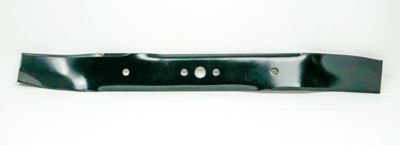
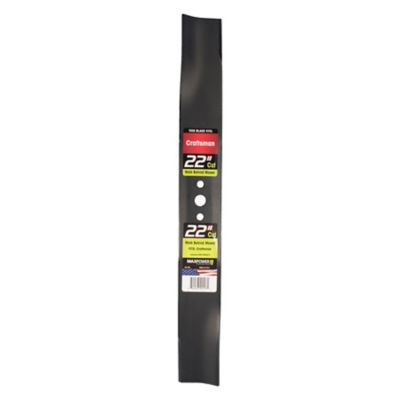
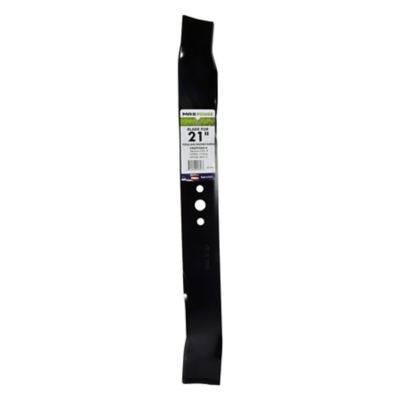
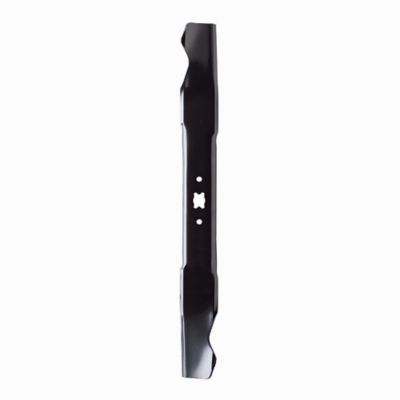
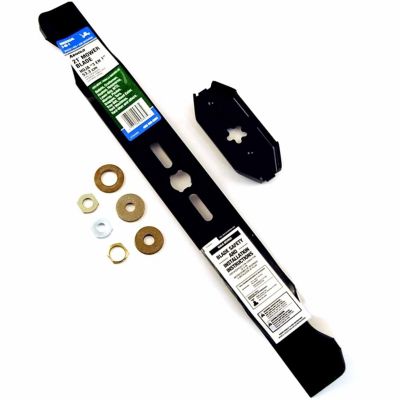
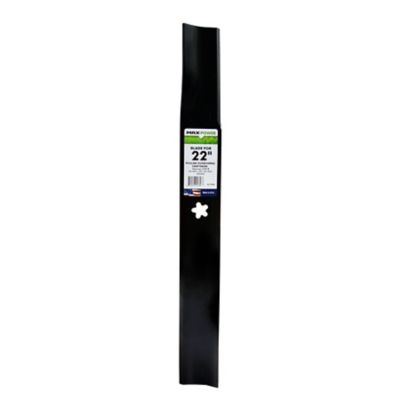
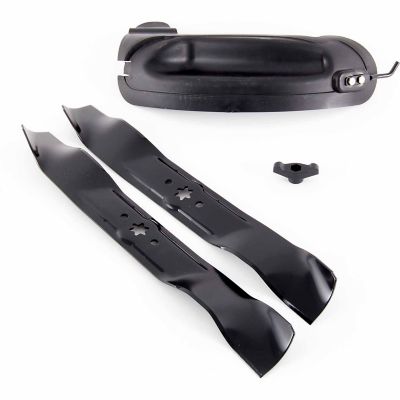
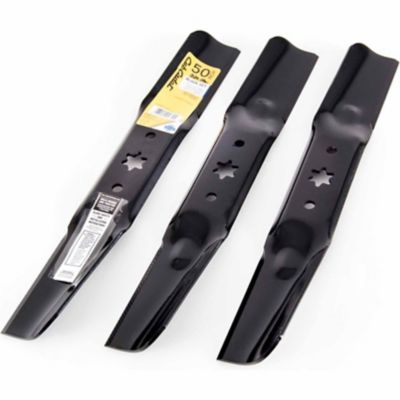
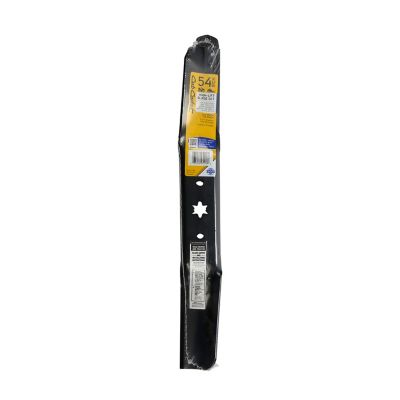
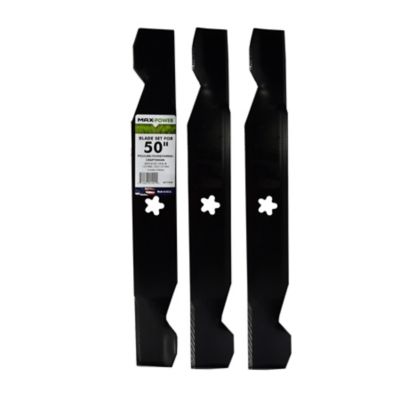
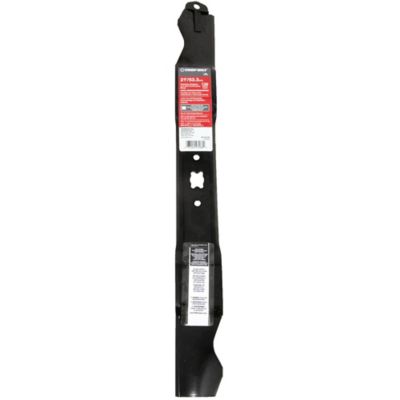
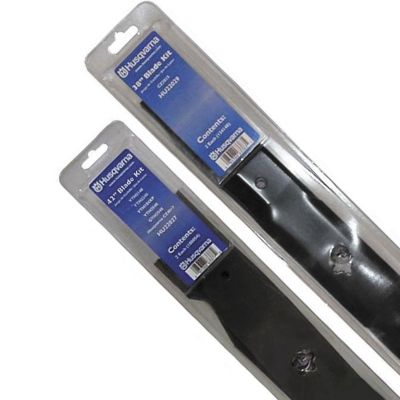
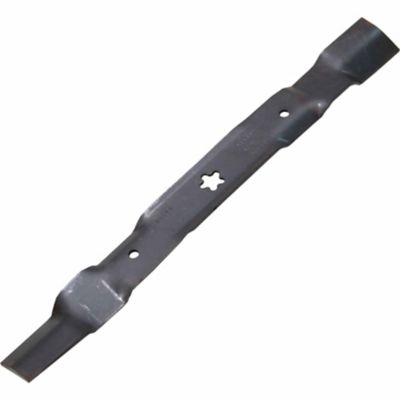
Replacement push mower blades cut grass beneath a walk-behind mower’s deck, and the right fit depends on more than the cutting width printed on the machine. A compatible blade must match the mower’s requirements for length, center mounting pattern, thickness, rotation direction, and attachment hardware. The mower’s model number and the blade specifications in its owner’s manual are better starting points than a blade’s general appearance. Two blades can look much alike yet have different center openings or offsets that prevent proper mounting. Some mounting systems have a round center hole, while others have a shaped opening or additional holes, so the attachment details matter as much as the cutting span. Blade length also needs to match the deck’s clearance requirements; a blade that is too long can strike the housing, while one that is too short may leave an incomplete cutting path. Replacement mower blades are commonly made from steel, with shaping and heat treatment helping the cutting edge stand up to repeated mowing. Steel thickness and hardness contribute to wear resistance, but a thicker or heavier blade is not automatically a suitable replacement. The mower’s blade adapter, engine or motor, and deck design all remain part of the fit. For gas, battery-powered, and corded walk-behind equipment, compatibility should come from the manufacturer’s specifications rather than appearance alone. That matters whether the machine handles a small yard beside the house or keeps the grass tidy around a barn and outbuildings. A clear match between mower and blade supports proper clearance and the cutting performance the deck was built to deliver. Keeping the mower’s model information handy makes comparing blade descriptions less of a guessing game. An existing blade’s markings can provide another reference, though a previous replacement may not have been the right match in the first place.
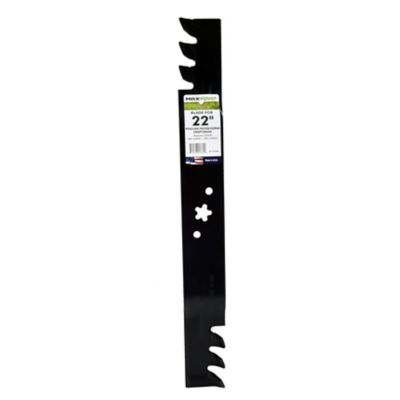
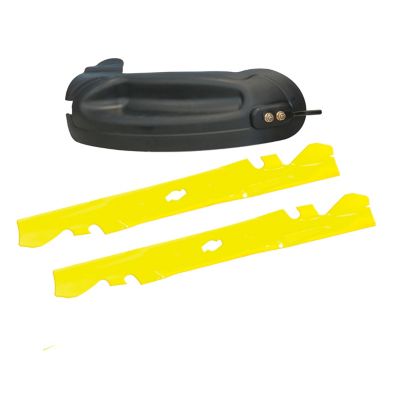
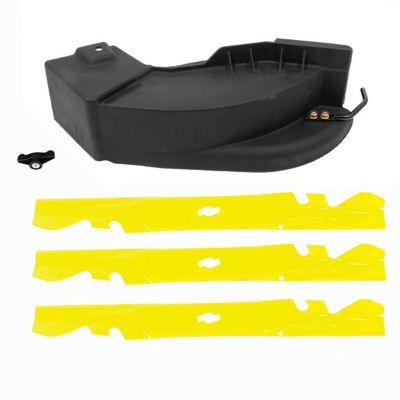
Blade shape affects both the cut and the way grass clippings move through the mower deck. Standard blades generally balance cutting with airflow for the discharge arrangement the mower supports. Mulching blades have cutting profiles and curves intended to keep clippings circulating beneath a compatible deck, giving them more opportunities to be cut into smaller pieces before settling into the lawn. A mulching blade alone does not turn every mower into a mulching machine; the deck design and any required plug or other attachments still matter. Bagging performance also depends on the whole setup. Blades designed for greater lift can help move clippings toward a collection bag when the mower manufacturer approves that blade style, but greater lift is not automatically better for every yard or machine. It can affect power demand and stir up more loose material on thin turf or sandy ground. Combination blades may support more than one mowing method, though the mower’s approved configurations determine what is possible. For a homeowner who prefers to leave finely cut clippings on the lawn, a compatible mulching setup may suit the job. Someone who collects clippings around walkways, garden beds, or a fenced play area may place more importance on bagging performance. Side discharge can suit mowing where clippings can spread without landing on paths, parked equipment, or nearby planting areas. Regardless of blade style, a clean cutting edge helps slice grass rather than leaving ragged tips. An even-looking lawn also depends on sensible mowing height, manageable ground speed, and a deck that is clear of packed clippings. Thick growth can overwhelm a mower even with a fresh blade, so blade choice should complement the machine’s intended workload rather than promise to overcome it. Around fence corners, tree roots, and the edges of gravel drives, keeping hard objects out of the cutting path helps protect both the blade and the mower.
Care and replacement needs depend on mowing hours, ground conditions, and contact with abrasive material or hidden obstacles. Grass residue left on steel can hold moisture against the surface, while packed material beneath the deck can interfere with airflow and clipping movement. Cleaning according to the mower’s manual and storing the blade and mower in a dry place help limit buildup and corrosion. Before any inspection or blade work, the mower needs to be shut down and secured against starting, with the spark plug wire, battery, or electrical supply disconnected as directed by the manufacturer. Blades have sharp edges even when they no longer cut well, so handling calls for care and suitable hand protection. Small amounts of edge wear may be addressed through sharpening when the manufacturer permits it, but sharpening must preserve the specified cutting angle and blade balance. Removing too much metal from one end can create imbalance, which may lead to vibration and added strain on mower components. A bent blade, visible crack, badly worn mounting opening, or substantial damage calls for replacement rather than an attempt to straighten or patch the steel. Vibration after striking an obstacle can also point to trouble beyond the blade, including damage to the adapter or shaft. A fresh blade cannot correct those underlying problems. Comparing
Push Mower Blades by mower fit, cutting style, and maintenance requirements keeps attention on what matters for the work at hand. For folks who handle their own yard upkeep, those details help distinguish a routine blade replacement from a mismatch that creates more work. Proper mounting orientation, the specified hardware, and the manufacturer’s tightening requirements are just as important as the blade itself. With the right fit and regular attention, a replacement blade helps a familiar walk-behind mower keep doing its share around the property.