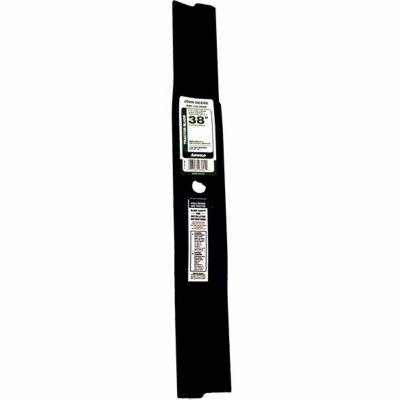
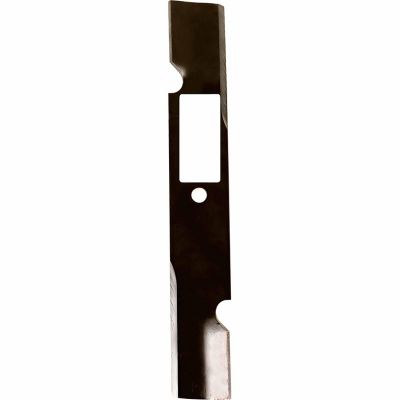
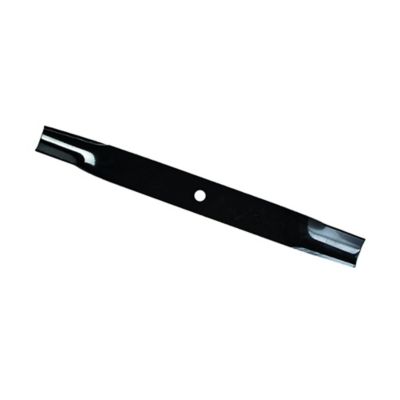
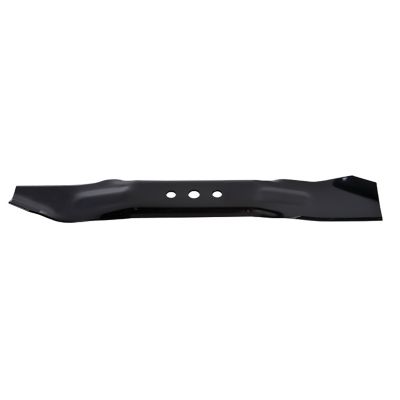
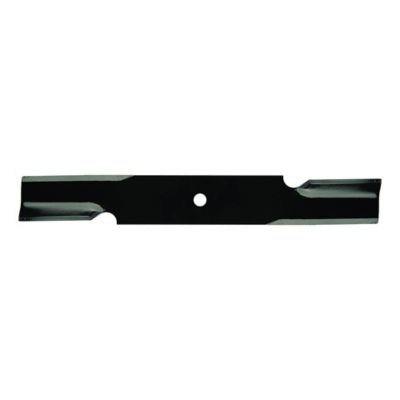
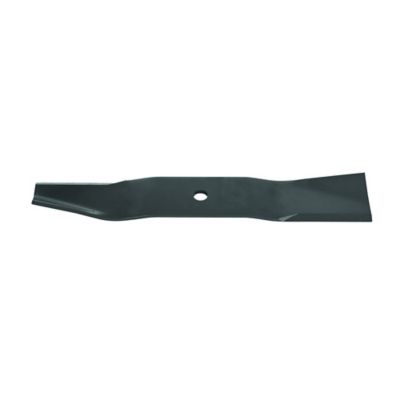
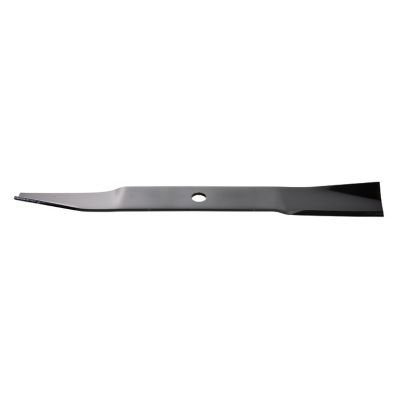
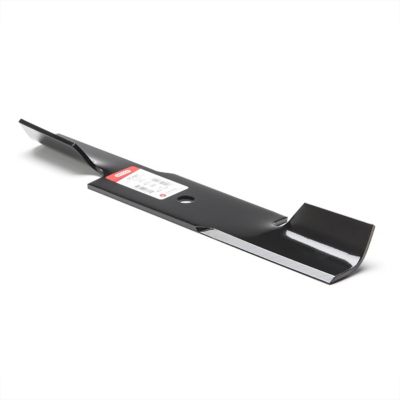
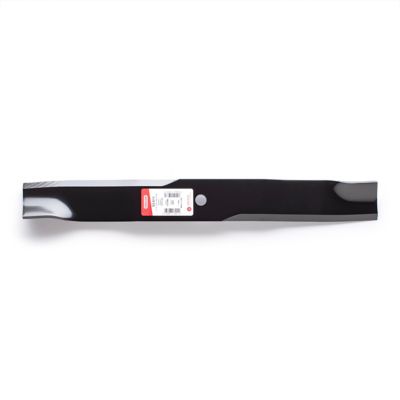
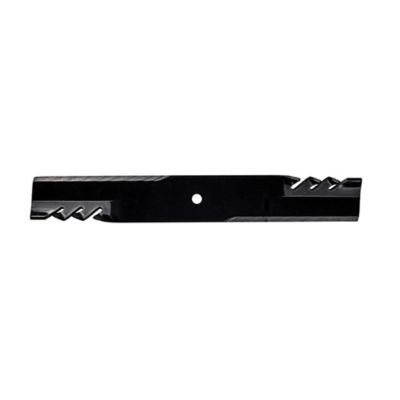
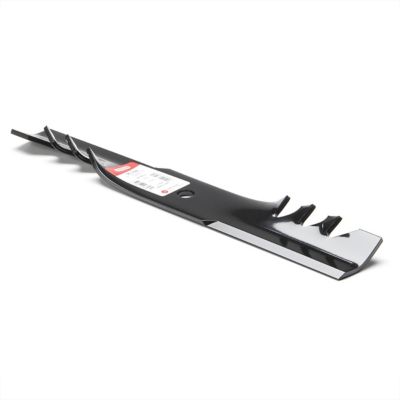
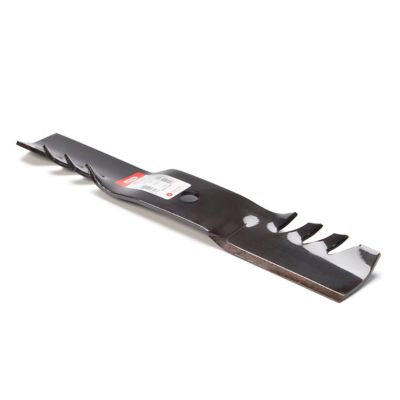
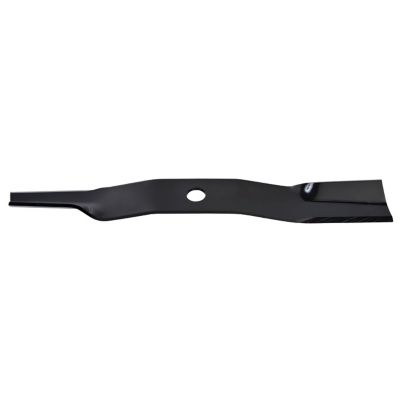
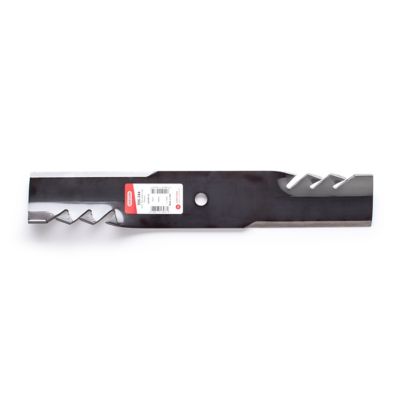
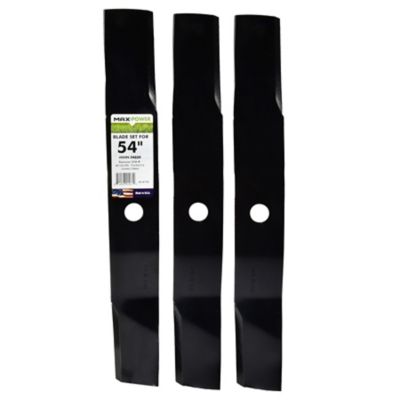
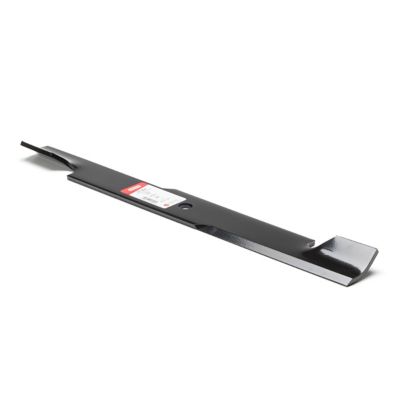
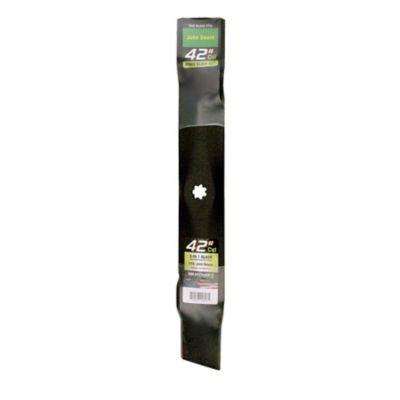
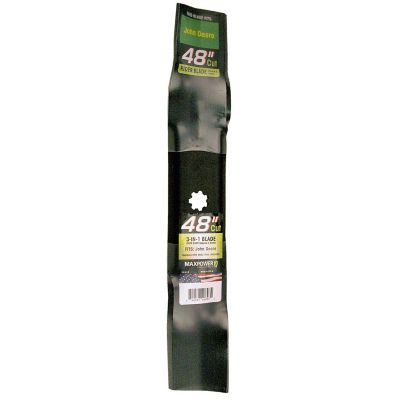
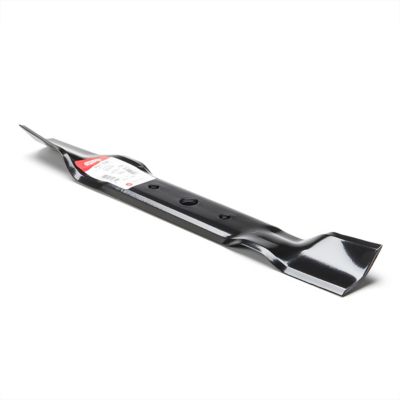
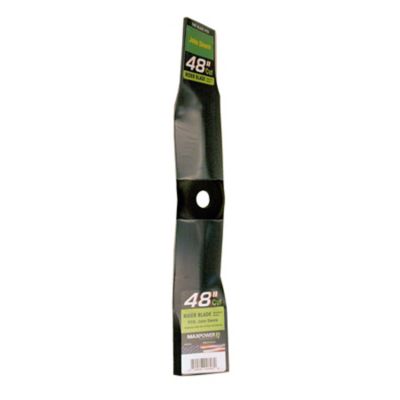
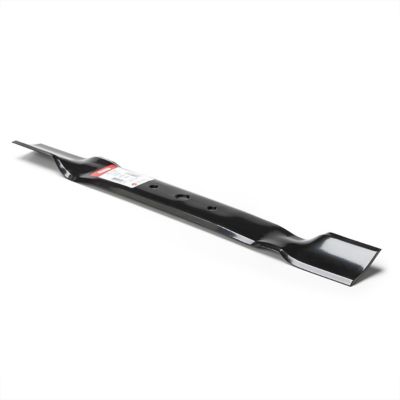
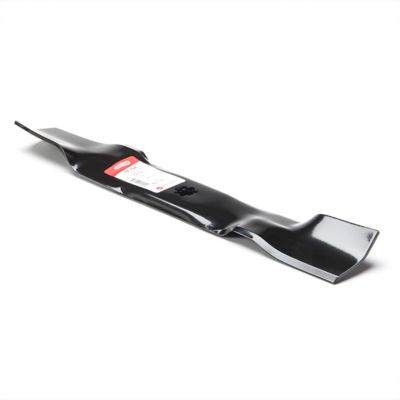
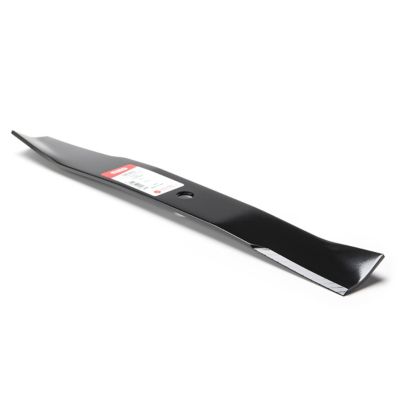
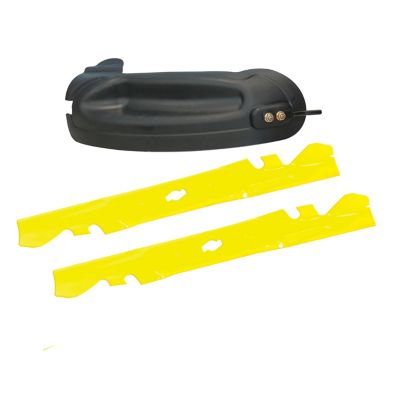
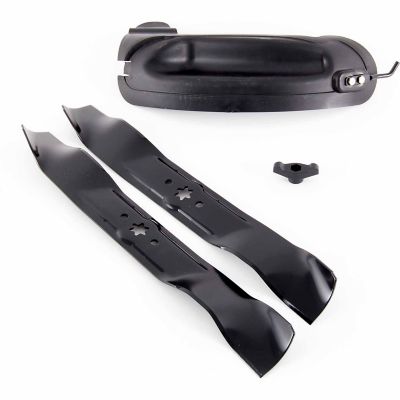
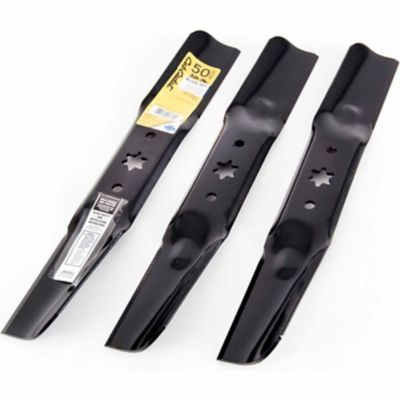
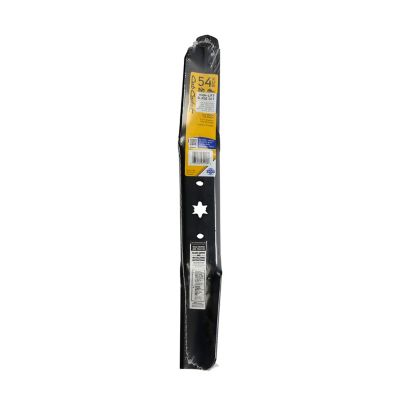
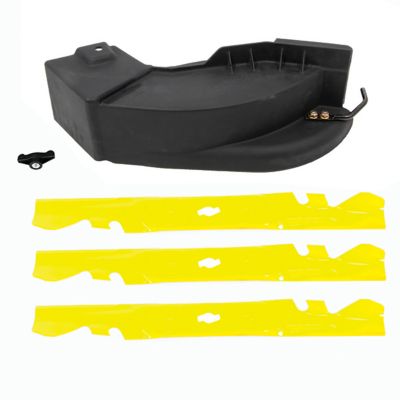
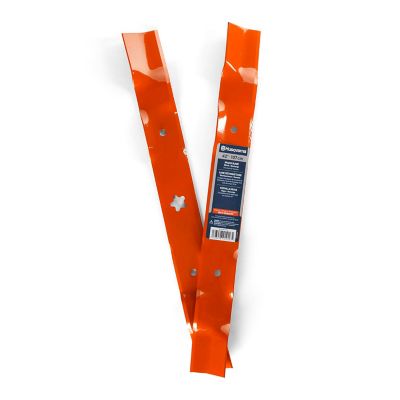
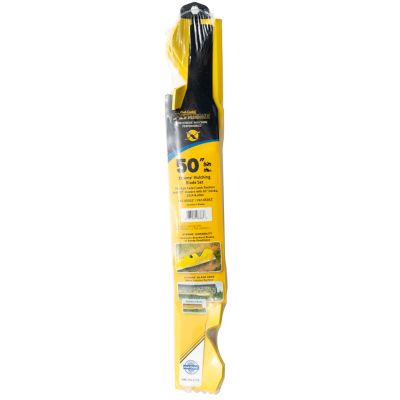
Replacement lawn mower blades are a simple part of routine mower care, but choosing the right set takes more than picking a blade that looks close to the one already under the deck. A good match starts with the mower’s exact model, deck width, blade length, center-hole pattern and mounting style. Riding mowers, lawn tractors and zero-turn mowers can use different blade shapes even when their decks measure similarly, so check the owner’s manual or the identification label on the machine before ordering. Common deck widths include 42, 46, 48, 54 and 60 inches, though the blade length and number of blades in the deck can vary from one mower to another. Measure carefully if the original blade is available, and pay close attention to the star-shaped or other specialty center hole that fits over the spindle. The outer holes, blade offset and lift design matter, too. A blade that is too long can contact the deck or another blade, while one that is too short may leave uncut strips across the lawn. The right fit helps the mower run as designed and makes it easier to keep a clean, even cut across open yards, slopes, orchard lanes and the rougher edges along a driveway or fence line. It is also smart to think about the kind of grass and mowing conditions around your property. Standard blades work well for regular lawn care, while high-lift designs can help move clippings through the discharge chute when the grass is thick. If you mulch, look for a blade made for that mowing setup and confirm that the shape is approved for your deck. For a dependable replacement, compare the blade specifications with the mower manual rather than relying on appearance alone. That extra minute at the parts counter or online can save a return trip, a stalled mowing job and a frustrating afternoon spent trying to make the wrong blade fit.
Most mower blades need attention after working through rocks, sticks, sandy soil and tall, tough grass. A blade may look usable at a glance yet have a rolled edge, a small crack, a bent tip or enough wear to affect the quality of the cut. Dull blades tend to tear grass instead of slicing it cleanly, leaving ragged tips that can give a freshly mowed lawn a pale, dry look. You may also notice uneven rows, missed strips, extra vibration or grass clumping beneath the deck. Replacing worn blades is often the practical choice, especially when the cutting edge has been sharpened several times or the blade no longer holds a straight profile. Before any work, park the mower on a flat surface, set the parking brake, remove the key and allow hot parts to cool. Disconnect the spark plug wire so the engine cannot start accidentally, and consult the mower manual for the safest way to raise or tilt the machine. Wear sturdy gloves when handling old or new blades; even a dull-looking edge can cut skin. When installing, pay close attention to the blade’s direction. On many mower decks, the cutting edge and raised lift fins face downward toward the ground, but blade designs differ, so follow the markings or instructions for your mower rather than guessing. Make sure the blade seats fully against the spindle and that the center hole and any locating tabs line up correctly. Tighten the retaining nut to the torque listed by the manufacturer. Over-tightening can damage parts, while under-tightening may allow movement during operation. After installation, rotate the blade by hand with the spark plug wire still disconnected and check for contact with the deck. If the mower uses more than one blade, inspect the other blades at the same time and replace them as a matched set when recommended. Keeping a spare set of lawn mower blades on the shelf can be handy during the cooler months, when a final cleanup cut or an unexpected storm can leave the yard ready for one more pass.
Fresh blades are useful for homeowners who take pride in a neat yard, landowners maintaining several acres, and anyone who depends on a mower for paths, fields and the spaces around barns or outbuildings. They can also make a thoughtful gift for a new homeowner, a parent who spends Saturday mornings caring for the lawn, or the neighbor who is always willing to help keep the shared driveway and roadside trimmed. If you are shopping for someone else, the most helpful details to gather are the mower model, deck size, number of blades, blade length and center-hole style. A photo of the old blade beside a tape measure can help, but the manual remains the best source for a precise match. It is worth checking the mower’s spindle, washers, hardware and belt while the deck is accessible, since a bent spindle or loose hardware can create vibration even with a properly fitted blade. Once the blades are installed, mow at a steady pace and avoid cutting more than roughly one-third of the grass height at a time. Clear branches, wire, stones and other debris from the mowing area, particularly around fence rows and wooded edges. After each job, let the deck cool, brush away packed clippings and look for fresh dents or damage. During periods of cooler weather, clean, dry blades and a protected storage spot can help prevent rust before the next mowing season. If your mower calls for a different fit or you are comparing options for another machine, take a look at
Snapper Mower Blades as well. With the correct blade, safe installation and a little attention after each use, a mower can leave behind the kind of even, tidy finish that makes a long day of yard work feel worthwhile.