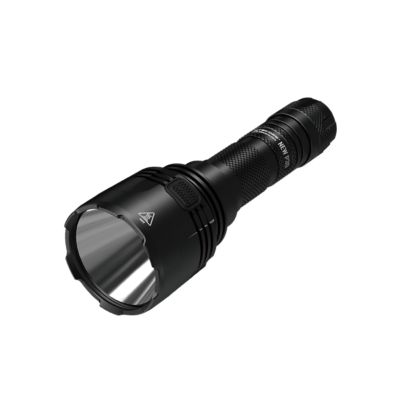
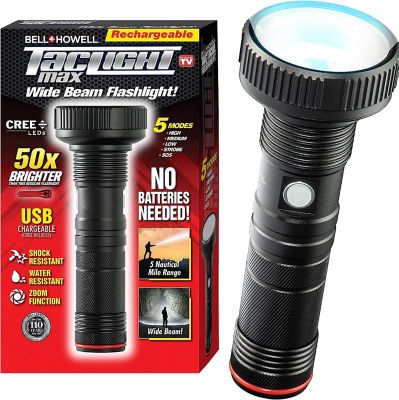
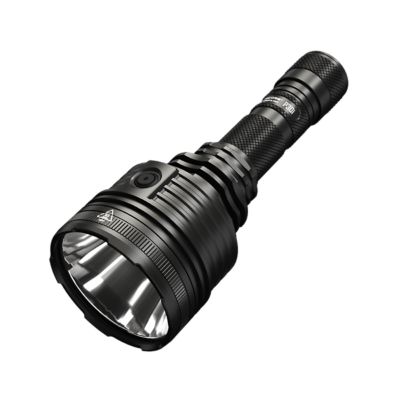
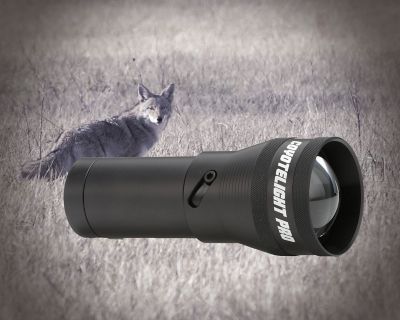
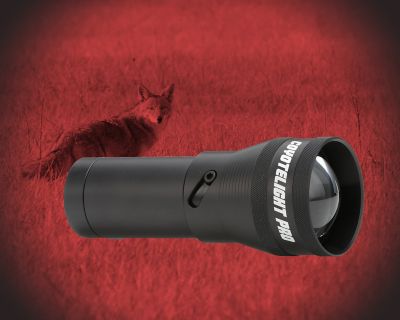
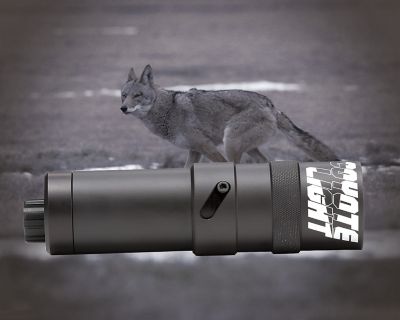
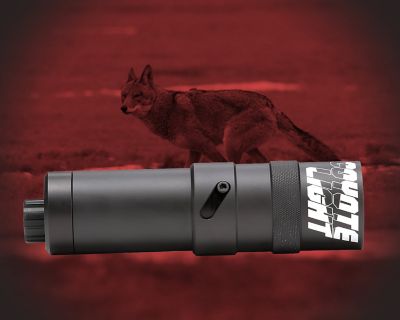
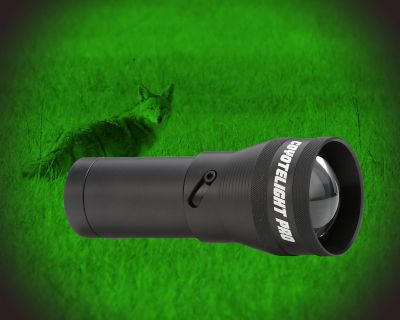
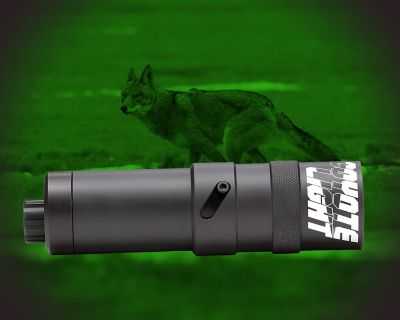
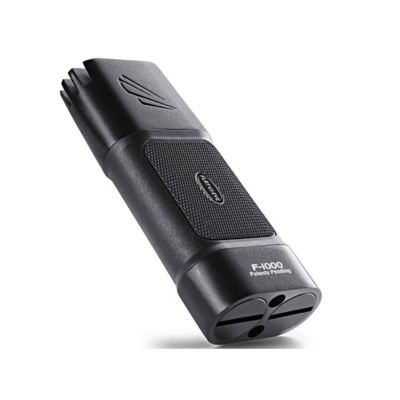
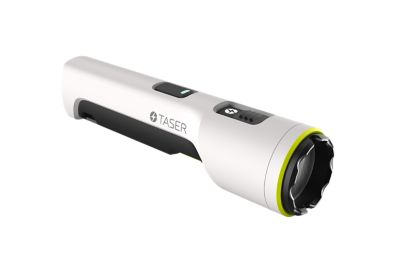
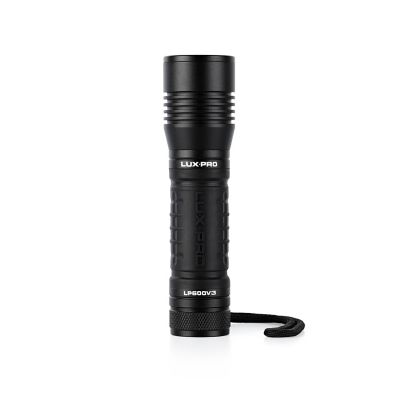
Hunting flashlights provide portable light for finding a trail, checking gear, and seeing what lies beyond the edge of camp when daylight is limited. A good match depends on the job, not just the biggest number on the package. Lumens describe total light output, while beam distance describes reach; neither number alone tells the whole story of what a hunter can see. A broad flood beam lights up nearby ground, fence crossings, and the inside of a gear bag, while a tighter spot beam concentrates light farther down a trail or across an opening. A beam with a defined center and some light around its edges can balance distance with awareness of nearby footing. Advertised beam distance does not guarantee that an animal or obstacle can be clearly identified at that range. Brush, background contrast, and the size of the object all affect visibility. Multiple brightness settings make a flashlight useful for more than one task: a low setting suits sorting gear close at hand, while a higher setting can help examine a distant landmark. Maximum-output modes generally draw more battery power and may step down as the light manages heat, so sustained output matters alongside peak brightness. White light shows a broad range of colors and details, making it useful for checking equipment and inspecting a trail. Red light at a low level can limit exposure to bright white light during close-up tasks, though any bright beam can interfere with dark-adapted vision. Green light can make some subjects stand out against their surroundings, but its effect depends on the setting and the animal. No beam color guarantees that game will ignore it. For hunters who move between close work and longer sightlines, adjustable output and a beam pattern that fits the terrain can matter more than an especially bright top setting.
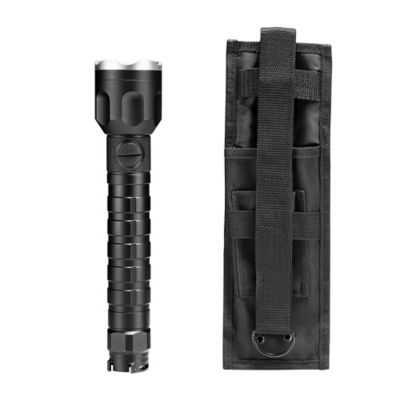
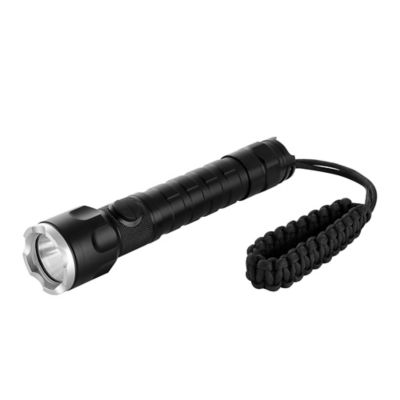
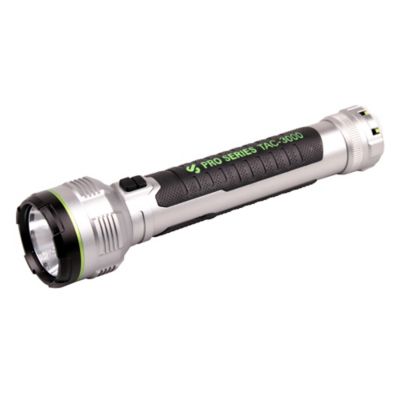
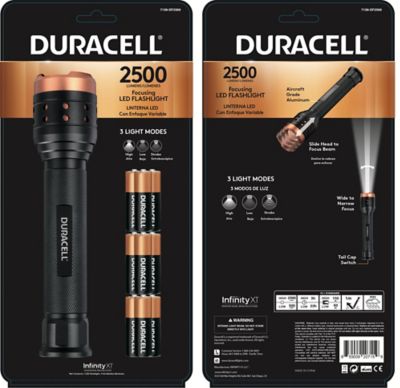
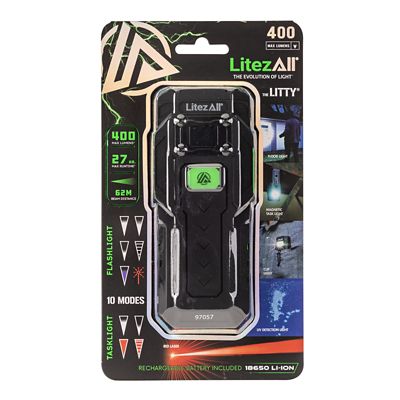
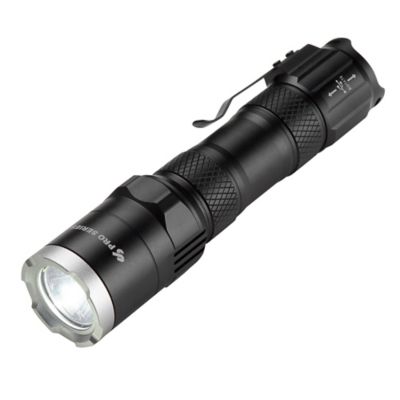
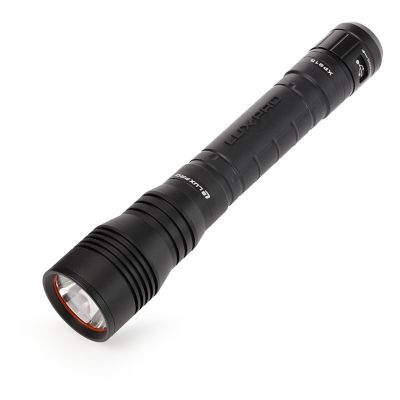
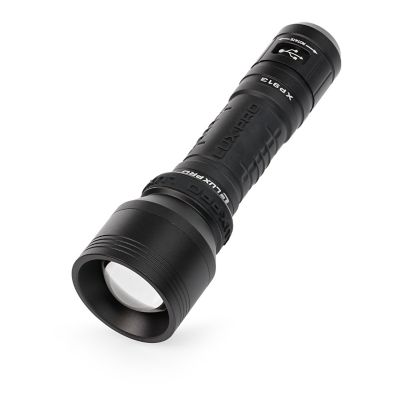
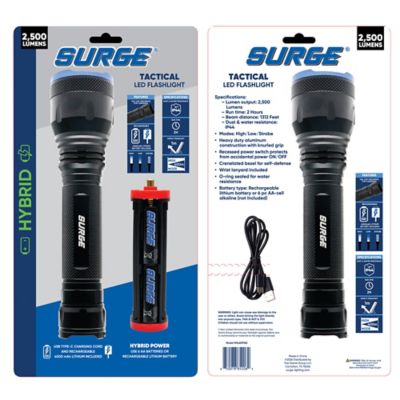
The body, controls, and power source shape how a hunting flashlight carries and works in the field. Aluminum housings offer a rigid shell, while polymer bodies can help keep weight down. A textured grip gives fingers something to hold when hands are dusty or occupied with other gear. Tail switches can be easy to locate by feel, while side switches may offer convenient access to several modes; either layout should suit the way the light sits in the hand. A switch that works comfortably with gloves can save fumbling at a gate or beside a pack. A lockout setting helps prevent the beam from turning on inside a pocket, and a pocket clip or lanyard can keep the light close without taking over a belt or vest. Length and weight matter on a long walk, but a larger body may accommodate a bigger battery or a reflector built for longer reach. Rechargeable hunting flashlights suit frequent outings when charging fits the routine, while replaceable-battery designs allow a spare set to travel in a gear bag. Battery type, charging connection, and the manufacturer’s runtime information help show how a light fits an outing away from outlets. Runtime should be considered at the brightness setting most likely to stay on, rather than only at the lowest setting. Spare batteries belong in a protective case with their contacts separated from metal objects, and rechargeable batteries should match the light’s stated requirements. Construction details matter, too: protected lenses, secure battery caps, sealed charging ports, and published impact and water-resistance ratings help describe the protection a housing offers. Those ratings have limits, so routine care still counts. Wiping away dirt, cleaning the lens with a suitable soft cloth, and checking seals and battery contacts according to the manufacturer’s directions help keep a hunting flashlight ready for the next trip. A light that travels in a padded pouch or protected pack compartment also avoids unnecessary knocks against tools and other equipment.
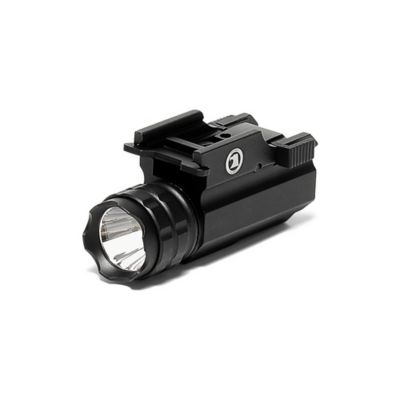
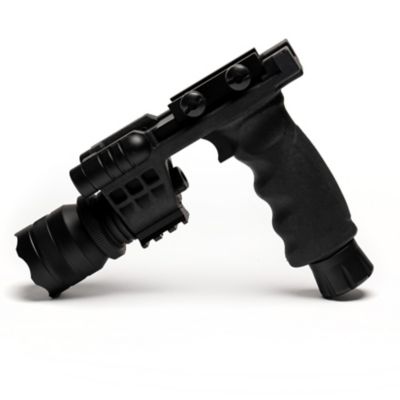
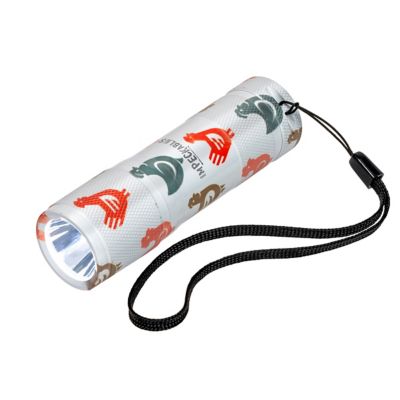
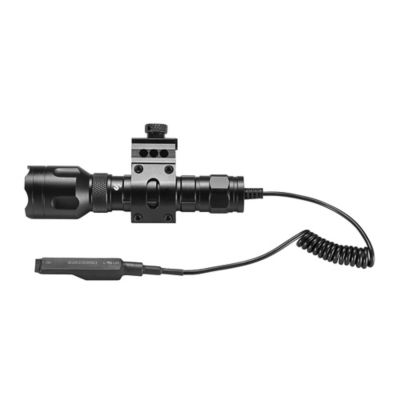
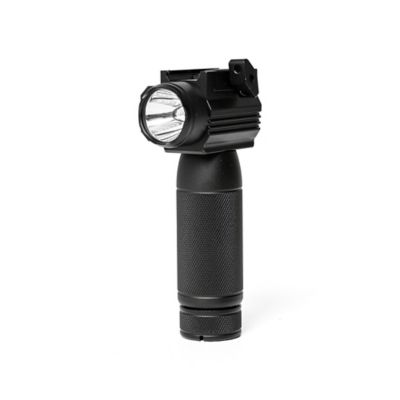
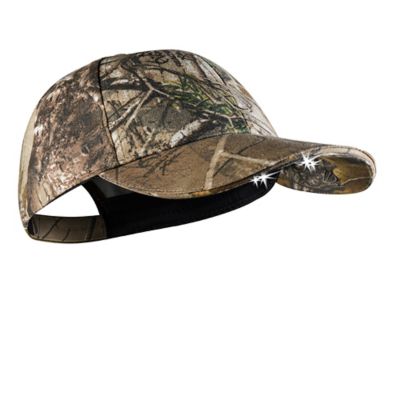
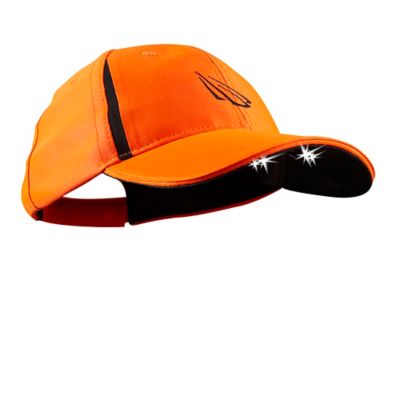
Different hunting routines call for different ways to carry light. A compact handheld flashlight fits quick checks around a truck, a walk to a stand before daylight, or the search for a dropped glove beside a trail. A larger handheld light can suit longer sightlines, while a headlamp leaves both hands free for opening a gate, managing a pack, or tending to equipment. Hands-free lighting works best when its fit stays comfortable and its beam can point toward the task without shining into a companion’s eyes. Where equipment-mounted hunting lights are appropriate and lawful, attachment dimensions, overall weight, switch placement, and compatibility with the intended equipment deserve attention. A separate handheld light remains useful for navigating and checking surroundings without pointing a firearm at anything that does not belong in its sights. Artificial-light rules vary by state, species, location, and type of hunting, and permission to carry a flashlight does not automatically mean permission to take game with it. Clear identification and a safe background remain essential; beam color and brightness cannot replace either one. A light is also not a substitute for required visibility clothing or other hunting safety equipment. Beyond hunting, these flashlights can serve during livestock checks, walks along a property boundary, and trips between a barn and a parked truck. That crossover makes them a practical gift for a hunter, landowner, or family member who spends plenty of time outdoors after dark. The most useful gift is one that fits the recipient’s habits, whether that means straightforward controls, a familiar battery type, or a size that slips into a jacket pocket. For a broader look at portable lighting for field tasks and everyday carry,
Top Rated Flashlights offers another place to compare options. The best fit for a hunting kit brings together manageable weight, useful beam reach, sufficient runtime, and controls that make sense by touch. A spare light carried separately adds a backup for a depleted battery or misplaced flashlight, keeping an ordinary gear problem from leaving the walk back in darkness.