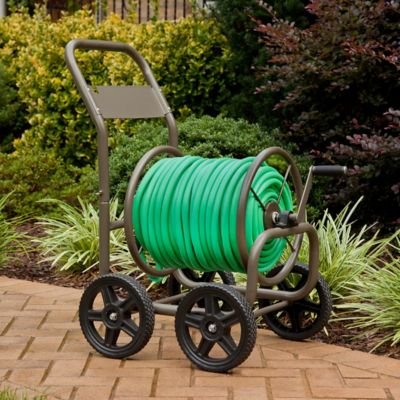
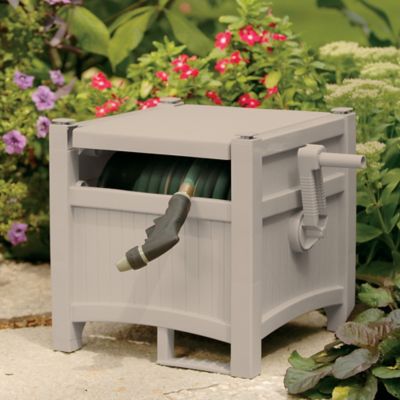
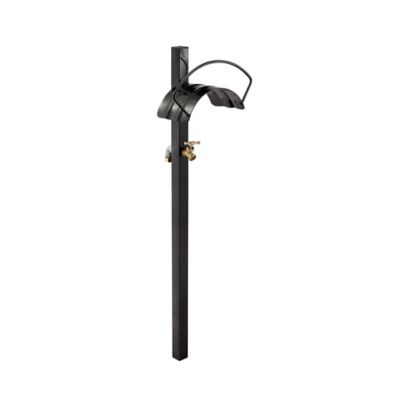
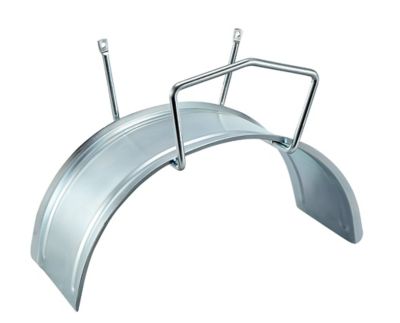
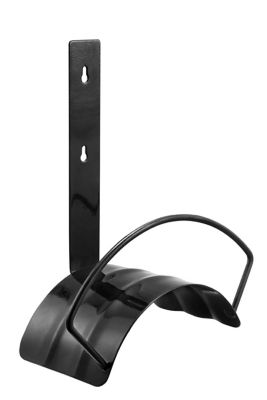
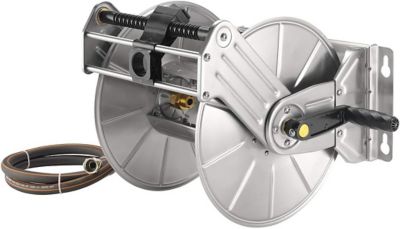
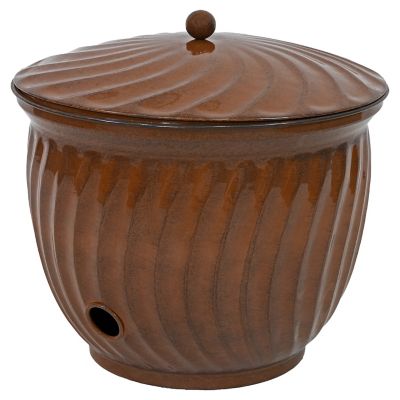
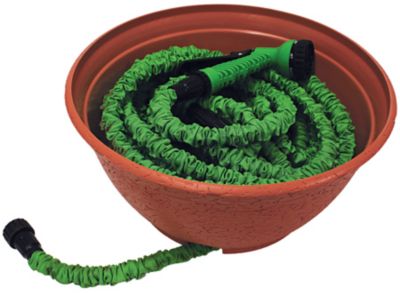
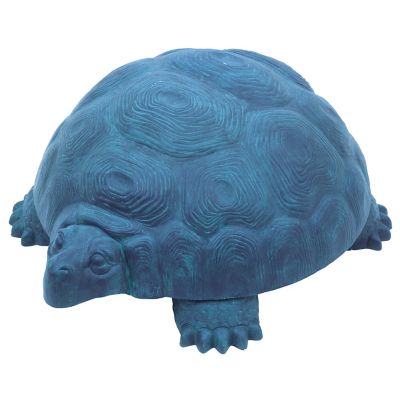
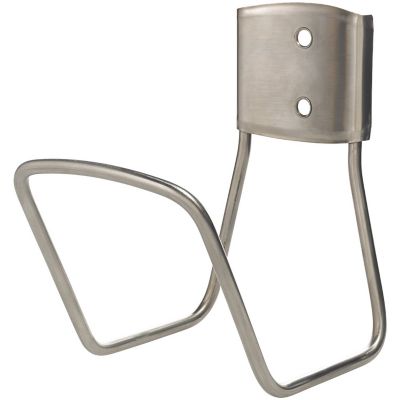
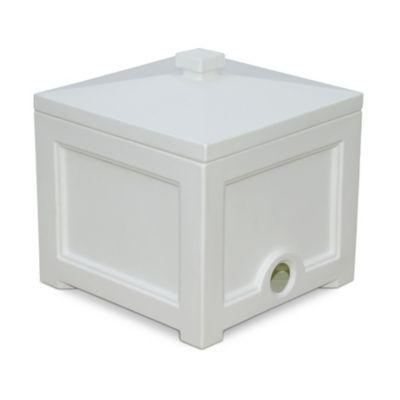
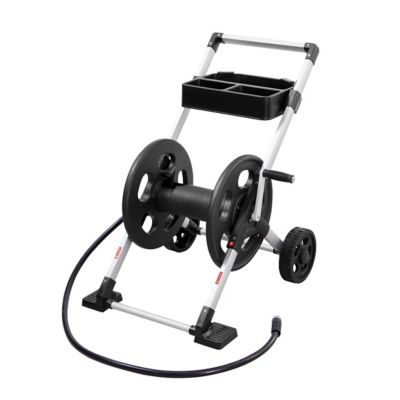
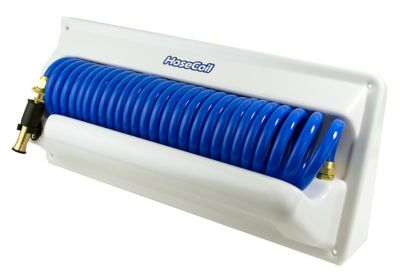
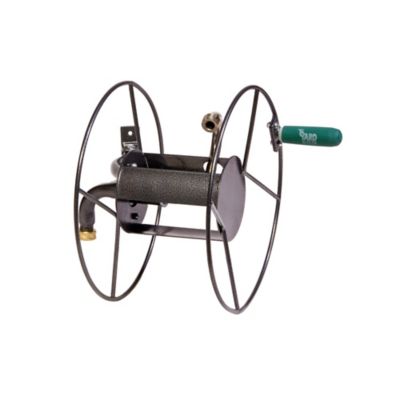
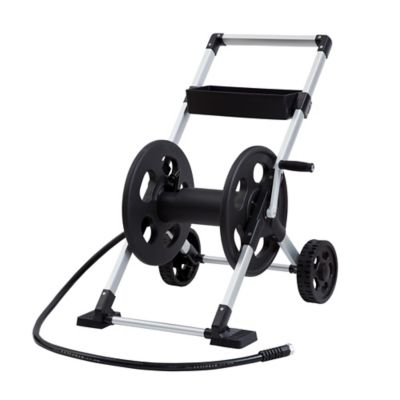
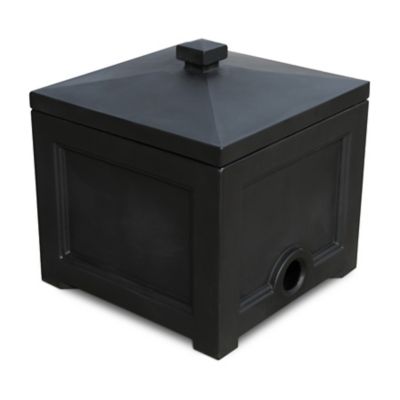
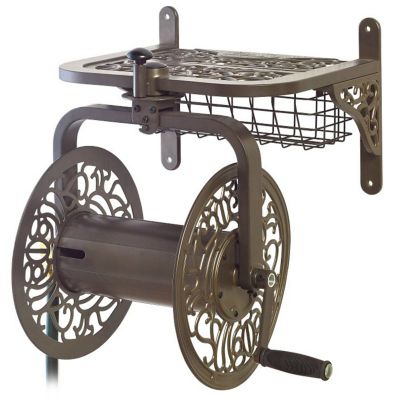
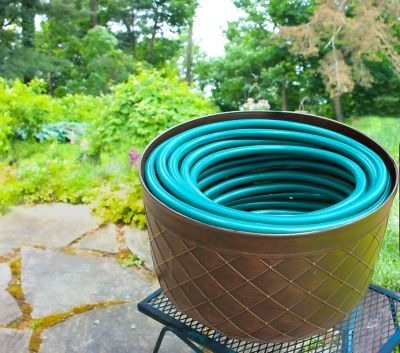
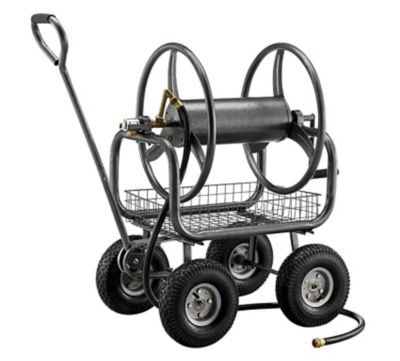
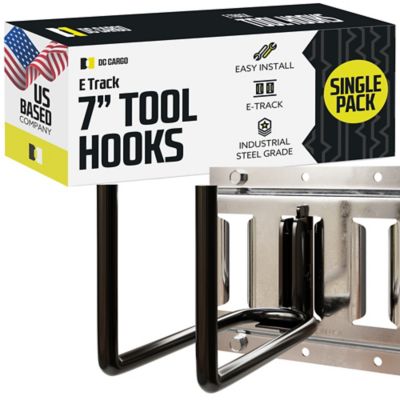
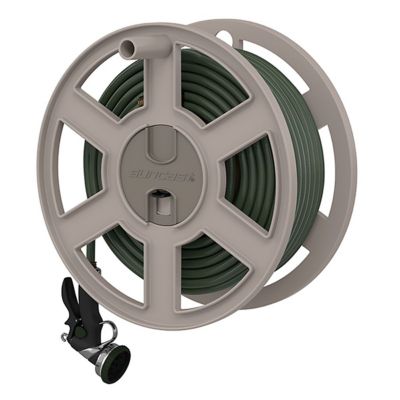
Hose storage includes wall-mounted hangers, reels, wheeled carts and containers that keep garden hoses gathered between watering and cleanup jobs. Keeping a hose off a walkway cuts down on tripping hazards and helps keep the hose from getting caught under a mower, wheelbarrow or gate. Around a garden, barn or backyard spigot, the right setup also means less time wrestling with a tangled pile before getting to work. Wall-mounted hose hangers hold loose coils close to the building, making them a practical fit where ground space is tight. A broad, rounded support spreads the hose’s weight across a larger area rather than concentrating it on a narrow hook that can create a sharp bend. Manual hose reels wind the hose onto a rotating drum, with a crank that makes gathering a longer length more manageable. Wheeled hose carts bring that reel along to planting beds, wash areas or another water connection across the property. Enclosed hose boxes tuck the coil and winding mechanism out of sight, while hose pots provide a container for a loosely gathered hose without necessarily including a reel. These different styles suit different routines: a hanger beside the vegetable patch keeps things simple, while a cart makes sense for jobs spread farther apart. Materials make a difference in how each setup handles those chores. Powder-coated steel provides substantial support, though scratches in the finish deserve attention because exposed steel can develop rust. Aluminum frames generally weigh less than comparable steel frames, which can make moving the setup easier. Resin housings do not rust, although their fittings, axles and fasteners may still contain metal. Metal edges, smooth hose-contact surfaces and sturdy handles all deserve a look, especially when the hose is heavy with water. For a spot beside the porch, a contained design keeps the area neat; beside a working barn, an open reel keeps the hose easy to reach and inspect.
Hose length and diameter are the starting points for finding a storage setup that fits without crowding. Capacity ratings generally refer to a stated hose diameter, so a reel rated for a narrow hose may hold less length when paired with a wider one. A 100-foot, 5/8-inch hose takes up a different amount of room than a 100-foot hose with a larger outside diameter or thicker construction. Reinforced hoses can also be stiffer, making drum size and room around the reel especially important. Leaving some space beyond the hose’s actual length makes winding less cramped, provided the capacity comparison is based on the same hose diameter. On a hanger, enough support width allows generous loops without forcing tight bends near the fittings. Expandable and other specialty hoses may have different storage requirements, so their care directions matter more than a length rating alone. For reels that connect directly to a spigot, the leader hose is the short connecting section between the water supply and the reel. Its length needs to cover that distance without stretching, pinching behind the frame or pulling sideways on the faucet. Connection size, replacement seal access and clearance for the crank also affect everyday convenience. A reel tucked into a narrow corner can be frustrating if the handle hits the wall with every turn. For folks who would rather skip hand cranking,
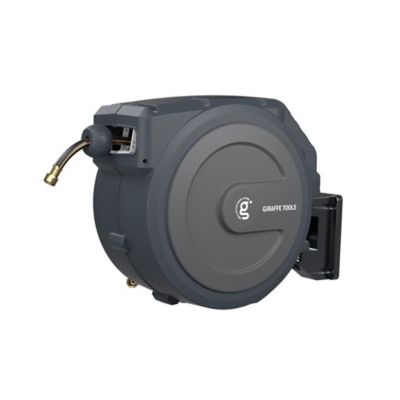
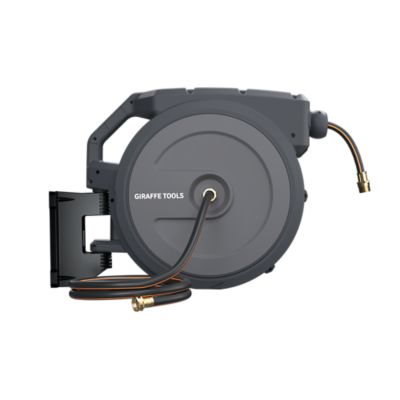
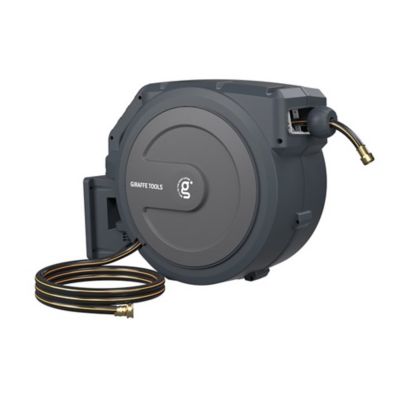
Automatic Hose Reels provide another approach to gathering the hose, with retraction and locking features that vary by design. Controlled retraction matters because a hose end should not whip back toward the housing. Swiveling mounts can help a hose follow the direction of the job, while fixed mounts need a position that allows a clear pulling path. The best fit leaves room for the hose, its fittings and the person handling it, rather than simply squeezing the reel into an empty spot.
Placement and routine care help hose storage stay useful through repeated chores. A loaded reel or hanger can weigh considerably more than an empty one, so mounting hardware needs to match both the load and the supporting surface. Solid framing, masonry and other suitable supports call for the appropriate fasteners; a thin fence board or light siding alone may not provide enough support. Ground-standing storage needs a level, stable spot where pulling out the hose will not tip the frame or drag it into the path. On carts, wheel size and handle position affect how comfortably the load moves across gravel, grass or the packed ground beside a shed. Wider wheels can be easier to manage on softer ground, while a compact frame is easier to park in a tight corner. Keeping the hose path away from gate hinges, sharp edging and vehicle tires helps prevent scrapes and crushed sections. After watering beds or rinsing equipment, dirt and grit on the hose can transfer to the reel and collect around moving parts. An occasional wipe-down and a check for loose hardware, cracked fittings or worn seals can catch small problems before they interrupt a chore. Shutting off the water and relieving pressure at the nozzle before putting the hose away reduces strain on connections; draining and storage should follow the hose and reel manufacturers’ directions. Loose, even coils are easier on the hose than tight loops forced around a small support. Containers with drainage openings help keep leftover water from pooling around the coil, and accessible lids make checking the hose less of a chore. Whether the job is tending raised beds, rinsing feed buckets or cleaning up a wash area, a well-matched storage setup keeps the hose close at hand without leaving it underfoot. It gives a frequently handled piece of equipment a regular place to land when the work is done.