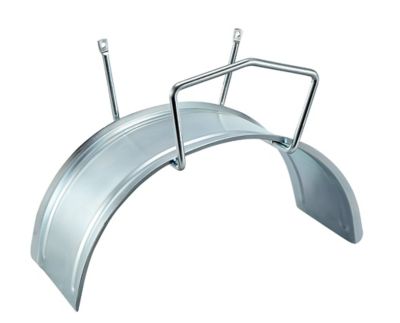
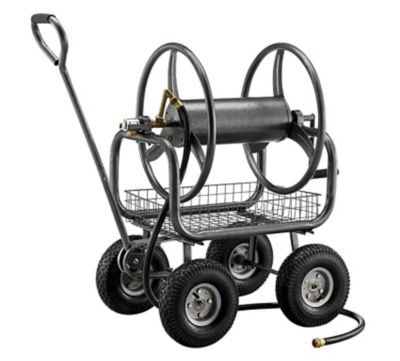
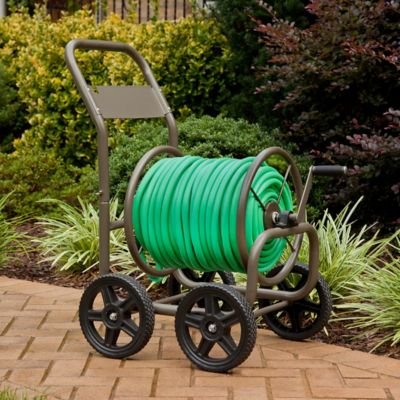
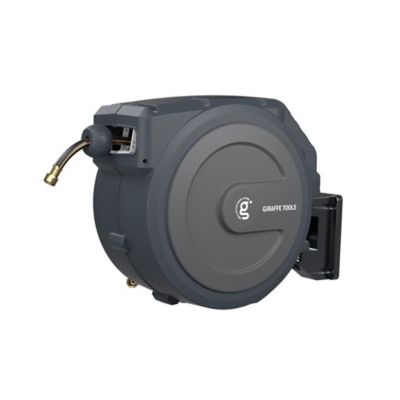
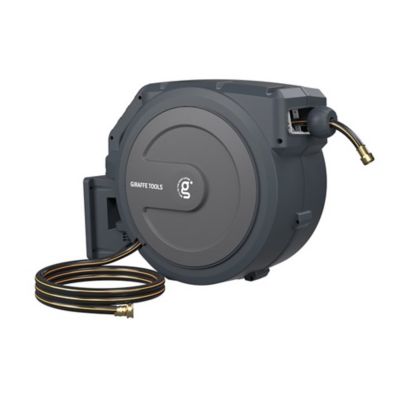
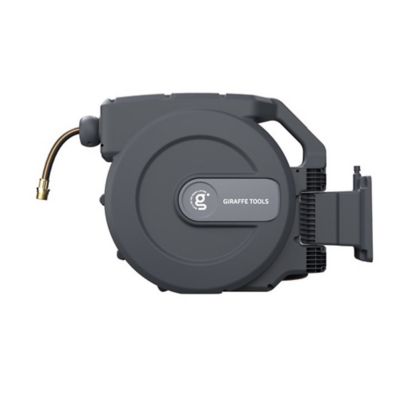
A hose hanger holds a garden hose in loose coils off the ground, helping reduce kinks, tangles and wear while keeping paths clear. It gives the hose a resting place between watering the vegetable patch, rinsing muddy boots and filling a trough. Around a house, barn or workshop, that can mean less hose stretched across a doorway and fewer loops caught under a wheelbarrow tire. Unlike a hose reel, a basic hanger supports coils without winding the hose onto a rotating drum. Its simple shape makes the hose easy to lift down and put back, especially when watering jobs happen several times a day. The right fit depends on more than the number of feet printed on a hose label. Hose diameter, wall thickness and flexibility all affect how much room a coil takes up and how much weight the hanger needs to hold. A thick rubber hose can be considerably heavier and harder to bend than a lighter hose of the same length. Capacity ratings and dimensions help narrow the match, but the shape of the support matters, too. A broad, rounded saddle spreads the load across the hose instead of concentrating it along a narrow edge. Enough depth keeps the outer loops from slipping forward, while room above and beside the hanger allows a comfortable coil without forcing sharp bends. For someone watering a few raised beds, a compact holder near the outdoor faucet may be plenty. A longer run to a chicken yard or distant planting area calls for more storage space and a location that makes carrying the hose manageable. A hanger near the main work area can also keep a hose from being dragged around the same corner every time it comes out. Good placement leaves room for the faucet handle, hose fittings and nearby doors, so putting the hose away does not turn into another chore.
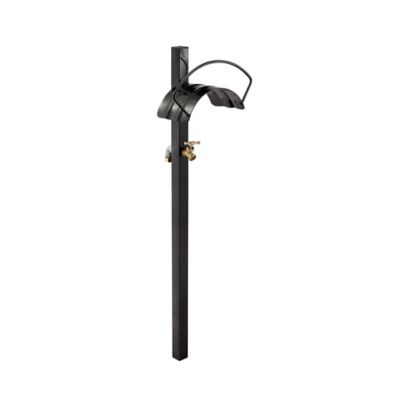
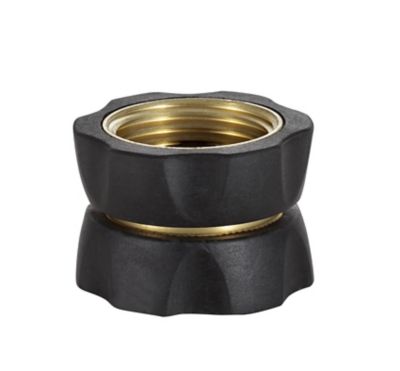
Hose hangers come in several material and mounting styles, each suited to different spaces and routines. Steel provides a firm support for heavier coils, and a painted or powder-coated finish helps protect the metal where the coating remains intact. Aluminum offers a lighter metal option and does not develop the red rust associated with steel, though its load rating and construction still deserve attention. Molded plastic avoids metal corrosion and may suit a lighter hose, with thickness, reinforcement and the stated capacity helping indicate its intended workload. Across materials, smooth edges and rounded contact points help keep the hose jacket from scraping as loops move on and off. Welds, joints and mounting holes should support the load without leaving rough areas against the hose. A wall-mounted hose hanger keeps floor space open and can work well beside a garage, shed or barn, provided the mounting surface can carry the weight. Solid framing or properly anchored masonry offers a different level of support than thin siding alone; the hanger’s mounting requirements and the wall construction need to match. Fasteners also need to suit both the surface and the weight of the loaded hanger. Freestanding hose holders offer another approach where a wall is out of reach or a watering station sits along a garden path. Their footing matters as much as the upper support, since a tall coil and a sideways pull can put leverage on the base. Ground-staked designs need suitable soil and a placement clear of buried utilities or irrigation lines. Holders that hang over a faucet have their own fit and weight limits, so compatibility with the faucet arrangement is important rather than assuming every spigot can carry a full hose. Whatever the style, a hose should have an easy route from the faucet to the storage support without pulling the connection sideways. Clearance for a shutoff valve, splitter or hose timer helps keep those fittings accessible.
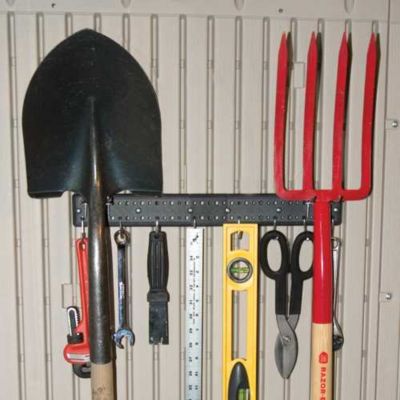
Everyday convenience often comes down to the small details around a hose hanger. A reachable mounting height makes it easier to lift a heavy coil without stretching overhead, while enough clearance below keeps the lowest loop and spray nozzle from resting in the dirt. Beside a livestock area, placement outside the animals’ reach helps prevent chewing, rubbing and loose loops around feet. Along a walkway, keeping the stored hose inside the hanger’s footprint leaves more room for feed carts, lawn equipment and folks passing through with an armful of supplies. A hose that naturally forms large loops needs space to keep that shape; forcing it into tight turns can leave flat spots and make it harder to handle the next time it comes down. Straightening twists before storage and laying the coils evenly over the support helps the hanger do its job. Turning off the water and relieving pressure according to the hose and attachment instructions reduces strain while the hose rests. Draining residual water when practical also reduces the weight being carried, though the hanger still needs a rating suited to the hose itself. Basic care is straightforward: clear away packed dirt, wipe contact surfaces as needed and check for loose hardware, cracks or rough spots that could rub the hose covering. On coated metal, chipped areas deserve attention according to the maker’s care directions. A quick look at the mounting points is especially worthwhile when a hanger gets frequent use or holds a substantial coil. For a garage or shed that also needs a place for rakes, shovels and long-handled equipment,
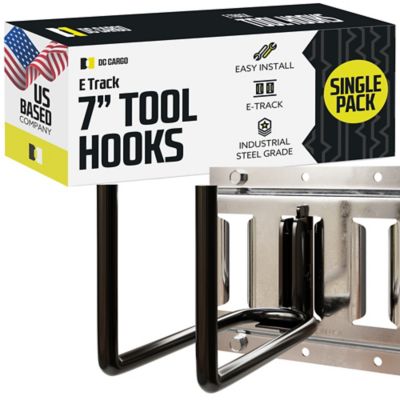
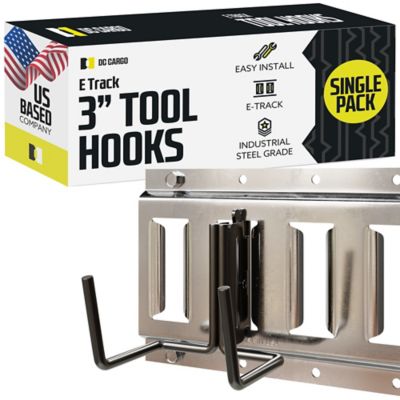
Tool Hangers can support a separate storage area without crowding the hose connection. Keeping those spaces distinct makes each piece easier to reach and return. A well-matched hose hanger can also make a practical gift for a gardener, horse owner or homeowner who spends plenty of time tending the place. The best match is one that fits the hose, suits the mounting spot and makes cleanup easy enough to become part of the daily routine.