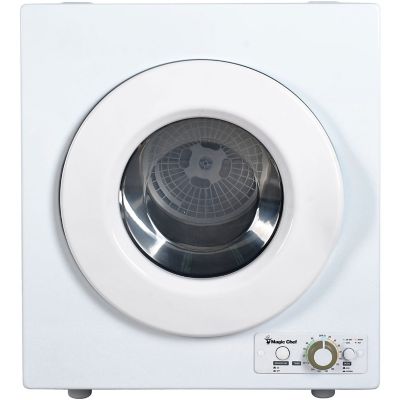
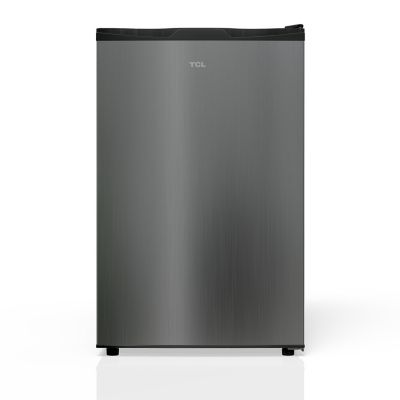
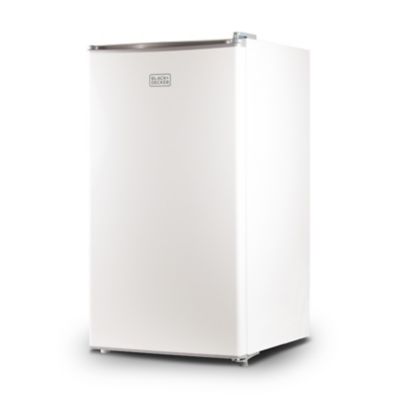
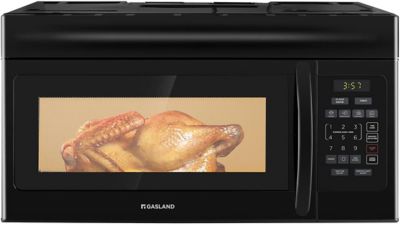
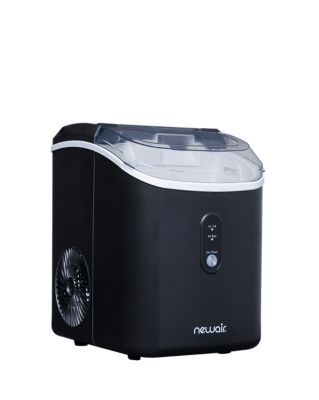
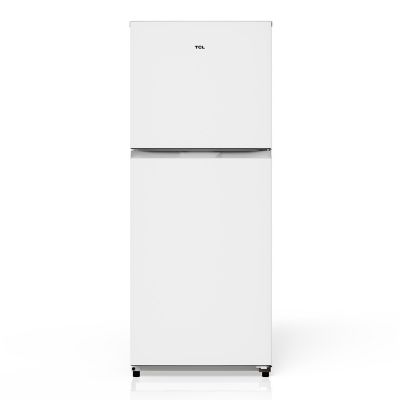
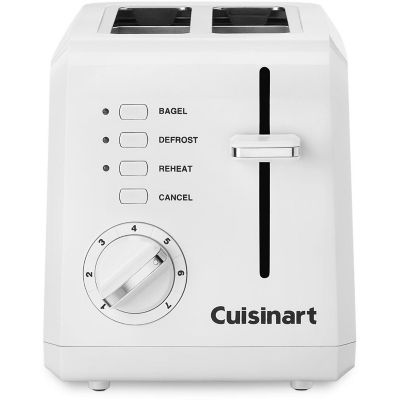
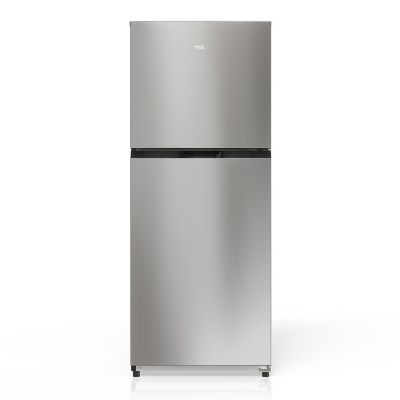
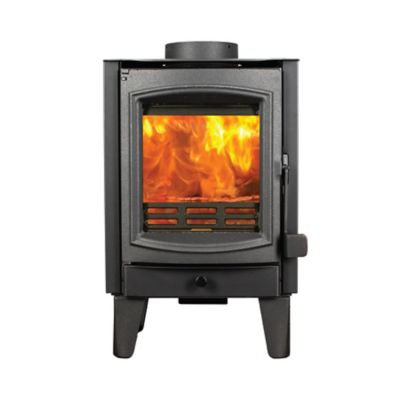
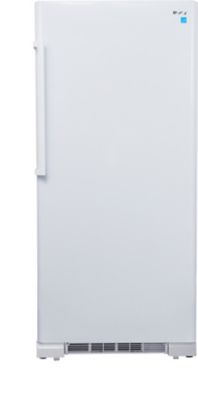
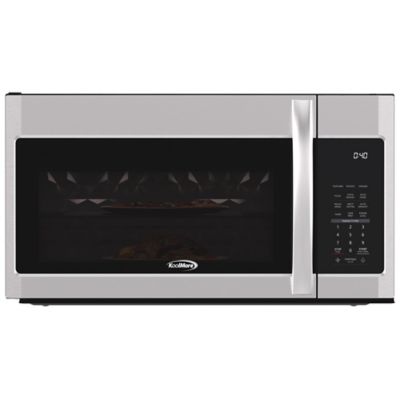
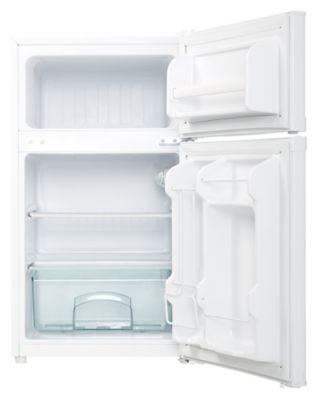
Space-saving appliances are compact household appliances designed to handle everyday jobs while taking up less floor, counter, or cabinet space. Depending on the design, they may have a smaller footprint, combine more than one function, or fit into an otherwise overlooked spot. They can make sense in a farmhouse with a narrow kitchen, a cabin with limited storage, a guest suite, or a smaller home where every clear stretch of countertop matters. The goal is useful working space, not simply the smallest dimensions on the label. An appliance still needs enough capacity for the household and enough room around it to operate as intended. A slim profile may leave more room beside a cabinet, while a shallow depth can help keep a walkway clear. Neither measurement tells the whole story without accounting for handles, hinges, cords, hoses, and the space needed to open a lid or door. A door that swings into the only path between the kitchen and the back entry can make an otherwise sensible setup feel cramped. Overhead cabinets matter, too, especially when an appliance opens from the top or releases heat during operation. Manufacturer-specified clearances belong in the overall footprint, even when they leave a little space that cannot serve as storage. The same fit considerations apply to
appliances for apartments, where shared living areas and limited utility connections can shape the layout. Compact does not automatically mean portable, suitable for an enclosed cabinet, or approved for installation beneath a counter. The intended installation type helps separate an appliance that belongs on an open work surface from one designed for a built-in opening. A good match leaves the room comfortable to move through, with everyday controls within reach and enough space to load, unload, and clean without shifting half the kitchen around.
Capacity and function matter just as much as outside dimensions. A smaller household may find that compact appliances handle daily routines without taking over the room, while a busy family may need extra capacity for meals, laundry, or food storage. The practical comparison is what fits inside, how often the appliance will run, and whether its layout suits the job. Interior shelves, basket shapes, door storage, and loading openings can affect usable space as much as the stated capacity. A roomy interior is less helpful if the opening makes it awkward to reach the back or remove a full container. Multifunction designs can reduce the number of appliances competing for a single countertop, but their functions may operate one at a time rather than together. That trade-off matters when breakfast, packed lunches, and the first load of laundry all need attention before chores. Combination laundry designs and stackable configurations also solve different space problems; stacking requires compatible equipment and the mounting hardware specified by the manufacturer. Utility requirements deserve the same attention as physical fit. Plug type, voltage, circuit requirements, water connections, drainage, and ventilation all depend on the appliance, and a nearby outlet or sink does not necessarily make a location suitable. Where ventless operation is an option, the design may still require condensate collection, drainage, or other installation provisions. Smaller size alone does not guarantee lower energy consumption, either. Published energy information, operating settings, and expected frequency of operation provide a better basis for comparison. Controls should be easy to see and reach from the position where the appliance will sit, not just convenient when it stands alone. For a shared household, straightforward controls and accessible loading space can be more useful than a long list of settings. The best fit supports the work that happens every day without making a simple task feel like a juggling act.
Materials, construction, and care influence how well a compact appliance holds up to everyday handling. Stainless steel, coated metal, molded plastic, and glass each have different cleaning needs, and the care directions for the particular surface take priority over a general household cleaning routine. Smooth interiors, removable trays, and accessible filters can make upkeep less of a chore, especially in a tight room where reaching behind an appliance is difficult. Hinges, handles, seals, racks, and leveling feet deserve attention because those working parts see repeated movement. A door should have room to open without striking a cabinet pull, and a level installation helps support proper operation where leveling is required. Water connections and drain lines need space that keeps them from being pinched when the appliance moves into place. Cords should follow the routing and connection requirements in the manual rather than stretching across a walkway or running through a door opening. Nearby storage works best when it keeps supplies handy without blocking vents, access panels, or controls. A little breathing room around the work area also makes spills easier to catch before they reach a seam or collect underneath. Intended use matters beyond the dimensions: an appliance meant for household use may not be suited to the demands of a busy workplace, and indoor equipment should stay within its stated installation requirements. For renters, the lease and property rules may affect plumbing changes, mounting, or added electrical work. For homeowners, delivery access can be another practical limit, particularly through narrow entries, tight turns, or stairs. These appliances can also make thoughtful housewarming or wedding gifts when the recipient’s space, connections, and daily routine are already known. An appliance that fits the room and the way someone lives is more helpful than one chosen on size alone. With room for safe operation, manageable upkeep, and the right capacity, space-saving appliances can keep a smaller home working hard without crowding out the people who live there.