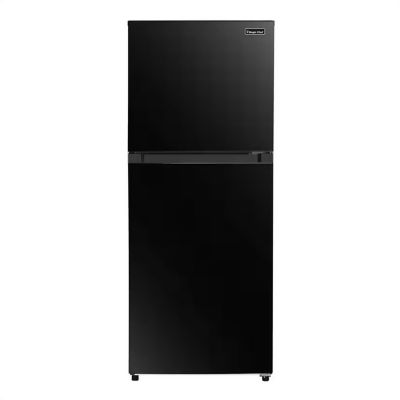
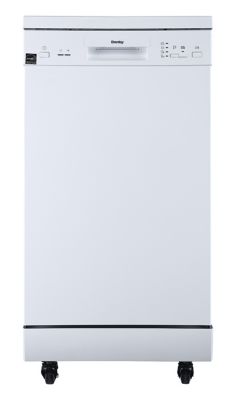
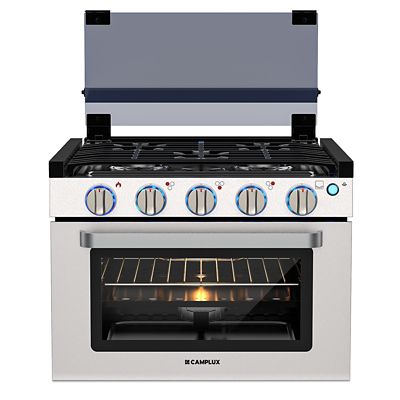
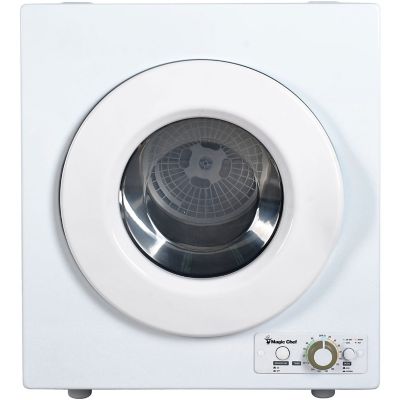
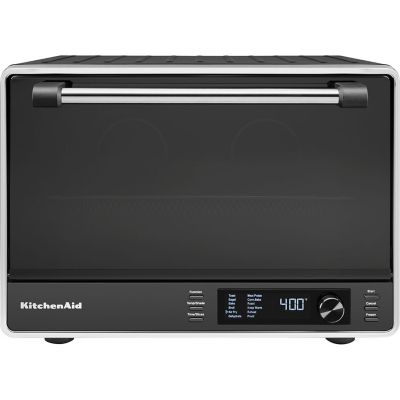
Appliances for tiny homes bring everyday cooking, food storage, laundry, and cleanup into a smaller footprint. Compact dimensions, shared functions, and connections that match the home’s utilities matter as much as capacity. A small appliance still needs enough working room to open, vent, and handle a normal day’s chores, whether that means packing lunch before heading to the barn or washing clothes after a day on the property. For someone living alone, a couple downsizing, or a household setting up a small permanent residence, the best fit depends on daily habits rather than square footage alone. A kitchen that turns out supper every night has different needs from one mainly handling coffee, breakfast, and leftovers. Compact refrigeration can leave more room for cabinets, while countertop cooking appliances can keep meal preparation within a short reach of the sink and work surface. Combination appliances bring more than one function into the same space, though those functions may share capacity or require separate operating cycles. Related options in
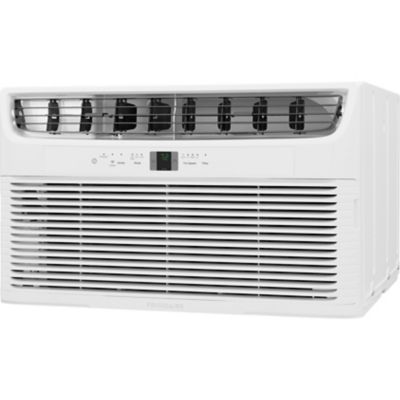
Space Saving Appliances can also suit narrow kitchens, small laundry areas, and rooms where every clear stretch of counter matters. Appliance fit includes the full installation footprint, not just the width printed in the specifications. Handles, hoses, plugs, ventilation gaps, and open doors all take up room. A refrigerator door that clears a cabinet but blocks the only walkway can make an otherwise tidy layout awkward. Likewise, a top-opening appliance needs room beneath shelves, while a front-opening design needs clear floor space ahead of it. In a tiny home, those small differences affect how comfortably two people can move around each other. Weight also matters, especially in a home built on a trailer, where appliance placement and total loaded weight belong in the broader layout plan. Compact appliances work best when their dimensions support the way the space actually functions, without turning a doorway, dining spot, or stretch of prep counter into a permanent obstacle.
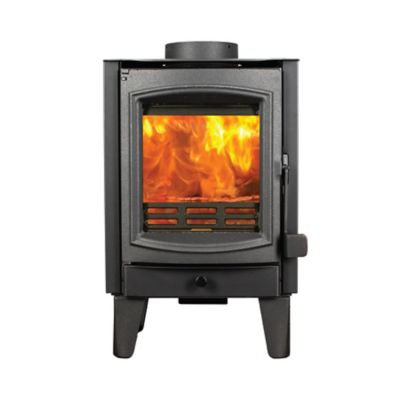
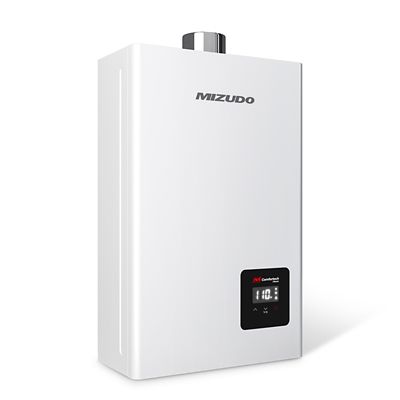
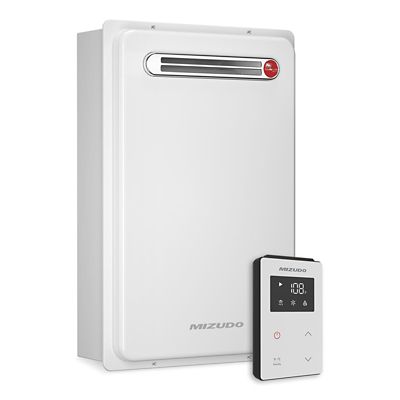
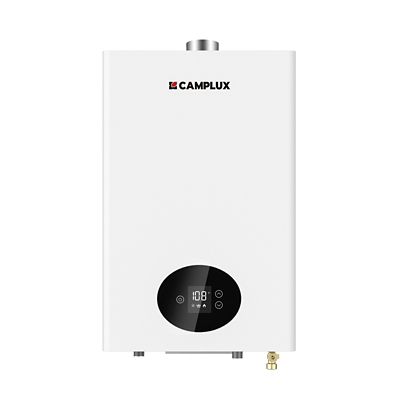
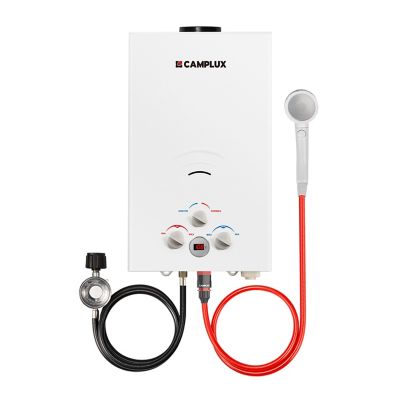
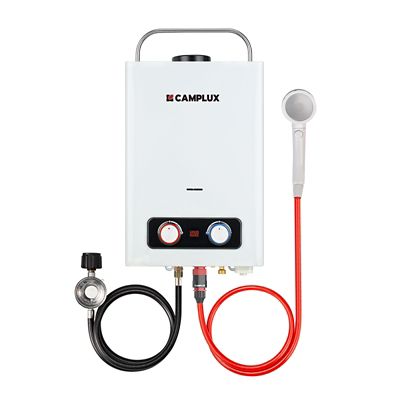
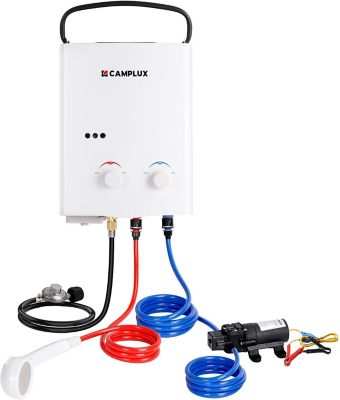
Power and utility requirements are another big part of choosing appliances for a tiny home. A smaller cabinet does not automatically mean a smaller electrical demand. Heating elements and motors can draw substantial power, and motor startup can briefly require more than normal operation. Electrical ratings, circuit requirements, and manufacturer installation directions help establish whether an appliance suits the home’s service. In a small kitchen, running several high-draw appliances together may exceed a circuit’s capacity even when each appliance works on its own. Homes connected to standard utilities have different constraints from homes operating on batteries, solar equipment, or a generator. For an off-grid setup, daily energy consumption, startup demand, inverter capacity, and the time an appliance runs all affect the load on the system. An appliance is not suitable for off-grid living simply because it is compact; its requirements have to match the power system supporting it. Refrigeration deserves particular attention because it cycles throughout the day rather than operating only during a meal or chore. Cooking appliances may run for shorter stretches but demand more power while working. Water connections are just as important for compact laundry and dishwashing equipment. Supply pressure, drainage arrangements, hose routing, and access to shutoff valves all influence installation. Where a home has a limited water supply or wastewater storage, water consumption per cycle becomes part of the decision, too. Laundry capacity should suit the loads a household actually produces, including work shirts, towels, and bedding, rather than simply fitting the smallest opening. Combination washing and drying equipment can reduce the number of separate cabinets, but cycle length and drying capacity still shape the routine. Ventless designs avoid an exterior dryer exhaust connection, though they still have electrical, drainage, ventilation, or maintenance requirements that vary by design. Fuel-burning appliances need the specified fuel supply, clearances, and ventilation, with installation handled by a qualified professional when required. Equipment intended only for outdoor operation does not belong inside a tiny home.
Materials and upkeep matter more when appliances sit close to cooking, eating, and living areas. Stainless steel, coated metal, glass, and molded components each have their own cleaning needs, and the finish should stand up to the kind of handling the household gives it. Smooth surfaces and accessible corners make splashes and crumbs easier to wipe away before they settle into seams. Removable trays, washable filters, and reachable seals can simplify regular care, provided those parts are cleaned according to the manufacturer’s directions. Abrasive pads and harsh cleaners can scratch or damage some finishes, so a surface that looks easy to clean still needs the right treatment. Doors, hinges, controls, and shelves also deserve attention because they handle repeated opening, loading, and adjustment in a tight space. Sturdy construction and accessible service parts can help support a long working life, while room to reach connections makes maintenance less of a wrestling match. Noise is another practical consideration when the kitchen, sleeping area, and sitting space share one room. Compressor cycling, fans, and spin cycles can carry across a small home, particularly when an appliance sits near the bed or a work desk. Manufacturer sound ratings, when provided, offer a better comparison than size alone. Everyday convenience comes from details such as readable controls, a comfortable loading height, and storage that keeps frequently reached-for food or cookware within easy reach. A household that cooks from scratch may value usable prep space more than an extra cooking function, while someone away most of the day may care more about straightforward cleanup. For a movable tiny home, appliances also need appropriate mounting and transport preparation according to the appliance maker and home builder. Across these layouts, appliances for tiny homes serve the same familiar jobs as their larger counterparts. The difference is how closely their footprint, capacity, connections, and care requirements must fit the space and the people living in it.