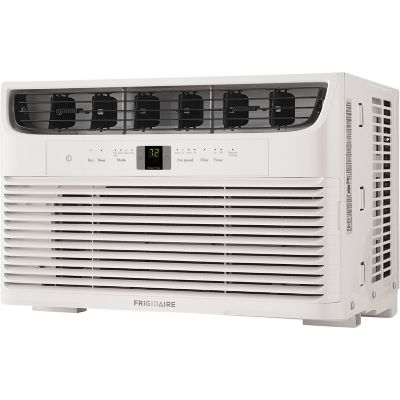
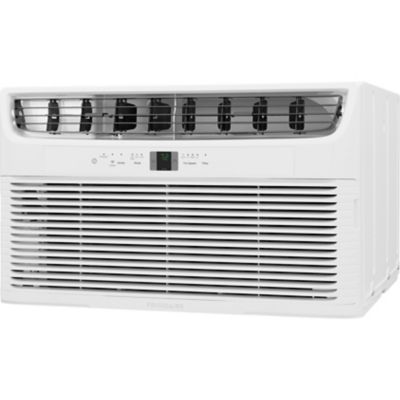
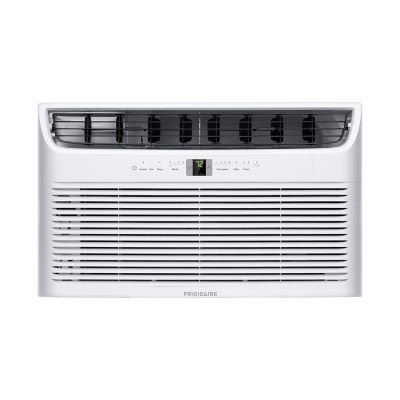
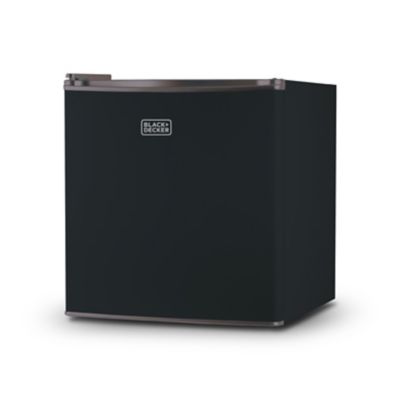
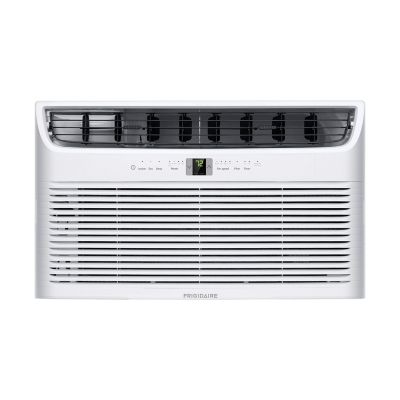
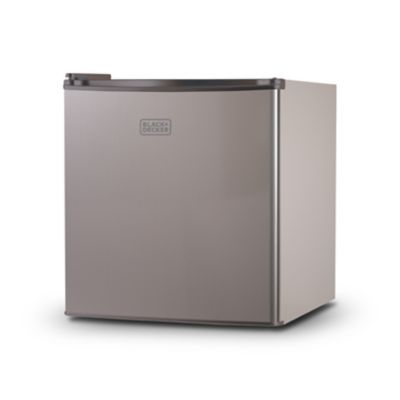
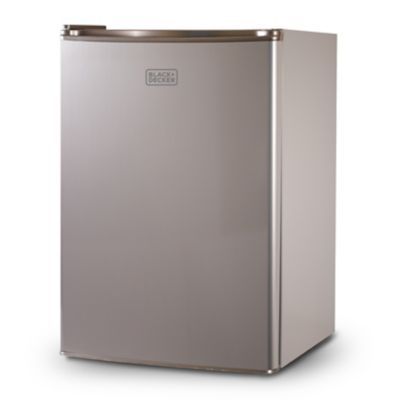
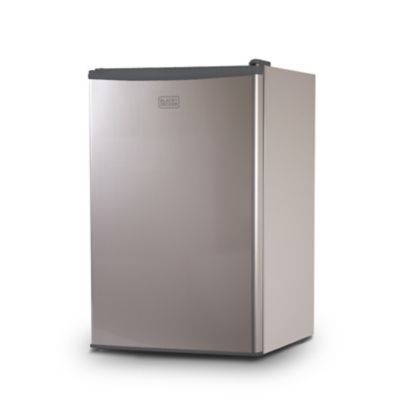
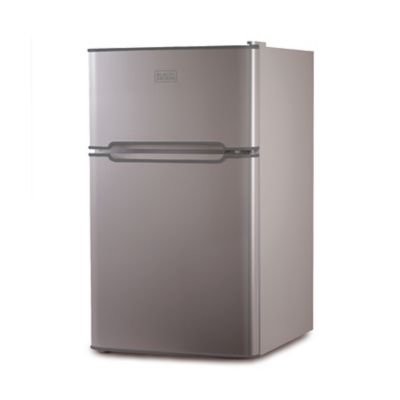
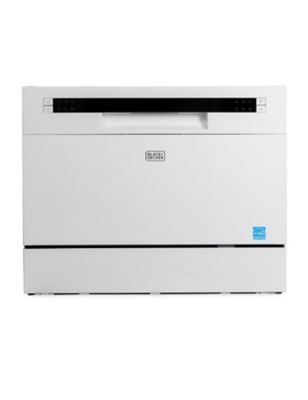
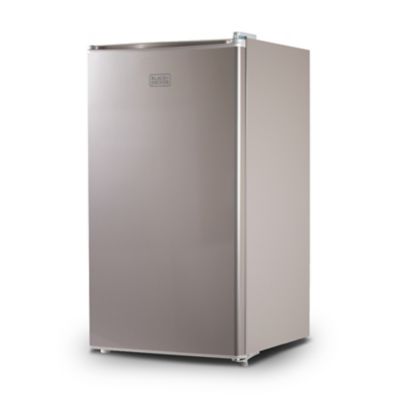
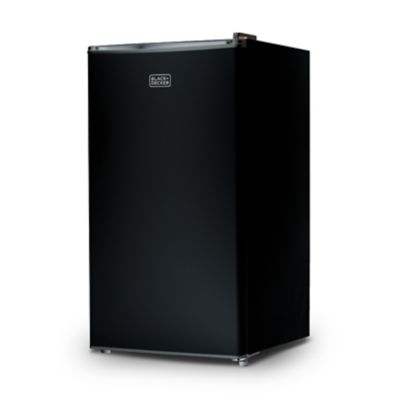
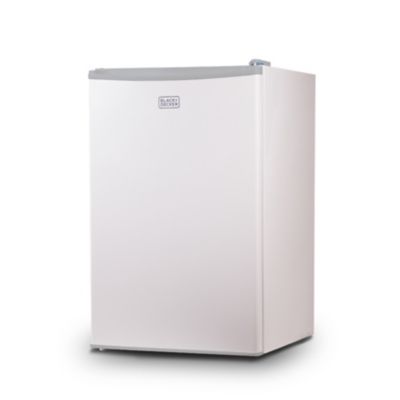
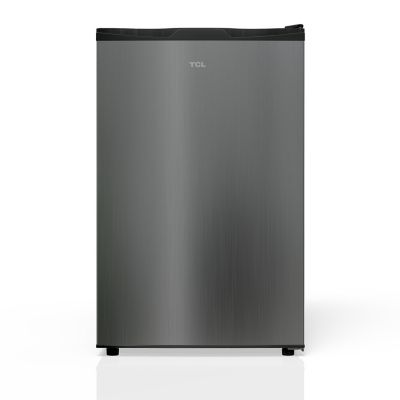
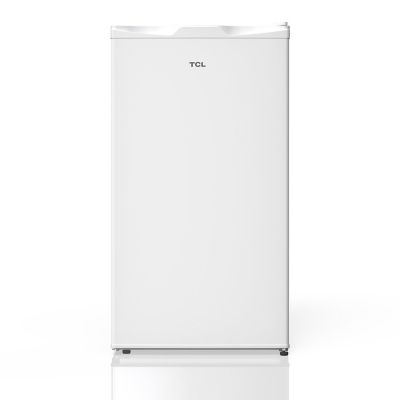
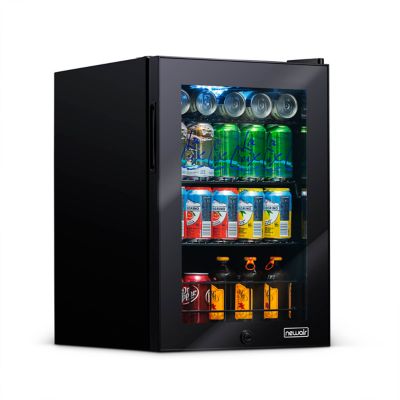
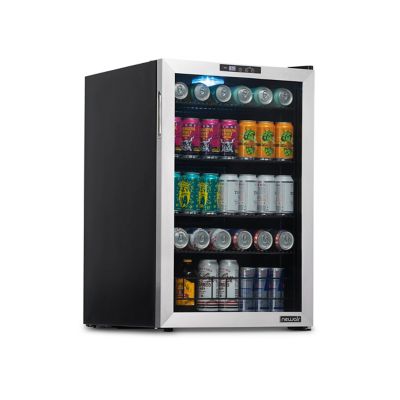
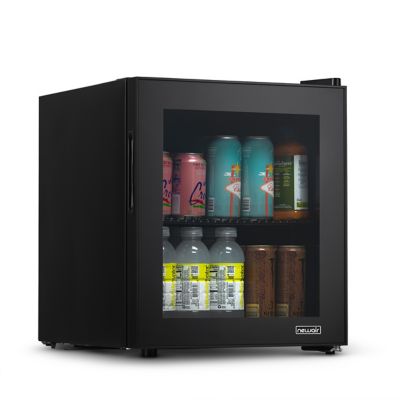
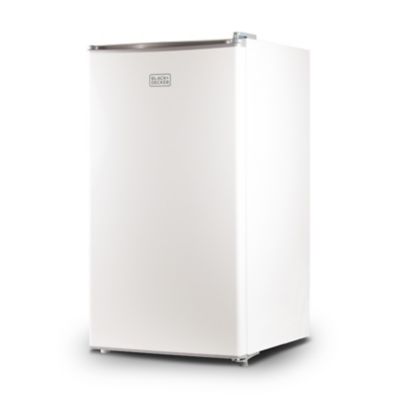
Appliances for apartments are compact or space-conscious household machines that handle cooking, food storage, cleaning, and laundry without taking over a smaller home. The right fit depends on usable capacity, room dimensions, door clearance, and the electrical, water, or vent connections the space provides—not just the size printed on the carton. A narrow refrigerator may fit beside a kitchen doorway, but its door still needs room to swing open far enough for drawers and shelves to slide out. Apartment-size refrigerators often measure around 24 inches wide, and some offer roughly 10 to 14 cubic feet of storage; dimensions and capacity vary by model. That smaller footprint can leave more walking room while keeping groceries close at hand. Interior layout matters just as much as the outside measurements. Adjustable shelves make room for a tall milk jug, door bins help keep condiments within reach, and a separate freezer compartment gives frozen meals and vegetables a place of their own. A household cooking most meals at home may need more fresh-food space than someone who mainly keeps breakfast fixings and leftovers. Compact ranges commonly come in 20- to 24-inch widths, while slim dishwashers are often about 18 inches wide rather than the more common 24 inches. Those measurements describe appliance categories, not a promise that every narrow opening will work. Handles, hoses, leveling feet, and required clearances all affect the final fit. In a galley kitchen, even a few inches can determine whether someone can pass through while an oven or dishwasher door is open. Built-in appliances need suitable cabinet openings, and freestanding designs need the placement and airflow specified by their manufacturers. For renters furnishing a first place, couples sharing a smaller kitchen, or folks moving into a more manageable home, appliances sized around everyday routines can make a tight layout feel less crowded without giving up the functions that matter.
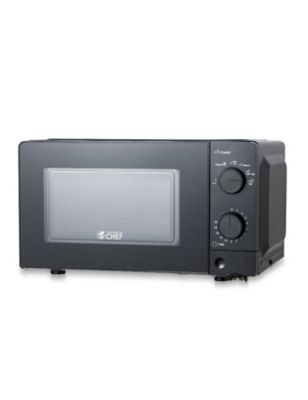
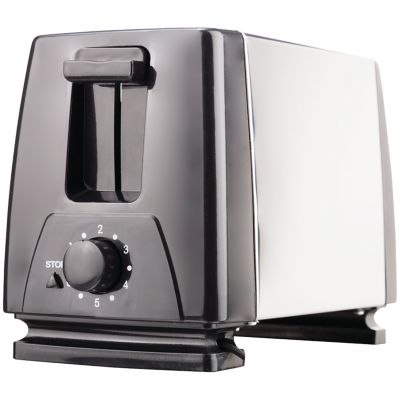
Countertop appliances bring another kind of flexibility to apartment kitchens, especially where a single stretch of counter has to cover meal prep, cooking, and cleanup. Compact microwaves handle reheating and everyday meals, while toaster ovens offer baking, toasting, and browning in a smaller cooking chamber. Slow cookers suit meals that simmer over several hours, and air fryers circulate hot air for crisping smaller portions. Appliances with several cooking functions can reduce the number of separate machines competing for a spot, though cooking capacity still needs to match the household. A small basket might suit supper for one but require several batches for two hungry adults. Interior dimensions also matter: an appliance’s outer footprint does not reveal whether a dinner plate, casserole dish, or favorite baking pan will fit inside. Practical details such as readable controls, comfortable handles, removable trays, and a clear view of the cooking area make a difference during a busy evening. Stainless steel, coated metal, glass, and molded plastic each have a place in appliance construction, with care needs that depend on the finish and the manufacturer’s directions. Smooth surfaces are generally easier to wipe down, while removable crumb trays and accessible corners help keep food buildup from becoming a chore. Dishwasher-safe parts can simplify cleanup, but electrical bases and other components need the cleaning method listed in the manual. Countertop placement matters, too. Cooking appliances need a steady, heat-resistant surface and the specified space around vents, rather than a crowded shelf or a closed cabinet. Cord length and outlet location should suit the intended setup without relying on power strips or extension cords where the manufacturer prohibits them. In a small kitchen, an appliance that gets regular use earns its footprint more readily than one that spends most of its time blocking the cutting board. Simple controls and manageable weight can also help when a machine needs to move between a suitable storage spot and its operating space.
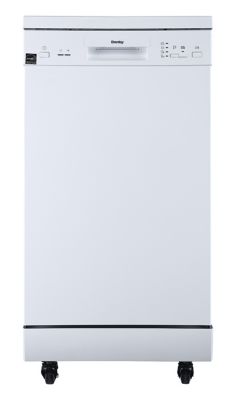
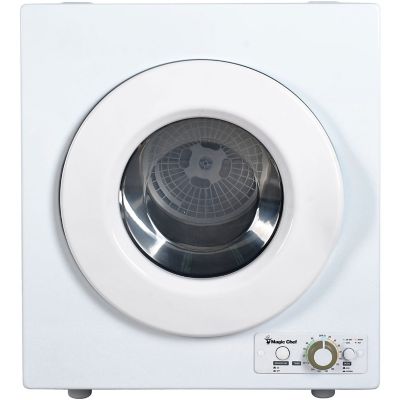
Apartment laundry and dish care call for the same attention to space, connections, and daily workload. Compact washers, compatible stacked laundry pairs, and all-in-one washer-dryer combinations offer different ways to handle clothing where a separate laundry room is out of the question. Stacking saves floor space only when the appliances are designed to work together and secured with the specified stacking hardware. Combination machines wash and dry in one drum, but their drying capacity may be smaller than their washing capacity, and cycle lengths vary. That distinction matters when work jeans, towels, and bedding all need a turn. Vented dryers need an approved exhaust route outdoors, while ventless designs have their own drainage, clearance, and installation requirements. Compact does not automatically mean an appliance plugs into an ordinary household outlet; voltage, circuit requirements, plumbing, and any gas connection must match the space. Rental agreements and building rules may also limit added laundry equipment, portable dishwashers, or installation changes. A portable dishwasher can be practical where permanent installation is not permitted, provided its faucet connection, drain arrangement, and storage position suit the kitchen. Noise deserves attention in an apartment, particularly when a laundry nook shares a wall with the bedroom or a dishwasher runs beside the sitting area. Published sound ratings, proper leveling, and the recommended floor support can help set expectations, though room surfaces and installation affect what someone hears. Everyday care supports long service life: refrigerator seals need gentle cleaning, dishwasher filters need attention, washer hoses need inspection, and dryer lint screens need clearing as directed. Access to filters, drains, and service panels should remain open after installation. The broader
Home Appliances category covers these everyday household needs, while apartment-focused choices put extra weight on footprint, useful capacity, and straightforward care. With those details matched to the home, a smaller appliance can still pull its weight through packed lunches, supper dishes, and the next load of work clothes.