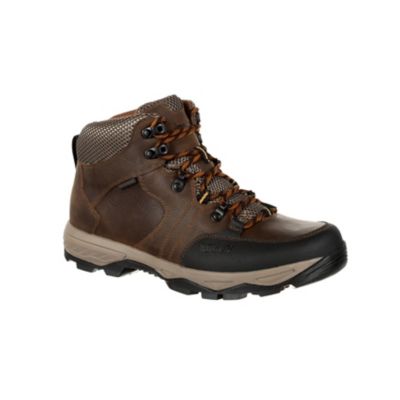
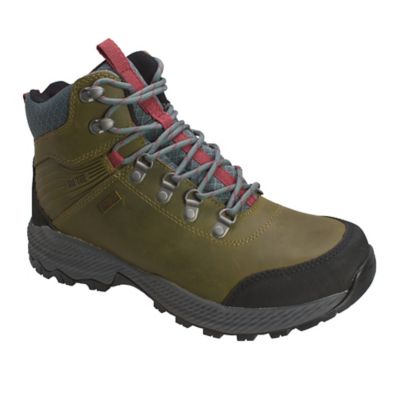
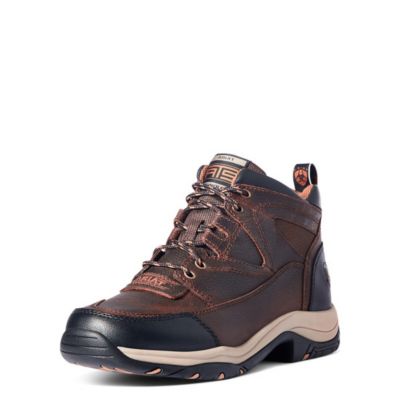
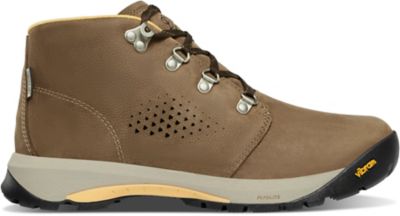
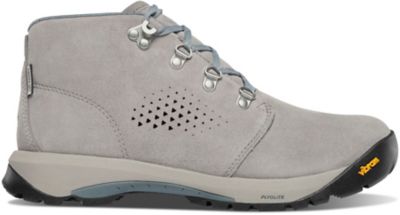
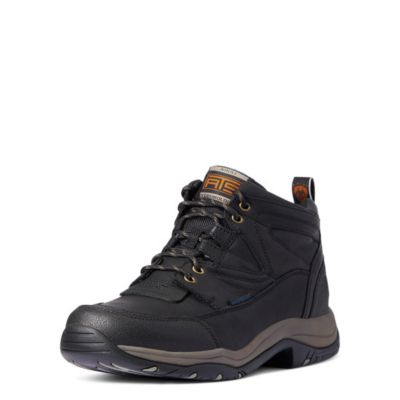
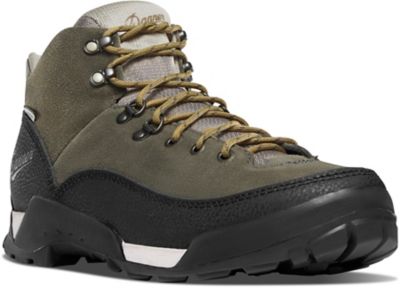
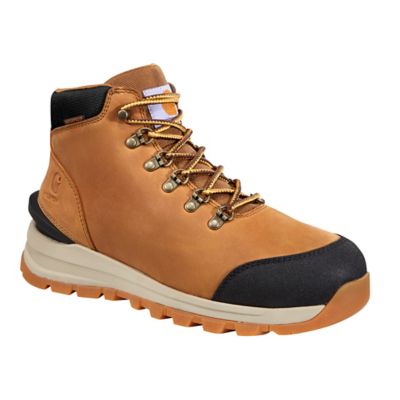
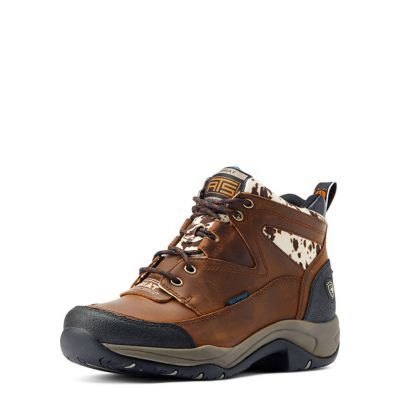
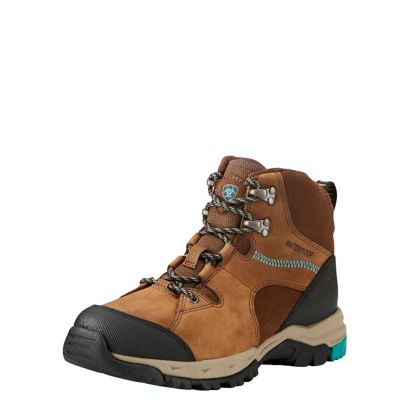
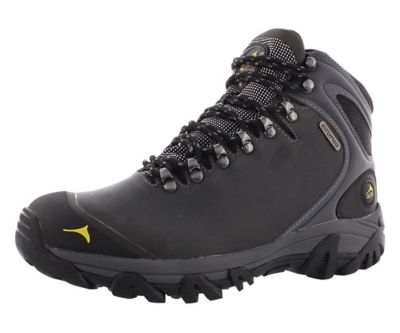
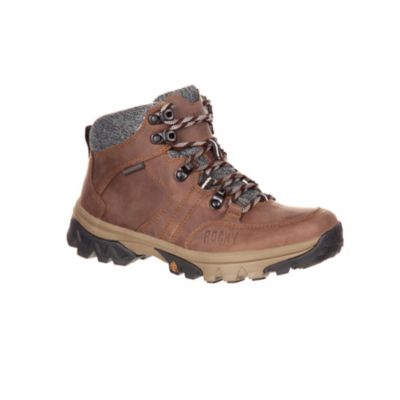
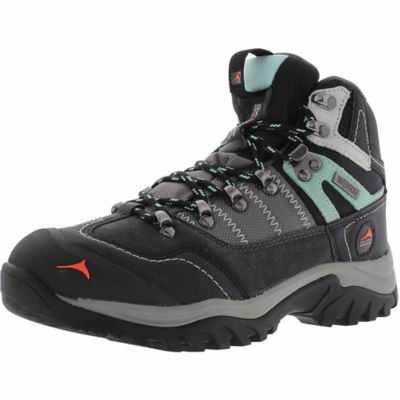
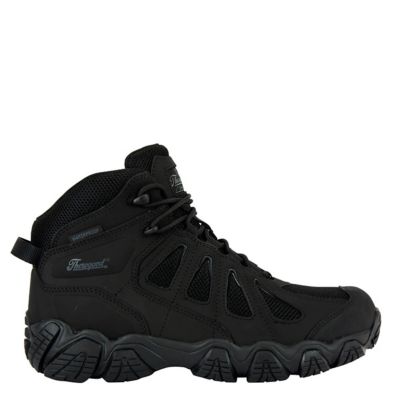
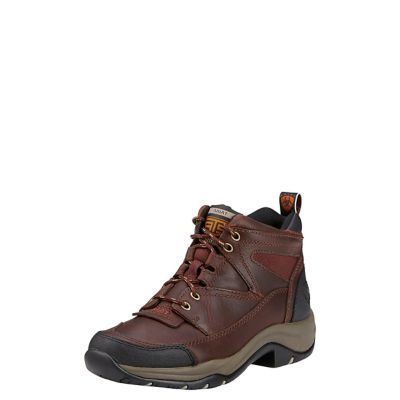
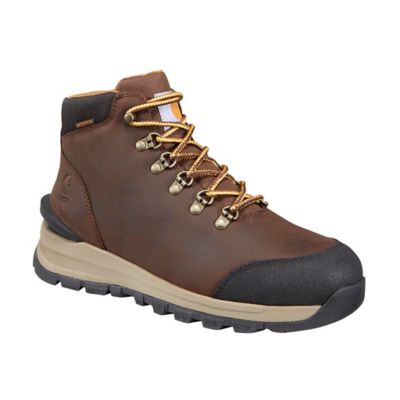
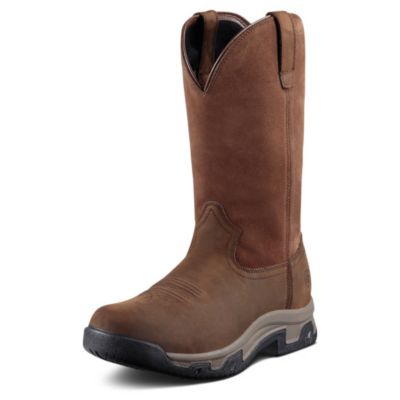
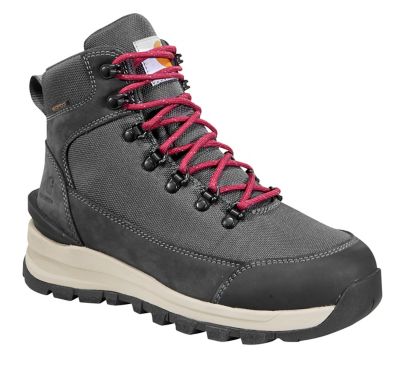
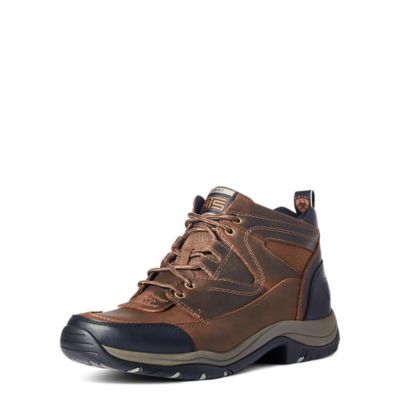
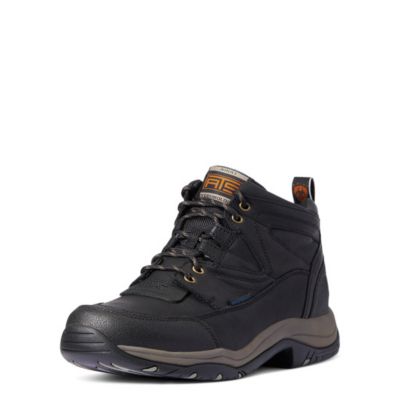
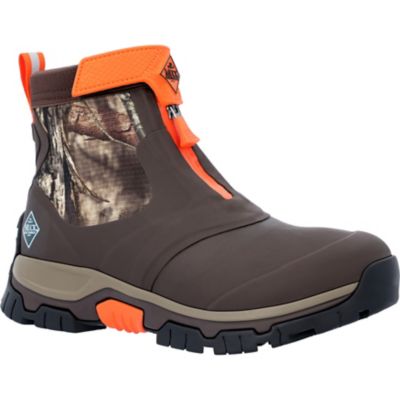
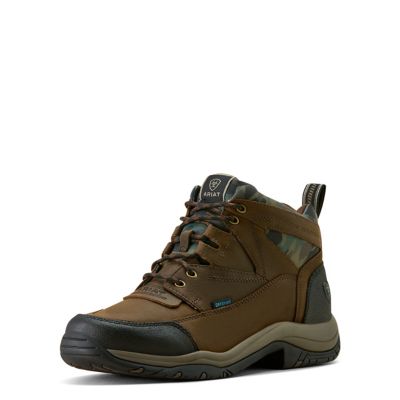
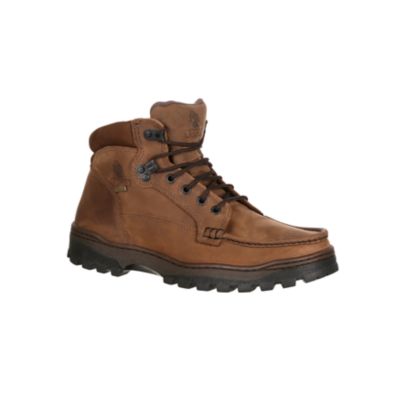
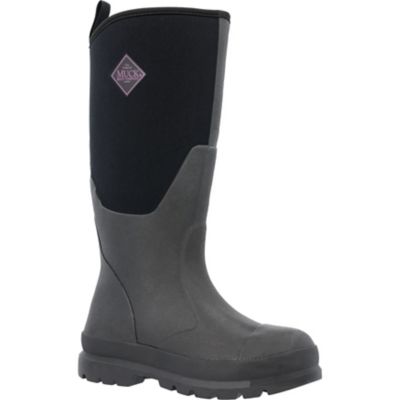
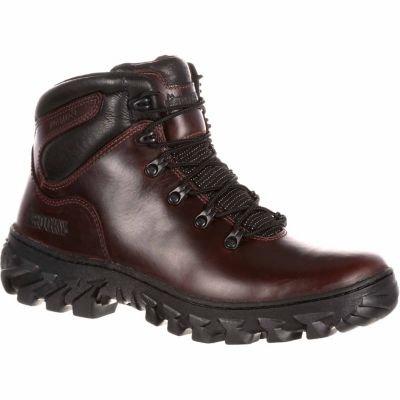
Hiking boots for everyday wear bring trail-minded features to the stretches of walking that fill an ordinary day, from a gravel driveway and a trip into town to an easy path along the edge of the property. A pair suited to that mix usually balances manageable weight, underfoot cushioning, and traction without the stiffness of a boot meant for carrying a heavy pack over rough ground. Rubber outsoles with moderately spaced lugs can make sense for days that move between packed dirt, gravel, and pavement. Deep, widely spaced tread has its place on loose ground, but it can feel more pronounced underfoot on sidewalks; a less aggressive tread pattern often makes that transition smoother. Grip also depends on the rubber compound and the surface, so tread depth alone does not tell the whole story. A slightly curved forefoot can help the sole roll through a walking stride, while enough flexibility near the ball of the foot keeps the boot from feeling like a block with every step. Upper materials affect the feel just as much. Full-grain leather offers structure and resistance to abrasion, though it may take longer to soften around the foot. Suede and leather-and-mesh combinations bring a different balance of support, airflow, and weight. Synthetic uppers often feel lighter and need less break-in, making them worth considering for frequent short walks and errands. Reinforced toe areas help protect the upper from scuffs against stones, steps, and uneven ground, but those reinforcements are not the same as a rated safety toe. Waterproof membranes are another construction choice, adding a barrier against outside moisture while potentially allowing less airflow than a comparable boot without one. For everyday comfort, the complete build matters more than any single feature: a substantial outsole can pair with a lighter upper, and a leather boot can still feel flexible enough for the walk from the truck to the feed store.
Fit is what turns those features into footwear that feels right beyond the first few steps. Everyday hiking boots should hold the heel securely without squeezing it, leave room for the toes to spread, and avoid pressure across the top of the foot. A little space ahead of the longest toe matters when walking down a slope or stepping off a curb, since the foot can move forward inside the boot. Too much extra length, however, can leave the heel lifting and the foot sliding with each stride. Width deserves just as much attention as length, especially for feet that feel crowded around the forefoot. Sizing systems and boot shapes vary, so the number on the box is only a starting point. Trying both boots with the socks normally worn for walking gives a better sense of the fit, and walking on a firm surface helps reveal rubbing that standing still might miss. Cushioned socks can soften contact around the heel and collar, but thick socks should not be needed to fill an oversized boot. A padded mid-height collar wraps around the ankle and helps keep small bits of grit out, while a lower collar leaves more freedom of movement. Collar height alone does not establish how much support a boot provides; the heel structure, midsole, and overall fit contribute to that feel. Foam midsoles cushion repeated steps, while firmer sections beneath the arch can make uneven ground feel less noticeable. Very soft cushioning is not automatically the best match for every walker, particularly when a steadier platform feels better across gravel or sloped paths. Removable footbeds make room for compatible replacement insoles, provided they do not crowd the toes or push the heel too high in the boot. Lacing also gives some room to adjust tension across the instep without overtightening the forefoot. For anyone who prefers more freedom around the ankle, the
Shoes For Hiking page provides a lower-cut alternative to consider alongside boots.
Everyday wear asks a hiking boot to handle a different routine than an occasional trail outing. Frequent contact with pavement puts steady wear on the outsole, and repeated bending can show up at the forefoot, seams, and places where the upper meets the sole. Strong stitching, reinforced high-contact areas, and an outsole suited to mixed surfaces are useful details for that kind of routine. Heavier construction is not always necessary for a morning dog walk, a lap around the property, or an afternoon spent moving between errands. On the other hand, a very light, flexible boot may not provide the structure someone wants for longer walks over rocky paths. The best match follows the ground covered most often, rather than the hardest hike that might happen once in a while. Hiking boots also have limits around work: they should not stand in for footwear with required toe protection, electrical-hazard ratings, or other job-specific features. Care helps preserve the materials and the way the boots fit. Brushing off loose dirt keeps grit from collecting around seams and lace hardware, and wiping away residue before it settles into the upper makes later cleaning easier. Leather, suede, and textile panels need different treatments, so cleaning and conditioning products should match the material and the maker’s directions. Smooth leather may benefit from suitable conditioner, while suede generally calls for a brush and treatments intended for its surface. Letting boots air-dry away from direct heat helps protect adhesives and keeps leather from becoming stiff. Removing the footbeds when appropriate also gives the inside a chance to dry after a long day of walking. Worn laces and flattened insoles are worth checking, along with tread that has become smooth in high-contact spots. For a gift, the recipient’s regular routes, preferred boot height, and familiar fit matter more than looks alone. A practical pair can suit someone who enjoys walking back roads, taking the dog along a trail, or keeping comfortable footwear by the door for everyday trips around the place.