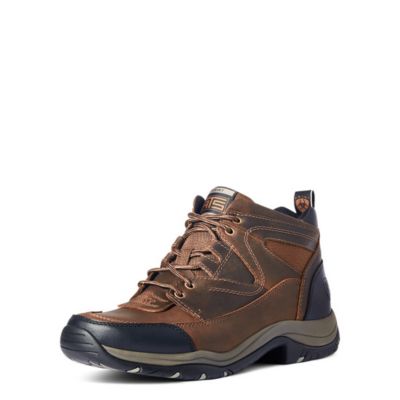
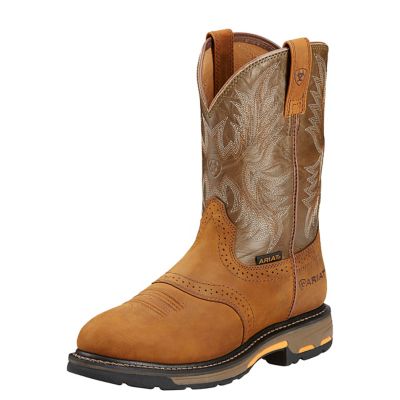
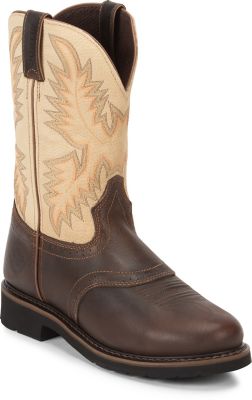
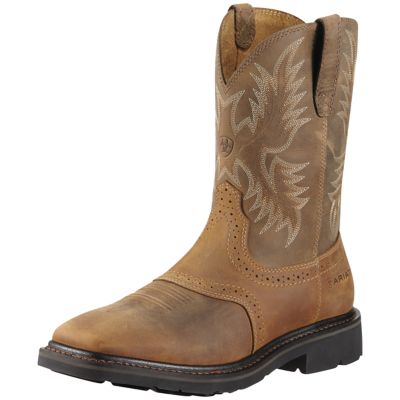
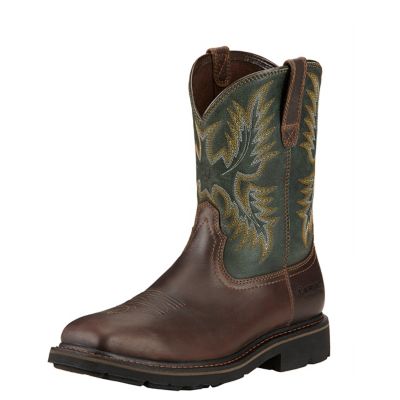
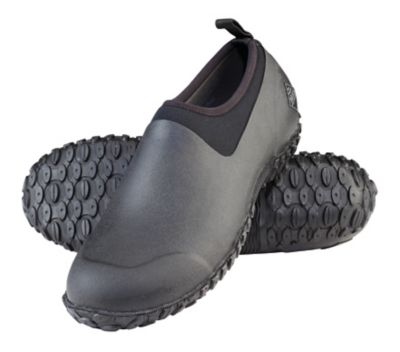
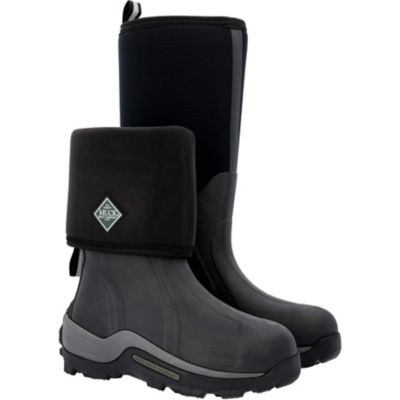
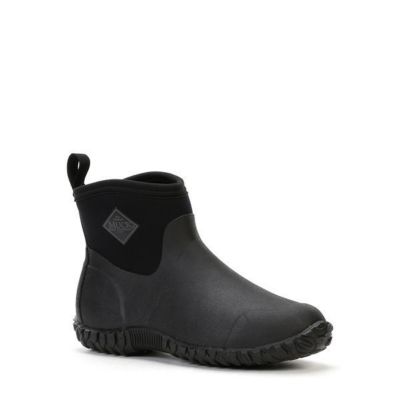
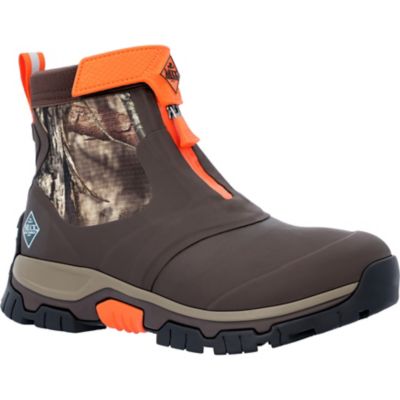
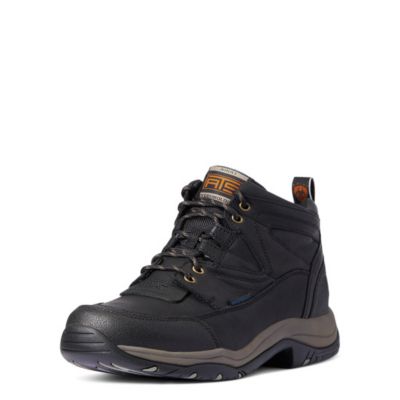
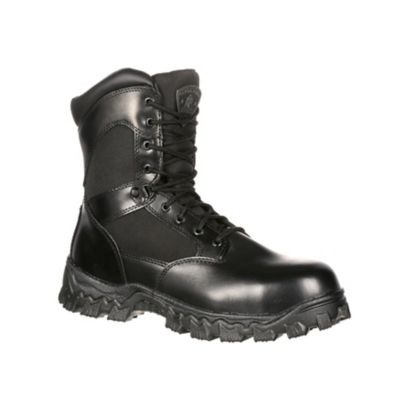
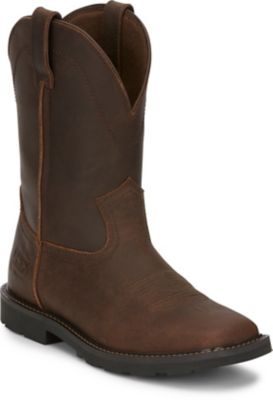
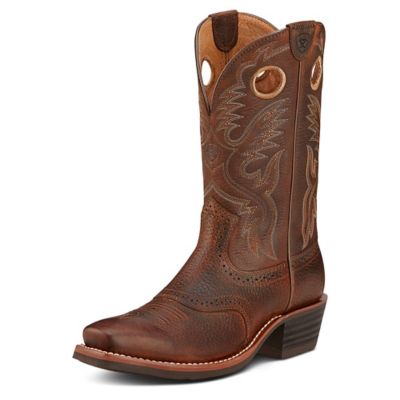
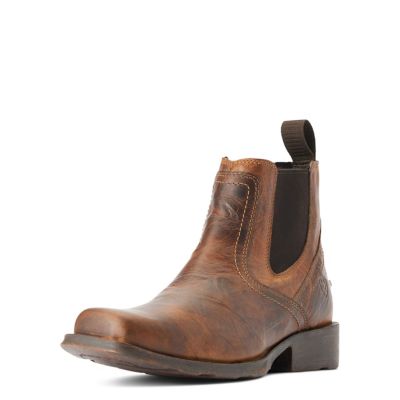
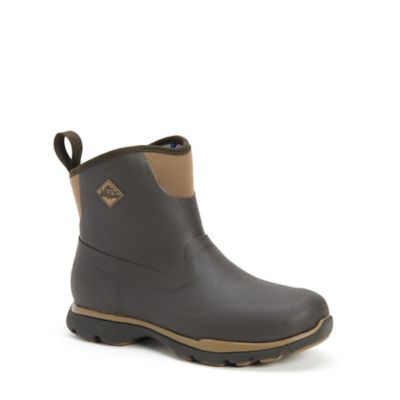
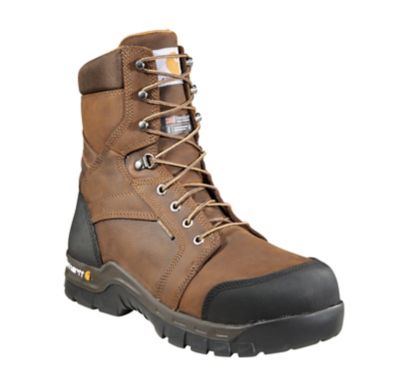
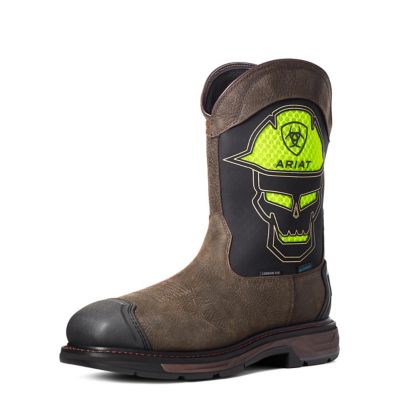
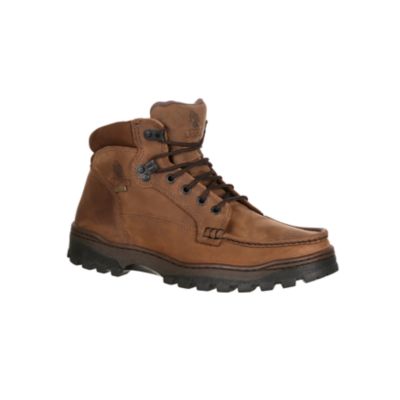
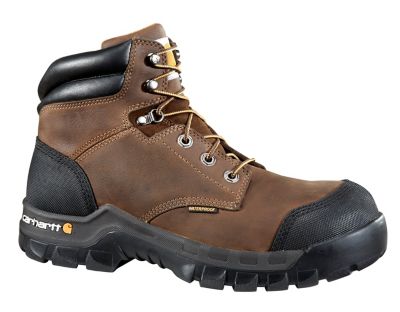
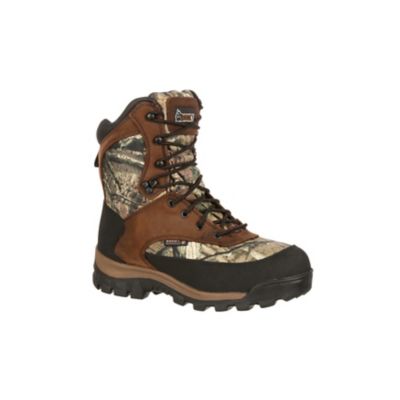
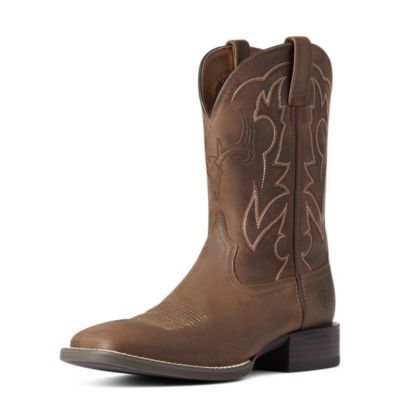
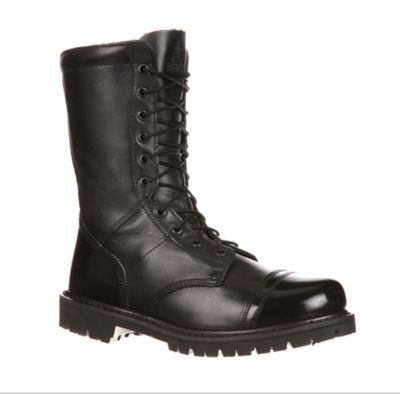
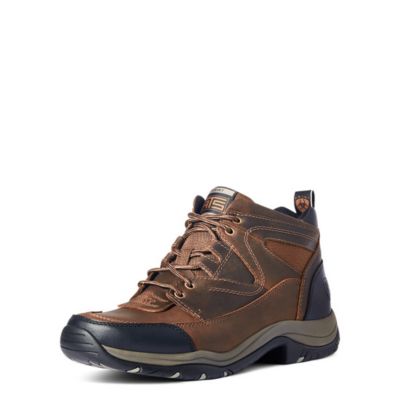
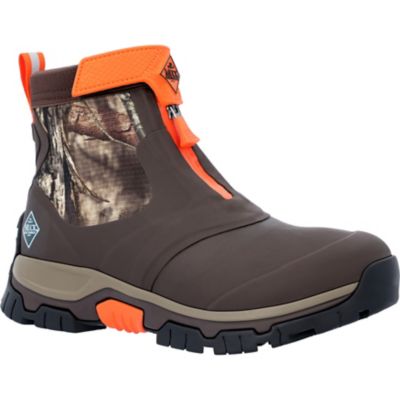
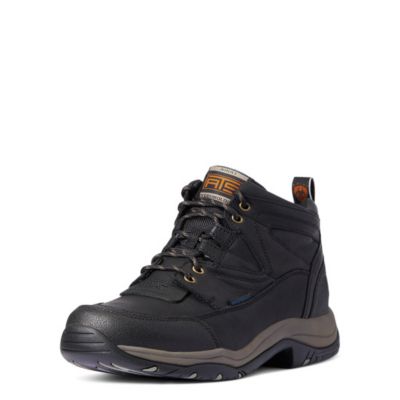
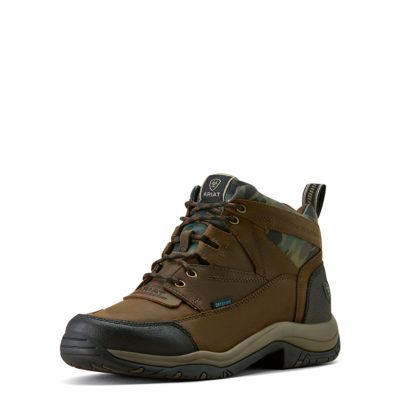
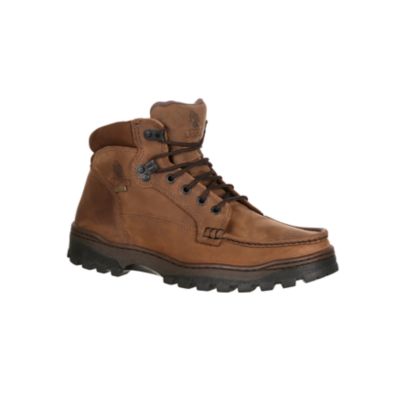
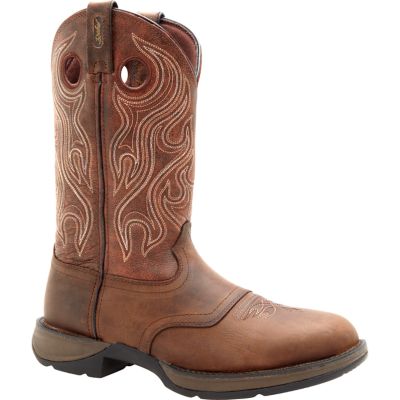
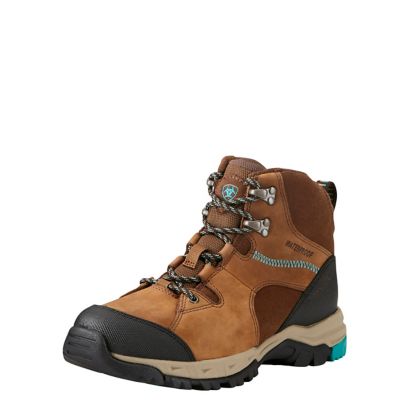
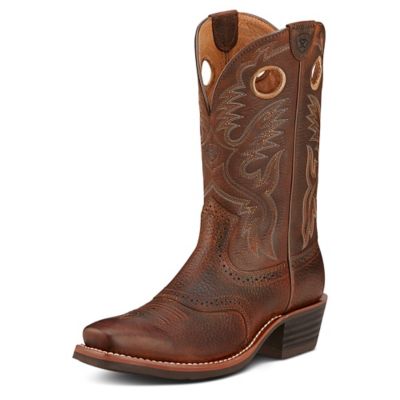
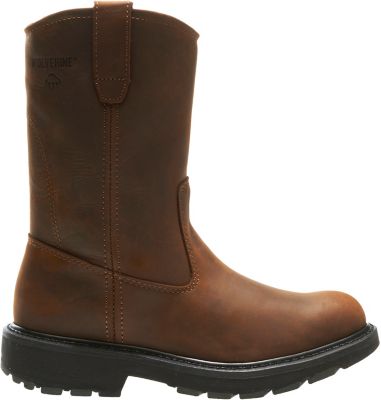
Men’s boots with ankle support are made for steady footing, everyday protection and the kind of dependable comfort that earns a place by the back door. They can be a practical choice for farm chores, job sites, hiking trails, hunting trips, yard work and daily wear when sneakers do not offer enough coverage. A supportive boot typically rises above the ankle and uses a firm heel counter, structured upper, secure lacing or another snug closure to help keep the foot and ankle centered as you walk. That added coverage can feel especially useful when crossing uneven ground, stepping over roots or working around gravel, mud and loose boards. During the cooler months, ankle-height boots also help keep out chilly air, damp grass and light debris while giving you a more substantial sole underfoot. Look for a design that matches the way you spend your time outside. A lightweight pair may suit long days on your feet, casual outdoor work or short hikes, while a more rugged boot may be better for carrying a pack, hauling feed or handling demanding work around the property. If arch comfort is part of the fit you are looking for, you can also browse
Men's Boots With Arch Support for additional options.
Start with the fit, since even a well-built boot cannot provide useful support if it slips, pinches or rubs. Try boots on with the socks you expect to wear, leaving enough room to wiggle your toes without letting your heel lift excessively. Your toes should not press against the front when walking downhill, and the widest part of your foot should sit comfortably over the boot’s broadest point. Men who wear thicker work socks or need extra room may want to compare wide-width styles and boots with a roomier toe box. Padded collars and tongues can cushion the ankle, while adjustable laces, speed hooks, straps or a combination of closures let you fine-tune the fit around the instep and lower leg. Pay attention to the sole, too. A slip-resistant rubber outsole with a deep tread can help provide traction on wet grass, packed dirt, smooth concrete and other changing surfaces, though no tread makes a boot slip-proof. For wet chores, creek crossings and rainy days, look for waterproof materials or a waterproof construction; water-resistant leather can help with splashes, but it may not offer the same protection during long exposure to standing water. Breathable linings and moisture-managing materials can make a noticeable difference when boots are worn for hours, especially during active work. If a boot feels stiff out of the box, follow the maker’s care and break-in instructions, wearing it for shorter periods before tackling a full day of chores.
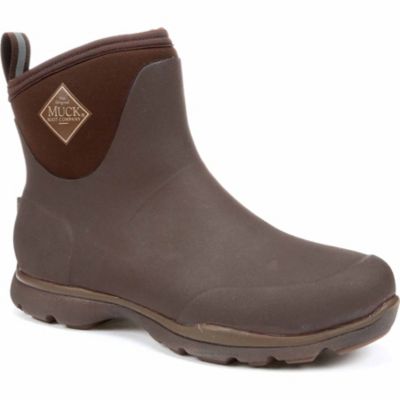
Different jobs call for different types of protection. Work boots may include reinforced toes, oil- or slip-resistant outsoles, durable leather or abrasion-resistant synthetic uppers and cushioning midsoles for long hours on hard ground. If your workplace requires toe protection, check whether a steel, composite or alloy toe meets the applicable safety standards and fits comfortably with your foot shape. Composite toes can be lighter and do not conduct temperature in the same way as steel, while steel toes are known for substantial protection; the right choice depends on the work environment and your employer’s requirements. Tactical-style ankle boots often emphasize lighter construction, flexible movement, sturdy lacing and abrasion resistance for active outdoor use. Hiking boots may provide a firmer heel hold and more structured ankle support for uneven trails, particularly when carrying a daypack or gear. Waterproof rubber and neoprene options are handy for muddy fence lines, wet leaves, kennels, gardens and other chores where a quick rinse is part of cleanup. For everyday wear, look for a balanced boot with enough structure to feel secure but enough flex for walking, driving and running errands. Men’s boots with ankle support can also make a thoughtful gift for someone who is always outdoors, from a new landowner learning the rhythm of seasonal chores to a dad who spends weekends repairing fences and tending livestock. Before gifting, check his usual size, preferred width, work requirements and favorite sock thickness. Once you find the right fit, brush off dirt after use, let damp boots dry naturally away from direct heat and condition leather as recommended to help them stay ready for the next early-morning start.