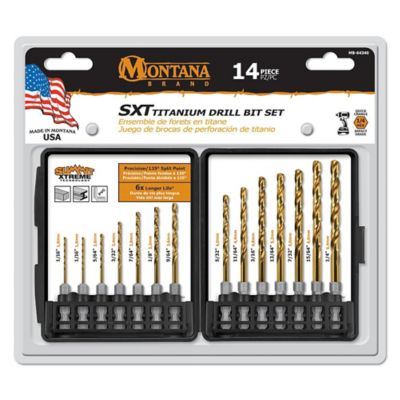
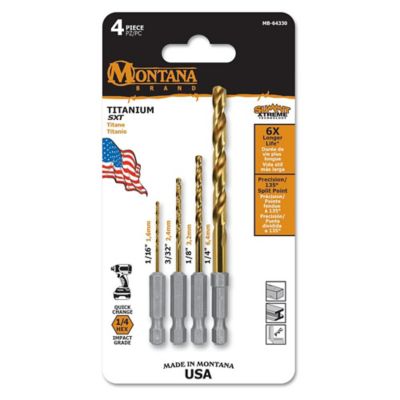
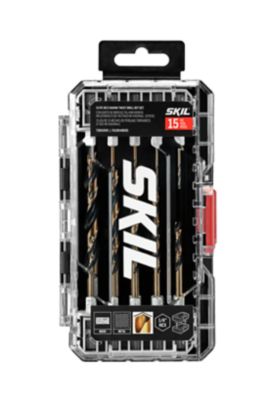
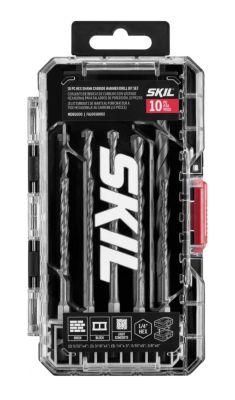
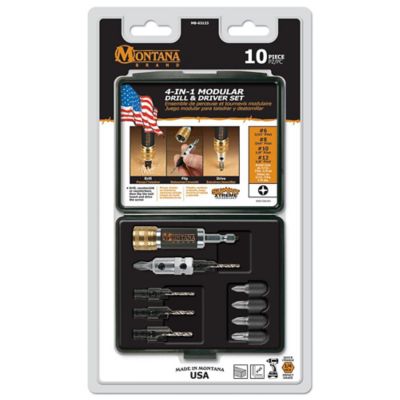
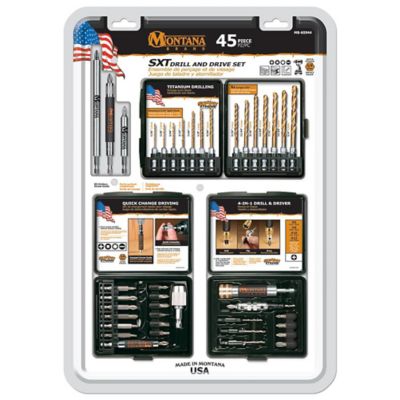
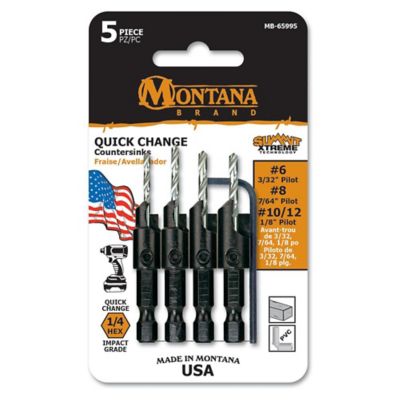
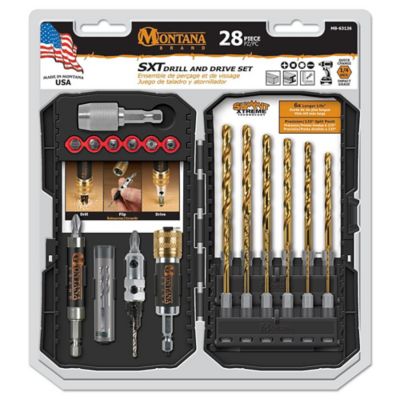
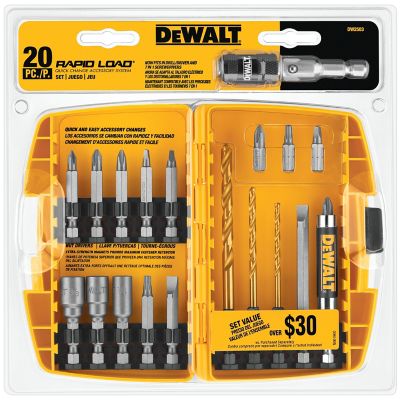
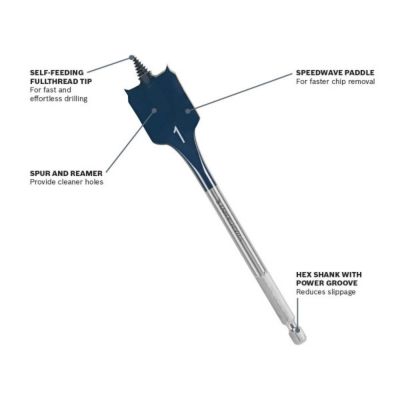
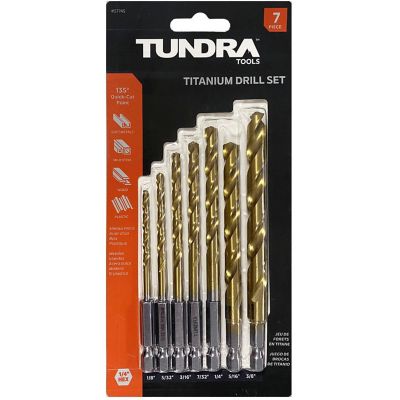
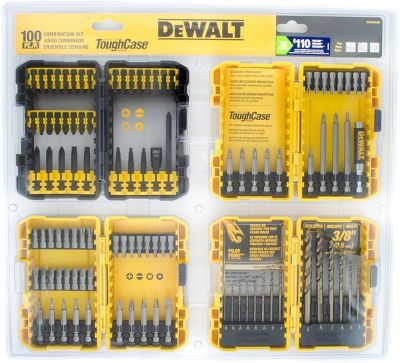
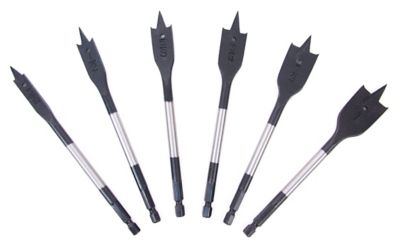
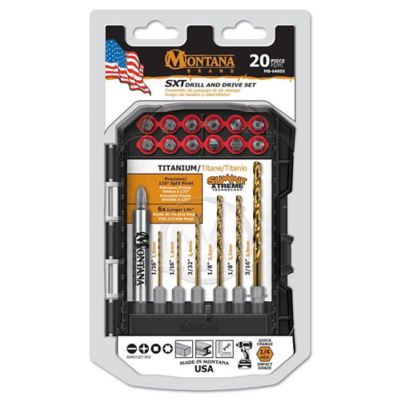
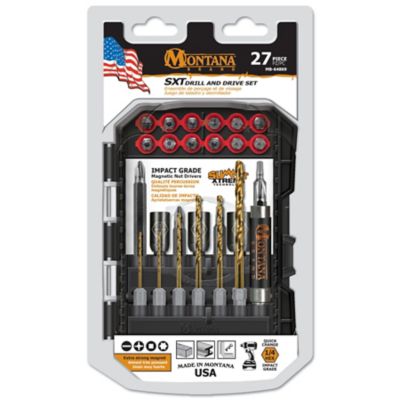
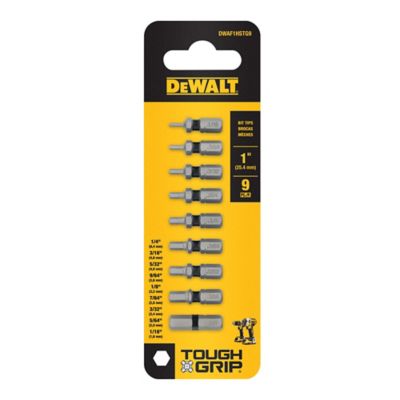
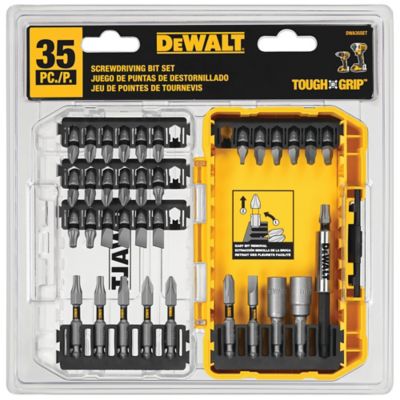
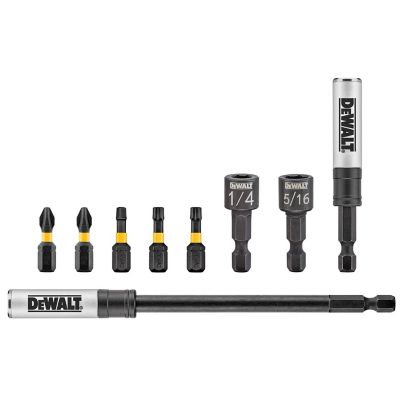
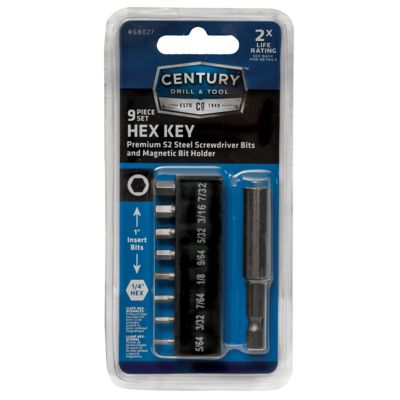
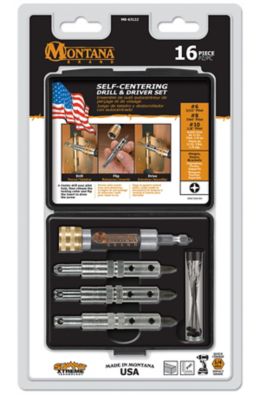
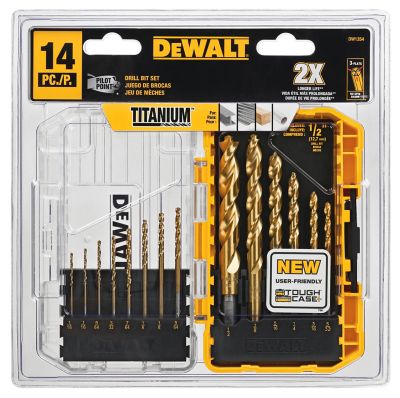
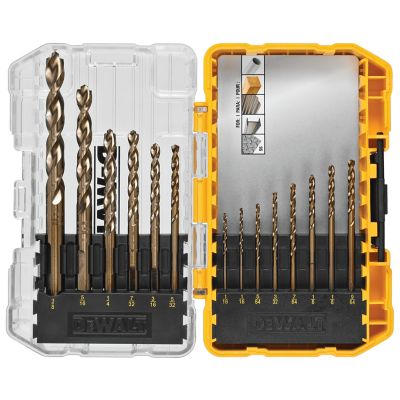
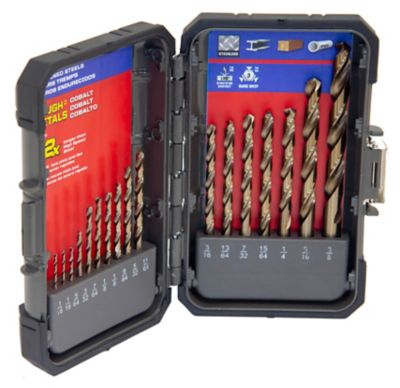
Hex shank drill bit sets bring several hole sizes together with a shank shape that makes changing bits straightforward. The shank is the end held by the tool, and its six flat sides give a compatible chuck or holder surfaces to grip. Many sets feature a 1/4-inch hex shank across different cutting diameters, so a smaller pilot bit and a larger bit can fit the same compatible quick-change holder. That common connection comes in handy when a job moves from drilling pilot holes in a gate brace to fastening hardware on a workbench. Shank size and hole size are separate measurements, though: a 1/4-inch shank does not mean every bit drills a 1/4-inch hole. Hex shanks can fit many standard three-jaw drill chucks as well as compatible quick-change holders, but the tool’s chuck capacity and retention system still matter. Impact driver compatibility takes another check. A hex shape alone does not make a drill bit impact-rated; bits intended for an impact driver need an explicit rating for that application. A drill or drill/driver with adjustable speed remains a practical choice for controlled holemaking, particularly in metal. For a homeowner hanging shop shelves, a rancher repairing a feed-room latch, or a maintenance worker fitting a bracket, the appeal is having several useful diameters together rather than hunting through loose bits. Set size matters less than the sizes inside it. Smaller increments help match pilot holes to fasteners, while a wider diameter range supports more varied repairs. Overall bit length and usable cutting length also affect reach, especially through thicker lumber or behind an obstruction. A compact bit can be easier to position in tight quarters, while a longer bit may reach farther but needs steady alignment. Those details make hex shank drill bit sets worth considering for both a bench drawer and a tool bag that travels between the house, barn, and shop.
The cutting material, point shape, and finish help determine what a hex shank drill bit can handle. High-speed steel, often shortened to HSS, is a common material for general-purpose twist bits intended for wood, many plastics, and certain metals. Shoppers comparing cutting materials can also explore
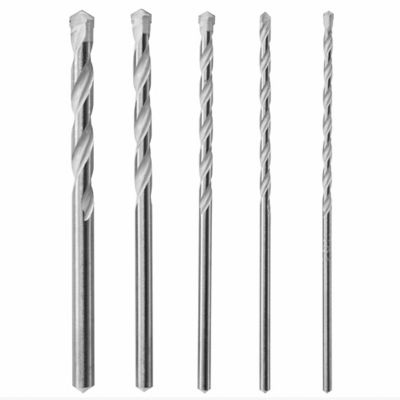
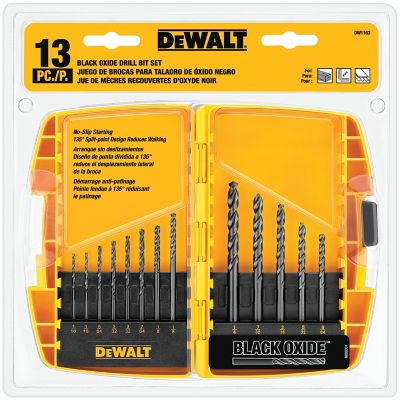
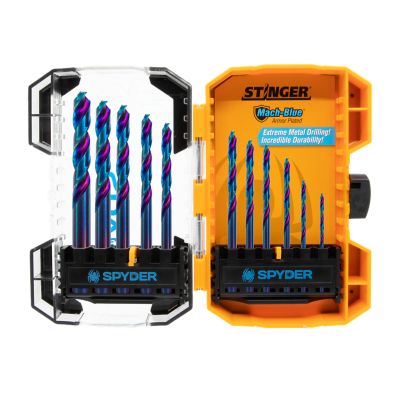
High Speed Steel Drill Bit Sets, with tool fit and the stated drilling applications remaining important for either category. Black oxide finishes can help resist corrosion and support lubrication, while titanium nitride coatings can reduce friction and surface wear under suitable working conditions. Neither finish makes a bit suitable for every material, and a coating cannot make up for a dull edge or the wrong drilling speed. Cobalt-bearing high-speed steel is another option for demanding metalwork when the bit’s specifications support the task, including certain harder steels. Ordinary general-purpose twist bits are not substitutes for masonry bits in concrete or specialty bits in tile and glass. Point geometry deserves attention, too. Some sets include 135-degree split points, which help reduce wandering as the cut starts and can reduce the pressure needed to begin drilling. That is helpful on a flat metal bracket where the hole needs to line up with existing hardware, although a center punch may still help establish the starting location. Other point styles suit different tasks, so the material rating carries more weight than appearance alone. The spiral grooves, called flutes, carry chips out of the hole; when they pack with debris, cutting becomes harder and heat builds. Drilling a pilot hole in a pine board places different demands on a bit than opening a hole through a steel strap. Wood can splinter at the exit, plastic can soften with excess friction, and metal requires speed and lubrication suited to the particular material. A backing board can support a cleaner exit in wood, while securely clamped work helps keep any loose piece from spinning. These everyday differences explain why material compatibility and cutting design matter just as much as the convenience of a quick-change shank.
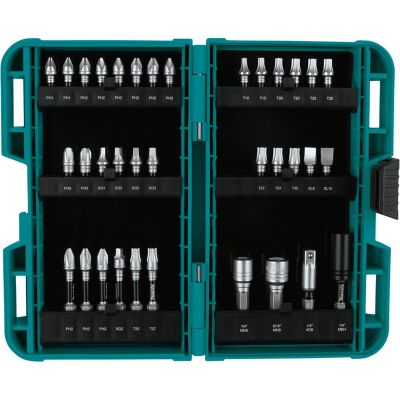
A well-matched set should make sense for the work that comes up repeatedly. Someone assembling shop storage may reach for a handful of smaller pilot-hole sizes, while equipment maintenance can call for a broader range of diameters for brackets, panels, and noncritical hardware repairs. Fractional-inch markings are convenient when matching common U.S. fastener dimensions, and clearly marked storage slots make a missing bit easier to spot before leaving the bench. A case with separate positions also keeps cutting edges from knocking together during transport. For frequent drilling, the ability to replace a worn size individually can matter more than adding seldom-needed sizes to the collection. Service life depends on handling as well as construction. Excess pressure, a sideways load, or chips trapped deep in a hole can damage even a bit matched to the material. Straight alignment, an appropriate speed, and occasional withdrawal to clear chips help the cutting edges do their work without unnecessary strain. Metal drilling may call for a suitable cutting fluid according to the bit and material recommendations; it is not a blanket requirement for every surface. Eye protection and a firmly secured workpiece belong with the setup, and loose clothing should stay clear of rotating tools. After the job, removing debris and putting bits away dry helps limit corrosion and keeps the holder from collecting grit. Any protective oil should follow the manufacturer’s care directions. A bit that repeatedly skates, leaves rough holes, or demands noticeably more pressure may need sharpening or replacement rather than a harder push. Sharpening a coated bit exposes the underlying steel at the cutting edge, so the original coating benefit does not remain everywhere. Bent shanks, cracks, and damaged retaining grooves are reasons to take a bit out of service. For a practical gift, a hex shank drill bit set makes the most sense when its connection, size range, and material ratings match the recipient’s tools and regular projects. Those same considerations help turn a collection of bits into a useful part of an everyday repair kit.