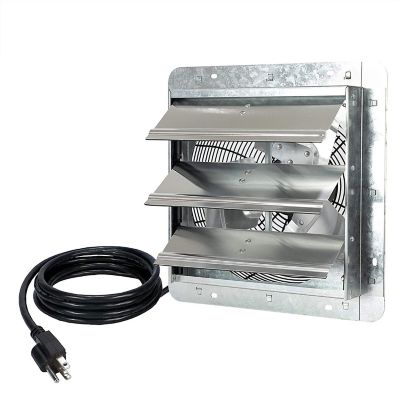
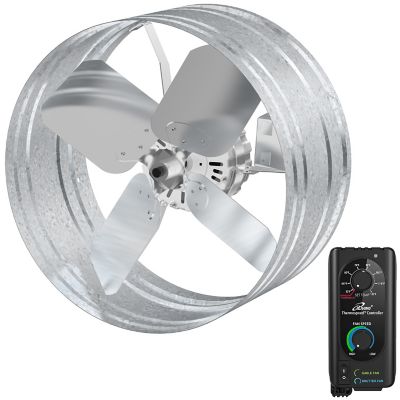
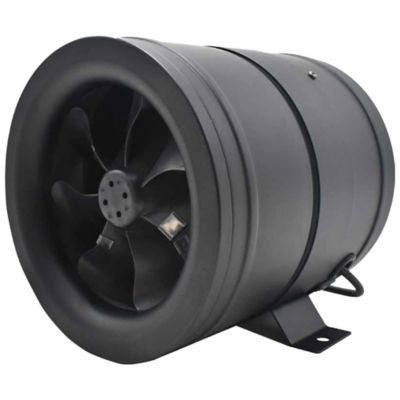
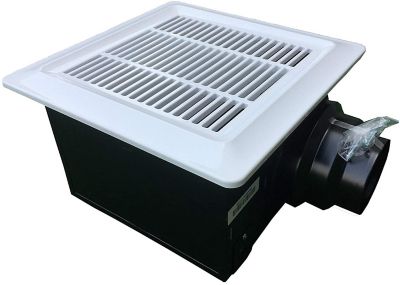
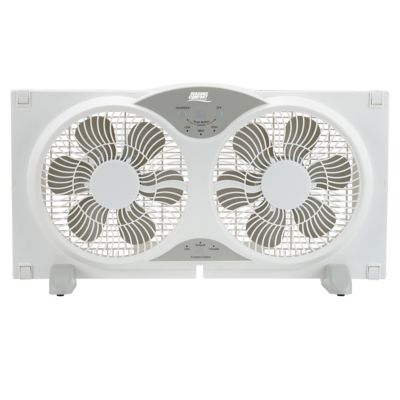
Quiet exhaust fans help move stale, damp or smoky air without filling the room with the steady mechanical hum that can make a small space feel even more cramped. They are a practical choice for bathrooms, kitchens, laundry rooms, workshops, utility rooms, enclosed porches and other areas where moisture, heat or odors need a way out. A fan with a low sone rating is designed to operate softly; one sone is often compared to the quiet hum of a refrigerator, while fans rated around 0.3 to 0.7 sones are generally considered especially quiet for everyday use. Decibel ratings may also appear in product details, with lower numbers indicating less sound, but sones are often easier to use when comparing exhaust fans. A quiet motor is only part of the story. The shape and length of the duct, the number of bends, the exterior vent cap and the way the housing is secured can all affect the sound you hear after installation. Loose panels may rattle, undersized ductwork can make air rush and whistle, and a poorly supported run may carry vibration through the ceiling or wall. For a calmer room, look for insulated housing, a balanced motor, backdraft protection and a solid mounting design that matches the space where the fan will be installed. Some quiet exhaust fans use efficient DC or electronically commutated motors, which can provide steady airflow with less energy use and smoother operation. Energy-efficient choices can be helpful in rooms where the fan runs often, such as a busy family bathroom, mudroom or laundry area. A timer, humidity sensor or motion control may also help the fan run only as long as needed, though the control style should fit your wiring and daily routine. A fan used after a steamy shower may benefit from humidity sensing, while a kitchen or workshop fan may be better suited to a straightforward wall switch or timed control.
Airflow is just as important as quiet operation. CFM, or cubic feet per minute, tells you how much air a fan can move. A fan that is too small may run for a long time without clearing moisture or odors, while an oversized fan may use more energy or create unnecessary air movement and noise. For a standard bathroom, many installation recommendations start with at least 50 CFM, then add capacity for larger rooms or special layouts. A simple sizing estimate uses the room’s length, width and height, with some guidance based on dividing the room volume by 13 to estimate the airflow needed for a complete air change about every 13 minutes. Actual requirements can vary based on ceiling height, shower placement, local building codes and the length of the duct run. A large bathroom, open kitchen, enclosed animal-care area or space with long ductwork may need a higher-capacity option, and browsing
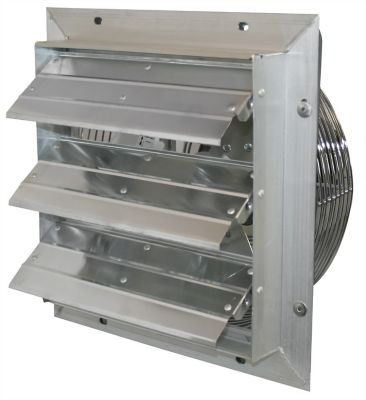
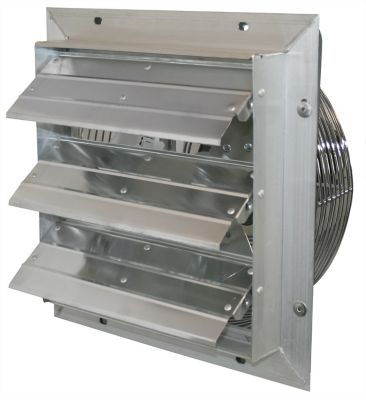
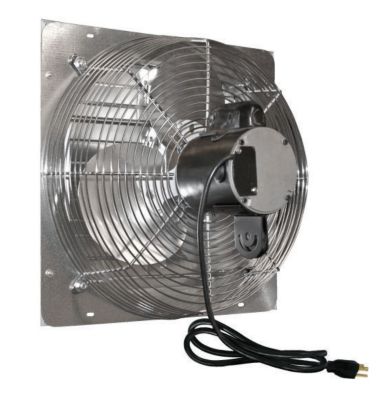
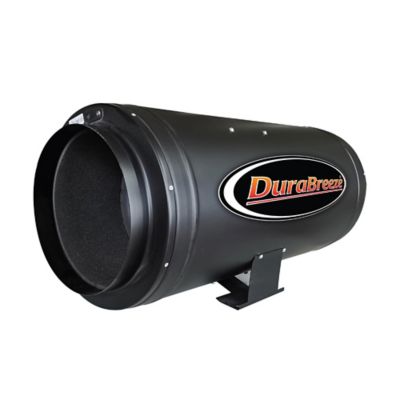
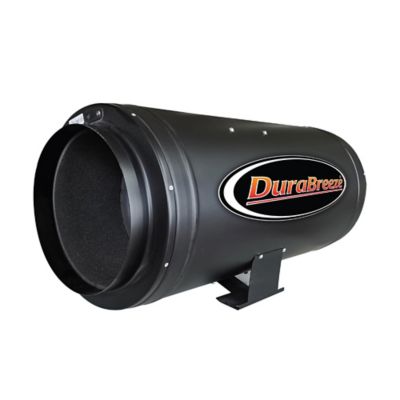
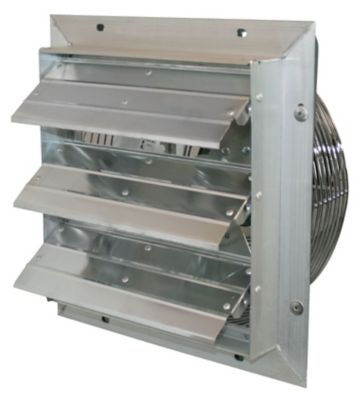
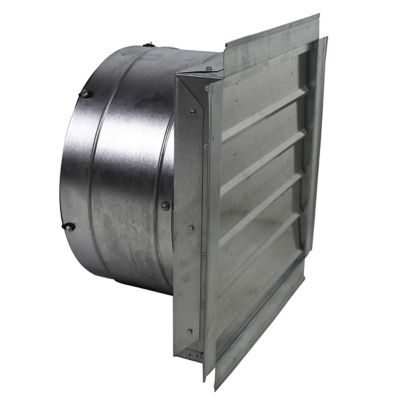
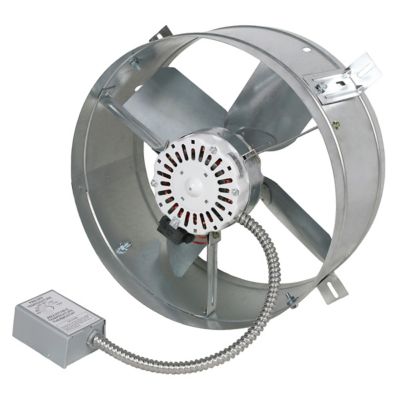
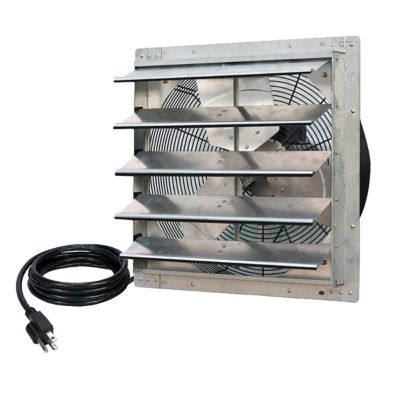
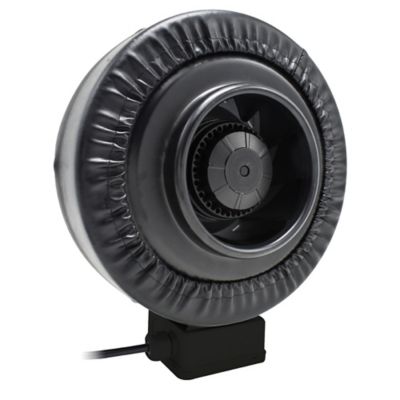
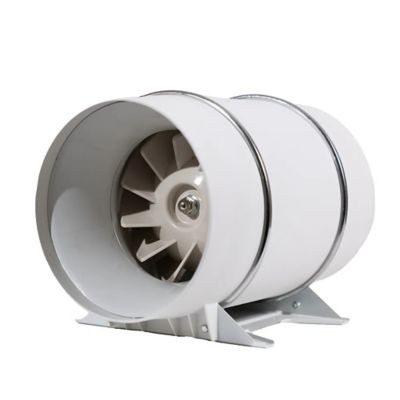
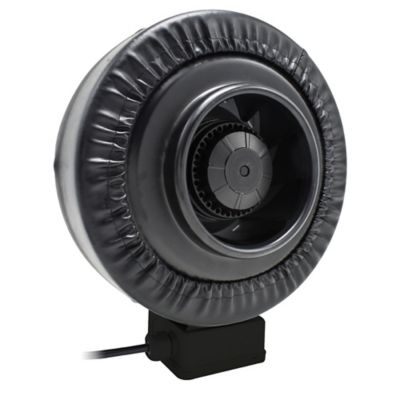
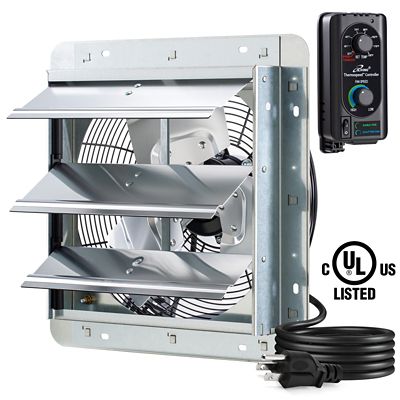
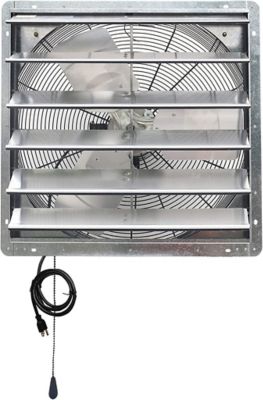
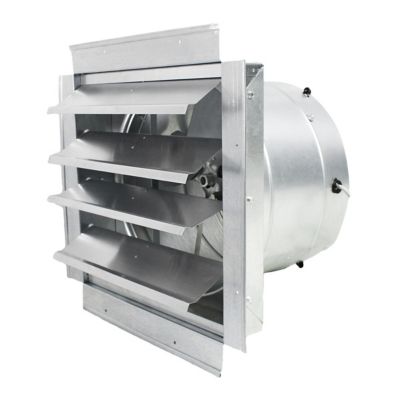
High Cfm Exhaust Fans can help when stronger airflow is needed. Inline fans are another useful layout for spaces where the motor can be mounted away from the room, such as in an attic or along a duct run. Ceiling-mounted fans work well when the duct can exit through the attic or roof, while wall-mounted fans may make more sense when an exterior wall offers a short, direct path outdoors. Check the required duct diameter, housing dimensions, voltage, switch type and airflow rating before choosing a fan. A fan rated for a short, straight duct may not perform the same way once several elbows, a long run or a restrictive exterior cover are added. For best results, use smooth, properly sized ductwork where possible, keep bends gentle and seal joints to prevent air leaks. The outside termination should include a weather-resistant cover and a damper that helps keep cold drafts, insects and small animals from coming back through the duct.
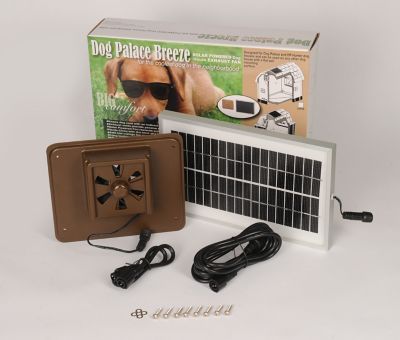
Quiet exhaust fans can make a noticeable difference in daily life, especially in homes where bedrooms sit near a bathroom, where someone works from home near a laundry room, or where early-morning chores need to stay peaceful. During the cooler months, good ventilation helps manage indoor moisture from showers, cooking and drying clothes without leaving a window open and letting heated air escape. In a farmhouse, garage or outbuilding, an exhaust fan may help clear damp air, dust or lingering odors, but it should be selected for the conditions of that space and installed with appropriate protection from moisture and debris. Fans used around livestock, feed storage or grooming areas should be kept clear of bedding, dust and loose material, with regular cleaning to prevent buildup on the grille and blades. A quiet fan can also be a thoughtful housewarming gift for someone finishing a bathroom, updating a laundry area or improving a workshop, particularly when comfort and dependable ventilation matter more than decorative extras. Before installation, confirm whether the fan is rated for the location, especially in damp or wet areas, and follow the manufacturer’s wiring, clearance and ducting instructions. Electrical connections and new exterior penetrations may require a qualified electrician or approval under local code. Once installed, wipe away dust and lint regularly, check that the damper opens freely, and listen for new rattles or changes in airflow that could signal a loose mount or blocked duct. Choosing the right combination of low sones, suitable CFM, efficient operation and a well-planned vent path lets the fan do its job in the background, keeping the air fresher while the room remains comfortable and quiet.