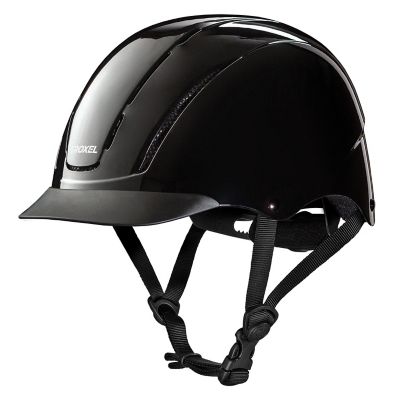
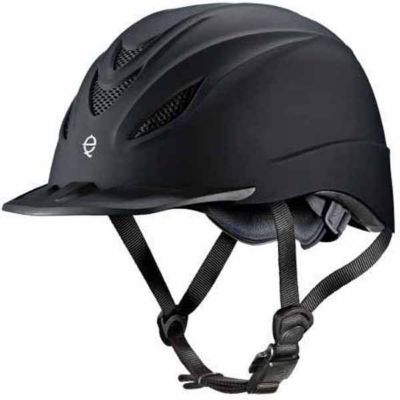
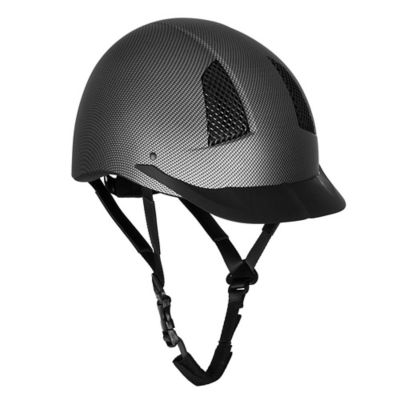
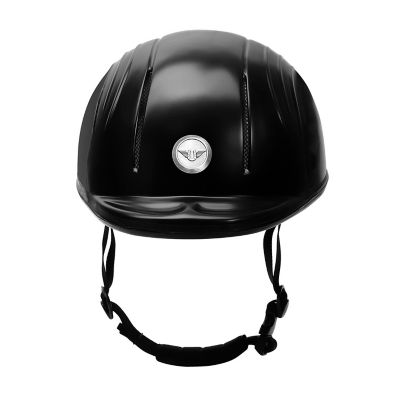
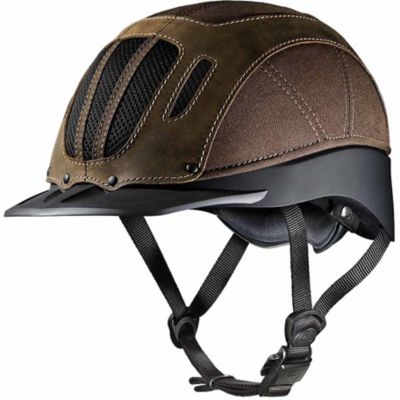
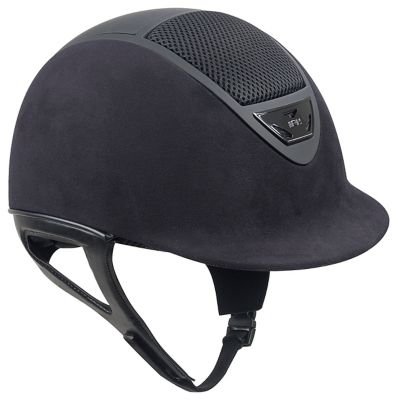
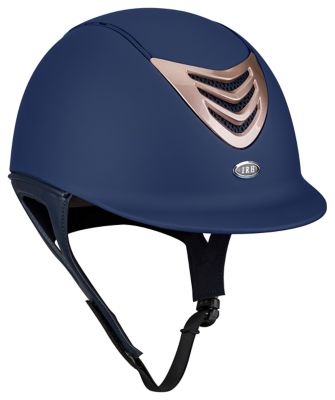
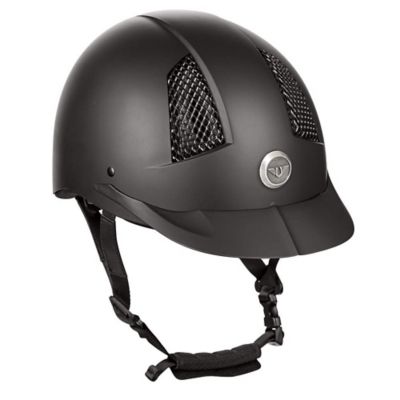
Helmets for women can serve all kinds of everyday adventures, from a morning bike ride on a gravel road to a motorcycle trip, a climbing session, or time spent in the saddle. The best helmet is the one made for the activity, fitted to the wearer, and marked with the safety certification required for that use. While women’s helmets may offer smaller shell sizes, ponytail openings, adjustable fit systems, and a range of colors, safety does not depend on a gender label. Head shape and measurements vary from person to person, so take a soft tape measure around the widest part of the head, keeping it just above the eyebrows and ears, then compare that number with the manufacturer’s size chart. A helmet should sit level and low on the forehead without blocking vision, with the front edge positioned above the eyebrows. The retention system should hold the helmet securely without pinching, and the chin strap should lie flat against the skin. A properly fitted helmet feels comfortably snug all around, without painful pressure spots, and should stay in place when the wearer gently shakes her head or bends forward. It is worth taking a few extra minutes to adjust the side straps and rear dial before heading down the trail or out the driveway. Hair can affect the fit, too. A low ponytail or braid may work well with a rear opening designed for longer hair, while a bulky bun can push a helmet upward and leave vulnerable areas exposed. Try the helmet with the hairstyle that will normally be worn, especially for women who keep their hair tied back during work, exercise, or riding.
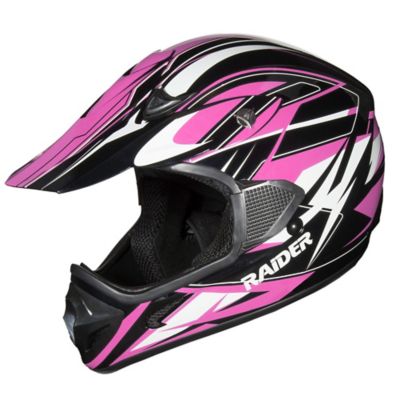
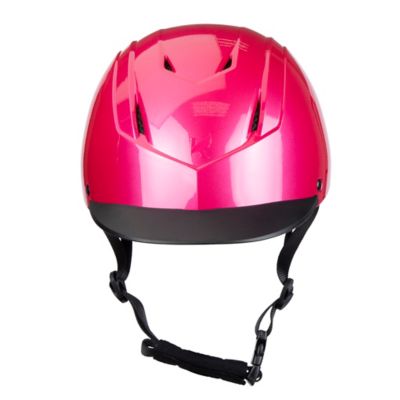
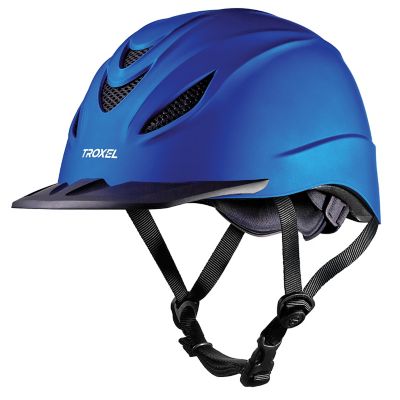
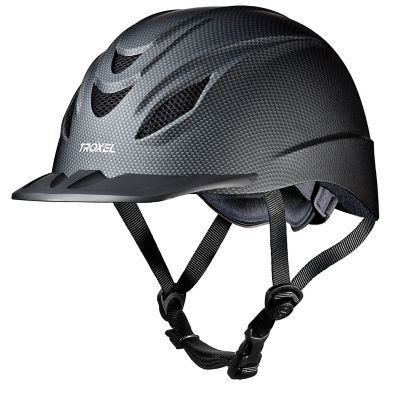
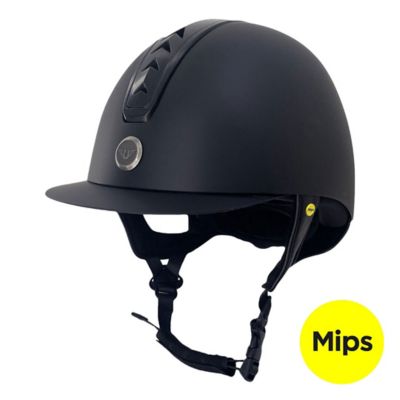
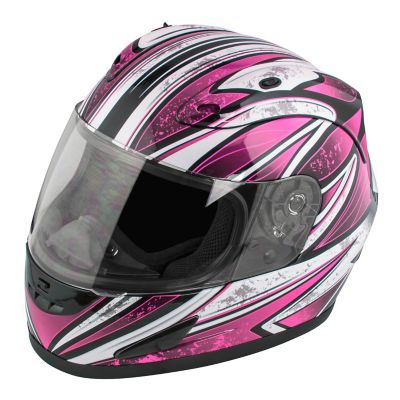
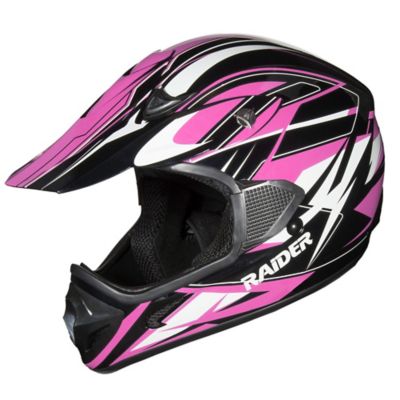
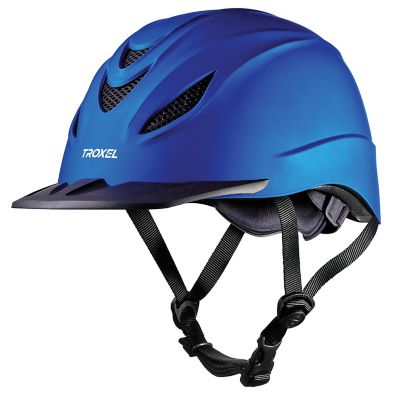
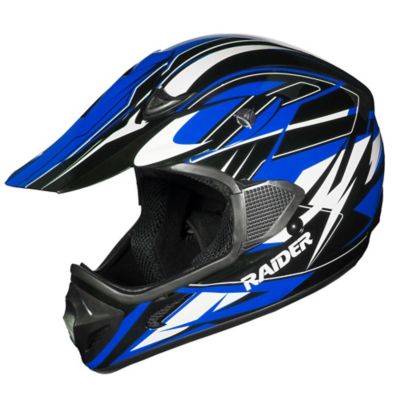
Different activities call for different safety standards and construction. For bicycle helmets, look for the applicable certification label and features suited to the type of riding, whether that means a ventilated design for paved paths, a more covered shape for rough trails, or an integrated light or reflective detail for commutes. Some cycling helmets use MIPS or another rotational-impact system designed to help manage certain angled impacts; this feature should be considered alongside, rather than instead of, proper fit and certification. Motorcycle helmets need a valid DOT, ECE, or Snell rating as appropriate for the rider’s location and intended use. A full-face helmet offers more coverage around the chin and cheeks, while open-face and half-helmet styles provide a different balance of coverage, airflow, and visibility. Always check local laws before riding, and replace a motorcycle helmet after a crash even if the outer shell looks fine. For climbing, choose a helmet designed for climbing and look for recognized climbing safety markings, secure adjustment, and coverage that stays stable while looking up at a route or moving beneath rock. Riders who spend time around horses should shop from the purpose-built selection of
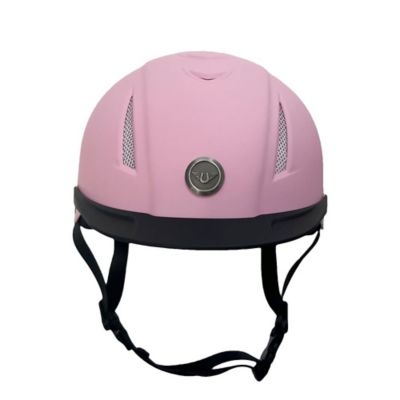
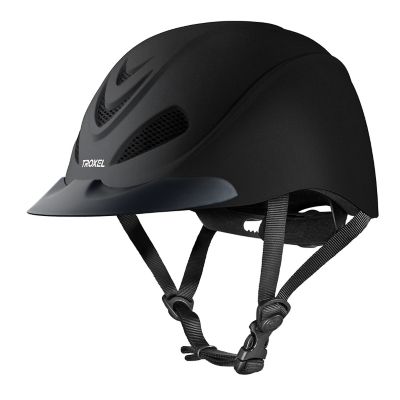
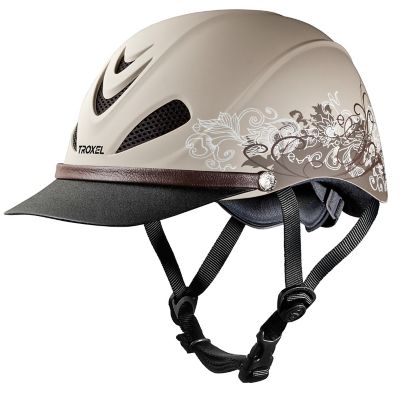
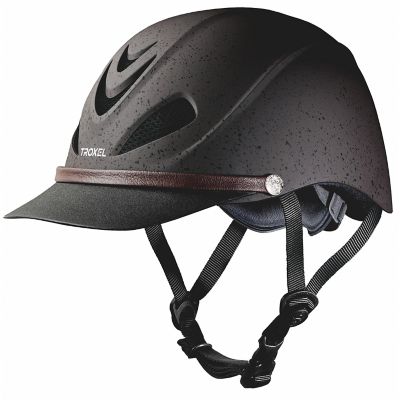
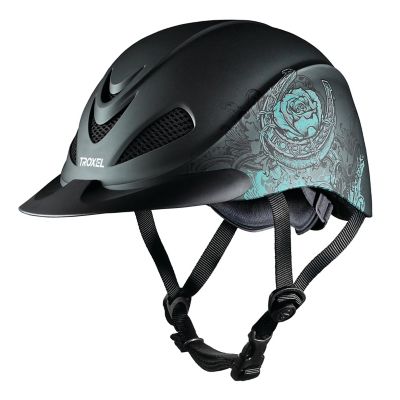
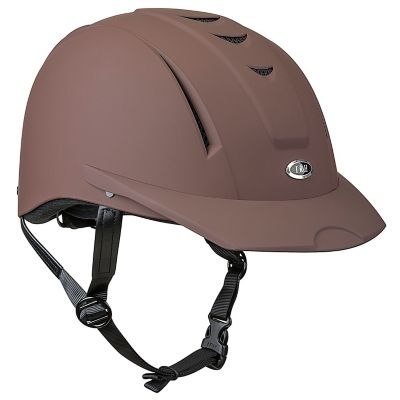
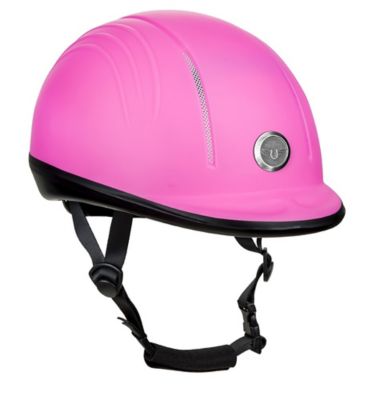
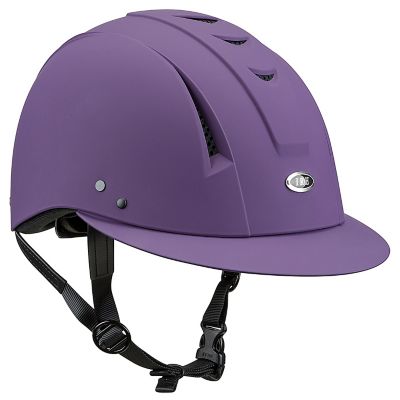
Equestrian Helmets, since equestrian headgear is made for the risks and riding positions associated with mounted activities. A riding helmet should fit snugly without rocking as the rider moves, and it should be replaced after a significant impact. Never use a bicycle, motorcycle, or climbing helmet as a substitute for an equestrian helmet, or use an equestrian helmet for another activity. Each style is engineered and tested for a particular kind of impact, so matching the helmet to the job matters as much as choosing the right size.
Helmets for women can make a thoughtful gift for a daughter heading to college on a bicycle, a partner who has taken up trail riding, a friend learning to climb, or a family member preparing for longer motorcycle trips. A gift recipient may appreciate a comfortable fit system, washable padding, ventilation, a visor, reflective accents, or enough room for a familiar ponytail more than a flashy finish. If the helmet is a surprise, discreetly find out the wearer’s head measurement and preferred activity before ordering; guessing at size can turn a generous gift into an awkward exchange. During warmer weather, vents and moisture-wicking liners can help keep a rider more comfortable, while cooler months may call for enough adjustability to accommodate a thin liner without making the helmet loose. Avoid adding a thick winter hat underneath unless the helmet maker specifically allows it, since extra bulk can change the fit and coverage. Store helmets in a cool, dry place away from direct sunlight, fuel, solvents, and hot vehicles. Clean the shell and straps with mild soap and water, and follow the care instructions for removable pads. Do not cut, drill, paint, or add unapproved accessories, since modifications can affect the helmet’s protective performance. Inspect the shell, straps, buckles, padding, and adjustment system before each use. Cracks, deep scratches, frayed straps, a loose buckle, crushed foam, or a helmet that no longer holds its shape are all signs that it is time for a replacement. Even without visible damage, protective materials can age from regular use, heat, sweat, and sunlight, so follow the manufacturer’s replacement guidance. The right helmet should become part of the routine, much like checking a tire, tightening a cinch, or fastening a seat belt: a simple step that helps make time on the road, trail, barn, or climbing wall more comfortable and prepared.