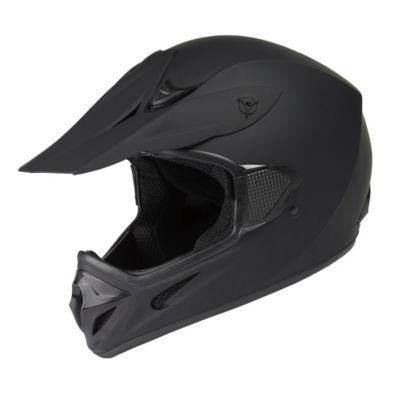
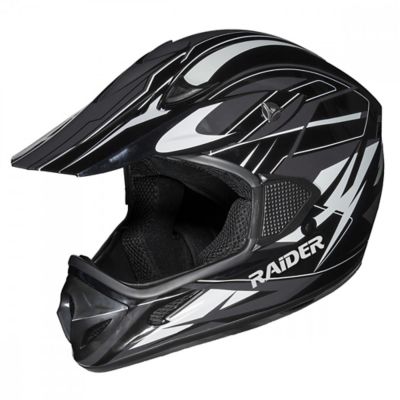
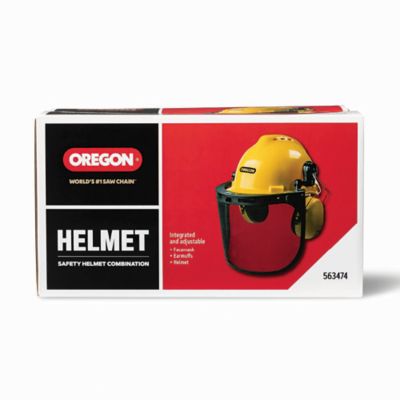
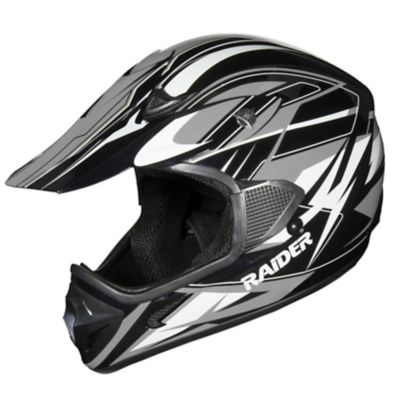
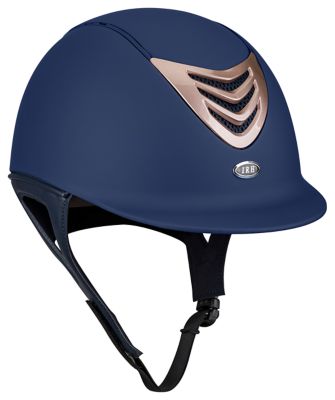
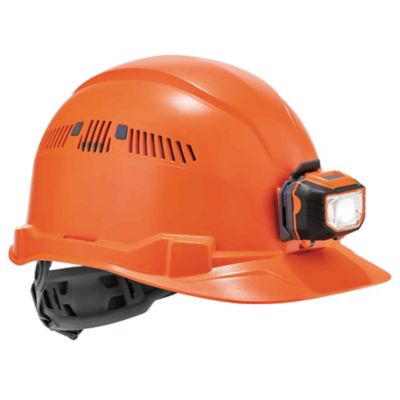
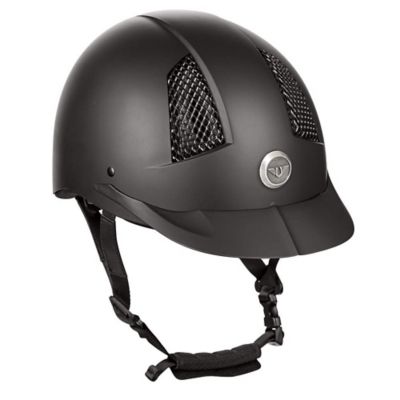
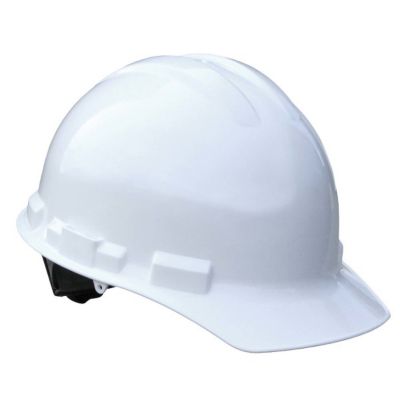
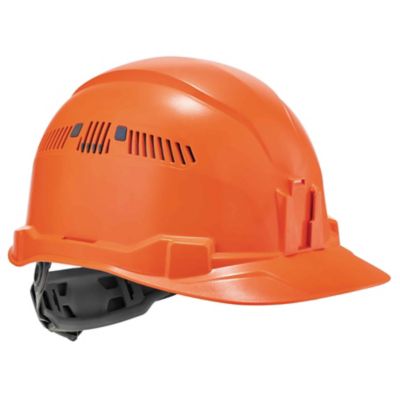
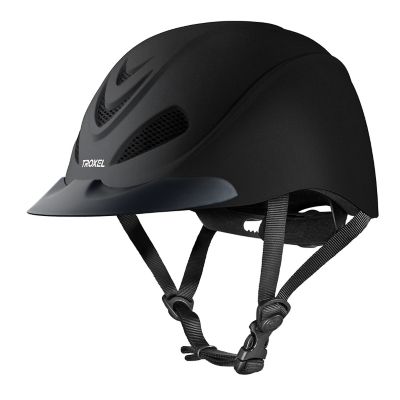
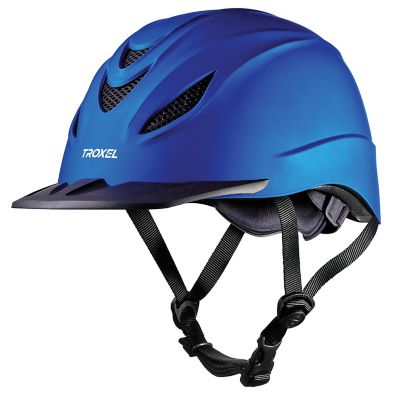
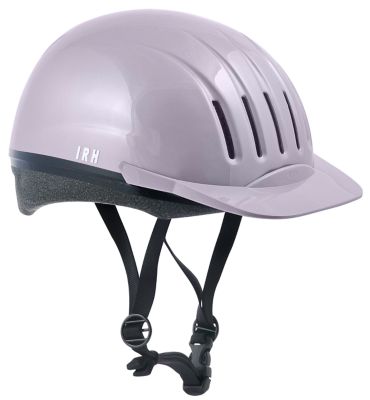
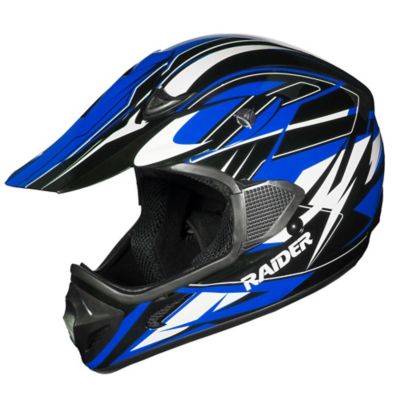
When you’re shopping for helmets for men, start with the job the helmet needs to do. A motorcycle helmet is built for road speed, wind, rain, and the hard impact hazards that come with riding, while a bicycle helmet is made to stay light and well ventilated for pedaling on pavement, gravel, or wooded trails. Work helmets are designed for a different kind of protection, helping shield the head from falling or flying objects on a farm, construction site, workshop, or jobsite. The right choice depends on the activity, the amount of coverage you need, and the safety standards that apply to it. Motorcycle riders may choose among full-face, modular, open-face, and half-helmet styles. Full-face helmets cover the head, cheeks, and chin, offering the most complete coverage for highway riding and longer trips; browse
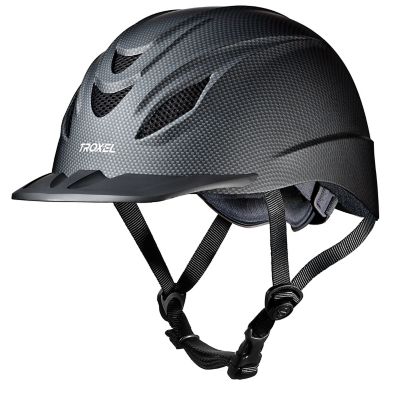
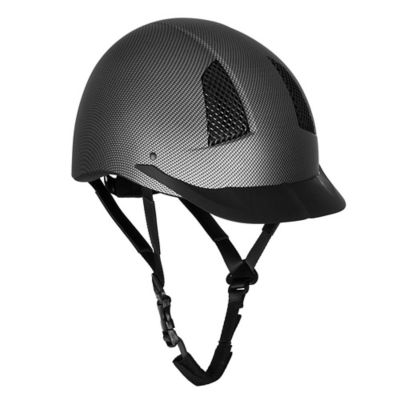
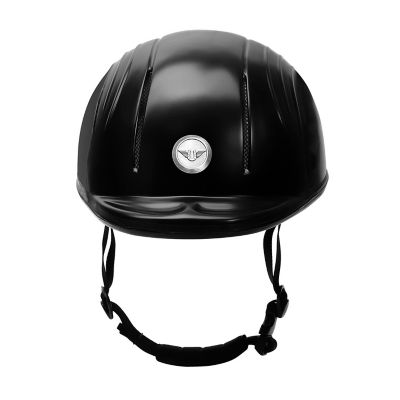
Full Face Helmets when maximum face and chin protection is part of your plan. Modular helmets have a hinged front that can lift when you’re stopped, making it easier to talk or take a drink without removing the helmet, though the hinge and moving parts can add weight. Open-face, sometimes called 3/4, helmets cover the top, back, and sides of the head while leaving the face open, a familiar choice for cruiser, scooter, and relaxed back-road riding. Half-helmets cover less of the head and may suit riders who prefer a smaller, lighter design, but they provide less coverage than other motorcycle styles. For bicycling, look for a lightweight shell with plenty of ventilation, an adjustable retention system, and coverage suited to the way you ride. Road riders often favor streamlined, airy designs, while mountain bikers may want more coverage around the back of the head and a visor to help with sun and trail debris. A helmet for commuting, farm roads, rail trails, or weekend rides should be comfortable enough to wear from the first mile to the last, without shifting when you look over your shoulder or hit a rough patch.
Safety markings are worth understanding before you buy. Motorcycle helmets should carry the required DOT certification for use on public roads in the United States, and some riders also look for ECE 22.06 or Snell standards as additional indicators of testing and performance. Bicycle helmets should meet applicable CPSC requirements. A label alone does not make a helmet a perfect fit, but it helps confirm that the helmet was made for the activity and tested to a recognized standard. Some bicycle and other sport helmets include MIPS, or Multi-directional Impact Protection System, which is designed to help manage certain twisting forces during an angled impact. It is one feature to consider alongside coverage, ventilation, shell construction, and fit. To find the right size, measure around your head with a soft tape, keeping it level across your forehead and above your ears, then compare that measurement with the manufacturer’s size chart. Try the helmet on with the straps adjusted. It should feel evenly snug all the way around, without painful pressure points, rocking from side to side, or leaving a large gap between the pads and your head. The front edge should sit low enough to protect the forehead while leaving room for clear vision. On a motorcycle helmet, the cheek pads may feel firm when new and settle somewhat with use, but the shell should not move independently when you gently shake your head. Buckle and tighten the chin strap so it stays secure beneath your jaw, with only enough room for a finger or two. Hair, caps, ponytails, and cold-weather liners can change the fit, so account for what you normally wear under the helmet. A loose helmet can shift during a crash, and an overly tight one can become distracting before you reach the end of the driveway. If you wear glasses, hearing protection, a communication system, or protective eyewear, make sure those items work together without pushing the helmet out of position. Visors, face shields, sun shades, removable liners, and washable pads can make a helmet more useful as the weather warms, dust rises on gravel roads, or cooler conditions settle in.
A good helmet becomes part of the routine, whether it hangs from the handlebar of a bicycle, rides in a saddlebag, or rests on a peg beside the workbench. Riders often appreciate a spare helmet for a passenger, and a well-chosen helmet can make a thoughtful gift for someone who enjoys weekend rides, trail exploring, commuting, or time on a motorcycle. For a gift, avoid guessing at the size whenever possible; head shape and personal fit matter, so a gift card or an exchange-friendly purchase may be more useful than choosing by appearance alone. Helmets also make practical presents for a new rider, a college student commuting by bike, or a family member getting ready for a new season of outdoor work. Inspect any helmet before each use. Look for cracks, dents, crushed foam, loose straps, damaged buckles, or worn adjustment pieces, and replace the helmet after a crash even when the outside looks fine. Most manufacturers also recommend replacing helmets after several years because materials, adhesives, and padding can age from heat, sweat, sunlight, and everyday wear. Keep the helmet out of a hot vehicle or direct sun when it is not in use, and clean it with mild soap and water rather than harsh chemicals that can weaken the shell or liner. Let it air-dry fully before storing it in a cool, dry place. Never drill into a helmet, add unapproved hardware, or use a motorcycle helmet for bicycle riding or a bicycle helmet for motorcycle riding; each style is engineered and tested for its intended use. The best helmet is one that matches the activity, meets the right safety standard, fits securely, and feels comfortable enough that you will wear it every time. From early rides when the air is warm to cooler days spent on the job or out on the trail, dependable head protection helps you stay focused on the road, the path, and the work in front of you.