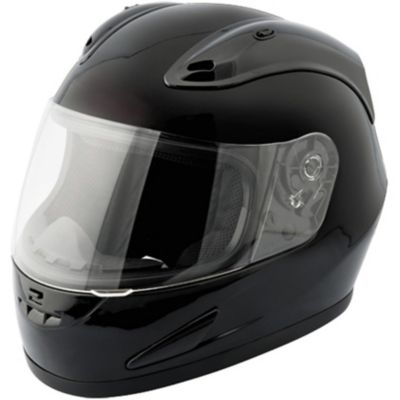
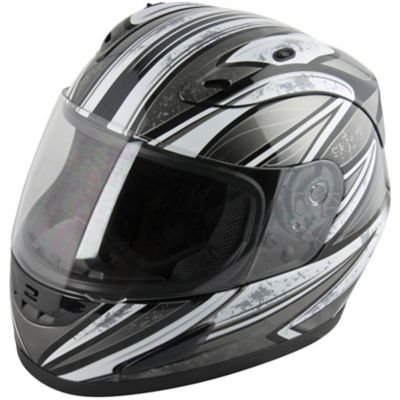
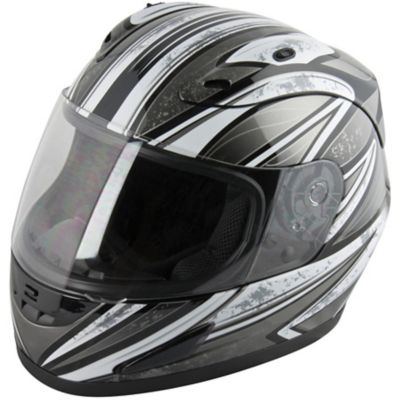
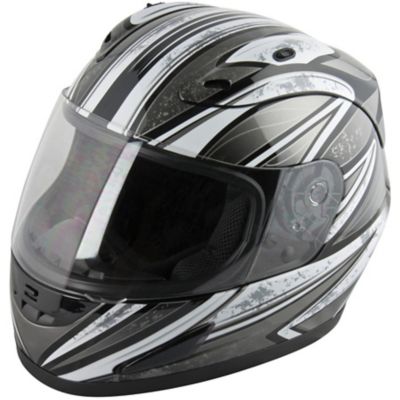
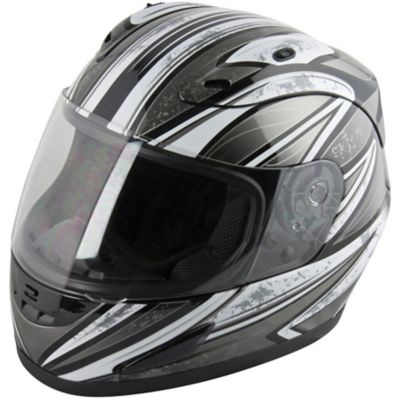
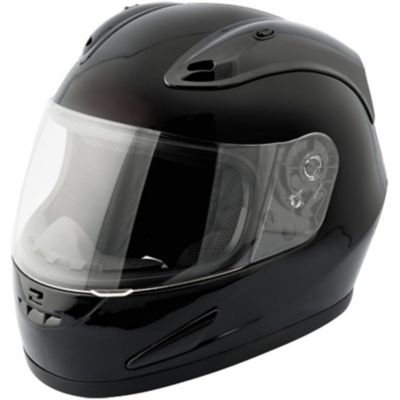
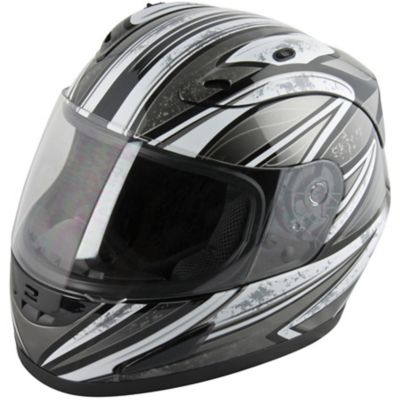
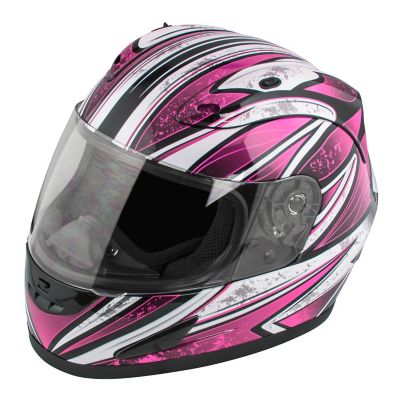
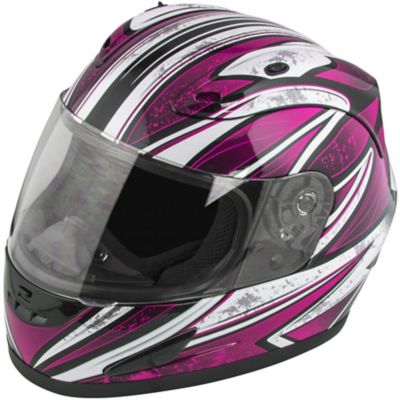
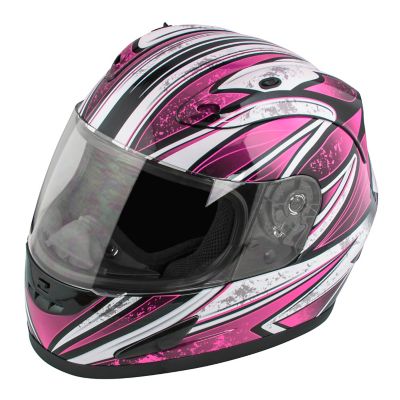
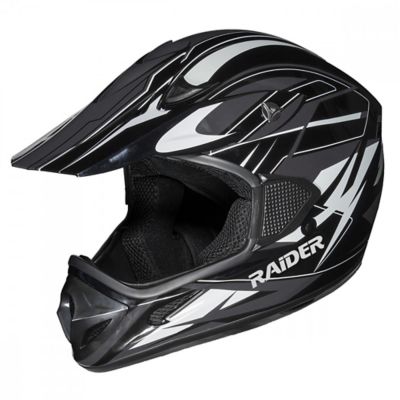
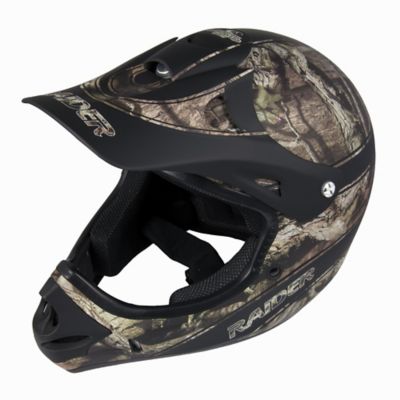
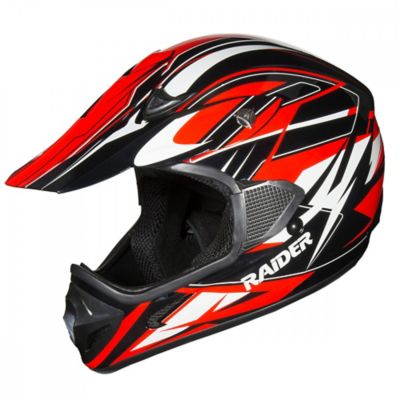
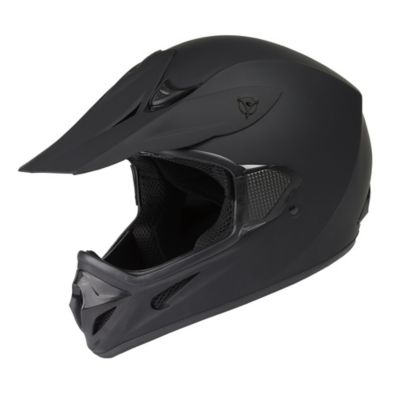
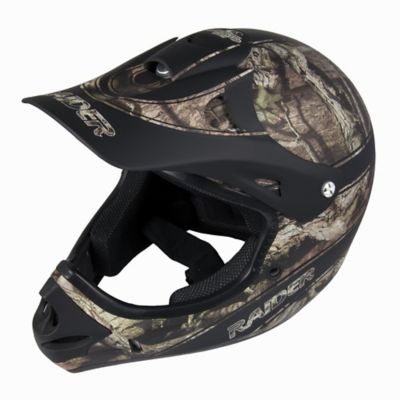
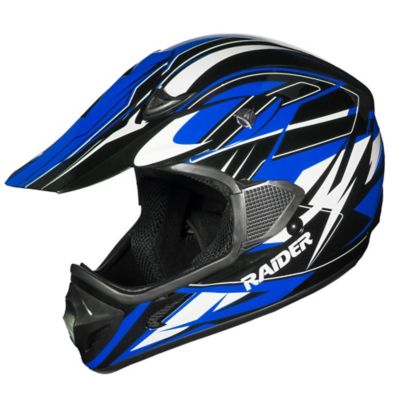
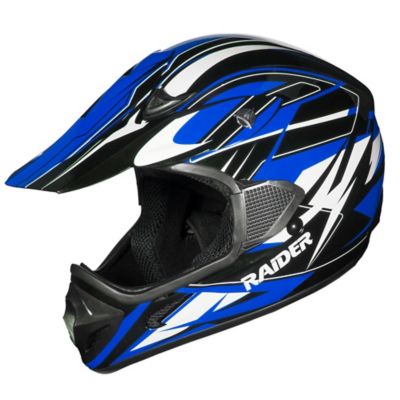
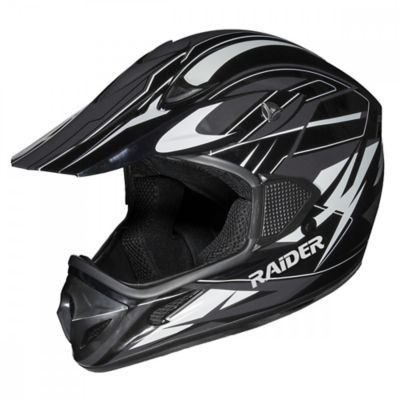
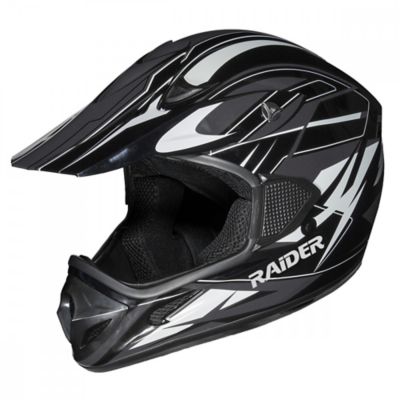
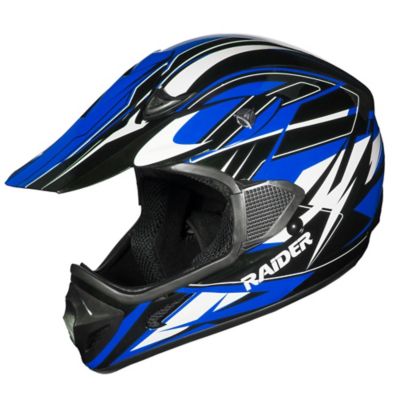
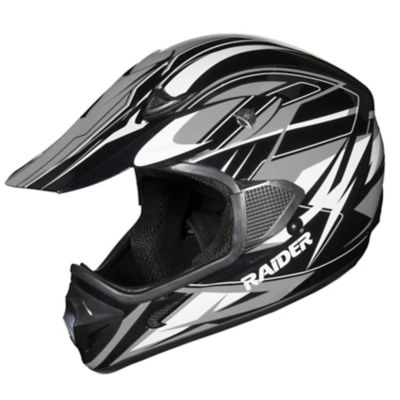
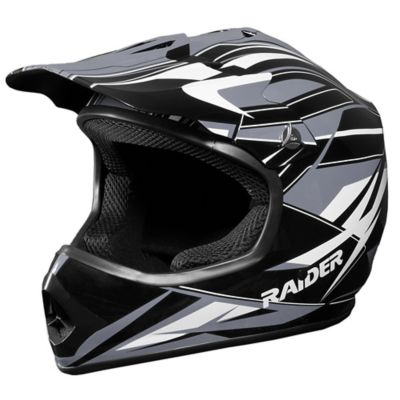
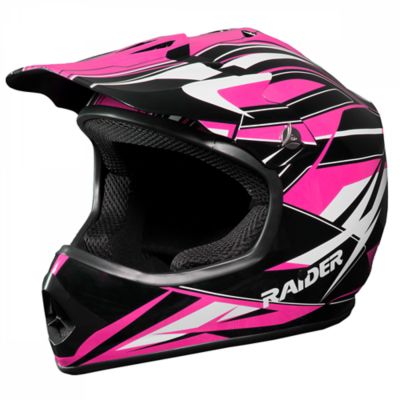
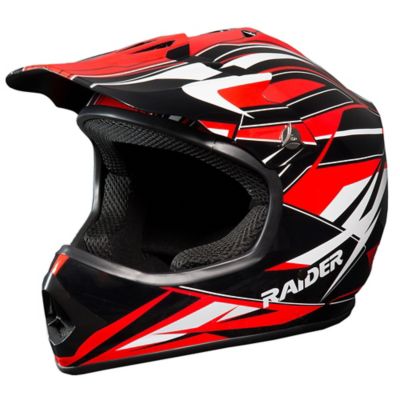
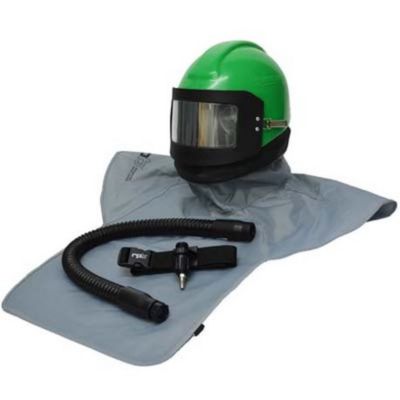
A full-face helmet covers the top, sides, and back of the head and adds a chin bar that extends across the lower face. That chin bar is the main difference between a full-face helmet and an open-face design. It adds coverage around the chin and jaw in a fall or crash, while the eye opening gives a rider room to see the road or trail. A full-face helmet for street motorcycling often has a clear face shield that flips up and helps keep insects and road grit out of the rider’s eyes when closed. A downhill mountain bike helmet often has a larger opening for goggles and more vents to let air move through as the rider pedals and works the bike over rough ground. The two can look a lot alike on the outside, but that doesn’t make them interchangeable. For street motorcycling in the United States, the DOT mark indicates that the manufacturer certifies the helmet meets Federal Motor Vehicle Safety Standard No. 218. For downhill mountain biking, ASTM F1952 is a standard that addresses the demands of downhill riding and includes a test for the chin bar on helmets that have one. With a removable chin bar, it’s worth checking which riding configurations the manufacturer lists as meeting the standard. Shells can be made from molded thermoplastic, fiberglass, or other composites. Under the shell, an impact liner, often made of expanded polystyrene foam, is built to compress and help manage the force of an impact. That’s a different job from the soft pads that sit against the forehead and cheeks. A face shield has a different job, too: it doesn’t seal out dust or filter the air. For jobs such as sanding, where breathing protection is the concern,
Full Face Respirators cover the eyes, nose, and mouth and can be paired with filters suited to the task.
A good fit starts with a tape measure just above the eyebrows and around the widest part of the head. The measurement belongs against the size chart for that helmet, since a medium in one design may sit differently from a medium in another. Head shape matters as much as the number on the tape. A helmet that pinches at the temples but leaves room at the forehead may be the wrong shape rather than simply the wrong size. A full-face helmet should sit level and feel snug all the way around, with cheek pads that make even contact without making it hard to talk or close the jaw. With the chin strap fastened, the helmet shouldn’t slide down over the eyes or roll back off the head when gently moved. If it shifts while the rider looks over a shoulder, that movement will be more distracting on a two-lane road or halfway through a rocky stretch of trail. The eye opening matters just as much when the rider settles into a normal riding position. A mountain biker crouched over the bars needs a clear view up the trail without tilting the head back. A motorcyclist should have room to glance toward a mirror or check the next lane without the edge of the opening getting in the way. It helps to check the fit with the goggles or glasses that will go along for the ride. Goggle frames should sit flat against the face without the helmet pressing them down onto the nose, and glasses shouldn’t dig in behind the ears. It’s also worth noticing how the helmet carries its weight. One that feels light in the hand can still pull forward when worn, and that tug may be more noticeable on a long ride. For a rider getting into downhill biking or a family member learning to ride a motorcycle, a full-face helmet can make a practical gift, though a head measurement and a chance to try it on are better bets than guessing from someone’s hat size.
How a full-face helmet holds up has a lot to do with what happens between rides. Dust settles along the shield seal, grit finds its way into hinges, and sweat works into the cheek pads and strap. Cleaning those spots helps keep a shield moving freely and makes it easier to notice a fraying strap, a loose latch, or padding that no longer holds the helmet steady. Letting dirt soften with a damp cloth is easier on a face shield than rubbing it away dry, especially when there’s fine grit on the surface. Small scratches can catch glare from approaching headlights and make it harder to pick out detail on the road. A shield or goggle lens with a coating may need different care from the outer shell, so the manufacturer’s cleaning directions are worth following. Removable comfort pads can often be washed and air-dried, but the impact liner isn’t something to cut, sand, or reshape for a little extra room. Between rides, a shelf where the helmet can sit without rolling off is a better spot than the edge of a workbench beside fuel cans and solvents. After a crash in which the helmet takes a hit, it should be replaced even if the shell looks fine. The foam can compress underneath without leaving an obvious mark on the outside. For a helmet that takes a hard drop when nobody’s wearing it, the manufacturer can advise on whether it needs inspection or replacement. Over time, loose padding, a buckle that no longer closes firmly, or a shell that shows cracks are all reasons to take a closer look before the next ride. The details that matter most come back to the ride itself: a helmet made for the kind of riding ahead, a fit that stays put over rough ground, and a clear view where the road bends or the trail drops away.