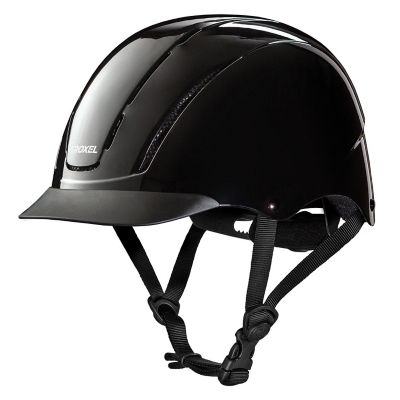
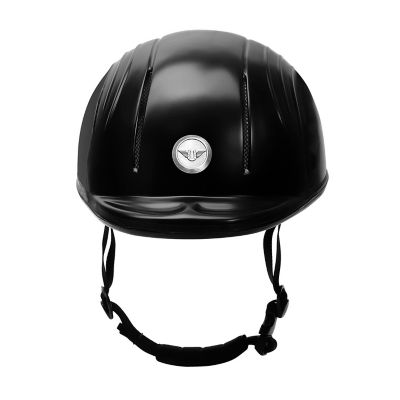
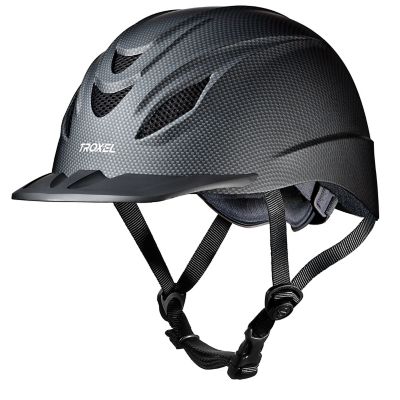
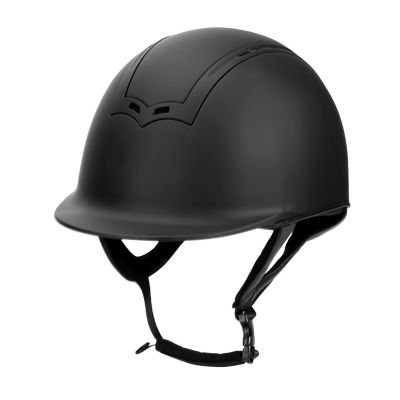
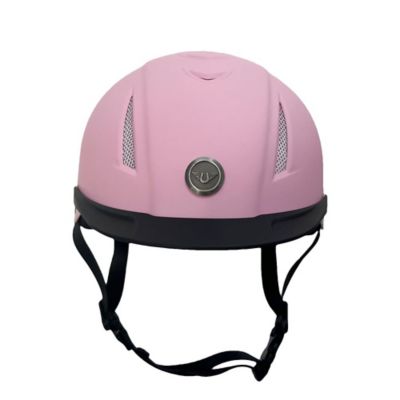
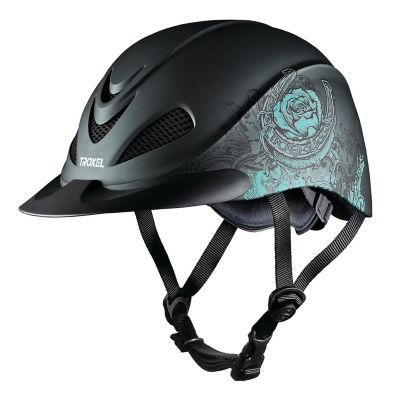
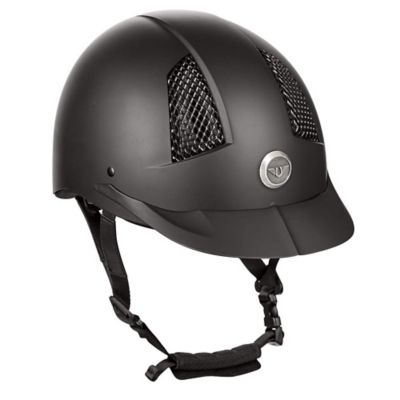
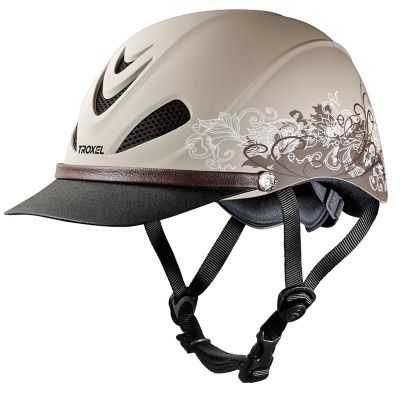
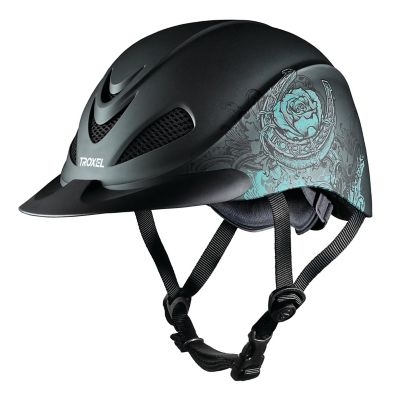
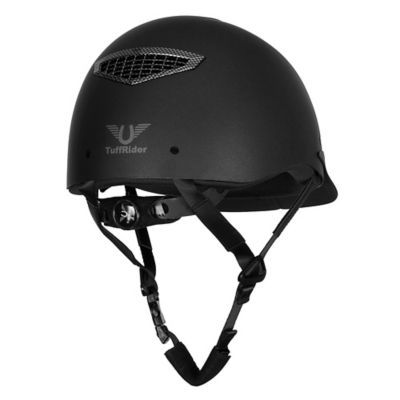
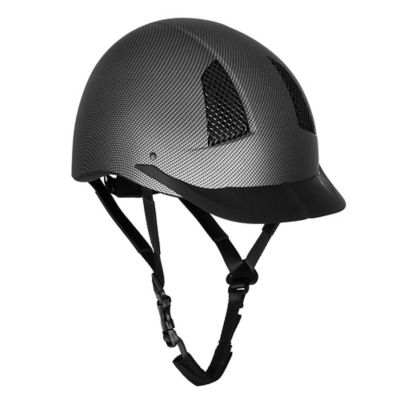
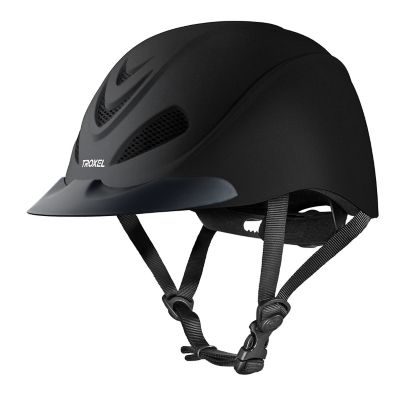
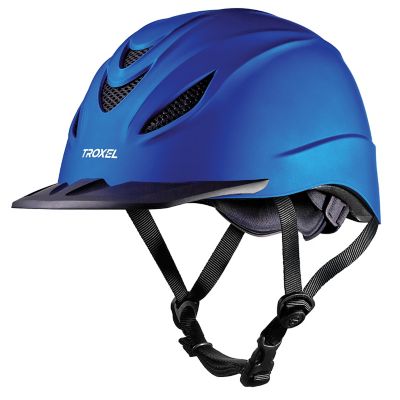
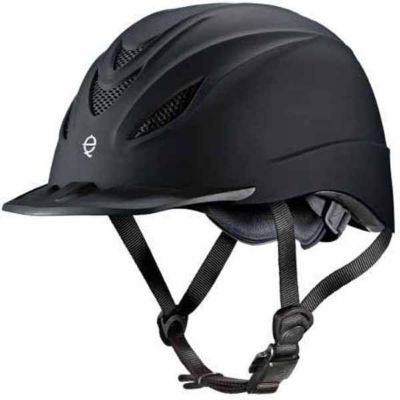
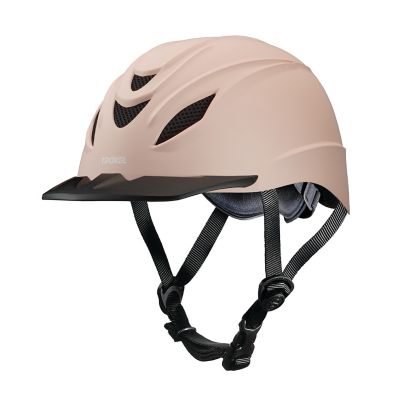
Equestrian helmets are built for horseback riding, with protective coverage and retention systems designed around the risks riders face in the saddle. From a child’s first pony lesson to an experienced rider checking fence lines on horseback, a properly fitted riding helmet belongs with the rest of the riding gear. Even a steady horse can stumble or spook, and experience does not remove the chance of a fall. Horseback riding helmets typically combine a hard outer shell with an impact-absorbing liner and an adjustable chin strap that helps keep the helmet in place. Shells may be made from materials such as ABS plastic or polycarbonate, while expanded polystyrene foam is common inside. The shell helps distribute impact forces, and the foam liner compresses to absorb energy; neither makes a helmet capable of preventing every head injury. For a clear safety benchmark, look for labeling that shows SEI certification to the ASTM F1163 equestrian helmet standard. ASTM establishes performance requirements, while SEI provides third-party certification that a helmet meets the applicable standard. Appearance alone cannot tell that story, and a bicycle helmet is not a substitute for headgear designed and certified for riding horses. Some equestrian helmets also incorporate systems designed to help manage rotational motion during certain angled impacts. Those features complement the helmet’s basic protective construction rather than replace the need for proper fit. Intended use matters, too. Schooling, trail riding, English lessons, Western riding, and competition can bring different preferences for profile, visor shape, ventilation, and finish. A rider spending hours along pasture paths may appreciate a different brim than someone preparing for an arena class. Competition rules can also set requirements for headgear, so the helmet’s certification and configuration need to match the discipline and event. Across those settings, a helmet should feel like part of a settled riding routine, right alongside checking the girth and making sure the reins are in order.
Fit is where riding helmets become personal, because two riders with the same head measurement can have different head shapes. A flexible measuring tape placed around the widest part of the head, generally just above the eyebrows and ears, gives a starting measurement to compare with the manufacturer’s size chart. The number does not replace trying the helmet on: one shell shape may feel even and secure, while another presses at the forehead or leaves gaps at the sides. A well-fitted equestrian helmet sits level, with the front positioned according to its fitting instructions rather than tipped back toward the crown. It should feel snug around the head without sharp pressure points, and it should not slide across the forehead or rock from side to side during a gentle head movement. Adjustment dials and fit pads can help fine-tune that feel within the helmet’s intended size range, but they cannot make the wrong shell size fit correctly. The chin strap and side straps also need proper adjustment so the helmet stays positioned without pinching or interfering with comfortable movement. Whether considering youth riding helmets or
Helmets for Women, measurements, head shape, and fit matter more than the category name. Children need helmets that fit properly rather than extra space to grow into, and their fit needs checking as they grow. Hair matters as well: a low ponytail, braid, or competition hairstyle can change how the helmet settles, so a fitting works best with hair arranged as it will be for riding. Vent placement, removable liners, and the shape of the harness can affect comfort during a long lesson or an afternoon in the saddle. Mesh-covered vents allow airflow while helping keep larger bits of barn debris out, and washable comfort liners can make regular upkeep simpler. A visor can help shade the eyes, but its shape should suit the riding activity and leave a clear view of the horse’s ears, the trail ahead, and other riders sharing the arena.
Everyday care helps preserve an equestrian helmet’s condition, though careful handling does not give it an unlimited service life. Dust from the arena, sweat from a lesson, and stray bits of hay are ordinary parts of barn life, making easy-to-clean surfaces and accessible liners practical details. Cleaning methods need to follow the helmet manufacturer’s directions, since solvents, strong cleaners, and some sprays can damage shell materials or the impact liner. A soft cloth with mild soap and water is often suitable for the exterior when permitted by those directions. Removable comfort liners may have separate washing instructions, and all components should dry fully before the helmet goes back into a storage bag. Keeping it in a clean, dry place away from direct sunlight, chemicals, and heavy gear helps prevent unnecessary damage. A helmet tucked beneath a saddle or knocked around loose in a tack trunk can take a beating without ever leaving the barn. Regular checks of the shell, straps, buckles, adjustment system, and visible liner can reveal cracks, fraying, loose parts, or changes in fit that call for attention. A helmet that takes an impact in a fall needs replacement, even when the outside looks fine, because compressed protective foam may not show obvious damage. Manufacturer guidance also sets replacement timing as materials age; infrequent riding does not cancel those limits. A helmet’s impact history matters, which makes borrowing one with an unknown history a poor shortcut. For a young rider starting lessons or an adult returning to the saddle, a riding helmet can be a thoughtful gift when the recipient takes part in sizing and fitting. Color and finish can reflect personal taste, but proper fit, riding-specific certification, and care requirements remain the foundation of a sensible choice. The best match is headgear that suits the rider’s activity, stays securely positioned, and feels comfortable enough to become a regular part of getting ready to ride.