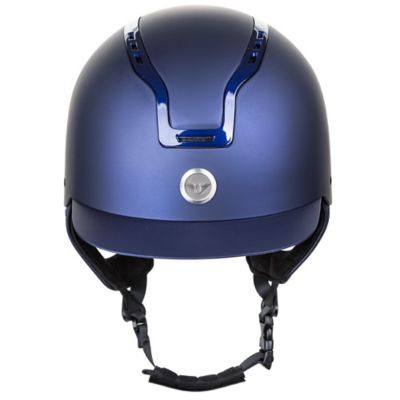
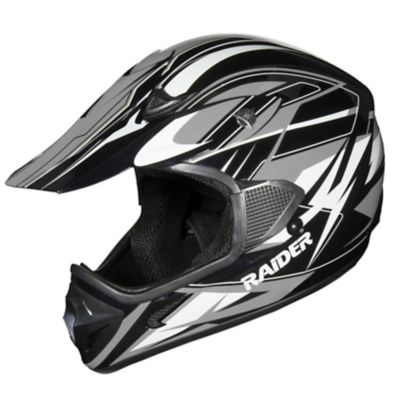
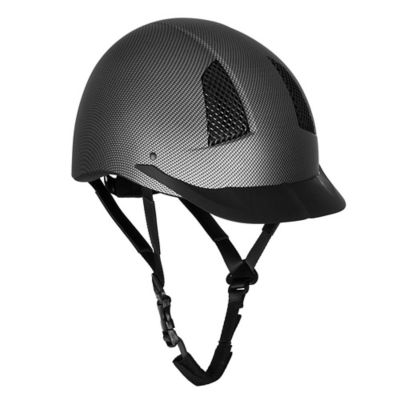
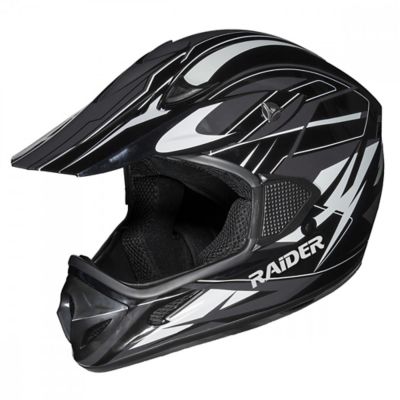
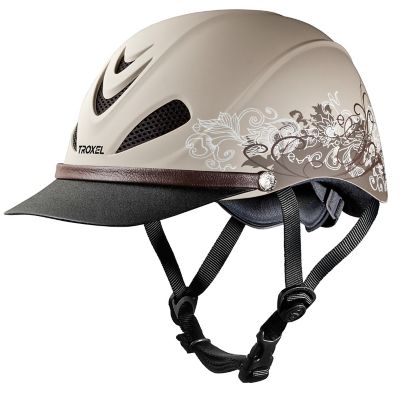
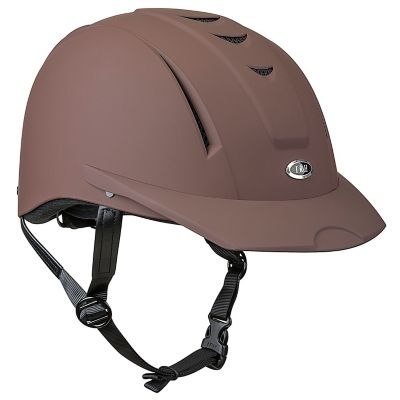
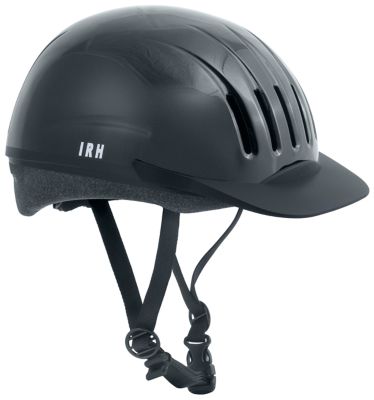
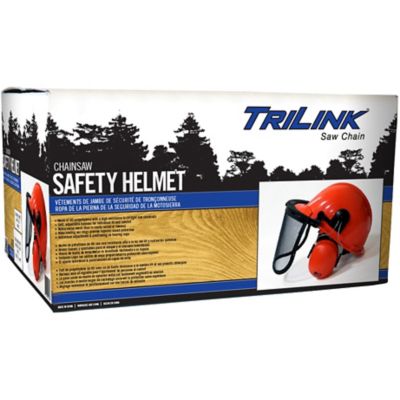
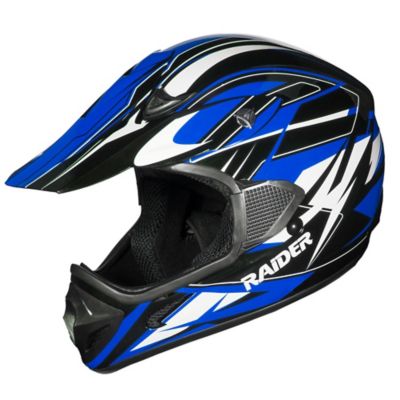
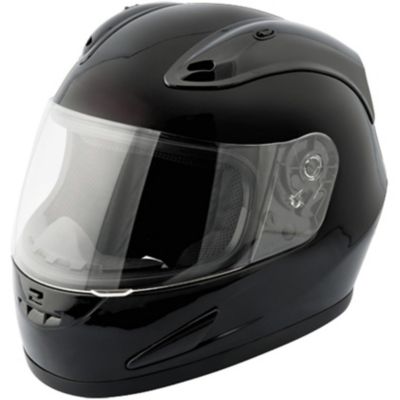
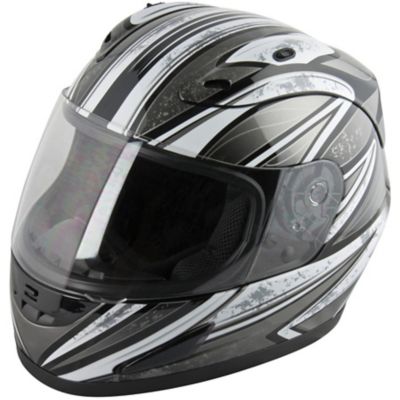
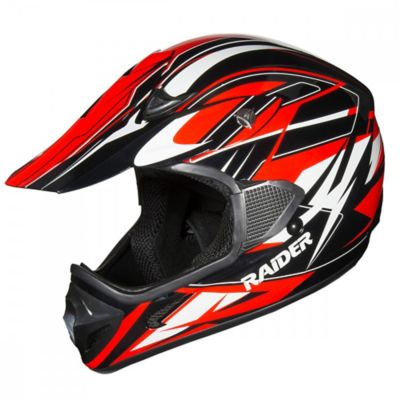
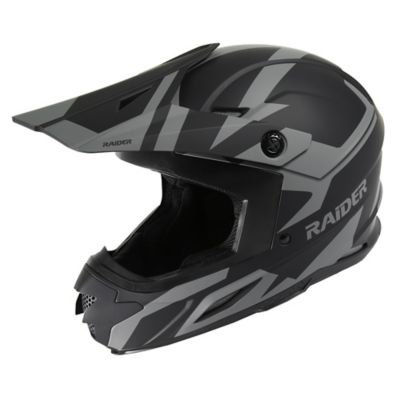
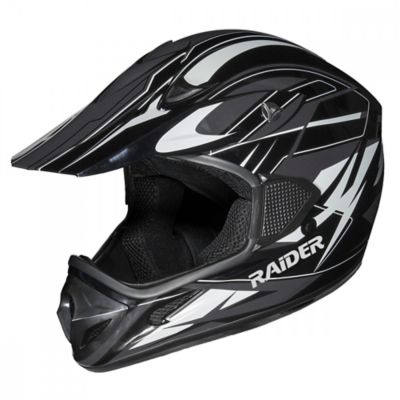
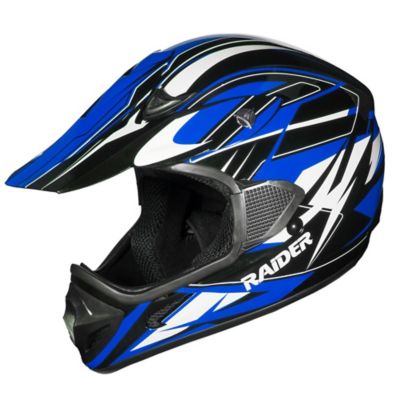
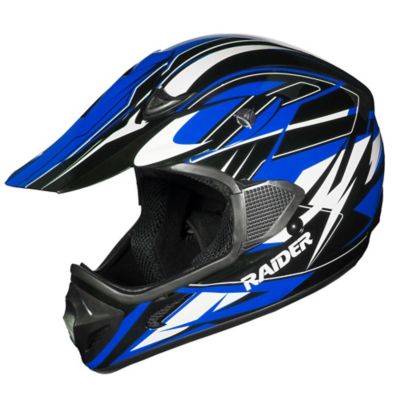
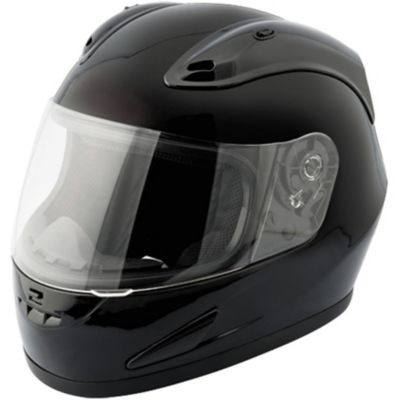
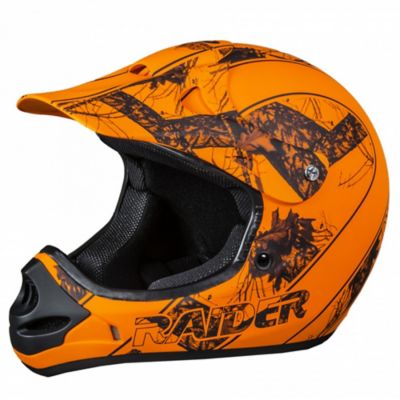
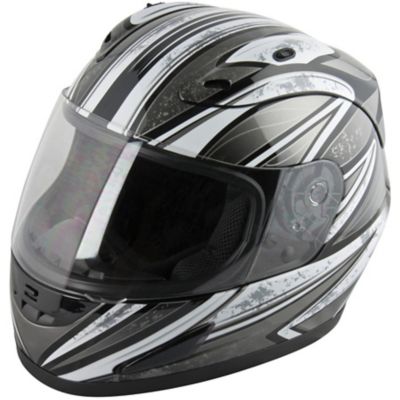
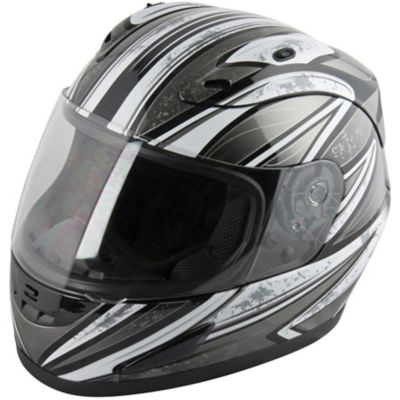
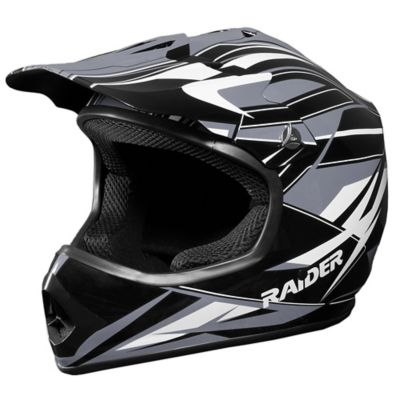
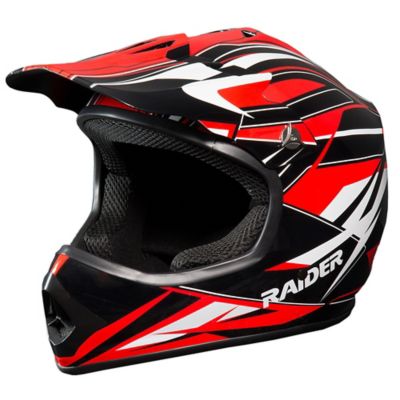
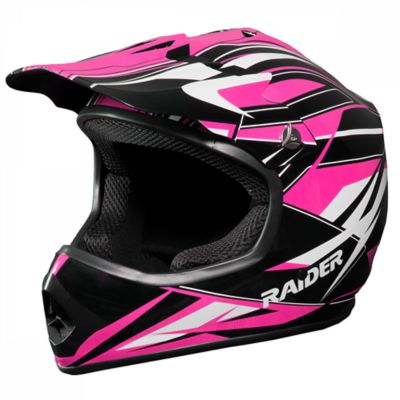
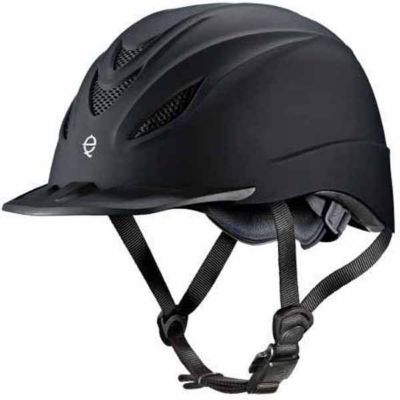
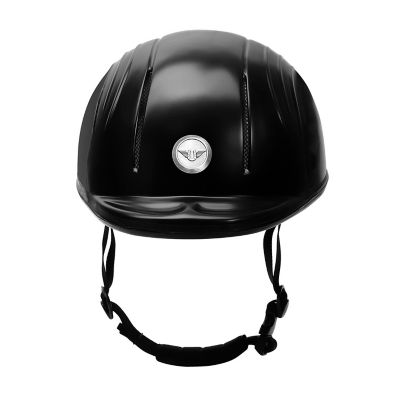
Sports helmets are made for the way different activities put your head and body at risk, so choosing the right style matters. A helmet built for batting is shaped and tested differently from one made for football, cycling, skating, lacrosse, snow sports, karting or other motorsports. The shell, impact-absorbing liner, face protection, ventilation and retention system all work together, but no single helmet is right for every sport. Football helmets generally use a sturdy outer shell, interior padding and a faceguard to help protect the head and face during contact play. Baseball and softball batting helmets commonly include ear coverage, with some designs adding a jaw guard for extra protection at the plate. Bike, skate and scooter helmets are usually lighter and ventilated for repeated movement, while motorsports helmets are built around a secure, close-fitting design suited to higher speeds and specialized equipment. Multi-sport helmets can be handy for families who spend the day moving between bikes, skateboards, scooters and similar activities, but always check that the helmet is certified for the activity where it will be used. A helmet that feels comfortable on a shaded bike path may not provide the coverage, face protection or impact performance called for on a football field or a racetrack. For shoppers putting together gear for a child, teen or adult, sports helmets can also make a practical gift for a new season, a first bicycle, a batting setup or a weekend hobby. When the weather warms, a properly fitted helmet can go along for neighborhood rides, back-road trails and games at the ballfield; during the cooler months, it may be part of a complete setup for indoor practices, outdoor training or snow activities. Look for clear sizing information, recognized safety certification and construction suited to the intended sport rather than choosing by appearance alone. Features such as adjustable padding, moisture-wicking liners, removable cushions and ventilation can make a helmet easier to wear through a long practice, while a faceguard, visor or integrated ear protection may be important for a particular position or activity. For women shopping for a comfortable, well-fitting option, explore
Helmets for Women for additional choices.
Fit is the part that turns a helmet from something that sits on the head into protective equipment that can do its job. Start with the manufacturer’s measurement guide and measure around the widest part of the head, keeping the tape level above the eyebrows and around the back of the skull. A helmet should feel snug without creating painful pressure, rocking from side to side or sliding backward when the wearer moves. It should sit level, with the front edge positioned as directed by the manufacturer; on many common helmet styles, shoppers use a general “two-finger” check above the eyebrows, keep the side straps forming a V around the ears and leave about two fingers of space beneath the chin strap. That rule is a helpful starting point, not a substitute for the instructions that come with the helmet, since designs and sports differ. Buckle the chin strap and open and close the mouth to check that the strap is secure without choking or hanging loose. Long hair, ponytails, thick caps, goggles and eyewear can change the fit, so try the helmet with the gear that will normally be worn. For young athletes, avoid buying a helmet several sizes too large in hopes that a child will grow into it; excess movement can reduce coverage and comfort. Children should be able to put on and fasten the helmet with supervision until they can do it correctly every time. Adults benefit from the same careful check, especially when switching between prescription glasses, sunglasses, face protection or other equipment. Weight and ventilation deserve attention, too. A lighter helmet may be easier to wear during a long ride or practice, while well-placed vents can help air move across the head during hard work in warm conditions. Padding should be secure, clean and free of gaps, and adjustable components should hold their settings once tightened. Before heading to the field or trail, have the wearer bend, turn and look up and down; the helmet should stay in place without blocking vision or making it difficult to hear instructions. Comfort is not just a nice extra—when gear fits well, people are more likely to keep it on for every ride, inning, lap or play.
Inspect sports helmets before each use, particularly when they have been stored in a barn, garage, gear bag or vehicle through changing temperatures. Look for cracks, dents, deep scratches, loose hardware, damaged straps, worn buckles, flattened padding or signs that the shell and liner have separated. Follow the care instructions instead of using harsh cleaners, solvents or unapproved stickers that may affect the materials. Helmets should generally be replaced after a significant impact, even when damage is hard to see, because the interior may have compressed and may not protect as intended during another hit. Replace a helmet when it no longer fits, when parts cannot be adjusted or secured, or when the manufacturer recommends retiring it based on age and use. Never share a helmet without cleaning it and confirming that it fits the next wearer; a family helmet passed from one person to another may need new padding or a different size altogether. Safety equipment lowers the chance and severity of injury, but it cannot eliminate every risk, so pair a helmet with sound coaching, field rules, appropriate speeds and other activity-specific protective gear. A baseball player may also need a face guard or chest and leg protection, a cyclist may need lights and visible clothing, and a motorsports rider may need a properly rated suit, gloves and eye protection. During a busy afternoon at the farm, a local field or a gravel trail, a secure helmet should stay fastened from the first movement until the activity is finished—not resting on a handlebar or hanging from a fence post. After any hard blow to the head, stop the activity and seek medical attention for concerning symptoms such as confusion, worsening headache, vomiting, unusual sleepiness, trouble walking or changes in vision. With the right sport-specific design, dependable certification, careful fit and regular inspection, sports helmets become a reliable part of the gear bag for practice days, family outings and cooler-season competition.