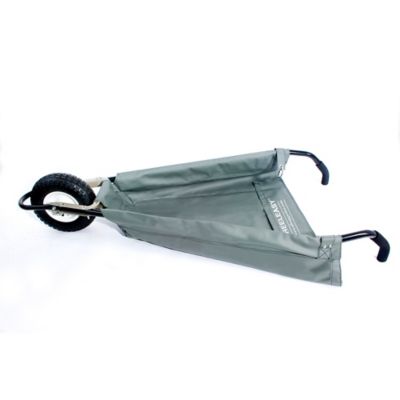
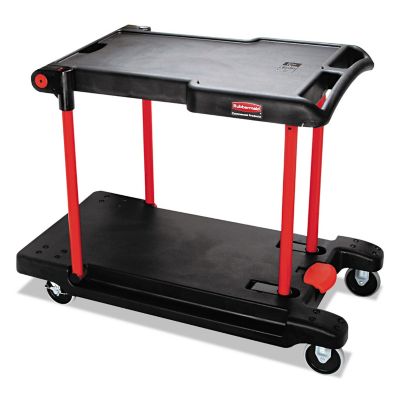
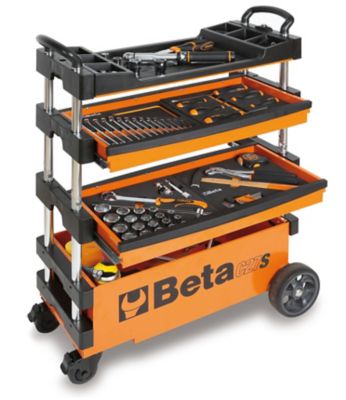
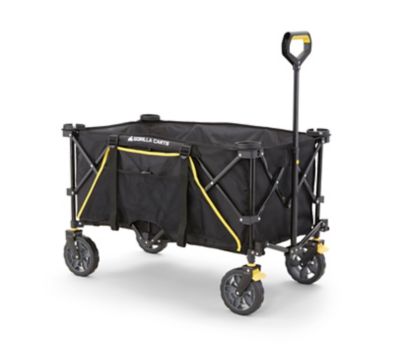
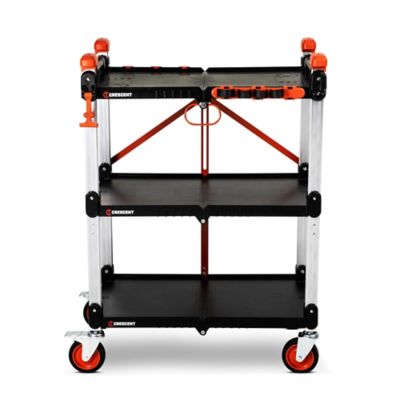
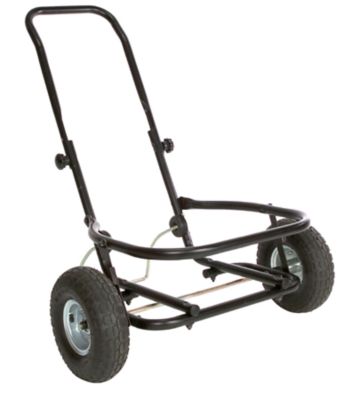
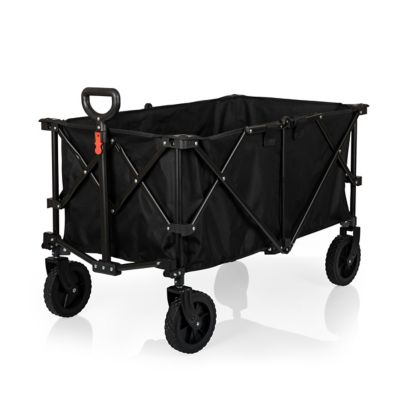
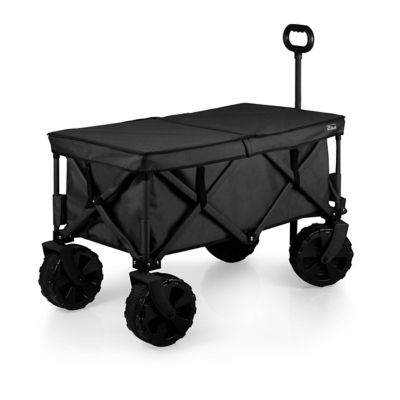
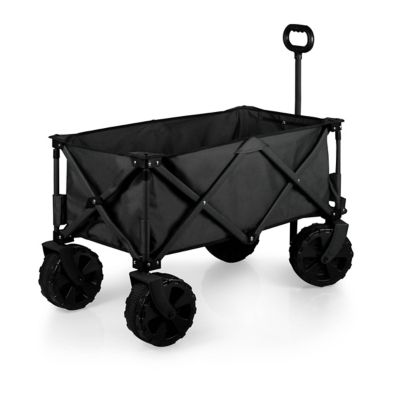
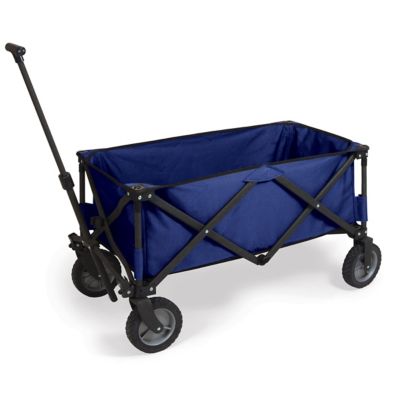
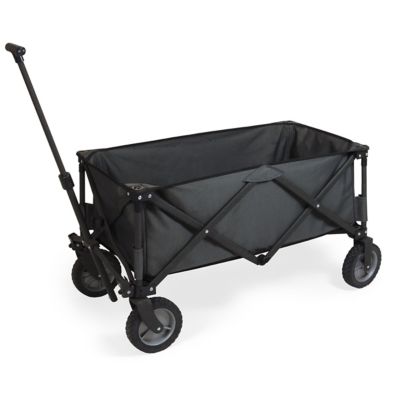
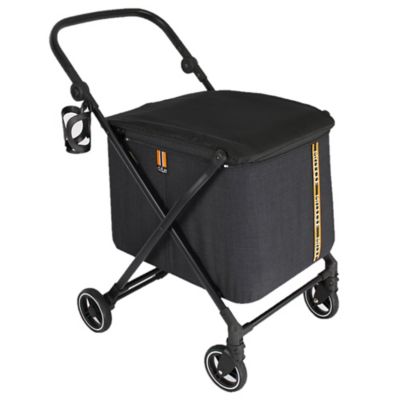
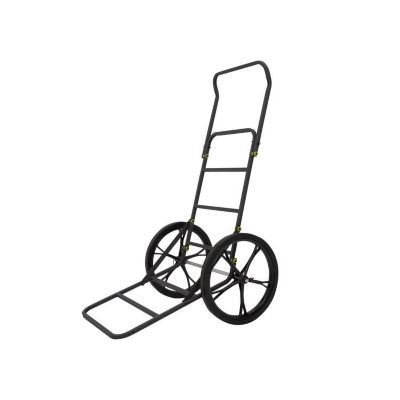
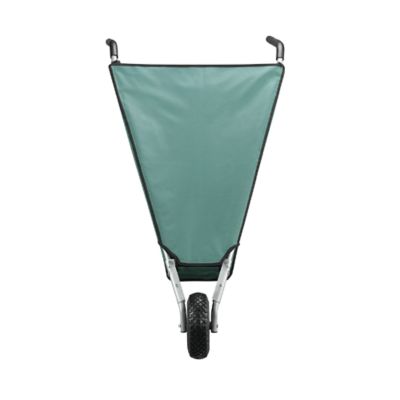
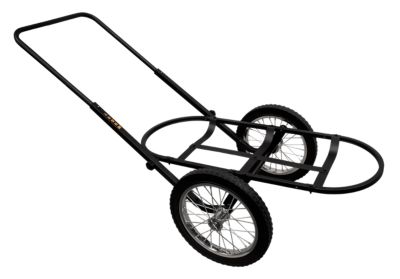
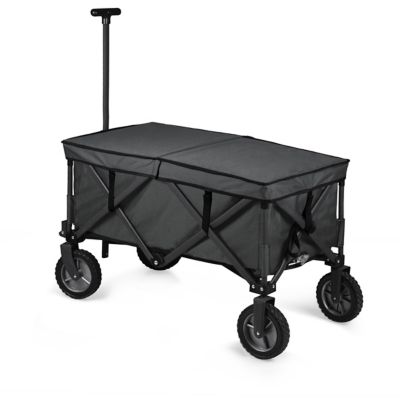
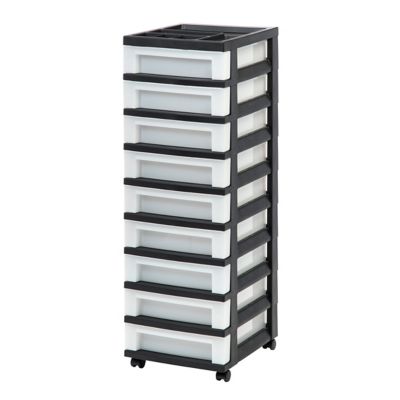
Folding utility carts make it easier to move a load without giving up permanent space in the shed, garage, or vehicle. A folding utility cart is a wheeled carrier with a frame, basket, bed, or platform that collapses for storage between hauling jobs. The category includes rolling crates for smaller loads, collapsible wagons with roomy fabric beds, and folding hand trucks or platform carts for boxes and equipment. Each style handles a different kind of work. An upright crate keeps grocery bags and cleaning supplies together on the walk from the driveway, while a wagon gives loose gear a place to ride on the way to the barn or ballfield. A flat platform supports stacked containers, and a hand truck lets taller loads rest against an upright frame. For folks carrying tools between outbuildings, tending a garden, or packing supplies for a campground, the appeal is straightforward: fewer armloads and a carrier that can tuck away afterward. The best fit depends on both the load and the route. Bed dimensions matter just as much as the stated weight limit, especially for wide containers, long-handled tools, or several bags that need to sit side by side. A deep basket helps contain smaller belongings, while an open platform makes it easier to slide a large box into position. The cart’s own weight also deserves a look, since it still needs to be lifted into a truck bed or carried up to a storage shelf. Load ratings apply to the cart as designed, so a generous capacity does not mean every load will be easy to steer across every surface. Keeping heavier belongings low and centered helps the cart feel steadier, and spreading weight across the bed puts less strain on one corner. Tall stacks can block the view ahead or make a turn awkward, even when their combined weight stays within the stated limit.
Materials and wheel design play a big part in how folding utility carts handle everyday chores. Steel frames can provide substantial support, while aluminum frames often keep carrying weight down. Plastic crates offer a contained space that is generally simple to wipe out, and fabric-sided wagons fold into a smaller bundle than many rigid carriers. Fabric construction varies, so stitching, reinforced corners, attachment points, and the floor support all deserve attention when comparing designs. A removable liner can make cleanup easier after hauling potting mix or dusty barn supplies, provided it is cleaned according to its care directions. Wheels need to match the ground between the loading spot and the destination. Smaller, firmer wheels tend to roll best on smooth floors and paved paths; larger-diameter wheels generally cross small cracks and uneven ground more easily. Wider wheels may help spread the load on loose surfaces, though deep gravel, sand, and rutted paths can still take considerably more pulling effort. Air-filled tires can cushion a load but need pressure checks, while solid tires avoid flats and may transmit more bumps through the frame. Swiveling front wheels help a cart turn around shelving or through a doorway, but the overall width and turning space still matter in a narrow feed room. A longer wheelbase can also change how much room a cart needs at a corner. Handle height and grip shape affect comfort over repeated trips, particularly when more than one person shares the hauling chores. Adjustable handles offer flexibility, while push-style and pull-style designs suit different routes and loads. A wheel brake can help keep a cart in place during loading on suitable ground, but it is not a substitute for a level stopping spot. Ordinary folding carts are not stair-climbing equipment; steps call for equipment specifically designed for that job or another way to move the load.
The folding mechanism is another everyday detail that matters long after the first trip. Some carts collapse inward from the center of the bed, while others fold at the handle, wheels, or platform. Folded measurements tell more than a general claim of compact storage, especially when the cart needs to fit behind a truck seat, beneath a workbench, or beside shelving. A cart that stands on its own when folded may be easier to store in a busy mudroom, while a retaining strap or latch helps keep the frame closed during transport. Before loading, the frame should be fully open with its locks engaged and any floor panel seated as directed. Fingers need to stay clear of hinges and pinch points during folding. For heavier or more frequent hauling,
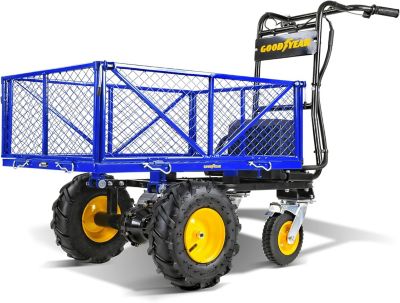
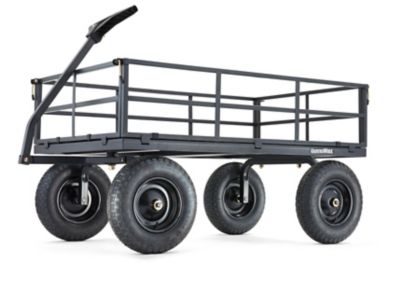
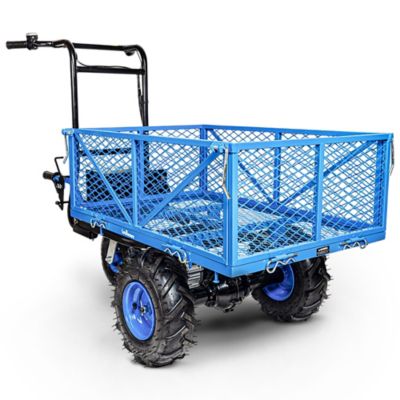
Heavy Duty Utility Carts offer another category to consider alongside the need for compact storage. Comparing frame support, platform size, wheel construction, and rated capacity helps separate a cart suited to grocery runs from one intended for substantial shop loads. Care is usually straightforward, but the details depend on the materials. Loose dirt can be brushed from the bed, frame joints, and wheels before it works into moving parts. Fabric liners should dry fully before folding, and metal frames benefit from having moisture wiped away rather than trapped inside a closed bundle. Wheel axles, fasteners, latches, and handle connections deserve periodic checks for looseness, wear, or damage, with lubrication only where the manufacturer calls for it. Keeping straps and loose fabric away from the wheels helps prevent snags. For gardeners moving pots, families hauling sports gear, and property owners ferrying supplies from the vehicle to the shed, a well-matched folding cart earns its space through ordinary work. It holds the scattered pieces of a task together, rolls them where they need to go, and folds out of the way when the hauling is done.