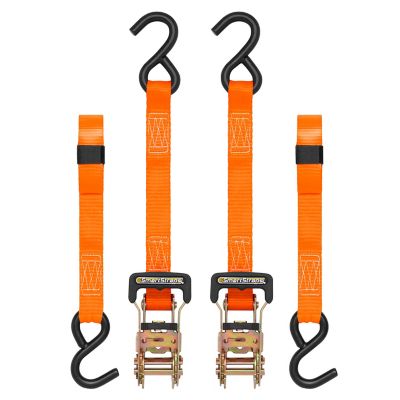
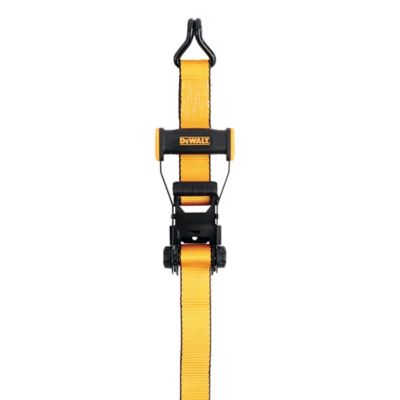
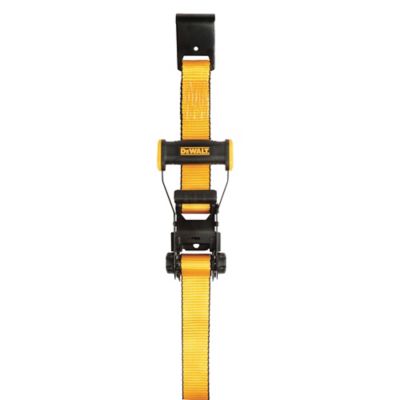
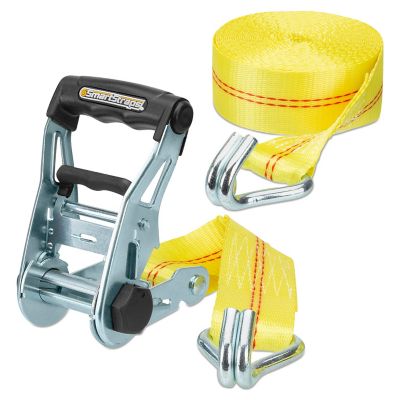
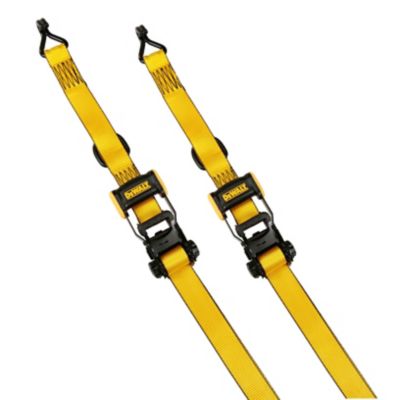
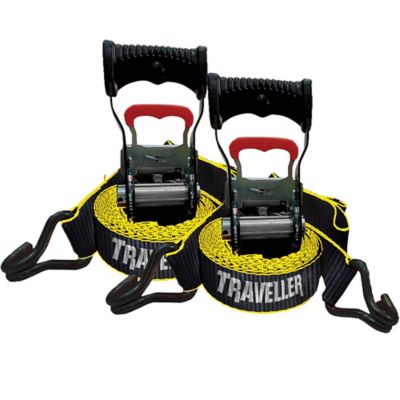
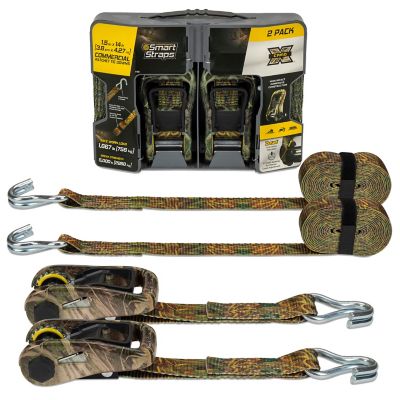
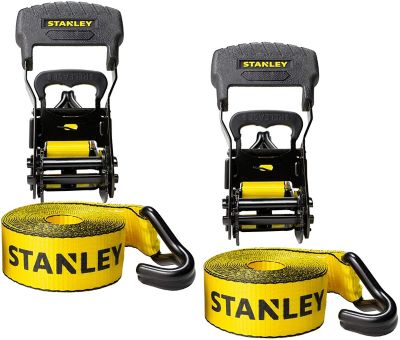
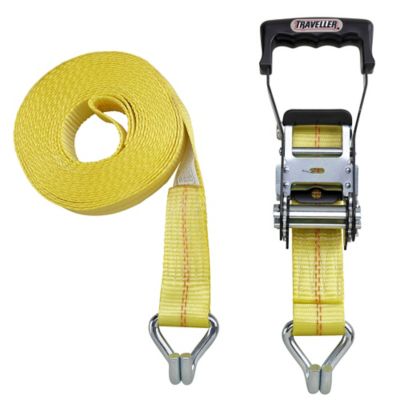
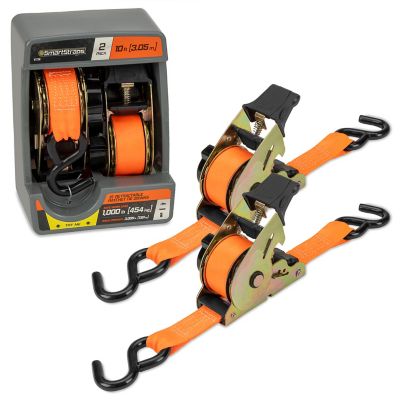
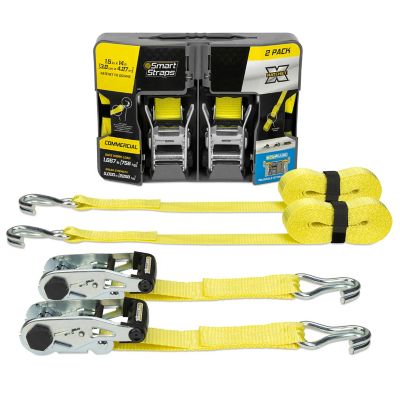
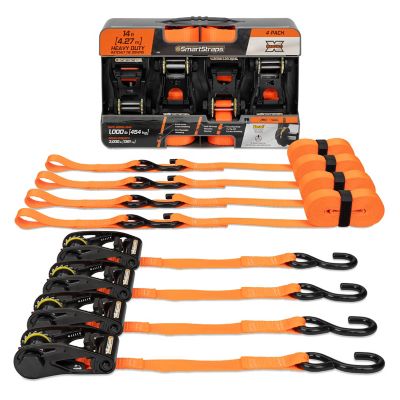
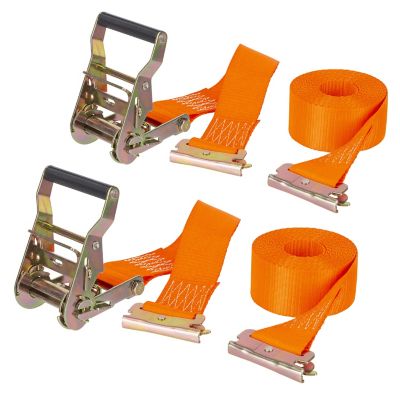
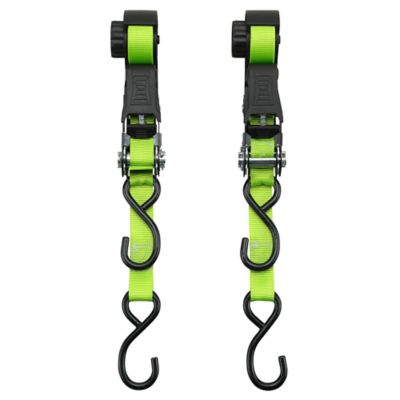
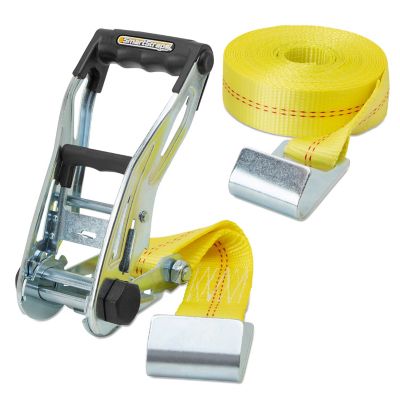
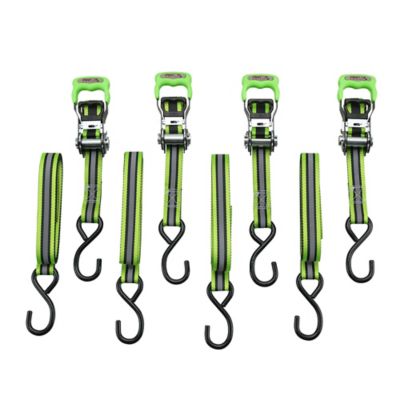
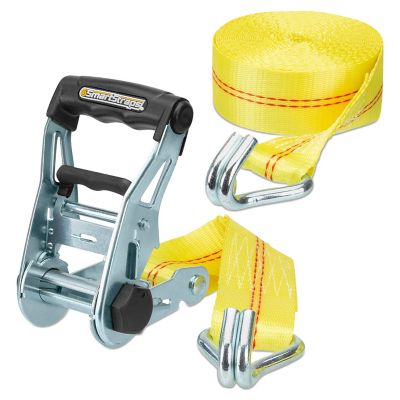
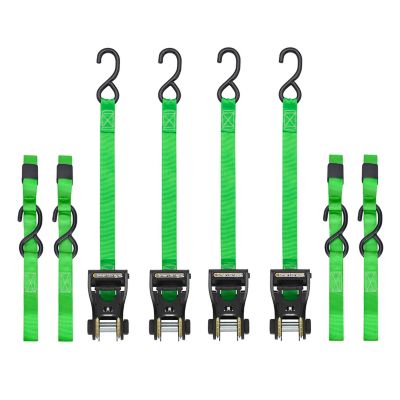
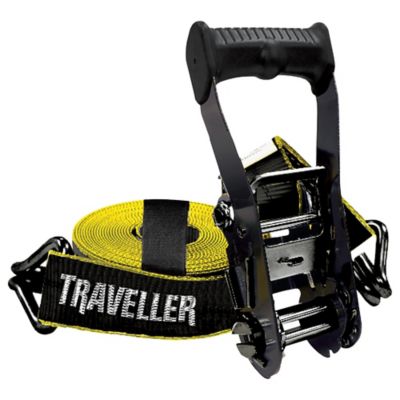
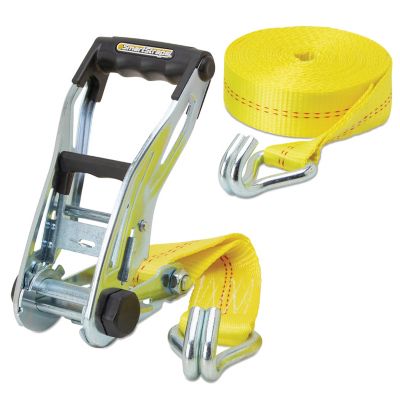
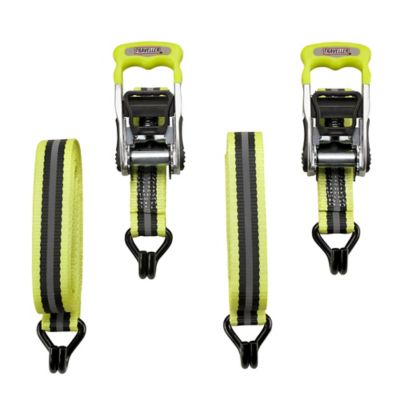
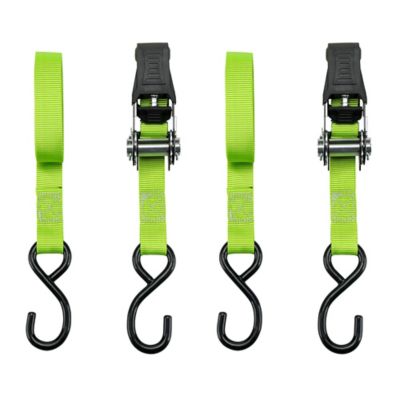
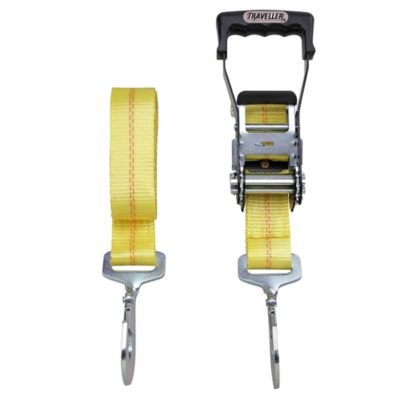
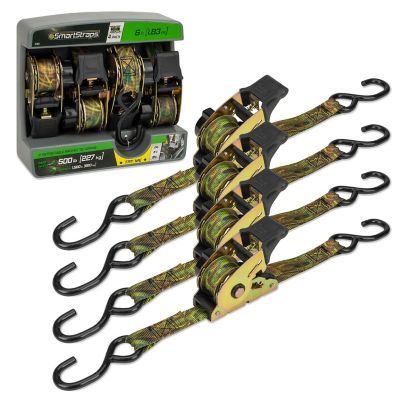
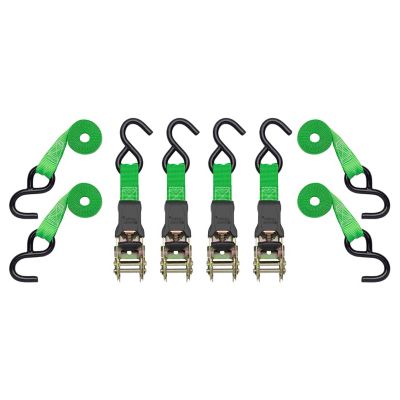
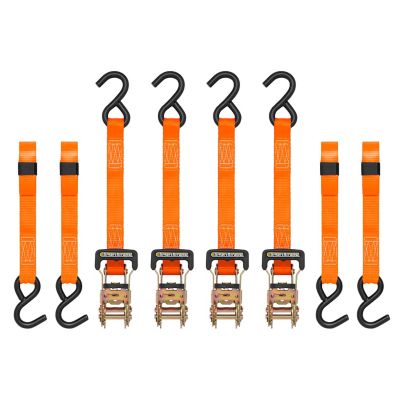
Heavy duty ratchet straps are made for keeping bulky, awkward, or valuable loads firmly in place during transport. They’re a practical part of the kit for farmers, ranchers, landscapers, contractors, mechanics, campers, motorsports enthusiasts, and anyone who regularly hauls equipment or materials. A dependable set can help secure everything from lumber, fencing supplies, and feed equipment to ATVs, motorcycles, lawn tractors, furniture, and packed storage totes. They’re also a handy gift for someone with a pickup, utility trailer, enclosed trailer, flatbed, or farm truck. When cooler weather rolls in, ratchet straps can come in handy for hauling firewood, winter equipment, wrapped hay, building materials, or a load of supplies home from the hardware store. The key is choosing straps that match the weight and shape of the cargo, along with the tie-down points available on the trailer or truck. Pay close attention to the working load limit, or WLL, which is the maximum load a strap is rated to secure safely under proper conditions. The combined WLL of the straps used should meet or exceed the total weight of the load, with enough capacity to account for shifting forces, rough roads, braking, and turns. Break strength is a separate measurement that describes the point at which the webbing or hardware may fail; it is not the same as the working load limit and should never be treated as the usable capacity. Many heavy duty tie-downs have a break strength several times higher than their WLL, but the lower WLL is the number to use when planning a securement setup. Strap width and length matter, too. Wider webbing may offer added durability for demanding jobs, while the right length keeps excess material manageable without leaving too little strap to wrap or tension. Measure around the cargo and through the anchor points before buying, especially when securing tall equipment or loads with unusual shapes. A strap that is too short can be difficult to tension properly, while excess webbing should be bundled or tied off so it cannot flap against the load or catch on nearby parts.
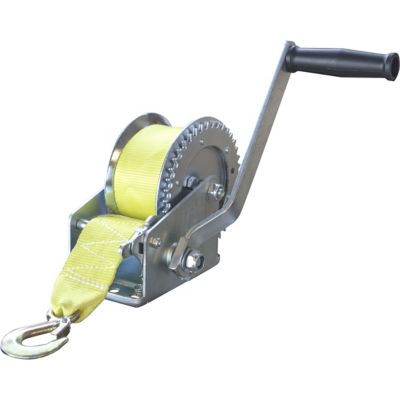
Hook style is another important consideration. Double J-hooks and wire hooks are commonly used with trailer D-rings, side rails, and other enclosed anchor points. Flat hooks can be a better fit for flatbed trailers and wide rails when the hook can sit fully and securely on the attachment surface. Soft tie loops are useful when you need to protect painted frames, handlebars, axles, or other areas where a metal hook could scratch or dent the finish. Before each use, run the webbing through your hands and look for cuts, frayed edges, melted spots, holes, heavy abrasion, chemical damage, or stitching that has pulled loose. Check the ratchet handle, axle, release lever, hooks, and connection points for bending, cracks, rust, or anything that keeps the mechanism from operating smoothly. Do not use a strap that has been exposed to sharp edges without suitable protection, and do not knot the webbing, use it for overhead lifting, or rely on it to tow a disabled vehicle unless the strap is specifically designed and rated for that job. Place the strap over sturdy parts of the load, avoid fragile trim and loose panels, and use edge protectors where corners could cut or wear through the webbing. Center the cargo, distribute weight evenly, and snug the strap firmly without crushing the load or overworking the ratchet. After driving a short distance, stop in a safe location to check the tension and make sure the hooks and anchor points have not shifted. Long trips, bumpy gravel roads, and changing temperatures can loosen a load, so inspect the setup whenever conditions change. For boat owners comparing tie-down options, dedicated
Heavy Duty Boat Winch Straps are made for a different style of boat-trailer securement and may be worth considering alongside general-purpose ratchet straps. With the right rating, length, hook design, and careful inspection, heavy duty ratchet straps provide a straightforward way to keep a load steady from the driveway to the jobsite and back home again.