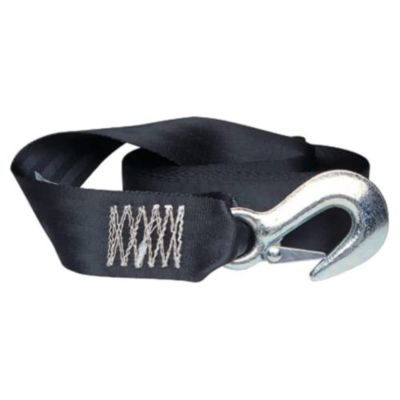
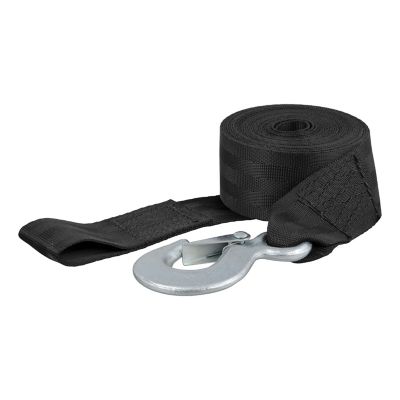
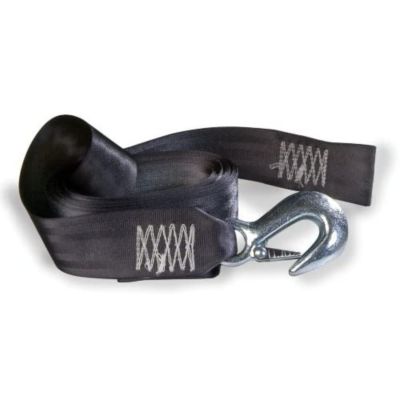
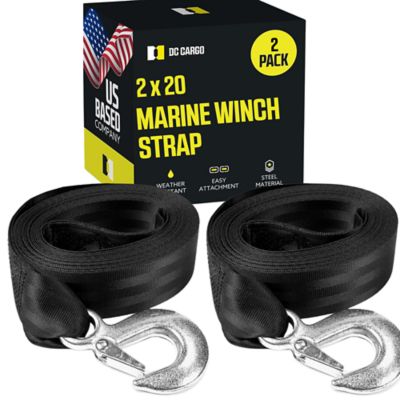
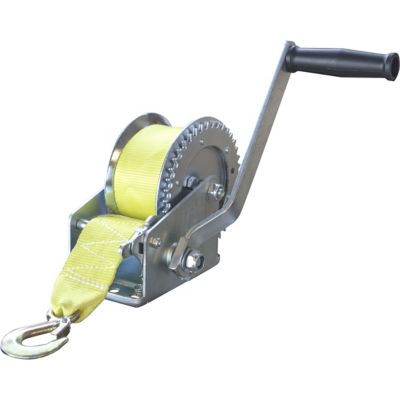
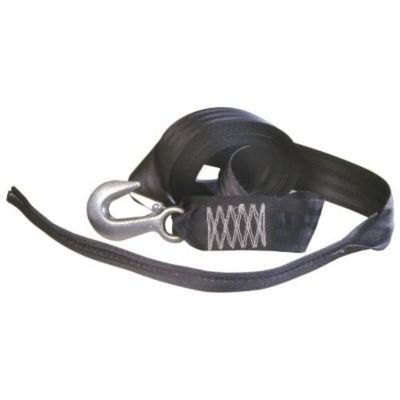
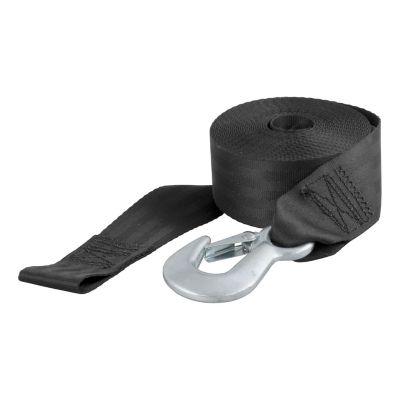
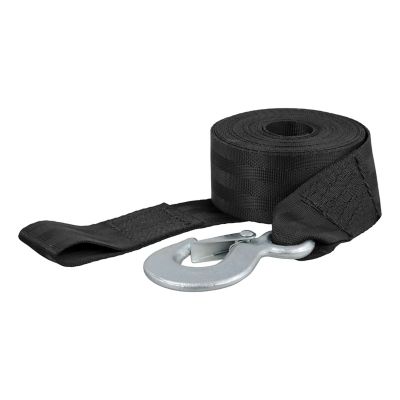
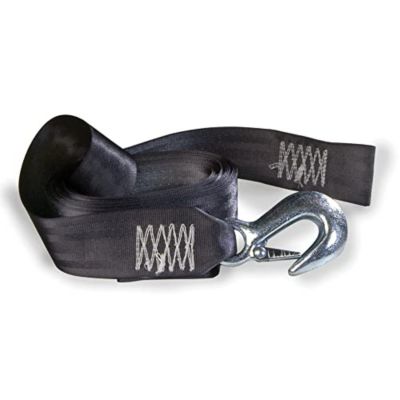
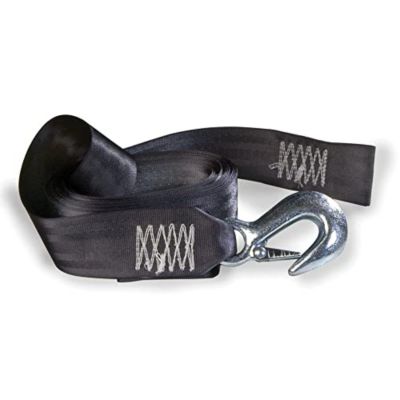
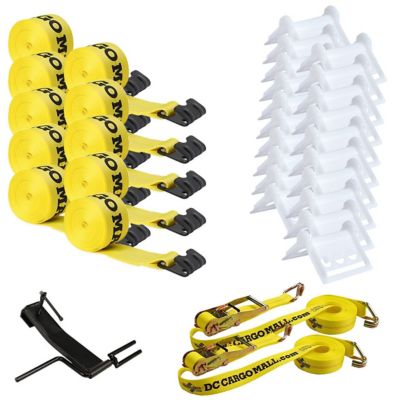
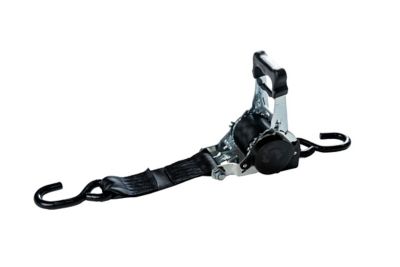
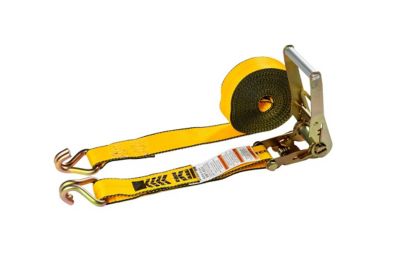
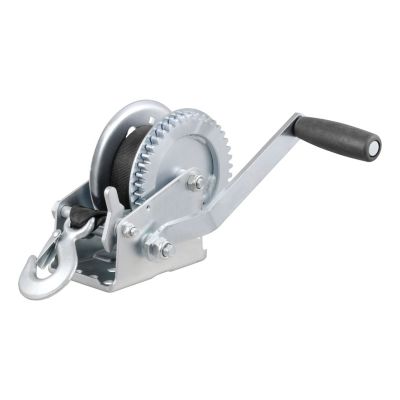
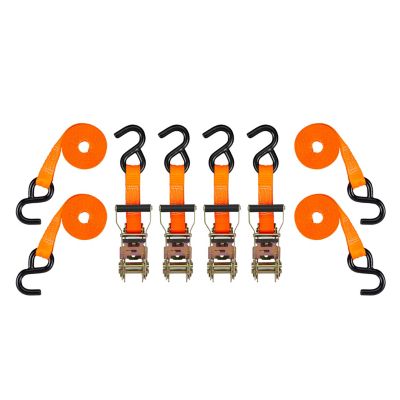
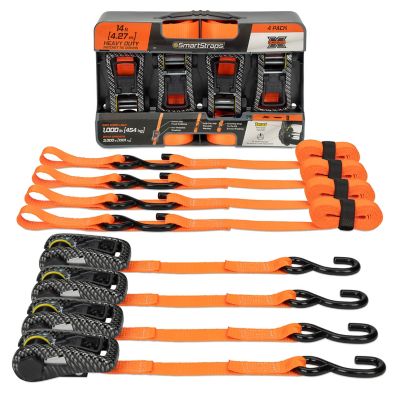
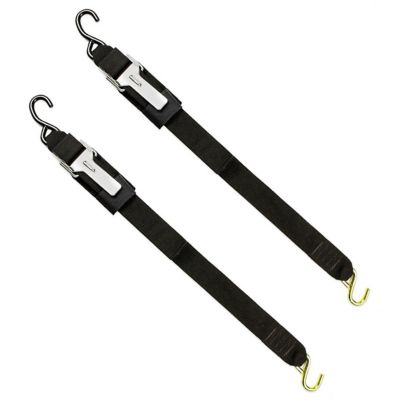
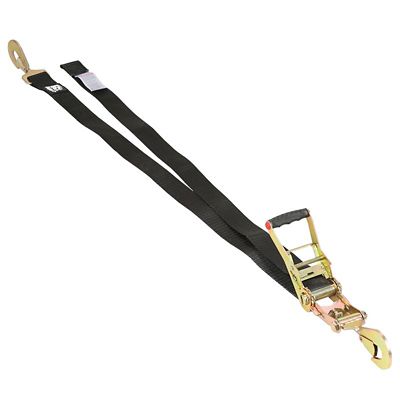
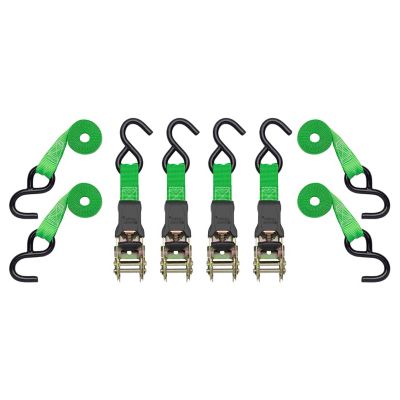
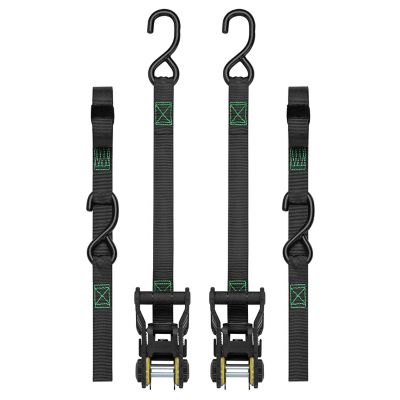
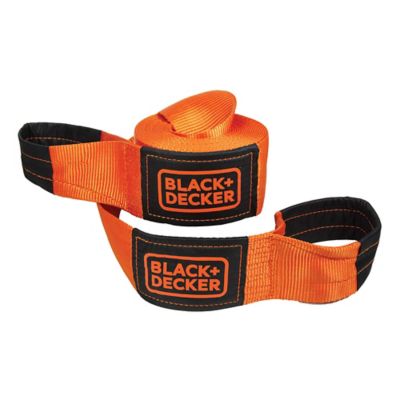
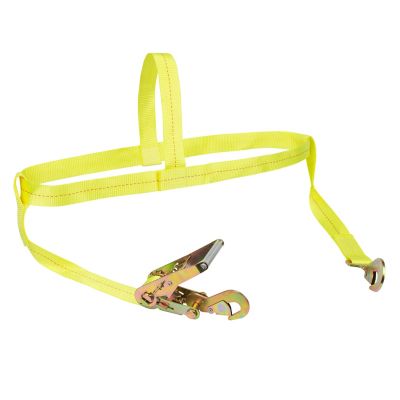
Heavy duty boat winch straps help move a boat onto a trailer and keep the bow secured during loading, unloading, storage, and travel. They are a practical choice for anglers, lake-house owners, marina crews, hunting and fishing families, and anyone who spends warm days on the water and cooler seasons getting a trailer ready for the next outing. A strap takes the pull from the winch drum and transfers it to the boat’s bow eye, so the webbing, stitching, hook, and mounting point all deserve a close look. Most trailer winch straps are about 2 inches wide and come in lengths around 15 to 25 feet, though the right size depends on the winch, trailer layout, and distance from the drum to the bow eye. Polyester webbing is a common choice because it handles repeated pulling and resists stretching better than many other strap materials. Look for a clearly listed break strength and working load limit rather than judging a strap by appearance alone. Break strength describes the force at which the strap may fail in a test, while the working load limit is the lower figure intended for normal handling. As a general shopping check, many towing professionals look for a break strength at least 150% of the winch’s rated capacity, then confirm the manufacturer’s instructions for the trailer, boat, and winch. The boat’s weight, the angle of the pull, the ramp surface, and whether the trailer is level can all affect the strain placed on the system.
Before choosing a replacement or first-time strap, match the strap length and width to the winch drum and its mounting slot. A strap that is too short may not leave enough wraps on the drum, while excess length can pile up unevenly and rub against nearby parts. The webbing should sit flat on the drum without crossing, twisting, or bunching. Pay attention to the end style and hook shape as well. A forged steel snap hook or similar trailer hook needs to fit the boat’s bow eye without binding, and the latch should close fully when the strap is under tension. Check the attachment point where the strap connects to the drum, including the bolt, pin, or fastener. If the mounting bolt is bent, deeply rusted, worn at the threads, or showing other damage, replace it before installing a new strap. A stronger strap cannot make up for a bent fastener, a cracked bow eye, a loose winch stand, or a trailer frame that needs attention. Before each trip, look along the full length of the webbing for frayed edges, cuts, melted spots, pulled stitching, sun damage, or areas that have become stiff and thin. Road grit, standing water, fuel, and repeated rubbing can take a toll, especially when a trailer spends much of its time near a ramp or shoreline. Rinse away mud and salt, let the strap dry, and wind it onto the drum in even layers. Keep fingers, loose clothing, and tools clear of the drum while the winch is operating, and never stand in line with a loaded strap or cable. These simple habits matter whether the winch is hand-cranked or electric, and they help keep loading steady when the ramp is slick, the wind is pushing the boat sideways, or daylight is fading.
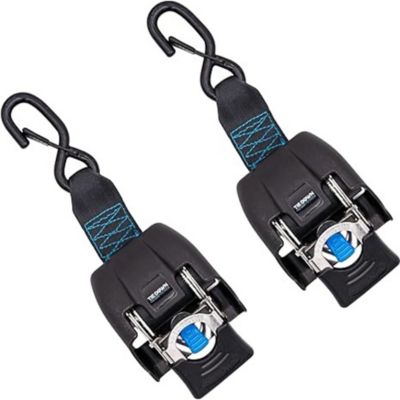
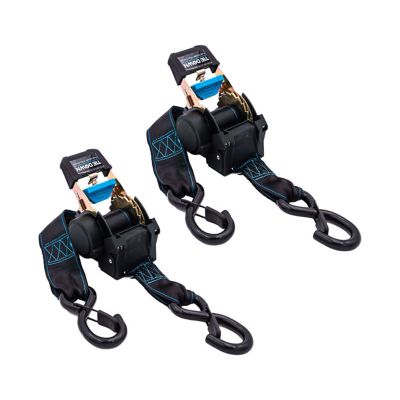
When comparing heavy duty boat winch straps, start with the boat and trailer rather than the strap alone. Know the boat’s approximate loaded weight, including fuel, batteries, fishing gear, coolers, and other equipment that stays aboard during transport. Check the winch rating, the trailer manufacturer’s specifications, and the boat’s bow-eye instructions. A hand-crank winch may call for a different setup than an electric model, and the winch drum must have enough room for the selected length and number of wraps. A 2-inch strap in a 15-, 20-, or 25-foot length can fit many common trailer arrangements, but measuring the existing path from the drum to the bow eye is a smart way to avoid a poor fit. The hook should connect to the bow eye without forcing the metal sideways, and the strap should pull straight when the boat is seated against the bow stop. During loading, keep the boat centered, maintain control of the winch handle or switch, and confirm that the bow is fully against the stop before securing the trailer for the road. The winch strap is not a substitute for the boat’s separate transom or stern tie-downs; follow the trailer maker’s instructions for all required restraints. For shoppers comparing related tie-down equipment,
Towing Straps can help round out a trailer setup for hauling equipment, watercraft, or other loads. A well-matched strap can make routine ramp work feel more controlled, from the first launch after winter storage to the final trip before colder weather settles in. Store the strap out of direct sun when practical, keep it clean and dry, and replace it at the first clear sign of damage rather than waiting for a failure under load.