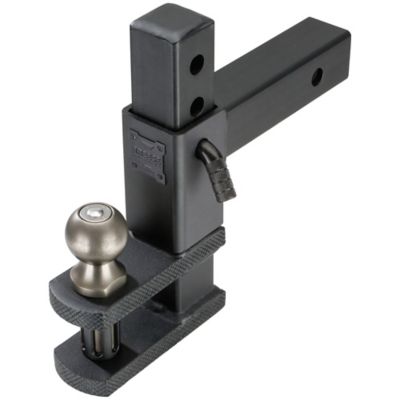
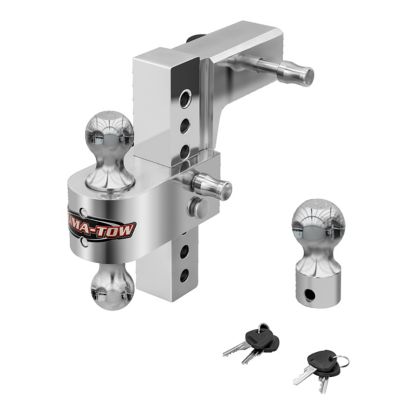
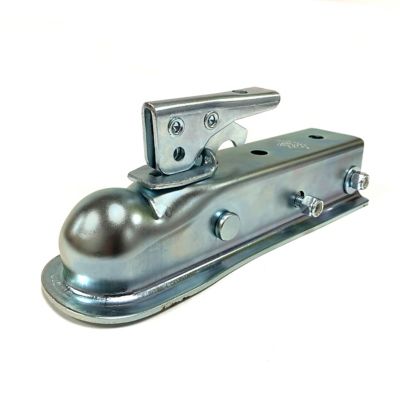
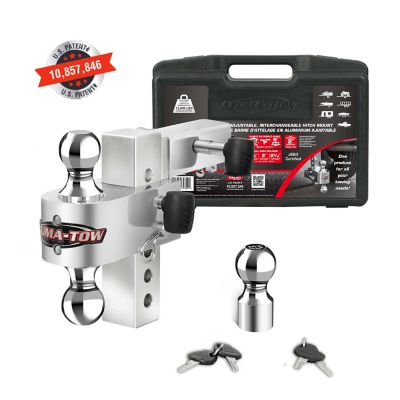
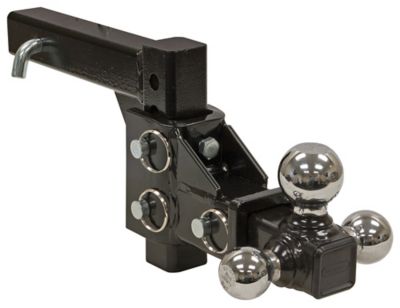
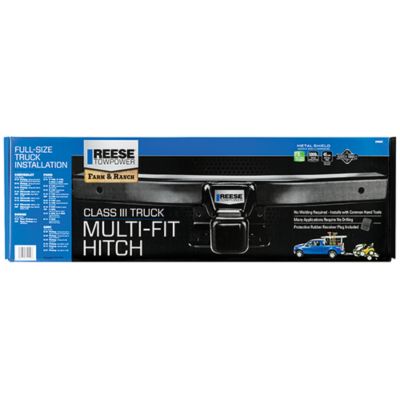
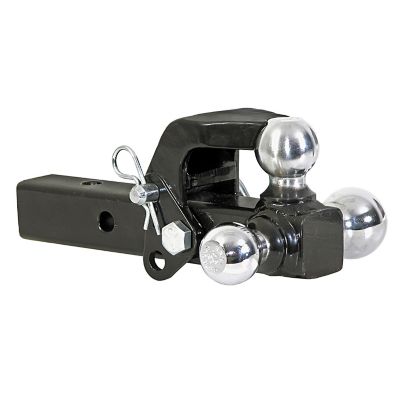
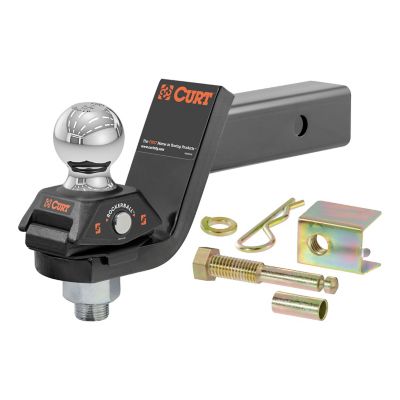
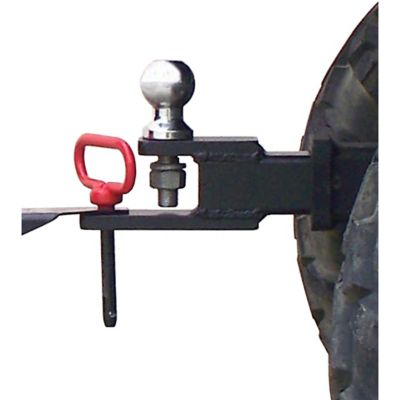
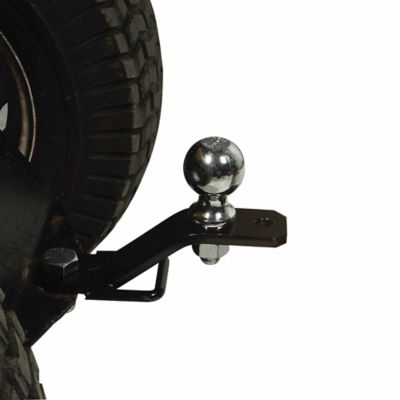
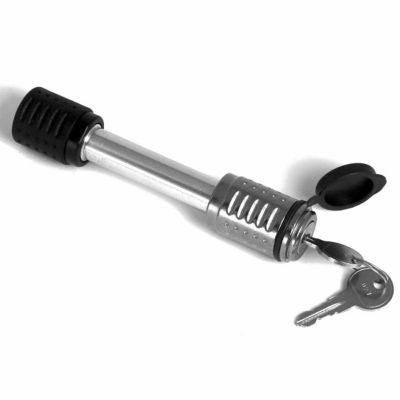
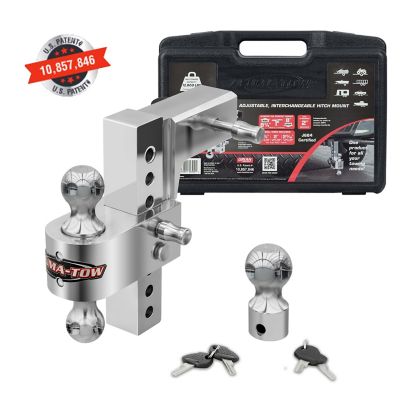
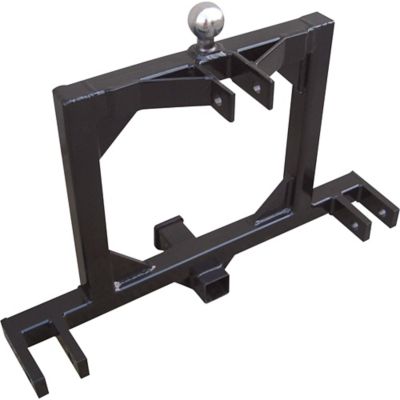
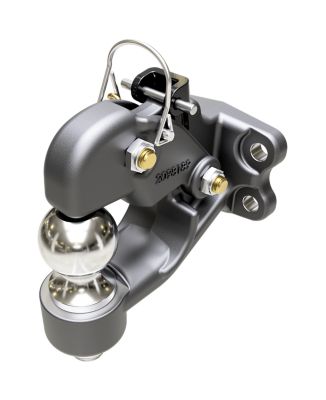
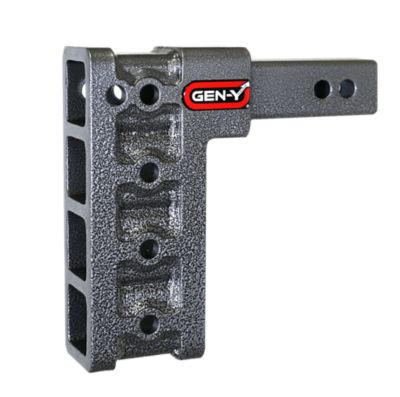
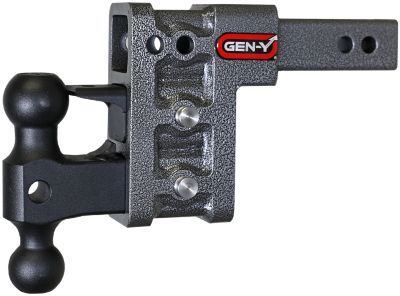
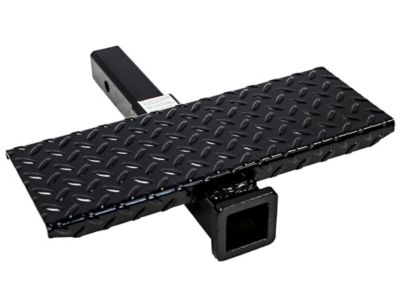
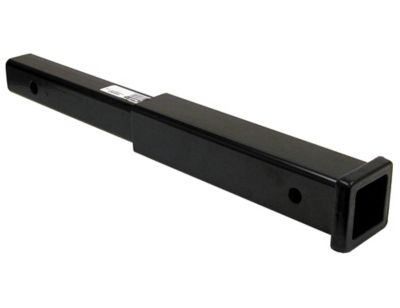
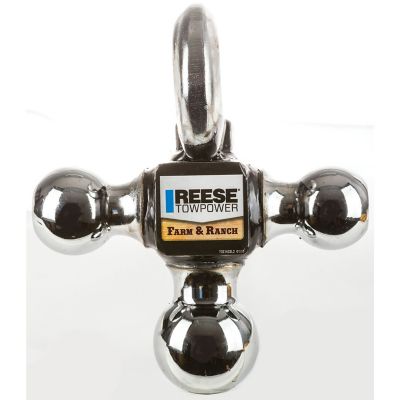
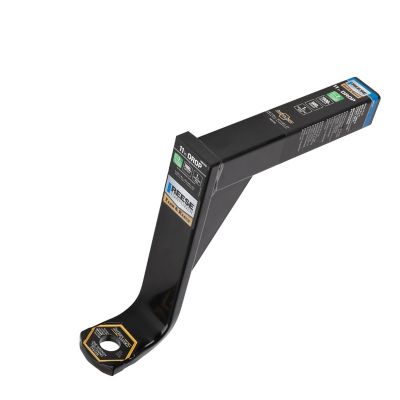
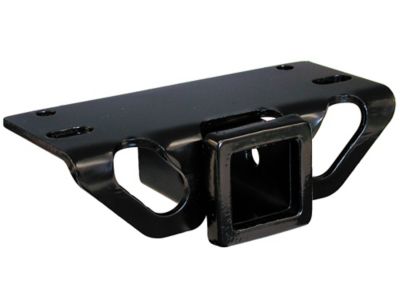
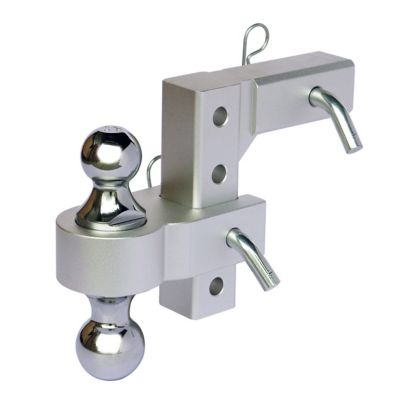
Trailer towing hitches make it possible to connect a vehicle with the trailer, cargo carrier or other towable equipment you need for work and recreation. A hitch is mounted to the vehicle’s frame and works with the right ball mount, hitch ball, pin and clip, wiring connection, and other towing accessories to create a dependable setup. Pickup owners may use a hitch for hauling a utility trailer loaded with fencing supplies, feed, tools or firewood, while SUV and crossover drivers may need one for a small camper, boat trailer, lawn equipment trailer or enclosed cargo trailer. The right setup can also make it easier to bring along bikes, a mobility carrier or extra cargo when the vehicle’s interior is already full. For riders and families,
Trailer Hitches For Bike Racks can provide a convenient way to carry bikes without filling up the truck bed or tying them to the roof. During the cooler months, a trailer hitch may see plenty of use moving storm cleanup, hauling firewood or getting equipment where it needs to go, so it pays to choose towing parts that match the vehicle and the job. A hitch can also be a practical gift for someone who spends weekends at the lake, maintains acreage, camps with the family or regularly helps neighbors move bulky loads.
Start with the vehicle owner’s manual and the hitch’s listed capacity rather than choosing by appearance alone. Hitches are commonly grouped by class, with Class 1 and Class 2 options generally intended for lighter-duty towing and many cars, compact SUVs and crossovers. These often use a 1-1/4-inch receiver and may work well for light trailers or hitch-mounted accessories when the vehicle is rated for that use. Class 3 hitches are a popular choice for many trucks and full-size SUVs, typically using a 2-inch receiver for a wider range of ball mounts, cargo carriers and towing accessories. Heavier-duty classes are made for larger loads, but a higher-rated hitch does not increase the vehicle’s own towing limit. The complete setup is only as capable as its lowest-rated part, including the vehicle, hitch, receiver, ball mount, hitch ball, coupler, safety chains and wiring. Check the trailer’s gross trailer weight, or GTW, which is the loaded weight of the trailer, along with tongue weight, which is the downward force placed on the hitch. Keep cargo balanced from front to back and secured so the trailer stays steady on the road. Never estimate a loaded trailer by how it feels when moving it by hand; use a suitable scale or the manufacturer’s weight information, especially when carrying dense loads such as lumber, livestock supplies or machinery parts.
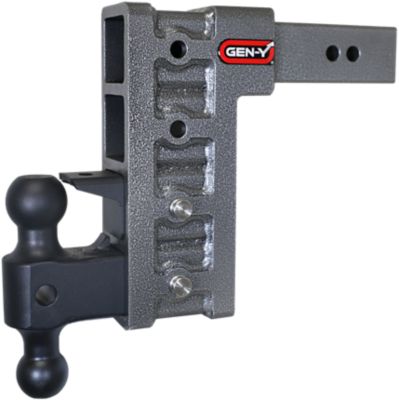
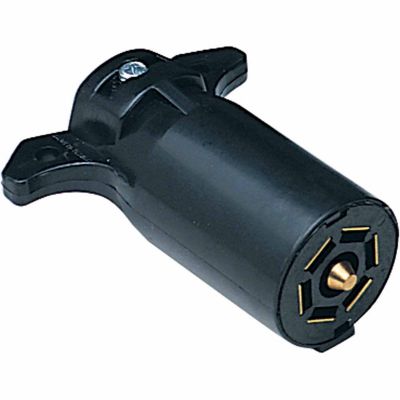
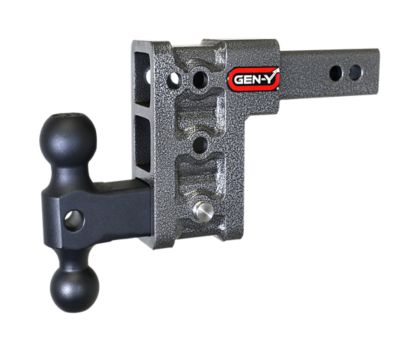
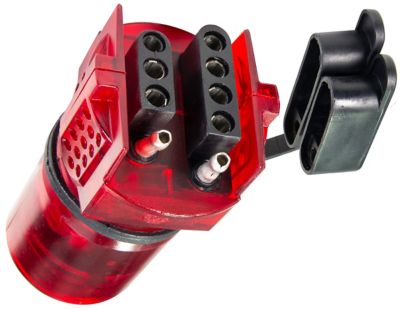
The receiver opening needs to match the ball mount or accessory shank, and the ball mount needs the correct drop or rise to keep the trailer level when connected. A trailer that rides nose-up or nose-down can handle poorly, place too much weight on one axle and put extra strain on the hitch and vehicle. Measure the height of the vehicle’s receiver and the trailer coupler with both sitting as they will when towing, then account for the ball mount and hitch ball before selecting a drop or rise. The hitch ball must match the trailer coupler size and weight rating, and it should be torqued and installed according to the manufacturer’s directions. For heavier trailers, a weight distribution hitch can help transfer some tongue weight across the tow vehicle and trailer axles, improving balance and steering response when the vehicle and trailer are properly rated for that system. A sway-control component may also be useful for certain trailers, but it is not a substitute for correct loading, safe speed and a properly adjusted setup. Wiring is another important part of the job. The trailer lights should operate with the vehicle’s running lights, turn signals and brake pedal, and the electrical connector should be protected from road spray and dirt. Before pulling away from the driveway, inspect the mounting hardware, insert the hitch pin fully, lock the coupler over the ball, attach crossed safety chains, connect the breakaway cable where required and check every light. A slow walk-around before each trip can catch a loose pin, worn chain, low tire or open latch before it becomes a problem on the highway. When autumn leaves cover the road or winter weather makes stopping slower, leave extra following distance and take turns gently. With the right trailer towing hitch and matching accessories, everyday hauling becomes a more manageable part of farm chores, home projects, camping trips and time spent outdoors.