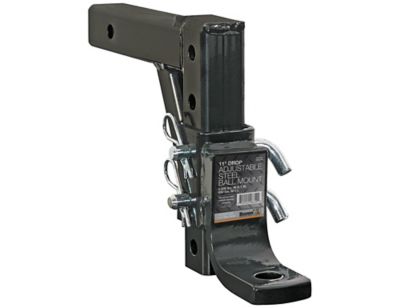
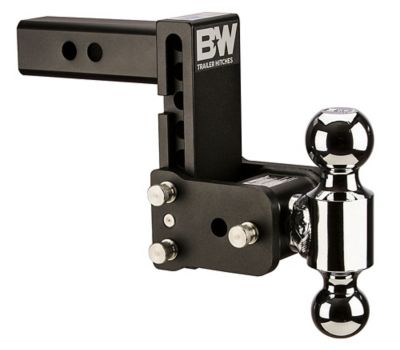
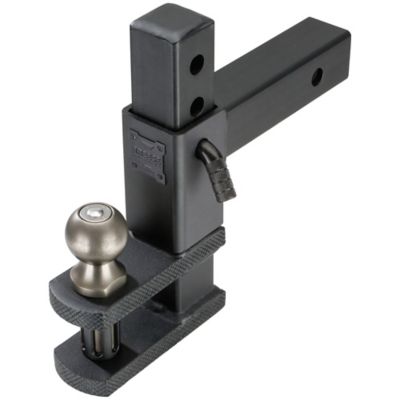
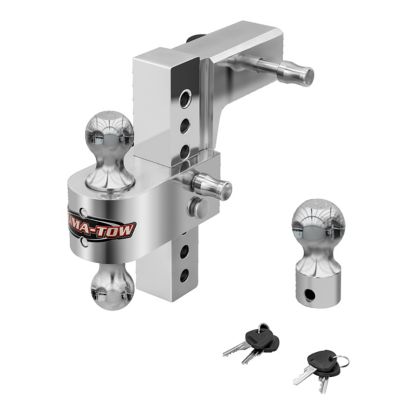
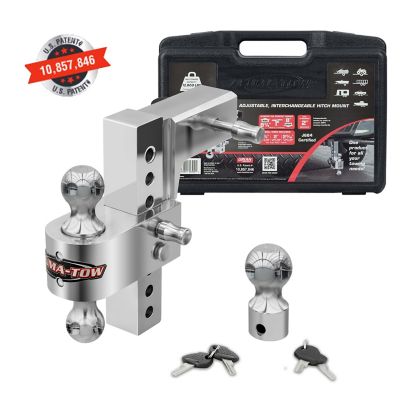
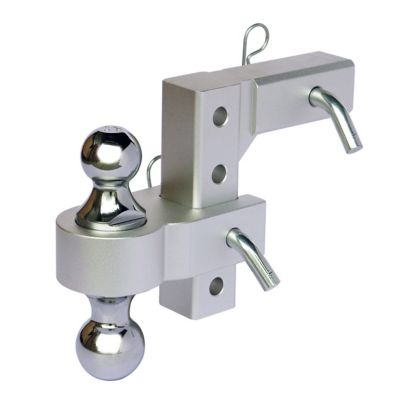
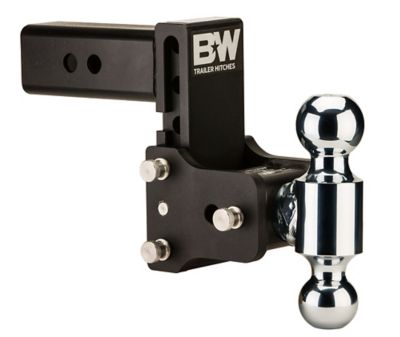
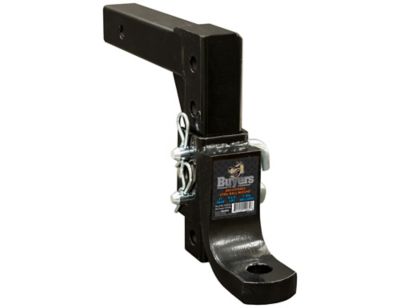
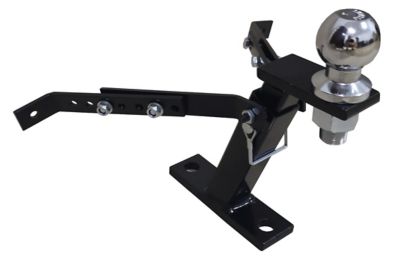
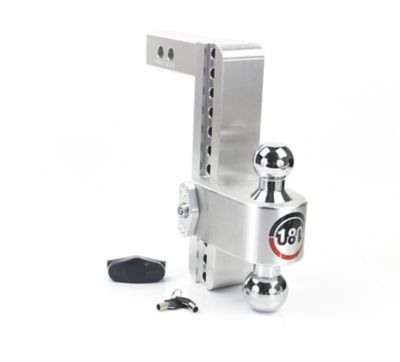
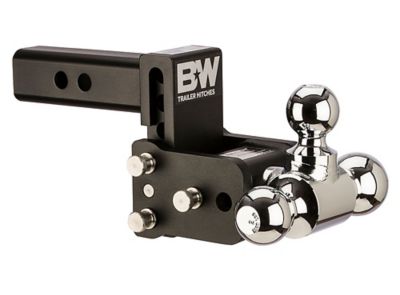
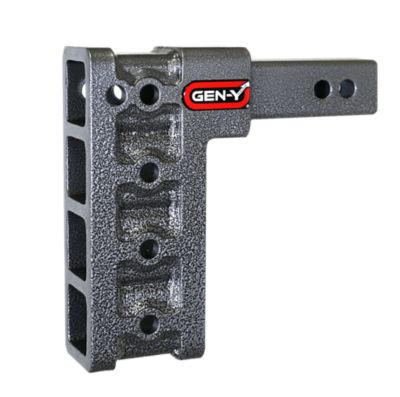
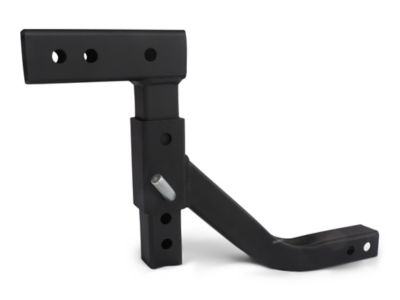
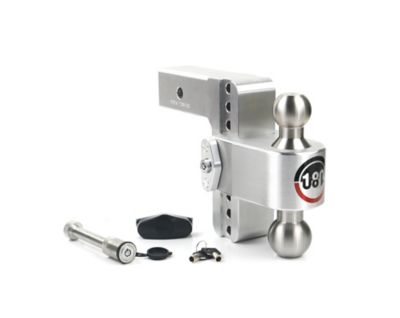
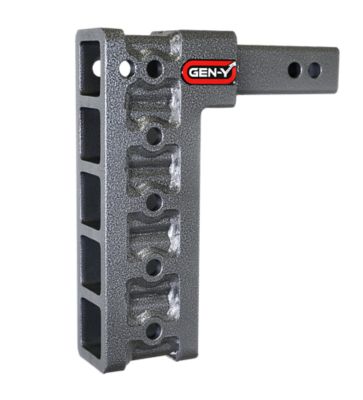
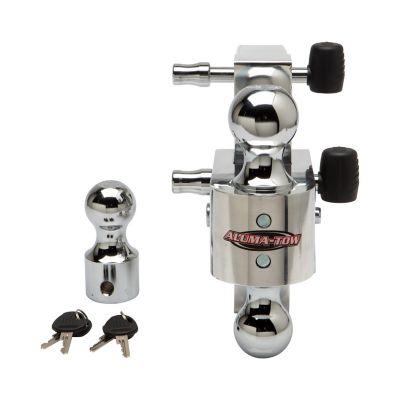
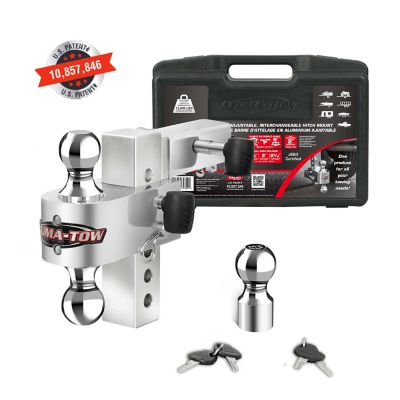
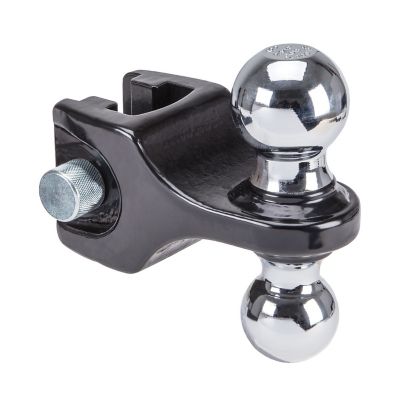
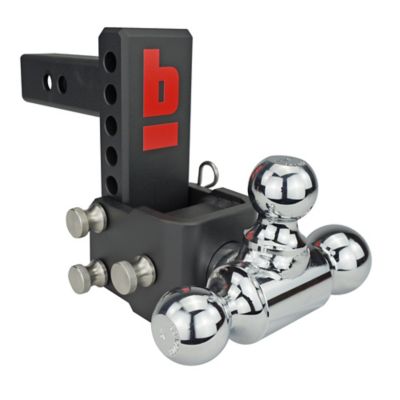
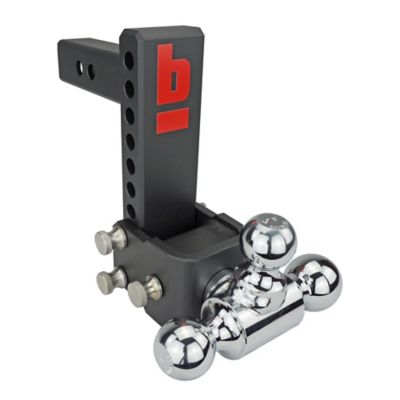
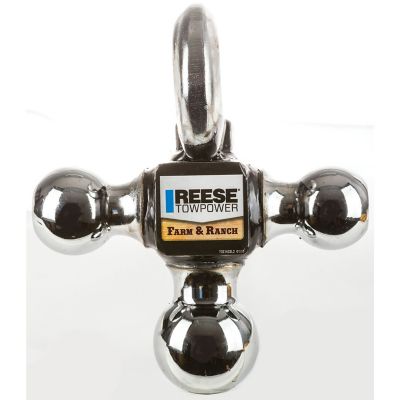
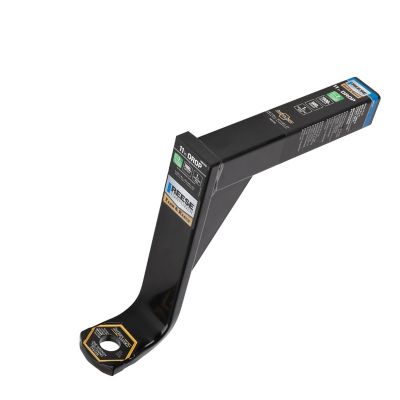
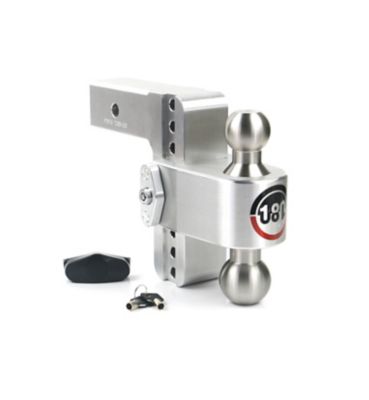
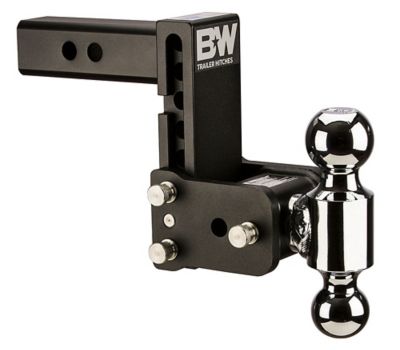
Adjustable height trailer hitches help keep your tow vehicle and trailer sitting at a safer, more balanced angle when you haul equipment, livestock trailers, utility trailers, campers, boats or loaded cargo trailers. Instead of being locked into one fixed height, an adjustable ball mount lets you raise or lower the trailer connection to match different trailer coupler heights. A level trailer generally tracks more predictably, helps distribute weight more evenly across the axles and can make loading and towing feel steadier on back roads, gravel lanes and busy highways. These hitches are especially handy for farm and ranch work, where one truck may pull several trailers with different frame heights, or for families who use the same vehicle for a small utility trailer in the summer and a taller camper or boat trailer during other parts of the year. They can also make a practical gift for someone who spends weekends hauling firewood, ATVs, landscaping materials, fencing supplies or a horse trailer, although the receiver size and towing requirements should be confirmed before purchase. When shopping, start by checking the vehicle’s receiver opening, such as 1-1/4-inch, 2-inch, 2-1/2-inch or 3-inch, and choose a ball mount designed to fit that receiver. A hitch that does not match the receiver cannot be safely substituted with guesswork or a loose-fitting setup. Next, compare the hitch’s gross trailer weight and tongue weight ratings with the fully loaded trailer, not just its empty weight. The lowest-rated part of the towing system sets the practical limit, so check the vehicle, receiver, ball mount, hitch ball, coupler and trailer ratings together. Multi-ball designs can be convenient when you tow trailers with different coupler sizes, while a single-ball design may suit a dedicated trailer and offer a simpler setup. Make sure the hitch ball diameter matches the trailer coupler exactly and that the ball has the proper shank diameter, shank length and torque requirements for the mount. Some adjustable models are built from steel for a rugged, work-ready feel, while aluminum options may be lighter and easier to handle. Finish, corrosion resistance and included hardware also matter when equipment is exposed to rain, road salt, mud and dust during the cooler months. A locking pin or hitch lock can help secure the mount to the vehicle, but it should never take the place of the correct retaining clip or manufacturer-approved hardware.
Finding the right rise or drop is mostly a matter of measuring before ordering. Park the tow vehicle and trailer on flat, level ground with the trailer loaded as it will be for normal use. Measure from the ground to the top inside edge of the vehicle’s hitch receiver. Then measure from the ground to the bottom of the trailer coupler. Subtract the coupler measurement from the receiver measurement to determine the approximate drop needed; if the trailer coupler sits higher than the receiver, the difference indicates the rise needed instead. For example, if the receiver measurement is 18 inches and the coupler measurement is 12 inches, the setup needs about a 6-inch drop. Allow for the height of the hitch ball and follow the adjustment instructions for the mount, since manufacturers may describe rise and drop from different reference points. A trailer does not need to sit perfectly level in every situation, but a noticeable nose-up or nose-down angle can affect handling, clearance and tongue weight. After making an adjustment, insert the correct pins through the aligned holes and secure them with the supplied clips or locking hardware. Keep the ball mount positioned so it has adequate clearance from the receiver, bumper, safety chains and ground, especially when entering a steep driveway or crossing uneven pasture ground. Recheck the connection after the first short trip and inspect the pins, ball, coupler, safety chains, wiring and tires before each haul. Adjustable mounts with several height positions are useful when the same truck pulls trailers of varying heights, while a model that stows or folds beneath the receiver can help reduce the chance of bumping your shins when the trailer is unhooked. For more options in different sizes and configurations, browse
Adjustable Trailer Hitch Ball Mounts. Keep in mind that an adjustable ball mount is not automatically a weight-distribution hitch. Heavy trailers, long-wheelbase towing setups or combinations that require sway control may need a properly matched weight-distribution system instead. Always follow the vehicle and trailer manufacturer’s instructions, stay within every stated capacity, and use a correctly rated hitch ball and secure coupler connection. With the right fit and a careful height adjustment, an adjustable trailer hitch can make everyday hauling more flexible, from moving feed and lumber around the property to taking a loaded trailer down the road as the seasons change.