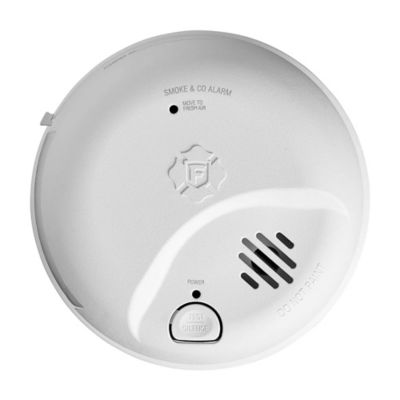
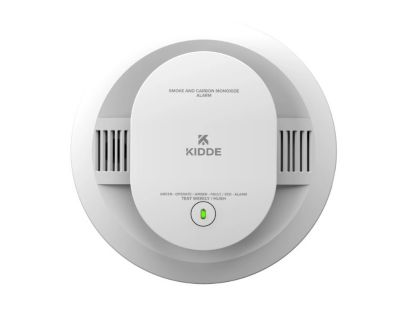
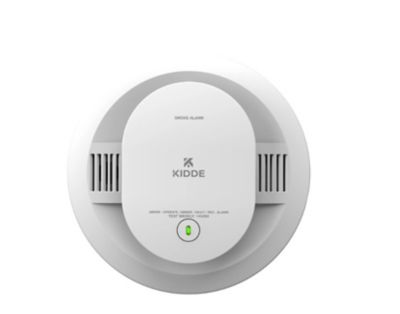
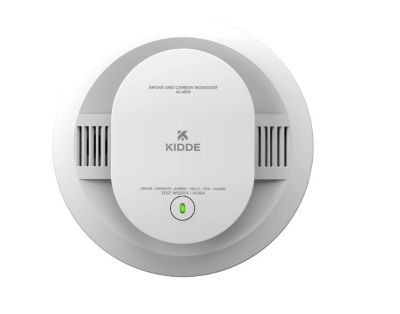
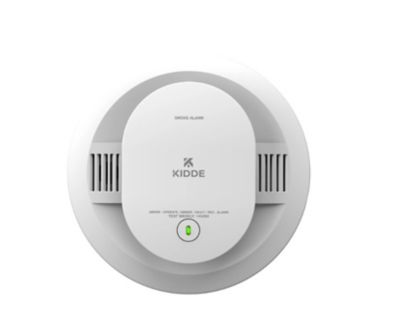
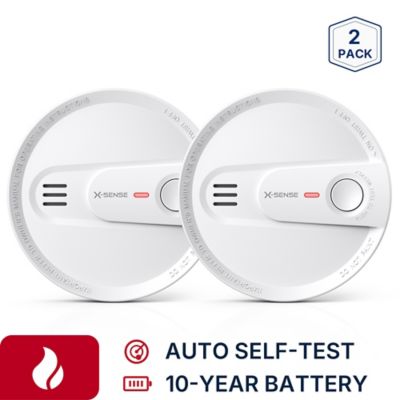
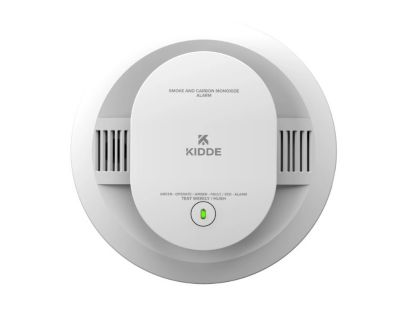
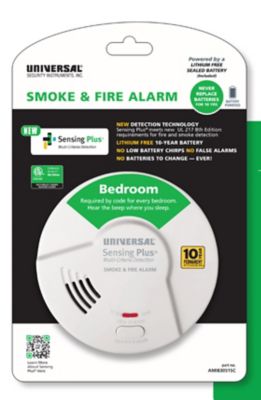
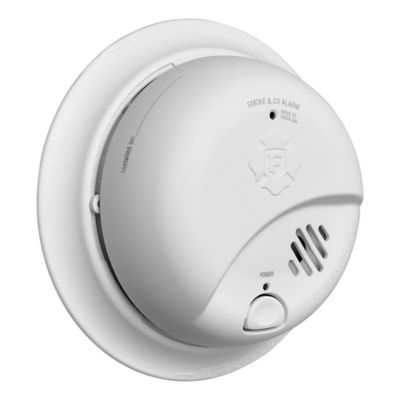
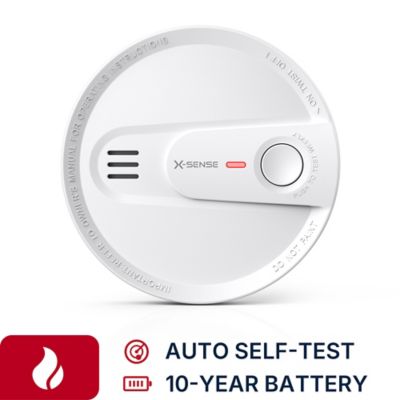
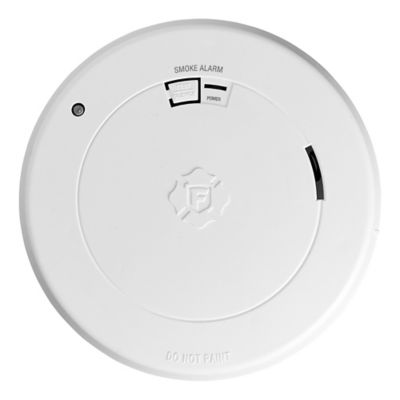
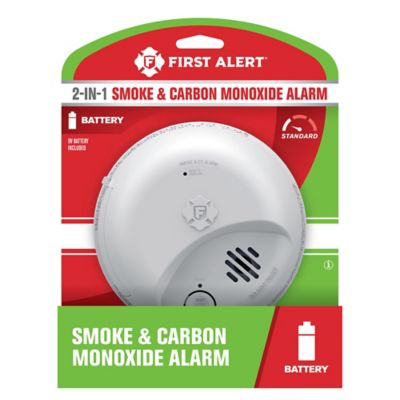
Hardwired replacement alarms with battery backup help maintain smoke or carbon monoxide detection at existing alarm locations without depending on household electricity alone. The wired connection supplies normal operating power, while the backup battery supports operation when that power is interrupted, subject to the alarm’s design and battery condition. That combination makes sense for a farmhouse, a ranch house, or a home with bedrooms spread across more than one floor. Replacing an aging alarm is about more than getting rid of an occasional chirp; it is about keeping the right detection in the right places throughout the house. Smoke alarms, carbon monoxide alarms, and combination alarms serve different purposes, so the label matters. A smoke alarm does not detect carbon monoxide unless it is specifically designed and labeled to do both. Carbon monoxide is a colorless, odorless gas that can come from fuel-burning equipment, making CO detection especially relevant in homes with gas appliances, fireplaces, or attached garages. Smoke detection also varies by sensing technology. Photoelectric sensing generally responds sooner to smoldering fires, while ionization sensing generally responds sooner to flaming fires; some alarms combine sensing technologies. The best fit depends on the existing setup, the protection required for each location, and applicable local requirements. Bedrooms, hallways outside sleeping areas, and separate levels all deserve attention when looking at whole-home coverage. A replacement in the upstairs hall does not make up for missing protection elsewhere. For households with children, older adults, or someone who may have trouble hearing a standard alarm, notification features matter alongside detection. Voice alerts can help identify the type of danger, while compatible listed strobes or other notification equipment may be appropriate for people with hearing loss. These are practical distinctions for anyone maintaining a home, helping a parent stay settled in place, or taking care of a rental property where occupants need clear warning signals.
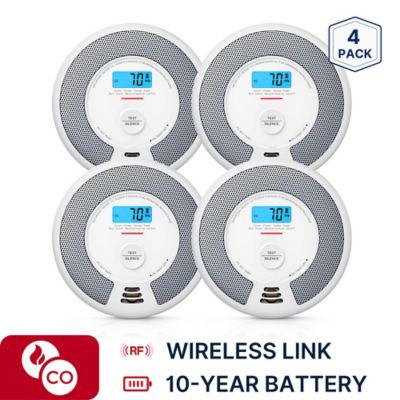
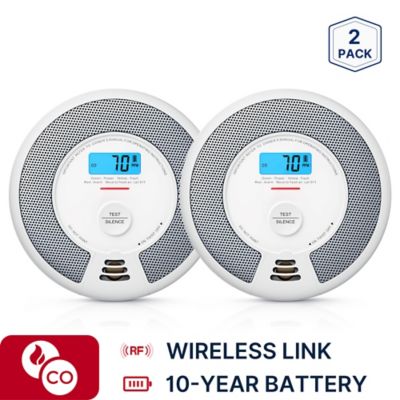
Fit starts with more than the round outline on the ceiling. Hardwired replacement alarms can differ in mounting plates, electrical connectors, wiring requirements, and approved connections to other alarms. A housing that looks much like the old one may still need a different bracket or connector, and a plug that appears to fit does not establish compatibility. Existing wiring, electrical-box mounting, and any connector adapter need to match the manufacturer’s instructions and the requirements for that installation. A qualified electrician can handle wiring changes and check a setup that has uncertain connections or an unclear history. Interconnection is another important consideration, especially in a long hallway or a house where a closed bedroom door separates sleepers from an alarm downstairs. In a compatible interconnected system, activation of one alarm can trigger others, helping spread the warning beyond the room where the hazard is detected. That feature depends on approved combinations of alarms, not simply matching wire colors or choosing housings with a similar appearance. Mixing units from different product families or manufacturers requires explicit compatibility approval. Backup operation also deserves a close look, because alarm functions and interconnection behavior during a power interruption can vary. For layouts without an interconnect wire between alarm locations,
Wireless Interconnected Home Alarms offer another connection approach, though their power requirements and compatibility still depend on the design. Physical details matter in everyday upkeep, too. Molded plastic housings protect internal components, while sensing openings allow smoke or air to reach the detector. A mounting base should hold the alarm securely, and the housing should sit properly without gaps caused by a mismatched bracket. Battery doors, test buttons, status lights, and hush controls are worth considering when the alarm sits overhead. A clearly marked control is easier to recognize from a step stool, and an accessible battery compartment can make routine maintenance less of a chore without changing the need for safe access.
Battery backup comes in more than one arrangement, and the difference affects the upkeep a household takes on. Some alarms accept replaceable batteries of a specified type, while others contain a sealed backup battery intended to last for the alarm’s stated service life. A sealed battery does not remove the need for testing, cleaning, or eventual replacement of the entire alarm. Likewise, a fresh replaceable battery does not extend a detector beyond its rated service life. Many smoke alarms call for replacement at ten years, while carbon monoxide and combination alarms can have different replacement schedules; the date label and manufacturer’s directions settle that question. Low-battery signals, end-of-life signals, and emergency alarm patterns can also differ, so a chirp should not automatically be treated as a request for another battery. Clear labeling and understandable status indicators help distinguish routine attention from an emergency warning. For day-to-day care, testing at the manufacturer’s recommended interval—commonly monthly—and cleaning as directed help keep maintenance on track. Dust, cobwebs, paint, and household sprays do not belong on sensing openings, and painting an alarm to blend into the ceiling can interfere with its operation. Placement affects nuisance alarms as well. Cooking smoke and steam can set off alarms installed too close to their source, but removing the backup battery or disconnecting the alarm leaves a gap in protection. Proper placement and an approved hush feature address a different need than disabling detection. A dusty workshop, livestock building, or garage may require equipment specifically listed for that setting rather than an ordinary residential smoke alarm. Around the house, a little planning for ceiling access, replacement dates, and compatible batteries makes ongoing care more manageable. Whether the job is replacing one expired unit or refreshing a connected household system, the goal stays straightforward: appropriate detection, approved connections, and warning signals the people inside can recognize and act on.