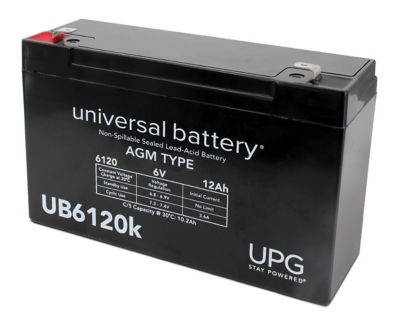
Alarm system backup batteries supply standby power to compatible security or fire alarm equipment when its main electrical supply is interrupted. In many wired alarm systems, a rechargeable 12-volt sealed lead-acid (SLA) battery sits inside or near the control panel, with absorbent glass mat (AGM) construction being a common design. The panel’s charging circuit maintains the battery during normal operation so stored energy is ready when needed. That reserve can help keep the control panel, supported sensors, sounders, and communication equipment working, depending on how the system is configured. For a farmhouse, workshop, small business, or equipment building, backup power helps close the gap between losing electricity and losing alarm protection. It does not power every device on the property, though. Cameras, internet equipment, and separately powered accessories may need their own backup arrangements, and remote alerts still depend on a working communication path. The right battery is the one specified for the alarm equipment, not simply one that looks close to the old battery. Some panels require a different voltage, chemistry, or battery arrangement, so the equipment label and manufacturer’s documentation matter more than appearance alone. Battery capacity, commonly expressed in amp-hours, describes stored electrical capacity under stated test conditions; it does not promise a fixed number of operating hours in every alarm system. Actual standby time depends on the equipment drawing power, the battery’s condition, and how much energy remains when an interruption begins. An alarm sounding and sending a signal can draw more power than a panel sitting in its normal standby state. That makes compatibility and the system’s required reserve time important considerations for properties where someone may be away checking fence, tending animals, or working in another building. A properly matched backup battery supports the alarm system’s intended operation without turning a small control cabinet into a general-purpose power source.
Physical fit deserves just as much attention as the electrical rating. Alarm control cabinets usually leave a defined space for the battery, its leads, and nearby components, so overall length, width, and height all matter. Terminal height and clearance above the connections can make a difference even when two battery cases seem nearly identical. Many sealed lead-acid alarm batteries have flat blade terminals, but terminal widths vary, and the existing connectors need to match securely without being forced into place. Positive and negative terminal locations also affect whether the panel’s leads reach correctly without stretching, crossing awkwardly, or pressing against the cabinet door. A snug fit should not mean a pinched wire or a battery wedged against sensitive electronics. Matching the specified voltage is essential, while any change in amp-hour capacity needs to stay within the alarm manufacturer’s approved range and the charging circuit’s limits. A larger battery is not automatically a better match, even if there is room in the enclosure. Construction matters, too. AGM batteries hold their electrolyte in glass mat separators within a sealed lead-acid design, making them suitable for many stationary standby applications without routine water additions. Sealed does not mean airtight or suitable for every mounting position; approved orientation, enclosure space, and ventilation still depend on the battery and alarm equipment instructions. A sound case, intact terminals, and protected connections help a battery stand up to everyday service in an approved installation. Homes with monitored intrusion alarms, businesses with access restrictions, and buildings with compatible fire alarm equipment can have different requirements, even when their batteries look alike. A battery intended for an alarm panel also should not be treated as interchangeable with a vehicle starting battery, a general household battery, or an unsupported lithium replacement. Chemistry, charging behavior, and the equipment’s safety requirements all need to line up. For fire and life-safety systems, the equipment documentation, applicable requirements, and qualified service support should guide the match.
Battery care is mostly about keeping the installation sound and recognizing when the reserve supply needs attention. The battery belongs in the enclosure and position approved for the alarm system, with its case clean and dry and its terminals protected from accidental contact with tools or loose metal. Water intrusion, damaged wiring, loose connections, or a cracked or swollen case call for attention rather than another attempt to clear a warning at the keypad. Rechargeable standby batteries have a limited service life, and a panel that operates normally on building power can still have a weakened backup battery. Many sealed lead-acid alarm batteries have a service life measured in a few years, but the replacement interval depends on the battery, operating conditions, and manufacturer’s guidance. A low-battery or trouble message may point to a battery issue, a charging problem, or a connection that needs inspection. It does not always mean that the alarm panel itself needs replacing. Keeping a record of installation dates and service checks makes it easier to track battery age, especially where a house, shop, and separate storage building have different alarm equipment. Routine system checks should follow the manufacturer’s procedure, with monitoring arrangements handled appropriately so a test does not bring an unnecessary response. Disconnecting power or opening a control cabinet can interrupt protection or trigger a trouble signal, so professional service makes sense when the setup is unfamiliar or involves fire alarm equipment. Key fobs and handheld controls have a separate power requirement; the
Remote Batteries page covers batteries for those smaller devices rather than the control panel’s standby supply. Once an alarm backup battery reaches the end of its service life, lead-acid battery recycling keeps it out of household trash and directs its materials into the proper recovery process. The practical goal is straightforward: a battery that fits the cabinet, matches the charging system, meets the alarm equipment’s requirements, and receives the attention needed to keep standby power ready for the property it helps protect.