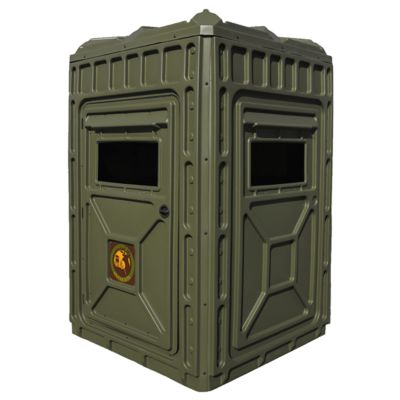
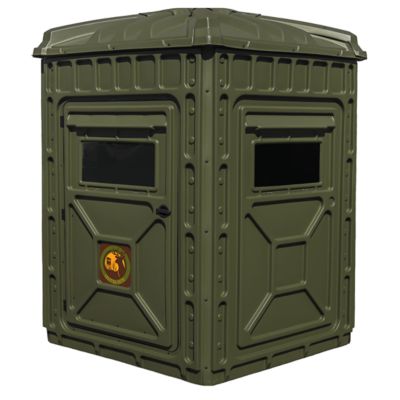
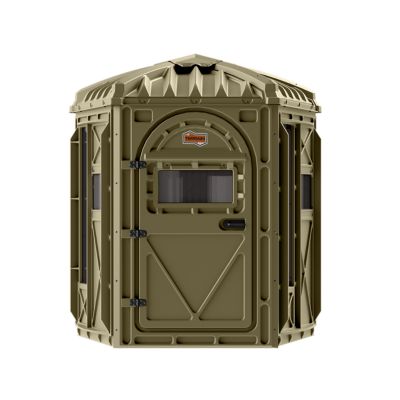
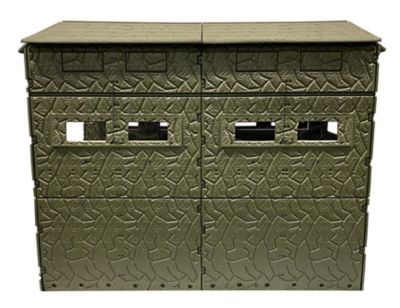
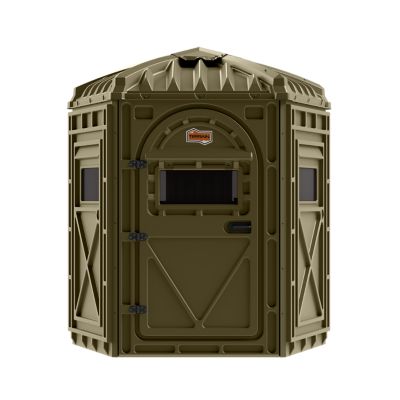
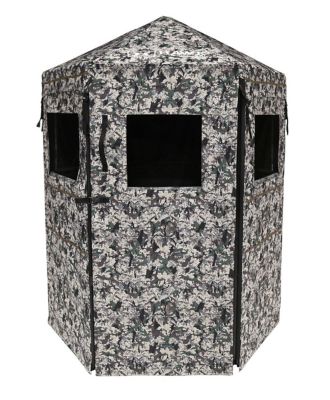
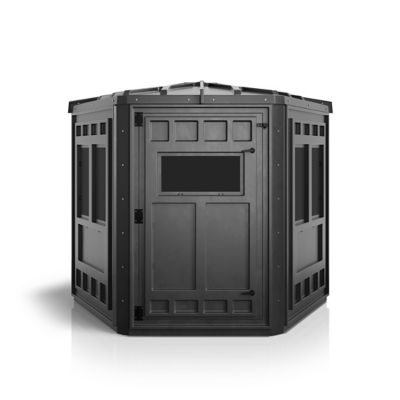
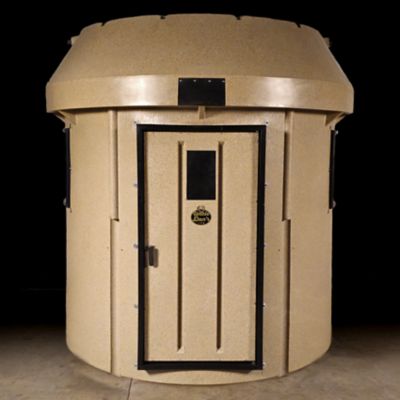
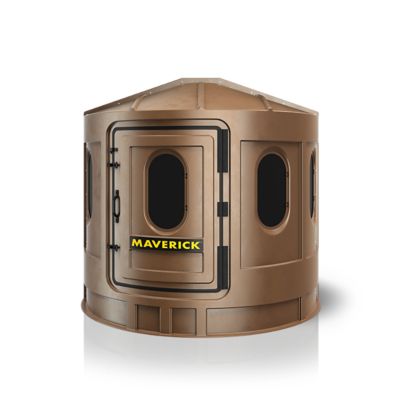
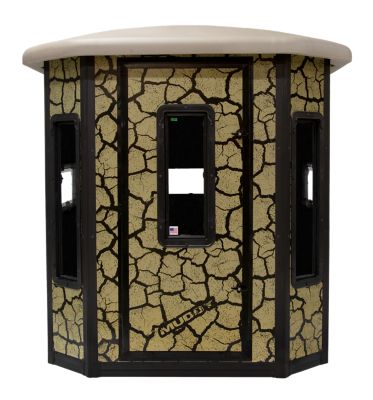
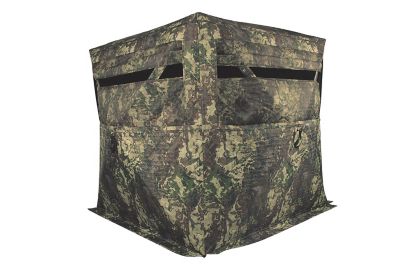
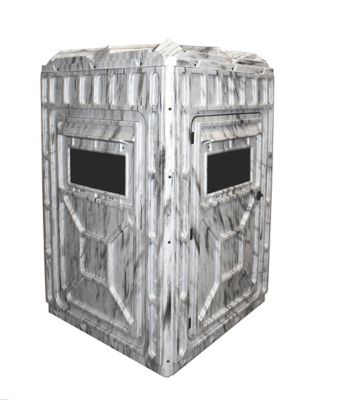
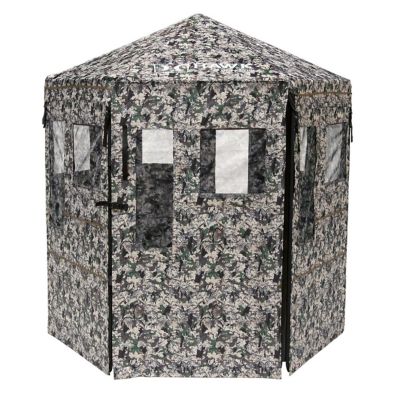
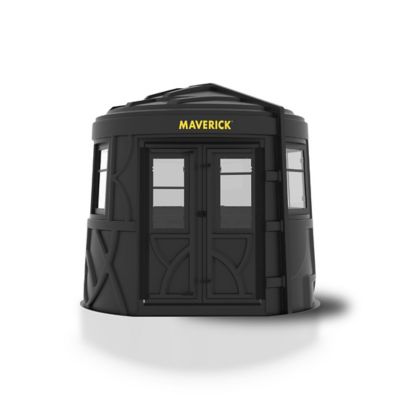
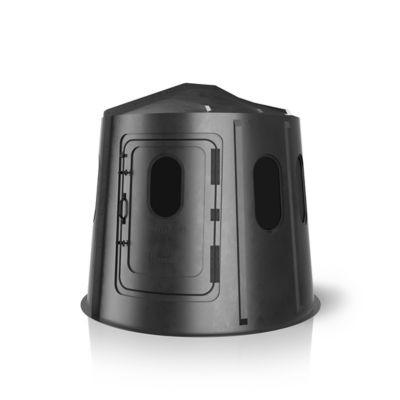
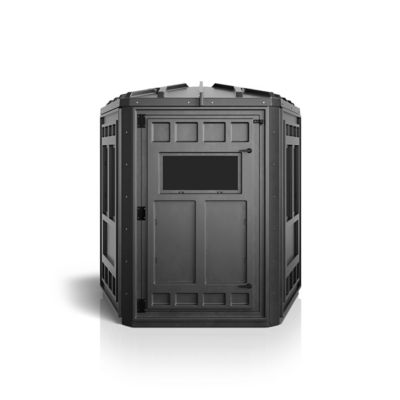
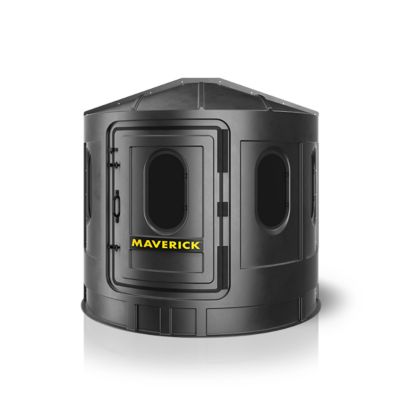
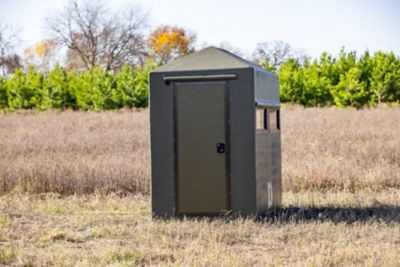
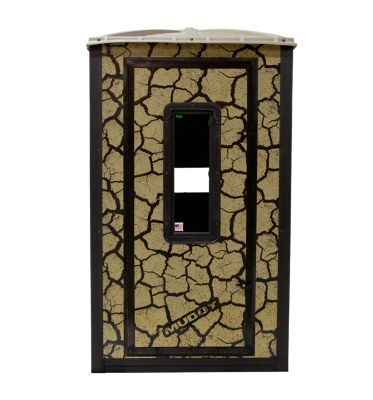
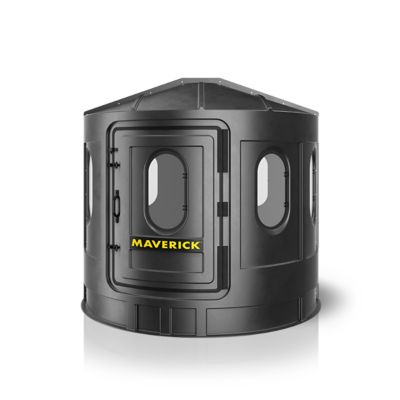
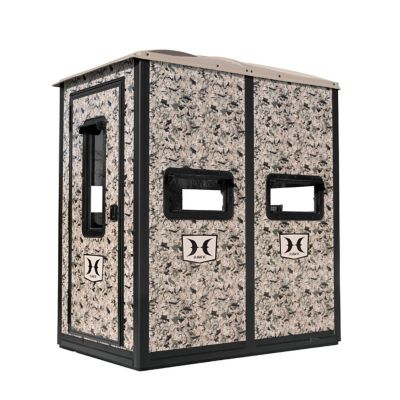
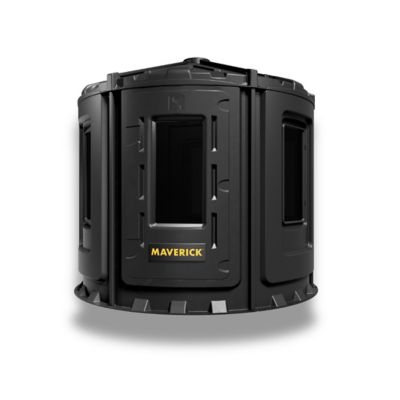
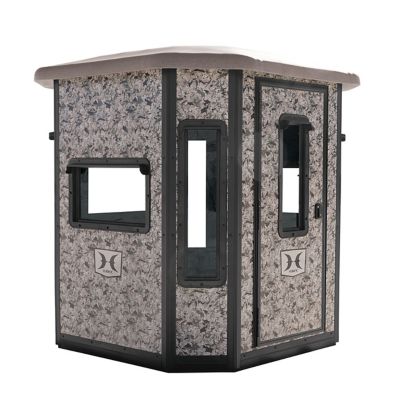
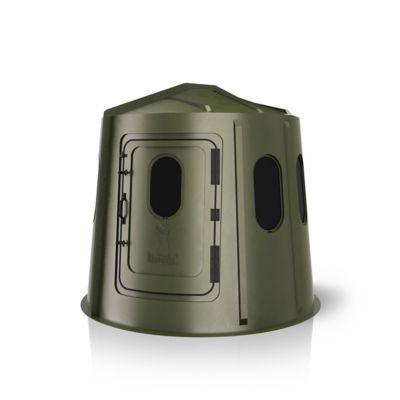
Hard shell hunting blinds give hunters a sturdy, dependable place to spend long hours in the field when the weather turns cool, windy or wet. Built with rigid walls rather than fabric panels, these blinds are made for hunters who want more comfort and protection than a temporary pop-up shelter can provide. Depending on the design, a hard-sided blind may serve as a ground blind or be mounted on a tower, platform or other elevated setup. Many hunters leave them in place through the season, saving the work of setting up and taking down a temporary blind before every hunt. The solid construction can help block wind, rain and snow, while enclosed windows and doors offer a quieter, more sheltered space for watching trails, fields and wooded edges. A roof that keeps moisture off your gear, a floor that helps soften foot movement and enough room to shift positions without bumping into every piece of equipment can make a long sit feel considerably easier. Hard shell hunting blinds are also useful for hunters who share the field with family or friends, since a larger interior gives two or more people room for packs, shooting rests, seats and other essentials. They can be a thoughtful gift for a serious deer hunter, landowner or outdoorsman who spends many seasons returning to the same property, especially when comfort and a reliable setup matter as much as concealment. A blind that stays dry inside and stands firm during a gusty afternoon lets a hunter focus on quiet observation instead of fighting a flapping wall or gathering water from the floor.
When comparing hard shell hunting blinds, start with the way the blind will be used and the conditions around the hunting property. A compact one-person layout may fit neatly along a narrow timber lane, while a roomier blind can be a better choice for a pair of hunters or for anyone who carries a bow, crossbow, rifle and extra gear. Pay close attention to the window layout and opening size. Long horizontal windows are commonly suited to rifle hunting and broad views across open ground, while taller openings may provide the clearance needed for a compound bow or crossbow. Window placement also affects shooting angles, visibility and how easily a hunter can keep watch without making unnecessary movement. Look for designs with quiet window hardware, secure latches and weather seals that help reduce drafts and keep rain out. A tight door and well-fitted windows may also help contain human scent inside the blind, though no enclosure replaces careful wind awareness, clean hunting clothing and sensible scent-control practices. Insulation can be especially valuable during cooler hunts, and a durable interior gives you a place to settle in with less noise from shifting equipment. Consider the blind’s overall weight, dimensions and installation requirements before ordering. Some rigid enclosures are suited to permanent placement with a tower or platform, while modular or panel-style construction may be easier to move across a property with a trailer or utility vehicle. A trip to a remote food plot, pond edge or back corner of a farm can be much simpler with the right
Hunting Vehicles and a clear plan for unloading and positioning the blind. Measure gates, trails, bridges and storage areas ahead of time, and check whether you will need extra hands, lifting equipment or a prepared base. Stable, level support is important for both safety and comfort, particularly when a blind is elevated. Ground placement may be simpler, but it still calls for a firm surface, good drainage and enough clearance around the door and windows.
A hard-sided blind works best when it is treated as part of the overall hunting setup rather than as a stand-alone piece of equipment. Before placing it, study the property from a distance and consider prevailing winds, nearby cover, animal travel routes, rising and setting sun, access paths and the amount of natural screening available. The goal is to give hunters useful views while helping the structure blend into its surroundings. Avoid blocking farm lanes, drainage areas or equipment routes, and leave enough space around the blind for safe entry and exit. Once installed, keep the interior organized with quiet storage bins, soft-sided gear bags and a seat that allows a comfortable shooting position. Rubber, carpeted or other sound-dampening floor surfaces can help reduce the noise of moving boots and equipment, while felt pads or simple padding can keep loose items from rattling against the walls. Keep windows clean, inspect seals and hinges, and check the roof, fasteners and support structure after periods of strong wind, heavy rain or snow. If using a heater, follow the heater manufacturer’s ventilation and clearance requirements, keep fuel containers stored safely and never create a closed-up setup that could allow dangerous fumes to build. Elevated blinds also require careful attention to stairs, rails, platforms and weight limits, with every hunter using the entry system slowly and keeping the area free of ice, mud and clutter. During the cooler months, a hard shell hunting blind can turn a raw, uncomfortable wait into a more manageable day outdoors, but the best results still come from thoughtful placement, safe shooting practices and respect for local hunting regulations. Choose a design that matches the property, the number of hunters and the weapon being used, then take the time to install and maintain it properly. A solid blind can become a dependable part of the farm or hunting camp, ready for early starts, quiet afternoons and the changing conditions that come with a full season in the field.