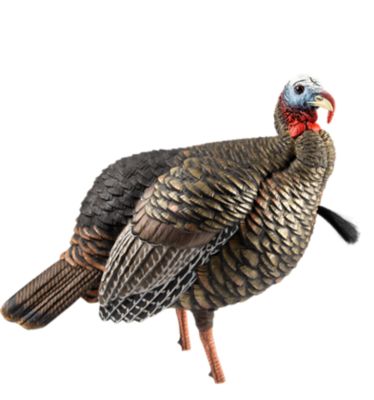
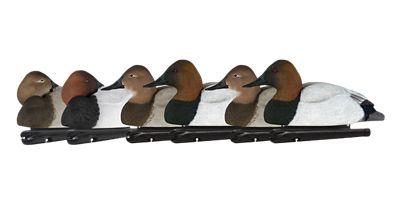
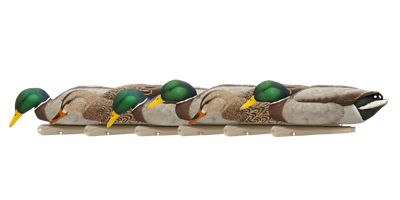
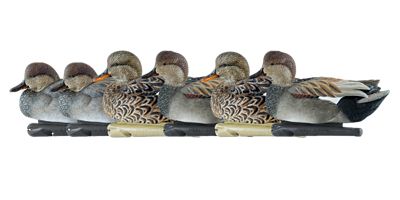
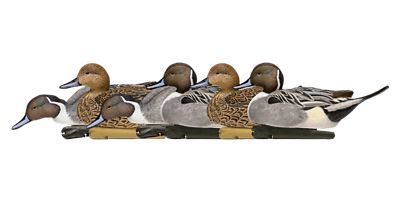
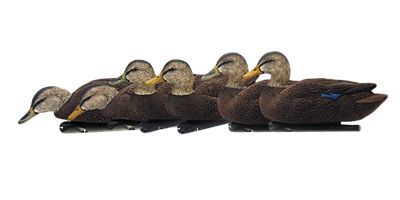
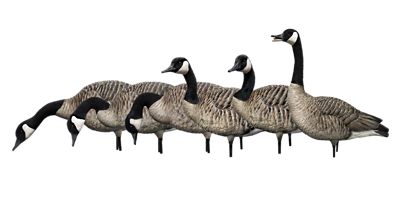
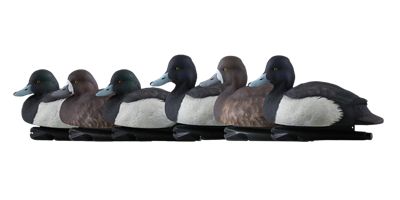
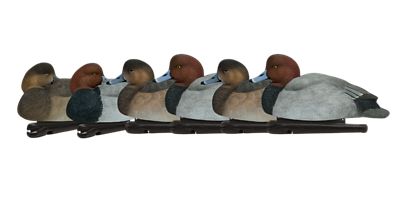
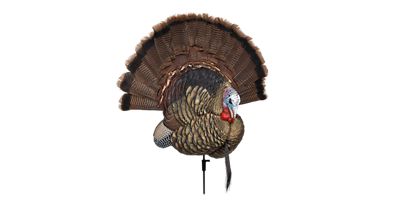
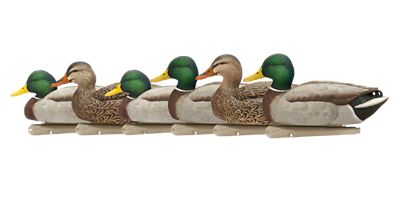
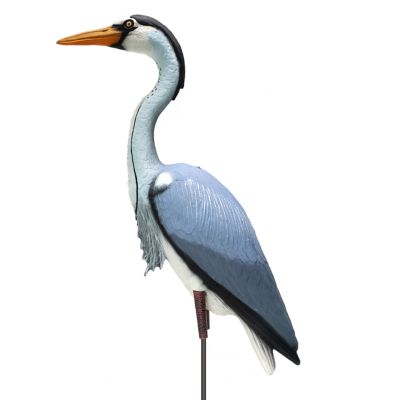
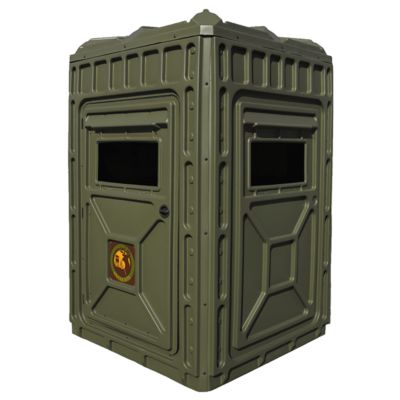
Hunting decoys are lifelike animal replicas that help attract game by creating the appearance of birds or other wildlife feeding, resting, or gathering nearby. They give hunters a visual complement to calling and concealment, whether the setting is a flooded timber hole, a cut cornfield, or the edge of a pasture. The right style depends on the species being hunted, the ground or water beneath the setup, and how much gear has to travel from the truck to the blind. Floating duck decoys have buoyant bodies and keels that help them sit upright, while anchor attachment points allow rigging suited to the water depth and bottom conditions. Full-body duck and goose decoys stand above field stubble, giving a spread shape and dimension from several directions. Shell decoys offer a lower-profile alternative, and flat silhouettes take up less room when a long walk makes every pound count. Each style brings a different balance of visibility, carrying weight, and setup time. Feeding, resting, and upright poses add variety without making every bird in the spread look exactly alike. Species markings and body proportions matter, too: a broad goose profile serves a different purpose than the smaller shape of a duck riding low on the water. Turkey and other land-based hunting decoys bring that same visual approach to a different setting, with body posture and viewing angle taking on more importance at ground level. For a hunter tucked beside a fence line or watching a field opening, the appeal is a recognizable shape that fits the surroundings rather than a bright, shiny object that draws attention for the wrong reason. Decoys can support a convincing setup, but they do not replace scouting, concealment, safe judgment, or knowledge of animal behavior. Their role is to add a visual cue that fits the place and the game being pursued.
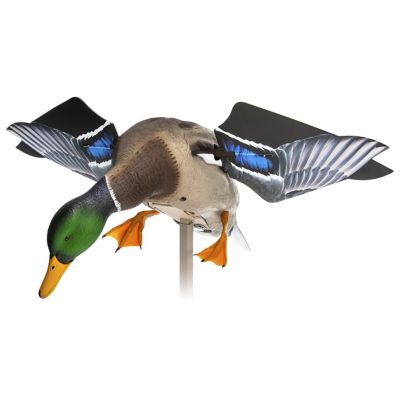
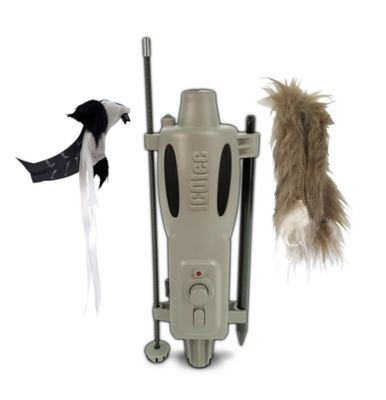
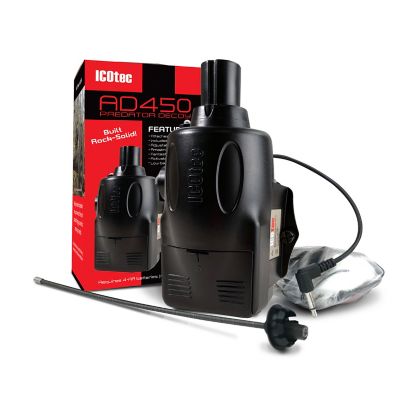
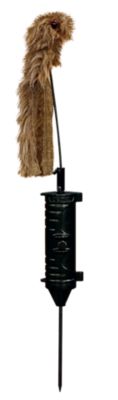
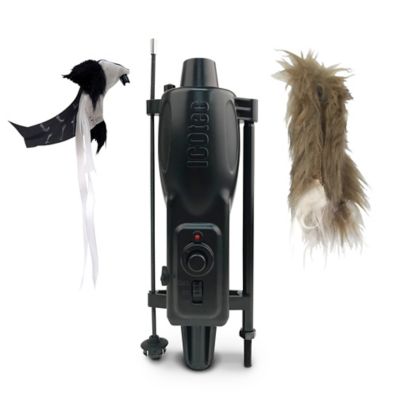
Materials and construction affect how hunting decoys handle the ride in, the hours outside, and the trip back home. Molded plastic bodies can provide defined feather patterns and firm attachment points, while flexible EVA foam or rubberlike materials may give more readily when packed tightly or bumped against other gear. Weight varies by construction, so a large body does not always mean a heavy load. Foam-filled floating decoys can retain buoyancy after minor shell damage, although attachment hardware, seams, and the outer body still deserve regular inspection. Keel design also matters on the water. Some keels incorporate weight for balance, while others fill with water to add stability once deployed; performance depends on the individual design and the conditions where it floats. On land, stakes and bases support the body, with certain designs allowing movement in a breeze. That motion can suggest a feeding or shifting bird, but a decoy that spins wildly or leans at an odd angle may look out of place. Motor-driven motion systems offer another approach, bringing added considerations such as batteries, switches, moving parts, and local hunting rules. Surface finish contributes just as much to the overall appearance as body shape. Matte paint helps limit distracting reflections, and flocked surfaces can soften the look of selected areas, especially on goose heads and bodies. Those finishes benefit from protection against scraping, muddy straps, and loose metal hardware in a carrying bag. After a hunt, removing mud and plant matter and allowing wet gear to dry helps keep the next outing from starting with tangled lines and caked-on debris. Cleaning methods should match the manufacturer’s directions, particularly around flocking, painted details, and electrical components. A cracked keel, bent stake, or frayed anchor line is much easier to notice at home than in the dark beside a boat ramp, making basic upkeep part of owning gear that earns its place in the load.
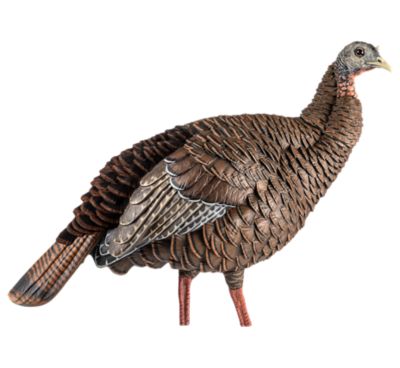
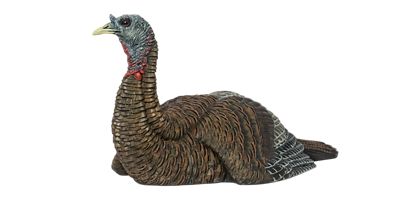
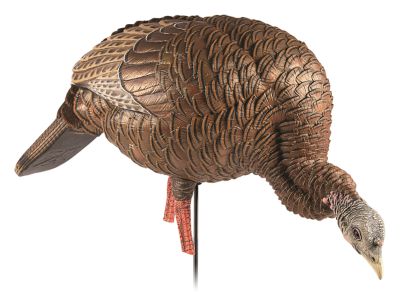
Practical fit is about how a decoy setup works with the rest of a hunter’s equipment and routine. A waterfowler walking a narrow levee may value compact bodies and organized anchor lines, while someone hauling gear in a boat may have room for larger floating decoys and separate storage for rigging. Field hunters have another set of needs: stakes that suit the soil, bases that pack without tangling, and carrying bags that keep heads and bodies from knocking together. Divided bags can help protect finishes, while handles and shoulder straps affect comfort over a long stretch of uneven ground. Attachment points and replacement parts are worth attention because stakes, anchors, lines, and batteries are not interchangeable across every design. For turkey hunters,
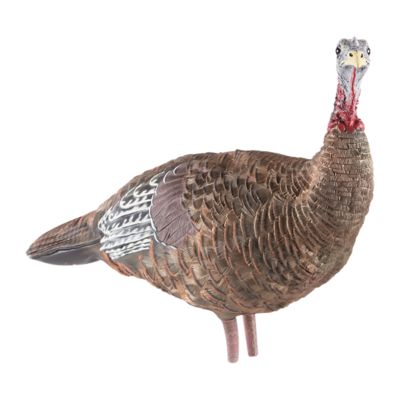
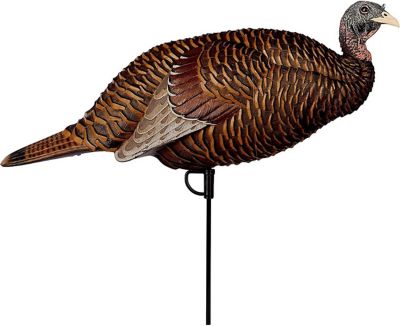
Hen Turkey Decoys provide a familiar bird profile, with feeding, upright, and resting postures creating different visual impressions. A collapsible body may suit a hunter moving between locations, while a more rigid form can hold its shape without as much adjustment. Either way, the support stake, packed dimensions, and visibility through grass all influence how the decoy fits a hunt. Gift shoppers can narrow the field by knowing the recipient’s target species, preferred hunting ground, and existing carrying system; another decoy is most useful when it works with the gear already heading out the door. New hunters may appreciate straightforward construction with fewer loose pieces, while experienced hunters often have firm preferences about poses, rigging, and weight. Safe handling belongs in that conversation as well. Lifelike game replicas can draw attention from other hunters, so covered transport and placement away from roads, trails, and neighboring setups deserve care. Motorized equipment restrictions and decoy rules can differ by location and season, making current wildlife agency regulations the final word. With the right match of form, construction, and intended use, hunting decoys become a practical part of time spent in the blind, on the water, or along a field edge.