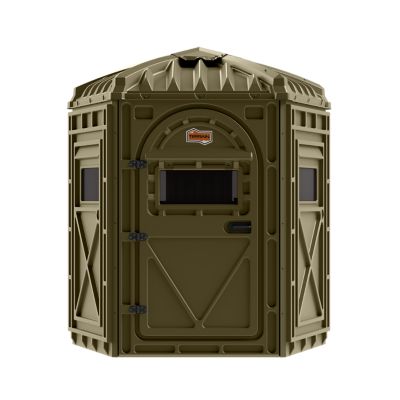
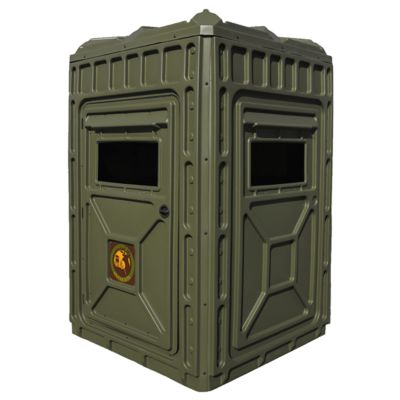
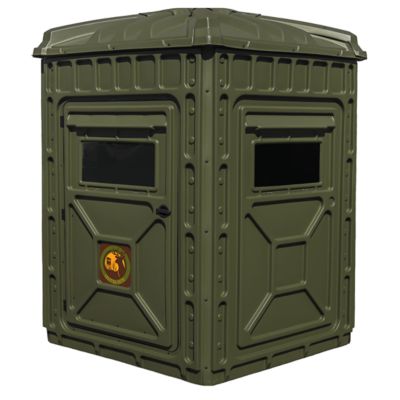
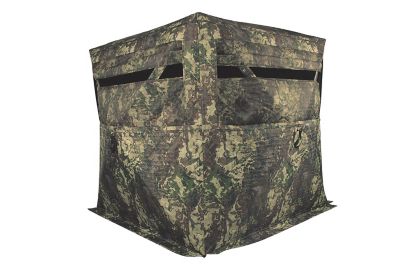
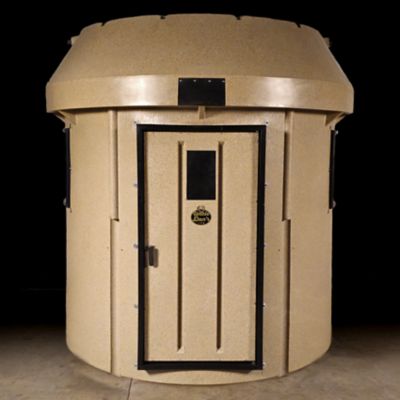
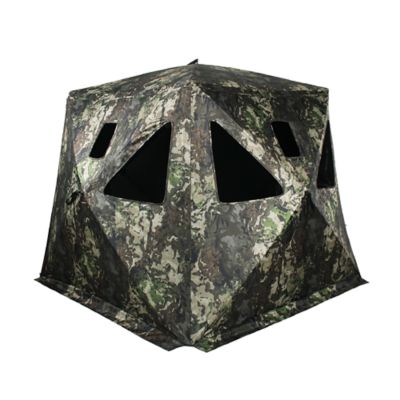
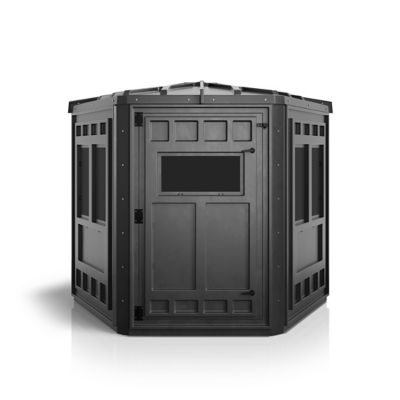
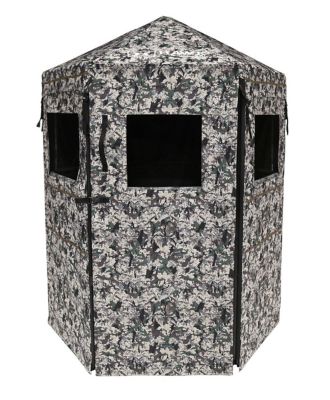
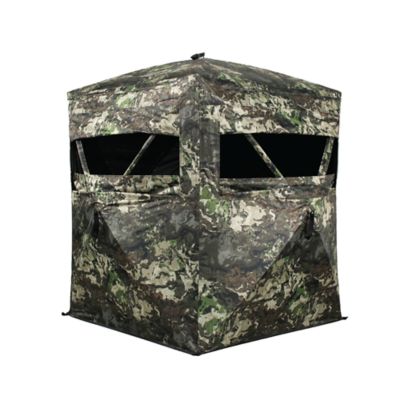
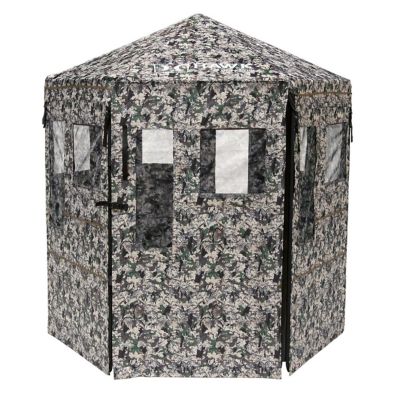
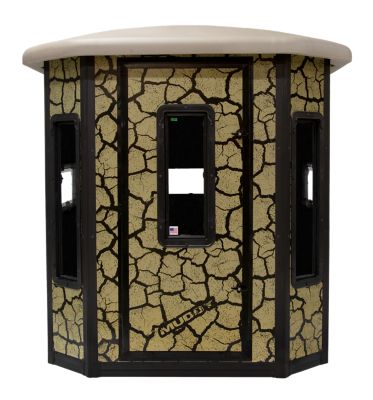
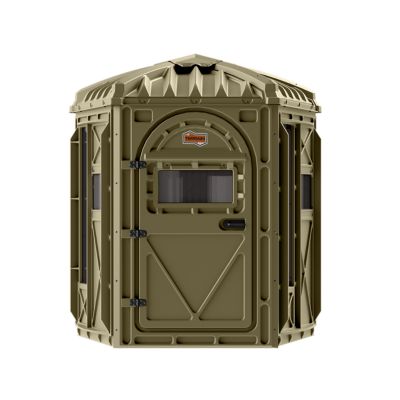
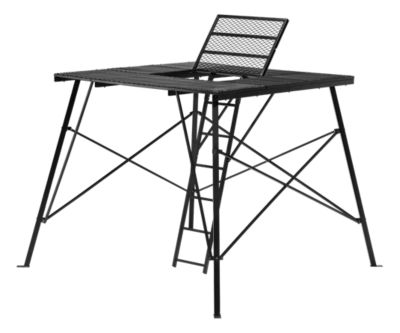
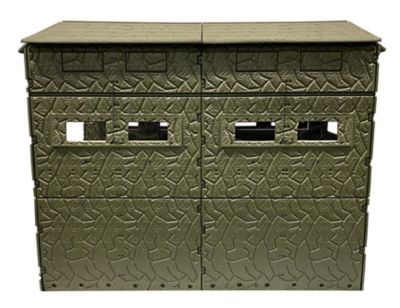
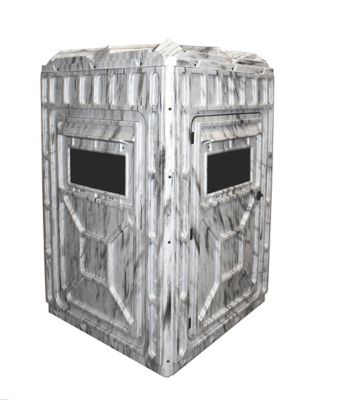
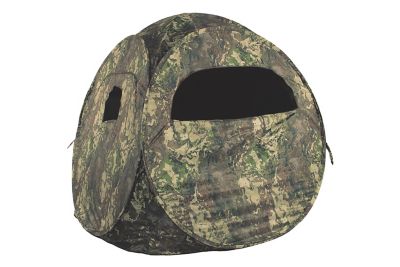
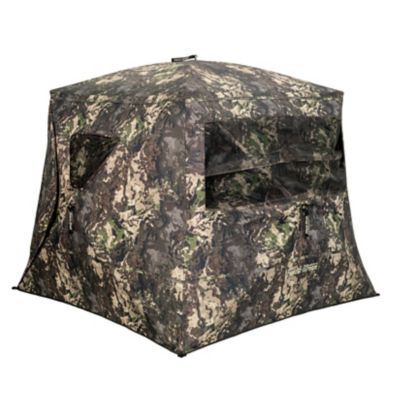
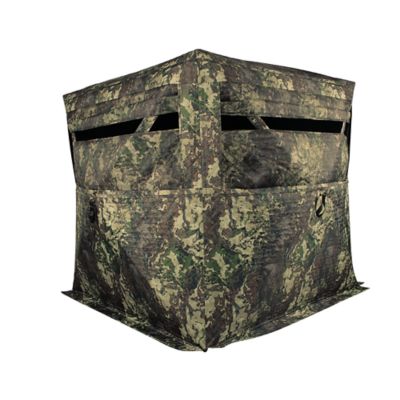
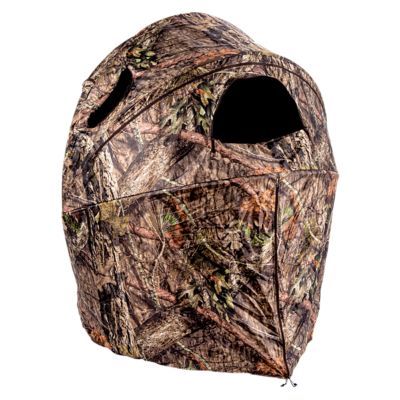
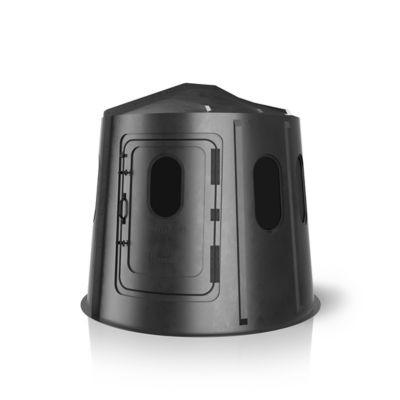
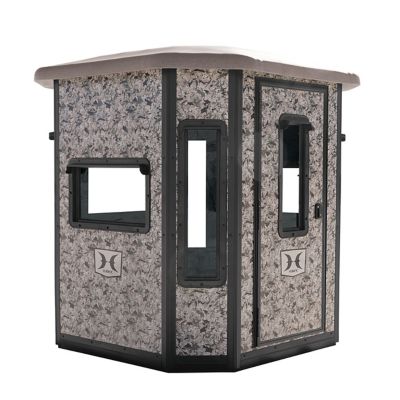
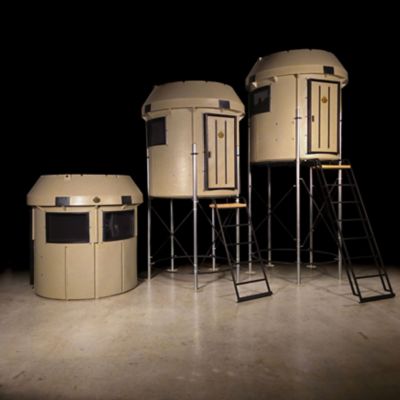
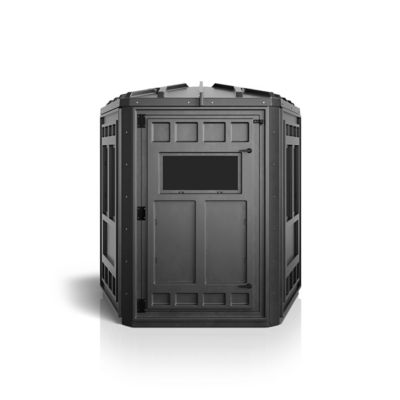
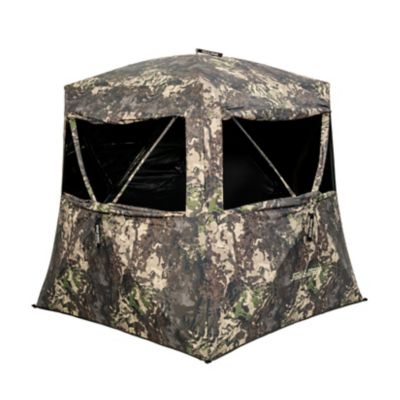
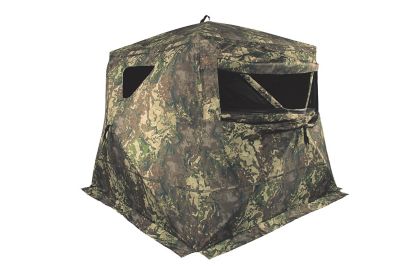
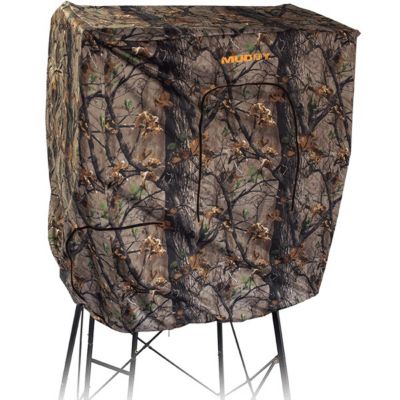
Hunting blinds give hunters a practical way to blend into the landscape while spending more time watching game and less time worrying about every little movement. A blind can break up the human outline, soften motion, and provide a place to settle in along a field edge, wooded trail, waterway, or food plot. The right choice depends on the kind of ground being hunted, the game being pursued, and how often the blind will be moved. Ground blinds and pop-up styles are handy for hunters who scout several properties or need a setup that can be carried in, placed quickly, and packed out when the hunt is over. Their low profile works well for bowhunting and other close-range situations, especially where brush, tall grass, or timber already offers some natural cover. Enclosed box blinds and shooting houses provide more protection from wind, rain, and changing temperatures, making them useful for longer sits during the cooler months. Elevated blinds can offer a wider view over open ground, help hunters see game sooner, and make it easier to watch several shooting lanes from one position. Modular designs can be a good middle ground for landowners who want a more permanent-feeling setup without committing to one fixed layout, since panels and window positions may be arranged to fit the property. Before choosing a blind, consider its packed size, weight, setup time, window placement, interior room, and whether it can comfortably accommodate the number of hunters who will use it. A compact blind may suit a solo hunter carrying gear a long way, while a roomier enclosed shelter can be worthwhile for two hunters, a parent introducing a youngster to the outdoors, or anyone who expects to spend long hours in the field.
Placement matters just as much as the blind itself. Look for a location that offers natural cover and clear shooting lanes without making the setup stand out against the surroundings. Study how deer, turkey, waterfowl, or other game move through the property, paying attention to bedding areas, feeding spots, trails, water, and places where cover changes. Wind direction deserves special attention because a blind cannot make up for scent drifting straight toward approaching game. Whenever possible, place it so prevailing wind carries scent away from likely travel routes, and avoid cutting across those routes when walking in or leaving. Arriving early and leaving carefully can help reduce disturbance, particularly when a blind is positioned near a field or other open area. Give animals time to get used to the blind’s shape, color, and location, and use natural vegetation around the outside when appropriate without blocking windows, doors, or safe shooting lanes. A blind with multiple windows or broad viewing angles can make it easier to keep track of movement with less repositioning, while adjustable openings let hunters match visibility and concealment to the terrain. Quiet details matter during a still morning: fabric that opens smoothly, window closures that do not snap loudly, and flooring or seating that keeps gear from rattling can all make a more comfortable setup. Enclosed blinds may also help hold in some human scent, but they do not replace good scent-control habits. Wash hunting clothes with scent-reducing products, store them away from household odors, handle gear carefully, and keep food and other strong-smelling items to a minimum. Always follow local hunting laws, landowner rules, blaze-orange requirements, and safe shooting practices, and make sure an elevated blind is installed securely with a suitable access system and safety equipment.
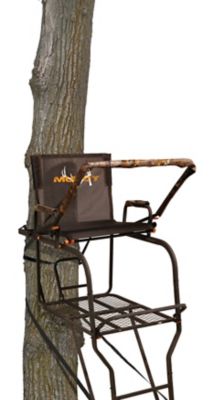
For many hunters, a blind becomes part of the rhythm of the season: boots crossing damp ground before daylight, a thermos tucked beside the seat, and the quiet wait as the woods gradually wake up. Selecting a blind with the right balance of concealment, comfort, portability, and weather protection can make those hours more enjoyable and help hunters stay focused without constantly shifting or exposing themselves. Consider the terrain first. A lightweight fabric blind may be the best fit for changing locations, while a sturdier enclosed structure may serve a managed property for years with proper care. Check the listed dimensions against chairs, packs, bows, firearms, and any other equipment that needs to fit inside, and make sure the windows align with the height and direction of expected shooting positions. Hunters who use archery equipment may prefer wider openings and enough interior room to draw safely, while rifle hunters may place greater value on stable shooting rests, elevated visibility, and protection from the elements. Waterfowl hunters should also think about how well a blind disappears into marsh grass, crop stubble, or shoreline cover. These products can make thoughtful gifts for a hunting partner, a new landowner, or a family member preparing for their first full season in the field. A blind paired with dependable seating, storage, safety gear, and scent-control supplies can help a recipient build a comfortable setup without guessing at every detail. Hunters planning a raised installation may also want to compare available
Hunting Platforms for a stable foundation and a better view. Whether it is a portable shelter carried into thick cover or a dependable structure overlooking a familiar field, a well-chosen hunting blind helps turn changing weather and long waits into a more manageable part of time spent outdoors.