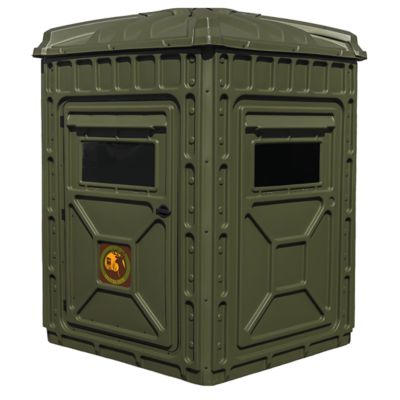
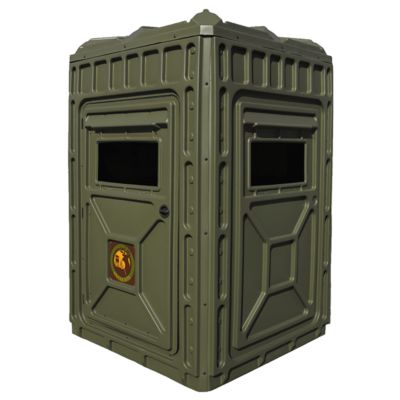
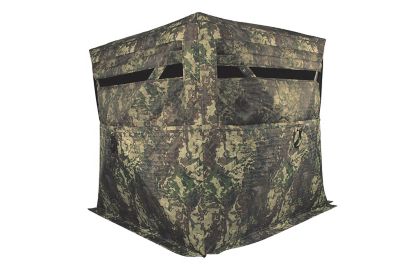
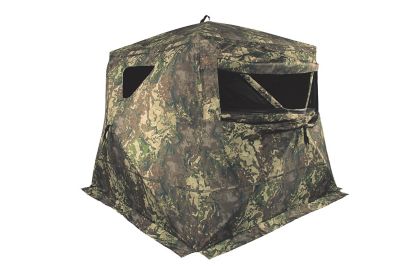
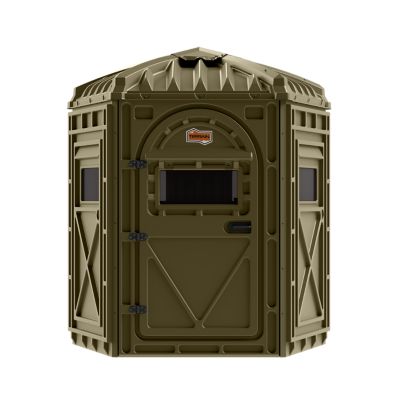
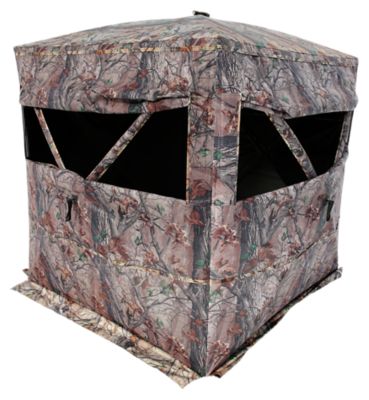
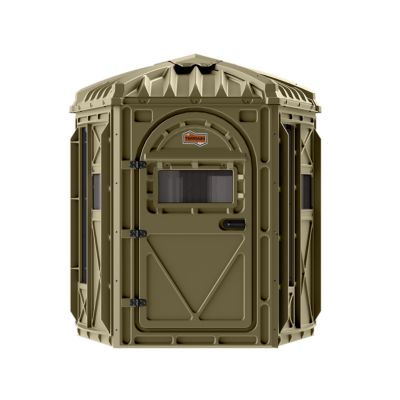
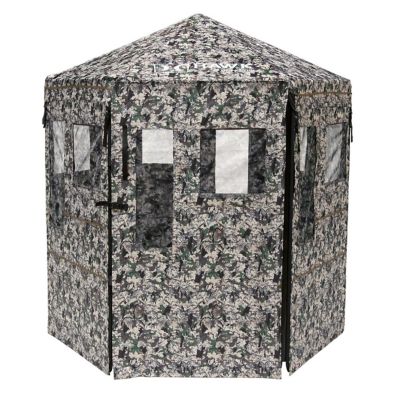
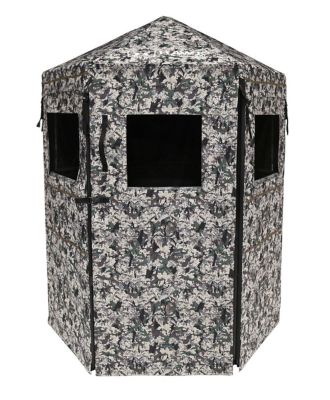
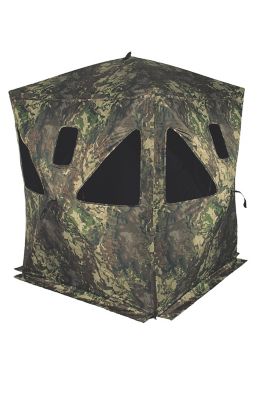
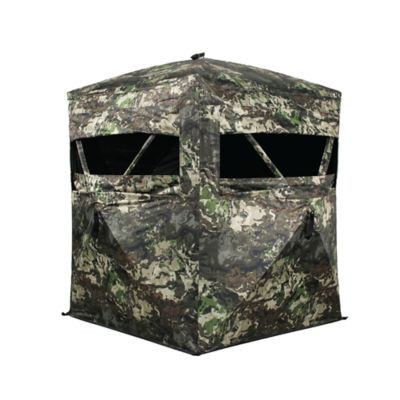
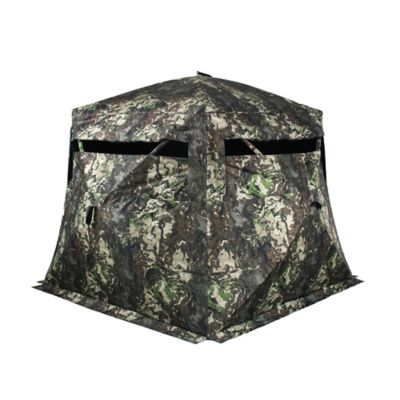
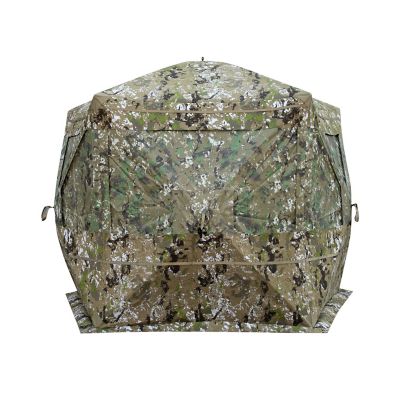
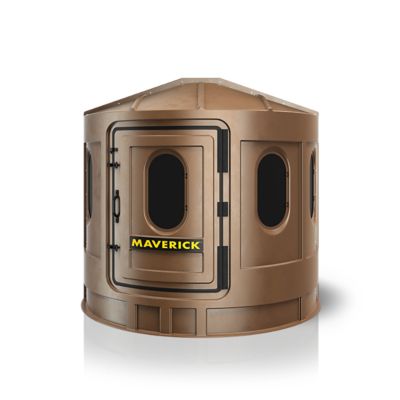
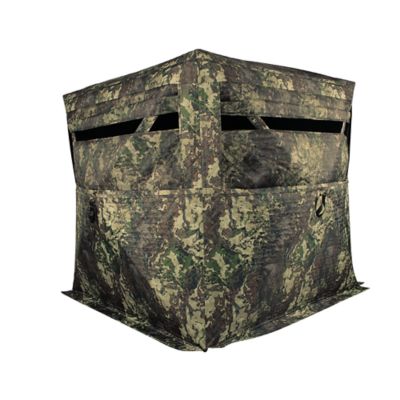
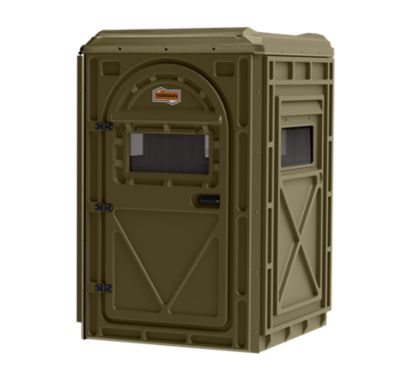
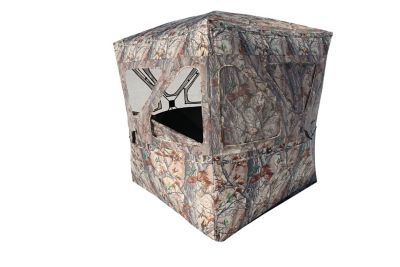
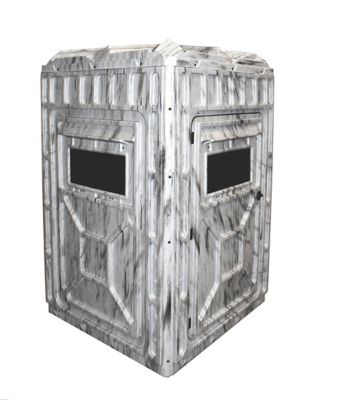
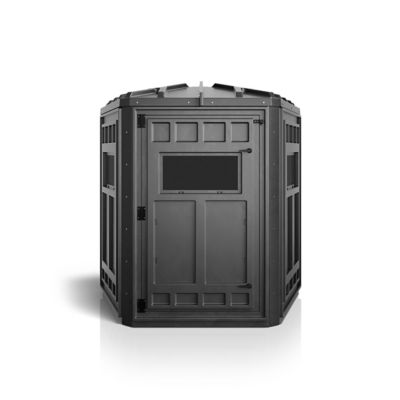
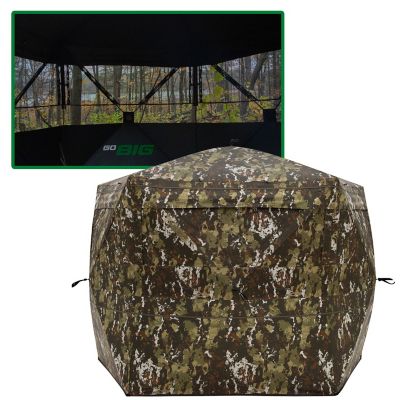
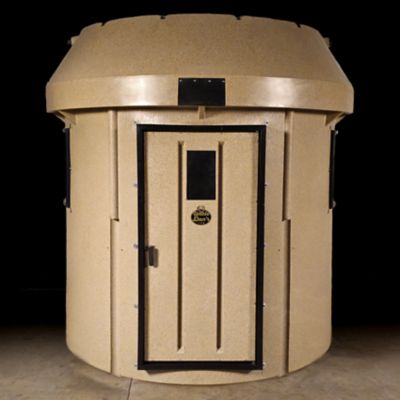
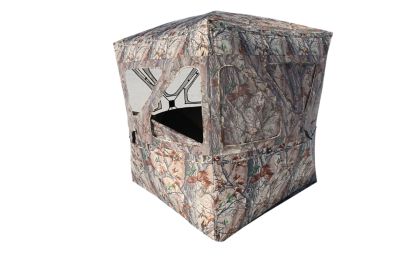
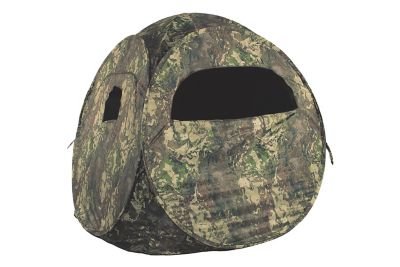
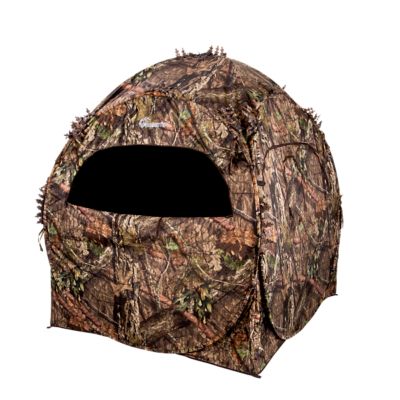
Deer blinds are shelters that help conceal a hunter’s outline and movement while providing a place to watch deer trails, field edges and other hunting areas. Depending on their construction, they can also offer shelter from wind and rain, making a long sit more comfortable. The main types include portable ground blinds, hard-sided box blinds and elevated blinds supported by purpose-built towers or platforms. Each serves a different kind of setup, from a spot reached on foot along a farm lane to a permanent lookout overlooking a food plot. Pop-up ground blinds generally have fabric walls stretched over folding hub frames, allowing them to pack down for transport between locations. Their low profile works well near brush, standing grass or a wooded edge where nearby cover helps soften the outline. Hard-sided deer blinds have rigid walls made from materials such as molded plastic, fiberglass or wood, sometimes supported by a metal frame. They generally take more effort to move but provide a more enclosed space for repeated hunts from the same location. Elevated deer blinds raise the hunting enclosure above ground level, which may improve the view over low vegetation or uneven terrain. Their suitability depends on the structure, foundation, access system and surrounding landscape—not simply how high they stand. The broken outlines and earthy colors of
Camo Hunting Blinds can help a shelter blend into brush, grass or timber, though placement still matters. A blind sitting out in the open can remain noticeable even with a camouflage cover. Natural vegetation around the base and a backdrop behind the roofline can help reduce that boxlike silhouette. No blind makes a hunter invisible or eliminates human scent. Enclosed walls may limit some air movement, but openings, clothing and entry routes still affect how scent travels. For many hunters, the real benefit is having a settled place to watch quietly, keep small movements out of sight and stay ready without standing exposed along the edge of a field.
Interior space and window layout make a big difference in how a deer blind feels once someone settles in. Outside dimensions alone do not tell the whole story; sloping walls, support hubs, shelves and window height can affect usable room. A single hunter with a compact chair needs a different layout than two adults sharing the space or a parent sitting beside a young hunter. There should be enough elbow room to turn comfortably, reach gear and handle hunting equipment without bumping another person or pressing against the walls. Bowhunters need clearance for drawing and moving the bow, along with openings that do not interfere with the limbs, arrow or shooting path. Rifle and crossbow hunters have different space needs, especially when a rest or support is part of the setup. Mesh windows should never be assumed suitable for shooting through; that depends on the blind manufacturer’s directions and compatibility with the hunting equipment. Window placement also determines whether a seated hunter can see a close trail or watch farther across a pasture. Wide viewing openings can make scanning easier, while adjustable covers help manage light inside the enclosure. Keeping the interior darker than the surroundings can reduce visible silhouettes, particularly when an opening sits directly behind the hunter. Quiet window closures, manageable door openings and room for a comfortable seat all matter during a long wait. A doorway that looks roomy when empty may feel different with a chair, pack and another person inside. Ground-level entry can be more practical for hunters who prefer to avoid climbing, although thresholds, footing and doorway width still deserve attention. An elevated setup brings additional considerations, including steps or ladders, handholds and the effort of getting equipment safely into position. Wherever a blind stands, viewing openings need to face appropriate hunting areas with clear target identification and a safe backstop. A broad view is helpful, but it does not make every direction a suitable shooting lane.
Materials and construction affect how deer blinds handle repeated setup, outdoor exposure and everyday wear. On fabric blinds, reinforced corners, well-supported hubs, secure stitching and smooth-working closures are worth a close look because those areas take much of the strain during packing and opening. Fabric weight, coatings and seam construction influence resistance to moisture, while the frame needs to hold the enclosure’s shape without crowding the interior. Hard-sided shelters rely on sound panels, sturdy connections and doors and windows that close properly. Metal components may need attention to protective finishes, and wood requires care wherever moisture can reach exposed surfaces or joints. Roof design, seals and drainage details matter when a blind remains outdoors for extended periods. Weather resistance varies by construction, so an enclosed shelter should not automatically be treated as insulated or watertight. Good upkeep starts with removing dirt and plant debris, letting fabric dry completely before storage and following the manufacturer’s cleaning directions. Folding a damp ground blind into its carry bag can lead to mildew, while grit in zippers or hinges can make openings harder to operate quietly. On stationary blinds, periodic checks of fasteners, anchoring points, floors and access components help spot problems before the next hunt. Ground blinds need anchoring appropriate to their design and conditions, and elevated structures require a suitable foundation, proper installation and attention to stated load limits. Placement also depends on landowner permission, local hunting rules and any restrictions on permanent structures. For hunters who travel between properties, packed size and carrying weight can matter as much as interior room. For folks returning to the same patch of timber or field edge, a more permanent enclosure may better suit the routine. Deer blinds can also be a thoughtful gift for a hunting partner or family member when their hunting style, space needs and setup preferences are already known. The best fit is a shelter that suits the ground, accommodates the people inside and makes quiet observation more comfortable without getting in the way of safe hunting.