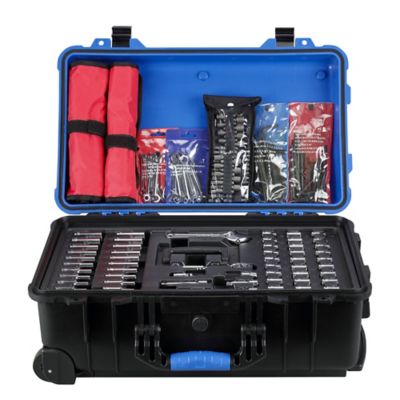
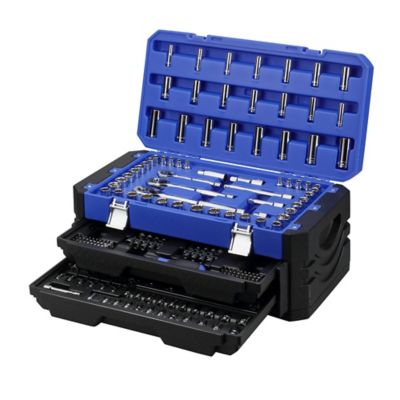
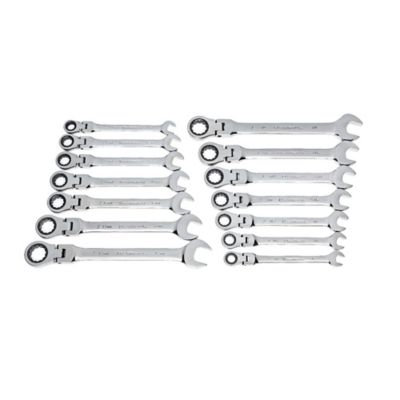
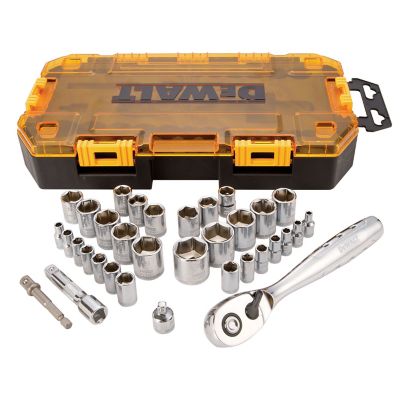
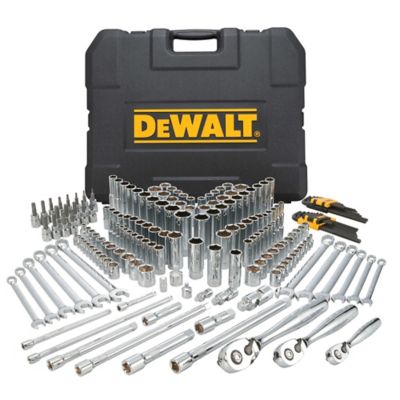
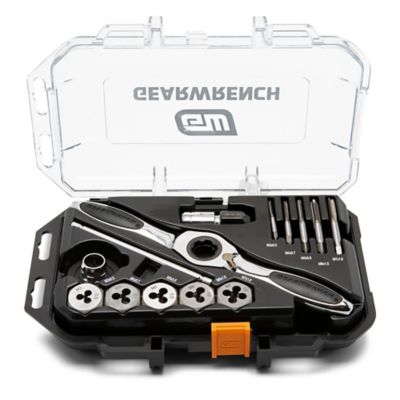
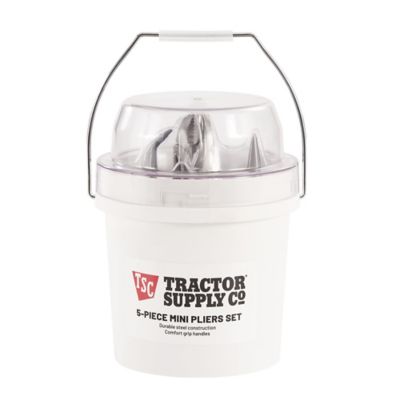
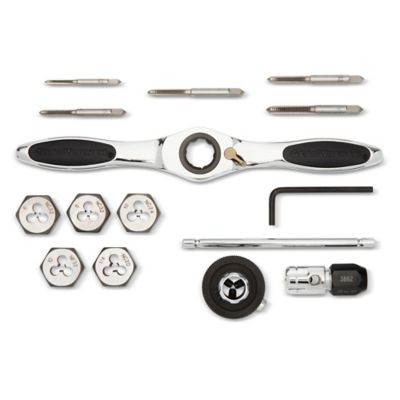
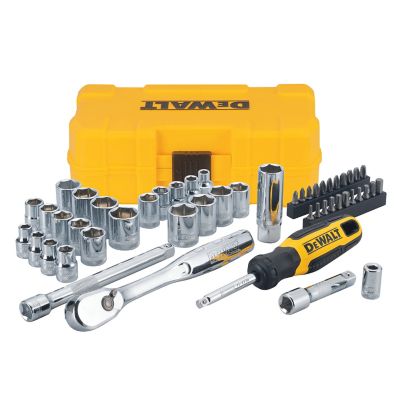
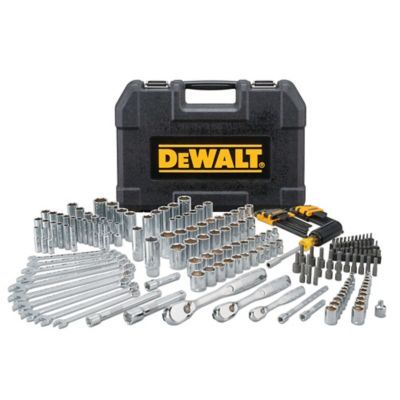
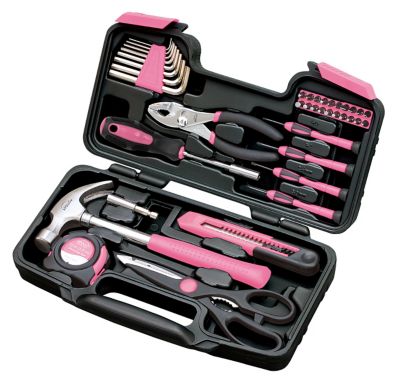
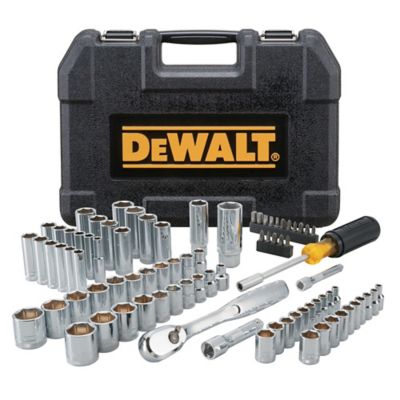
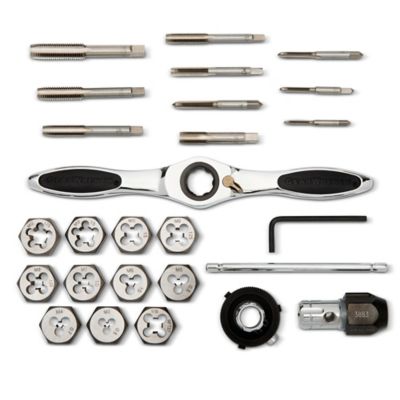
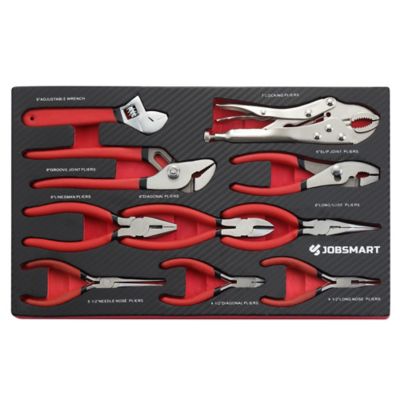
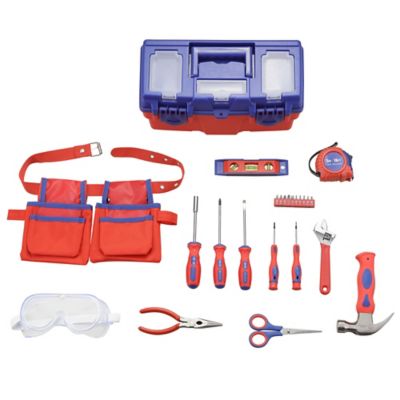
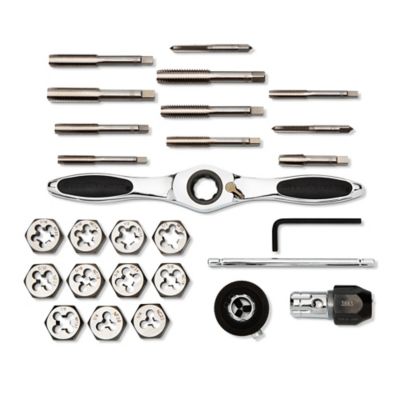
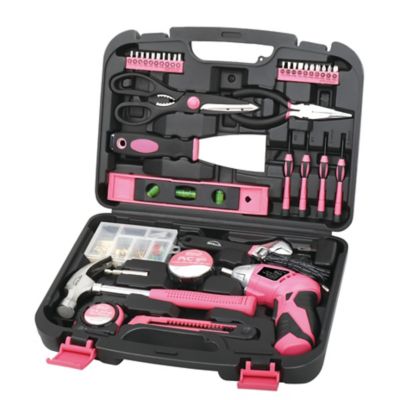
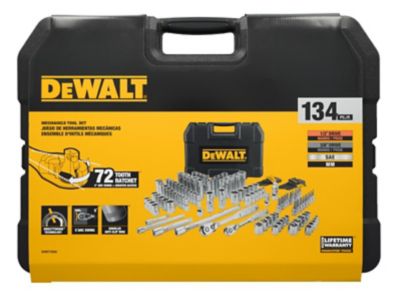
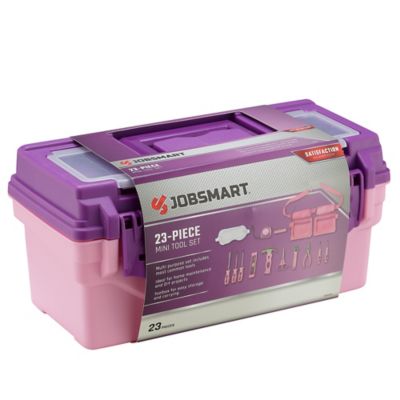
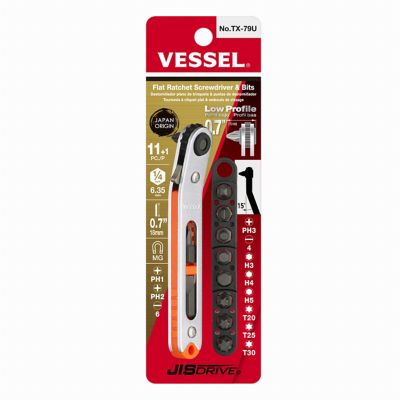
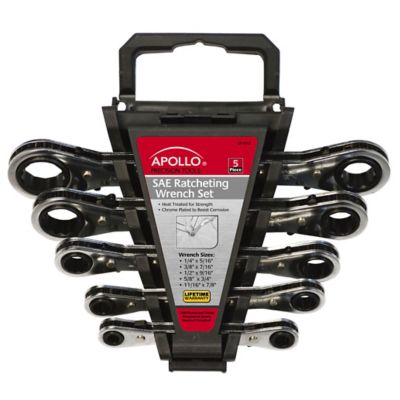
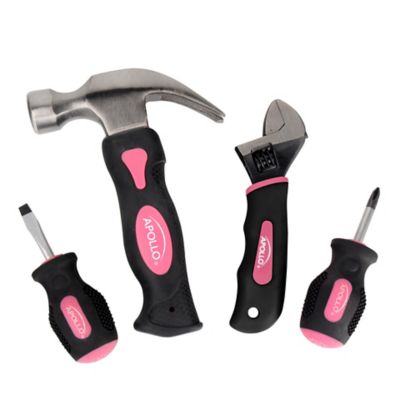
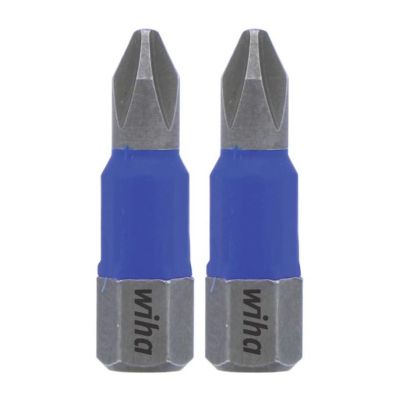
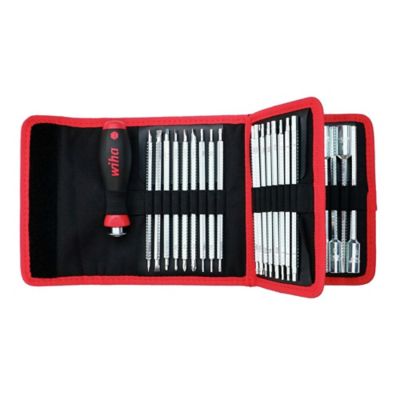
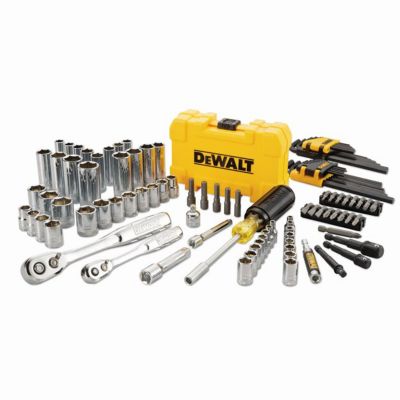
A hand tool set brings several everyday tools together for household repairs, equipment upkeep, assembly, and general shop work. Depending on its purpose, a set may combine screwdrivers, pliers, a hammer, wrenches, sockets, hex keys, and measuring tools, or focus more closely on one type of task. A general-purpose assortment makes sense for tightening a cabinet pull, assembling a workbench, or fixing a loose latch on the feed-room door. A mechanics-oriented set puts more emphasis on ratchets, sockets, extensions, and wrench sizes for working around engines, brackets, and bolted connections. The most useful combination depends on the jobs at hand, not simply the number printed on the case. A higher piece count may include many small screwdriver bits or several versions of the same socket size, while a smaller assortment may cover the fasteners a person handles most often. Both SAE and metric sizes have a place around many homes and properties, especially where older equipment sits alongside newer machinery. Having the right measurement system helps prevent the frustration of a wrench that seems close but never seats properly. Tool dimensions matter, too: a short screwdriver can reach inside a cramped cabinet, while a longer wrench offers more reach where there is room to swing it. For someone carrying tools between the house, barn, and detached shop, a manageable case can matter as much as a wide assortment. For someone working mainly at a bench, organized coverage of frequently needed sizes may take priority over portability. Hand tool sets also make practical gifts for a first-time homeowner, a new driver learning basic maintenance, or a family member setting up a garage workspace. Across the broader selection of
Tool Sets, the value of an assortment comes from how well its contents match the work, the workspace, and the person reaching for it.
Materials, construction, and fit all affect how a hand tool set feels once the work starts. Many wrenches and sockets feature alloy steel, including chrome-vanadium steel, while heat treatment helps establish the balance of hardness and strength needed for their intended tasks. A chrome finish can help resist corrosion and make oily residue easier to wipe away, though no finish replaces proper care. Smooth plating, clearly marked sizes, and well-formed working ends are useful details when tools move from a bright bench to the underside of a mower deck or the back of a crowded storage cabinet. A wrench should seat closely on the fastener, and a screwdriver tip should match both the shape and size of the screw recess. Loose-fitting tools can slip and damage fastener edges, turning a small repair into a longer chore. Six-point sockets engage the flats of hex fasteners and can be helpful where a secure fit matters, while twelve-point designs offer more starting positions in certain spaces. Shallow sockets suit many exposed fasteners; deep sockets provide room for nuts on longer studs or recessed connections. Ratchet drive size is a separate measurement from socket opening size, so a set’s drive system should suit the sockets and accessories intended to work together. Ratchet head size and swing arc also matter around close-set brackets, where there may be little room to move the handle. Grip shape deserves attention as well. Rounded edges, a comfortable handle diameter, and textured surfaces can make repeated turning or squeezing less tiring, although a soft grip alone does not mean a tool is insulated for electrical work. Longer handles provide leverage, but every tool still has limits, and ordinary hand sockets are not a substitute for impact-rated sockets on powered equipment. These details help distinguish an assortment suited to light household fixes from one intended for regular mechanical tasks, without making piece count the whole story.
Storage and care play a big part in keeping a hand tool set ready for the next job. A fitted case gives each piece a home, making it easier to notice an empty socket slot before leaving the driveway or packing up beside the barn. Secure latches, a comfortable carrying handle, and clearly arranged compartments are especially helpful when tools travel in a truck or move between buildings. A compact case can tuck onto a shop shelf, while trays or organized inserts may suit a stationary toolbox better. Room around each tool matters, too; pieces that are hard to remove with work gloves can slow down a simple repair. Clear size markings and a sensible layout save hunting when a loose bolt interrupts another chore. Keeping a set together also helps prevent the familiar problem of finding three similar sockets but not the one needed for the job. After work, a wipe with a clean cloth removes moisture, dirt, and oily buildup before the tools go back into storage. A light protective oil may be appropriate for exposed metal, following the maker’s care directions, while grips should stay clean enough to hold securely. Tools put away damp can develop corrosion even inside a closed case. Occasional checks for cracked handles, chipped tips, worn socket openings, or ratchets that skip help identify pieces that need attention before another repair begins. A hand tool set can serve different roles over time: a starter assortment for a first apartment, a dedicated kit for property chores, or a portable companion to a larger shop collection. For gift giving, the recipient’s space and interests matter more than an impressive total number of pieces. Someone assembling furniture may appreciate a different mix than someone maintaining small engines. A well-matched assortment keeps familiar tools close at hand for the little fixes and planned projects that come with looking after a home, workshop, and stretch of land.