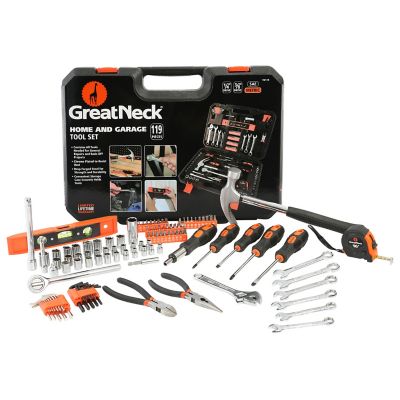
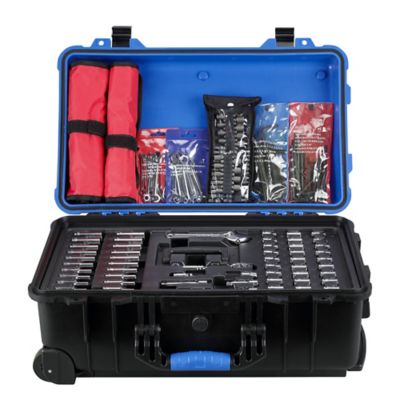
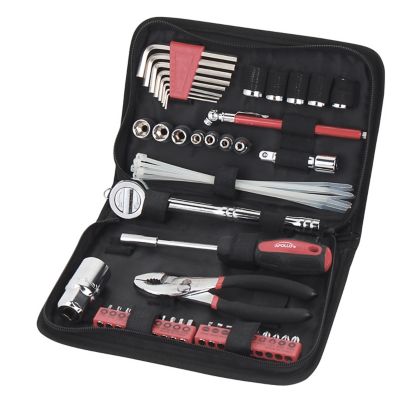
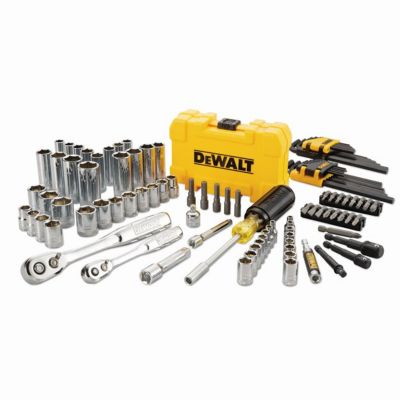
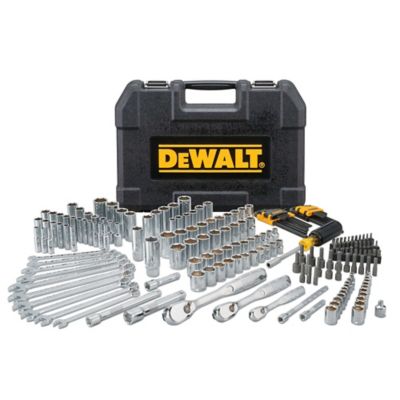
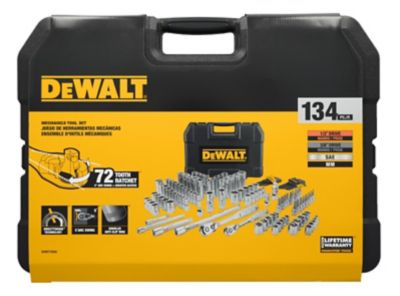
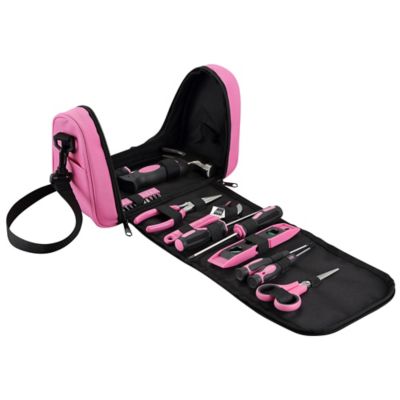
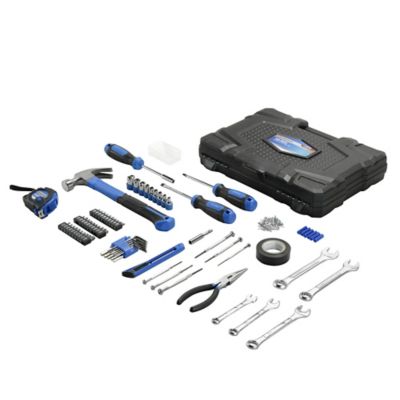
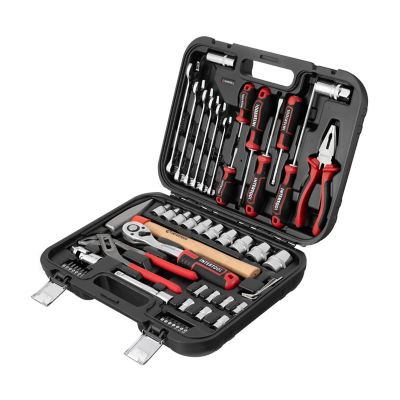
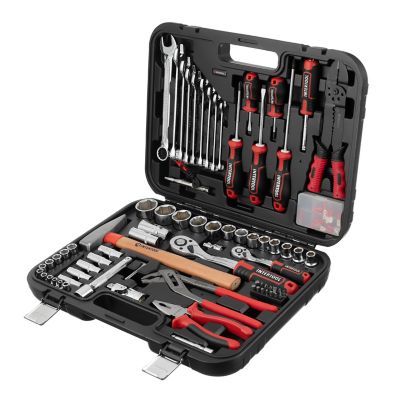
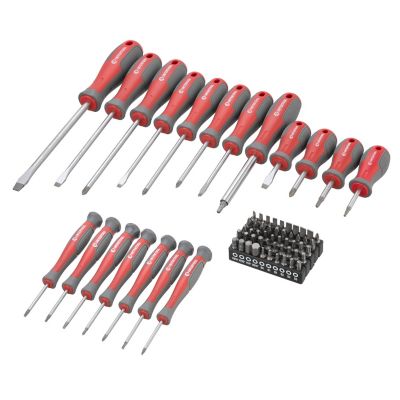
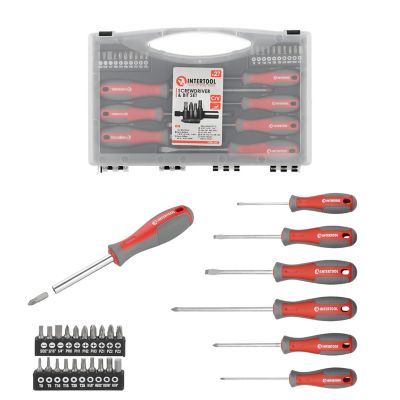
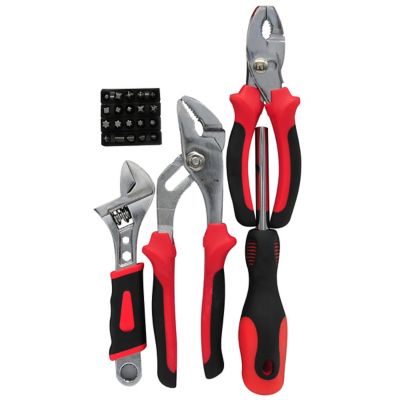
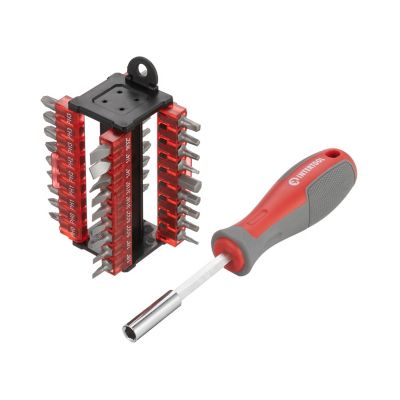
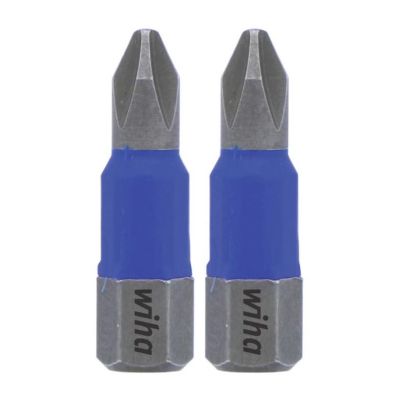
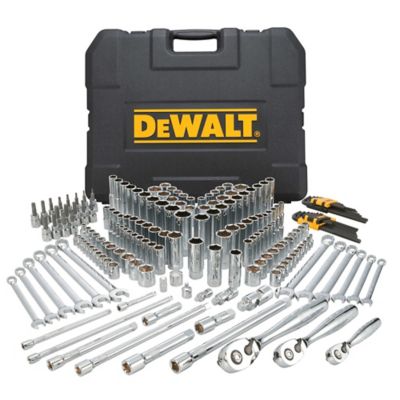
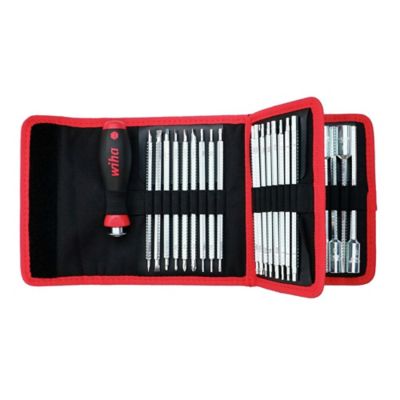
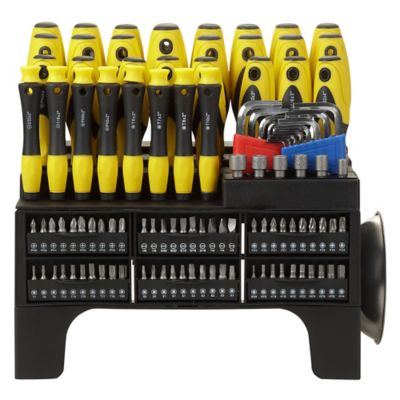
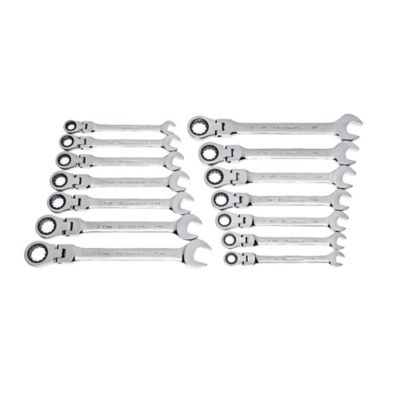
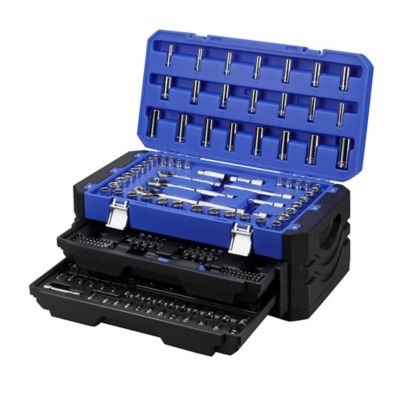
A home repair tool set is a handy starting point for the everyday jobs that come up around a house, apartment, garage, barn office, or workshop. Instead of hunting through drawers for a loose screwdriver or borrowing a wrench from the neighbor, a well-organized kit keeps common tools together and ready to use. Look for a set that includes a claw hammer for driving and pulling nails, a tape measure for checking wall space and material lengths, an adjustable wrench for tightening nuts and bolts, and both slip-joint and needle-nose pliers for gripping, holding, bending, and reaching into narrow spots. A multi-bit screwdriver or bit driver with Phillips and slotted tips can handle furniture hardware, cabinet hinges, outlet covers, and general assembly. A utility knife is useful for trimming cardboard, opening packages, cutting twine, and handling light materials, while a level helps keep shelves, pictures, curtain hardware, and small projects straight. Many sets also include hex keys, a ratchet with sockets, a voltage tester, scissors, a bit assortment, or a small selection of fasteners. Those extras can save a trip to the hardware aisle when a quick fix turns into a longer project. For broader options, shoppers may also want to compare these home repair kits with
Master Tool Sets, especially when they need more socket sizes, specialty bits, or tools for work that reaches beyond basic household repairs.
When comparing a home repair tool set, start with the kind of work you expect to do and the way you plan to store the kit. A compact case may be just right for hanging shelves, tightening loose handles, assembling furniture, making small plumbing adjustments, and taking care of routine touch-ups. A larger set can be a better fit for a homeowner who maintains an older house, works on outbuildings, or likes to keep a more complete selection close by. Count the useful pieces, not just the number printed on the package. A kit with fewer, well-chosen tools may serve better than a large assortment filled with duplicates or bits you are unlikely to use. Check that the hammer has a comfortable, secure grip; the tape measure locks firmly and has easy-to-read markings; plier jaws meet evenly; and screwdriver bits fit snugly without wobbling. Socket sizes should match the fasteners commonly found around your home, while a case with labeled slots makes it easier to notice when something is missing. Materials and construction matter, too. Steel tools with smooth moving parts and handles that are easy to hold can make a big difference when a stubborn screw or rusty nut takes extra effort. If the kit will be used near water, dust, livestock, or outdoor work areas, a sturdy case and corrosion-resistant finish are especially helpful. Keep the set somewhere dry and easy to reach, such as a utility room, mudroom cabinet, workshop shelf, or secured vehicle box. Wiping tools clean after use and storing them in their assigned places helps them last through plenty of repairs.
These sets can be useful for many different people and make practical gifts for new homeowners, renters, college students, first-time apartment dwellers, and anyone setting up a workshop from scratch. A basic kit tucked into a housewarming gift can help with the first round of picture hanging, furniture assembly, curtain installation, and loose-handle repairs that tend to follow a move. It can also be a thoughtful choice for a family member who is learning to handle small projects independently. During the cooler months, a reliable set is useful for tightening storm door hardware, securing cabinet latches, repairing storage shelves, and taking care of indoor projects while outdoor chores slow down. On a rural property, the same tools may be used for everything from replacing a gate latch or adjusting a shed hinge to measuring lumber, fixing a loose kennel panel, or opening a package of replacement parts. For heavier repairs, specialized electrical, plumbing, automotive, or construction tools may still be needed, and safety should always come first. Wear eye protection when driving nails, cutting materials, or working with fasteners under tension; use the correct tool for the job; and shut off power before working around electrical fixtures. A home repair tool set is not a substitute for professional help when a project involves live wiring, gas lines, major structural work, or a repair outside your experience. For ordinary maintenance and small fixes, though, keeping the right tools close at hand can turn a frustrating delay into a straightforward job and help make a home feel cared for, one tightened screw, level shelf, and repaired latch at a time.