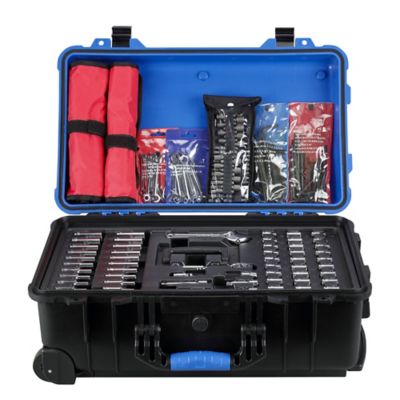
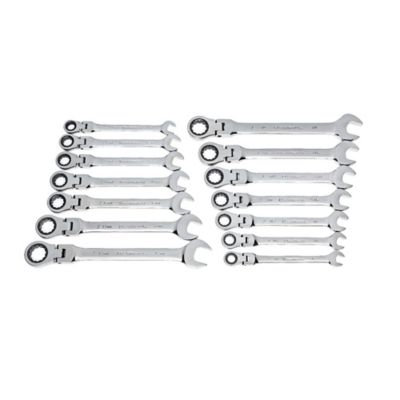
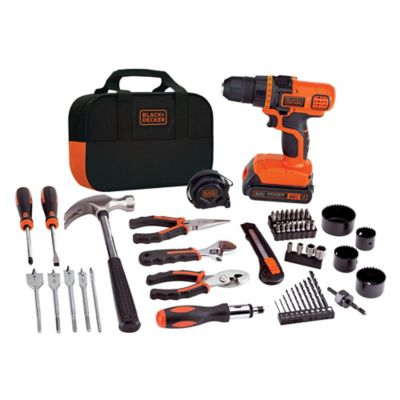
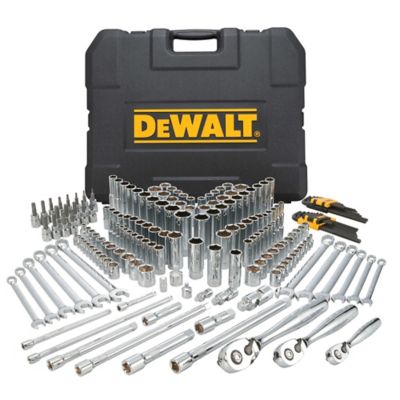
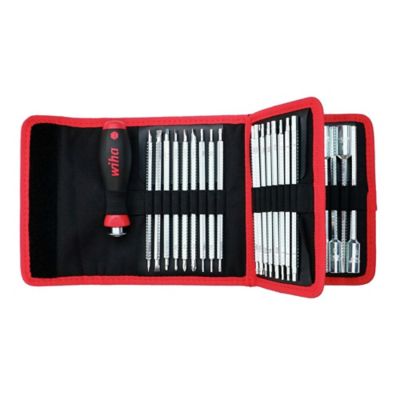
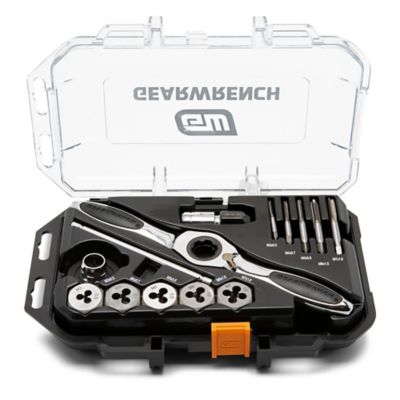
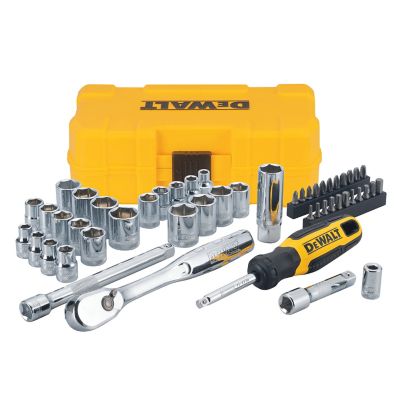
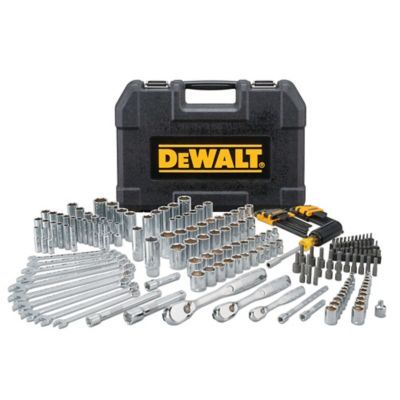
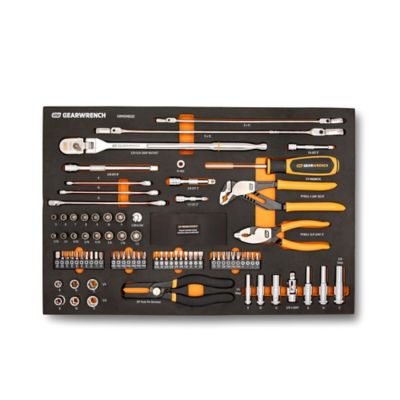
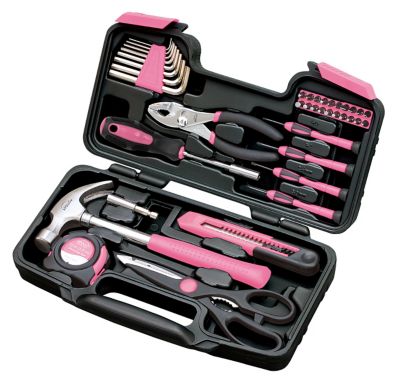
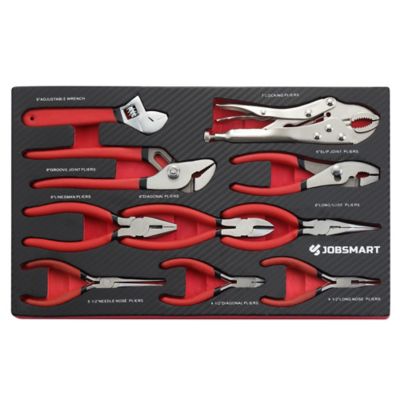
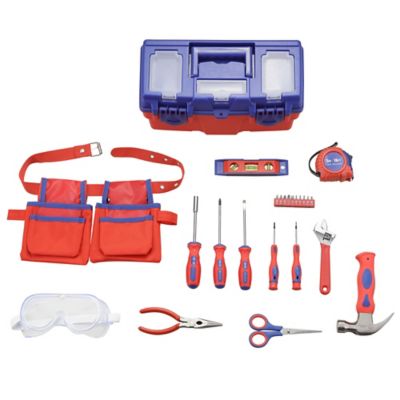
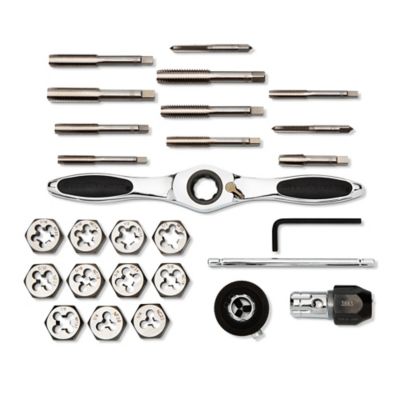
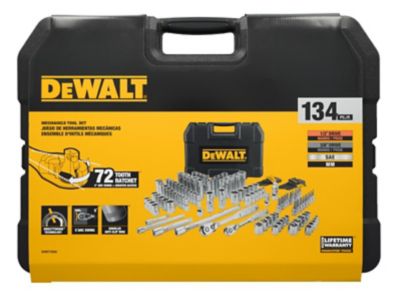
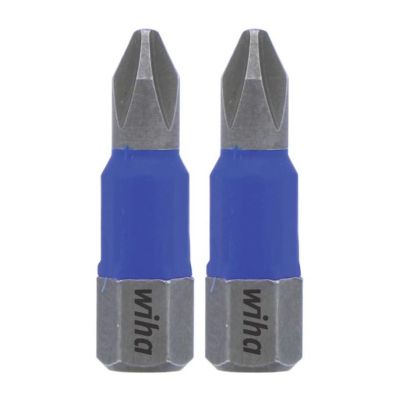
Tool sets bring related tools together for home repairs, vehicle maintenance, equipment work and building projects. General-purpose hand tool sets cover a broad mix of everyday jobs, mechanics tool sets focus on nuts and bolts, and cordless power tool combo kits group compatible tools for drilling, driving and other tasks. The right mix depends more on the work ahead than on the number printed on the case. Around the house, a hammer, screwdrivers, pliers, a tape measure and an adjustable wrench can handle jobs such as tightening cabinet hardware, assembling shelving or replacing a loose gate latch. Out in the shop, a coordinated selection of ratchets, sockets and combination wrenches makes more sense for working on a mower, servicing a utility trailer or reaching fasteners tucked beneath an engine cover. Some sets concentrate on one tool family, while others combine several types in a carrying case. A smaller assortment with the sizes a job calls for can be more practical than a large case filled with pieces that rarely leave their slots. Piece counts may include driver bits, hex keys, adapters and other small accessories, so the breakdown matters as much as the total. For someone maintaining a house and a few acres, a general repair kit can serve as a central collection, with specialized sets filling in as projects grow. For a mechanic or equipment owner, socket coverage and wrench sizes may carry more weight than a broad assortment of household tools. A set kept in the truck also serves a different purpose from one that stays beside a workbench: compact storage and secure latches matter on the road, while clear organization and room to spread out matter in the shop. Those differences help explain why tool sets range from compact repair kits to larger collections built around repeated mechanical work.
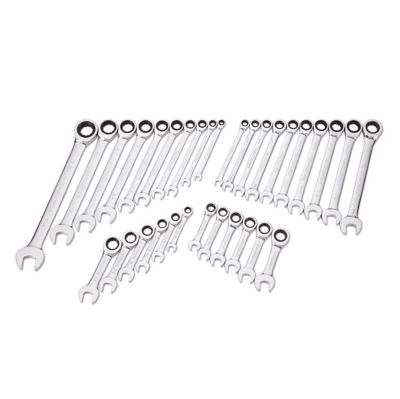
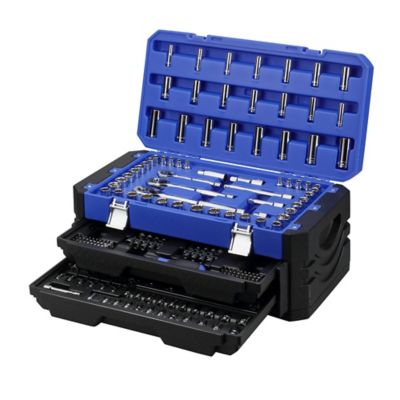
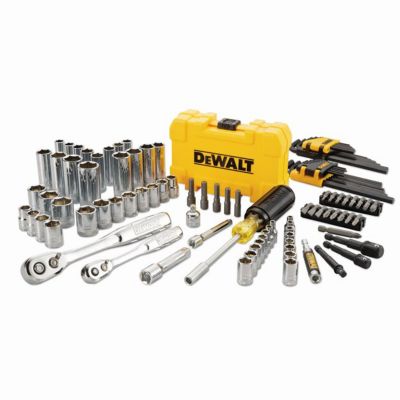
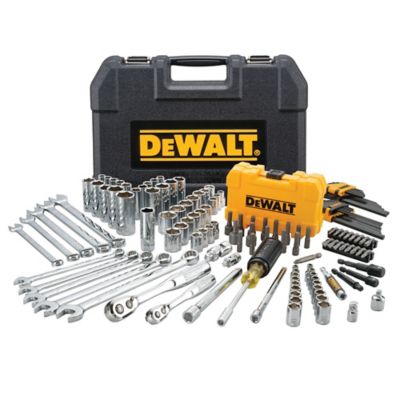
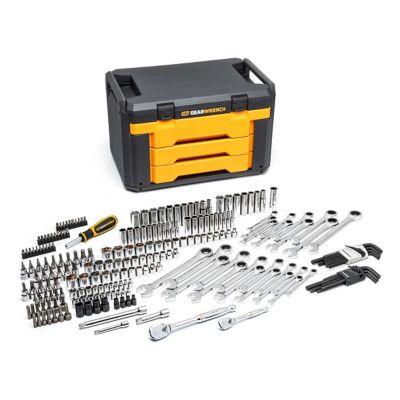
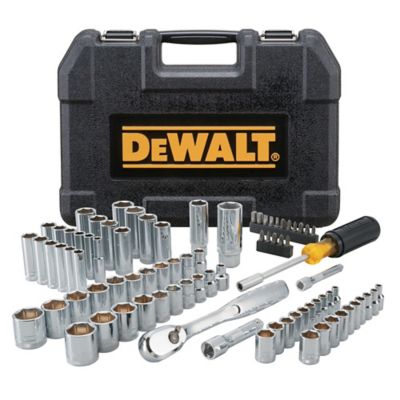
Mechanics tool sets are organized around fastener size, drive size and access. SAE sizes are marked in fractions of an inch, while metric sizes are marked in millimeters; equipment collections often call for both. A close-fitting socket or wrench helps protect fastener corners and gives a steadier feel than a near match. Socket drive size is a separate measurement that identifies the square connection between the socket and ratchet. Quarter-inch drives suit smaller fasteners and tight spaces, three-eighths-inch drives cover a broad range of maintenance work, and half-inch drives commonly handle larger fasteners with appropriately rated tools. Standard-depth sockets fit many exposed nuts and bolt heads, while deep sockets accommodate some recessed fasteners or nuts on longer threaded studs. Extensions help reach past obstructions, although every connection still needs enough clearance to seat fully. Six-point sockets engage the flats of hex fasteners and can be helpful on stubborn hardware; twelve-point designs offer more starting positions where access is limited. Ratchet head size and swing arc also matter under a dash or beside an engine bracket, where there may be little room to move the handle. Materials and finishes add another layer of consideration. Heat-treated steel alloys, including chrome vanadium, appear in many hand tools, and plated finishes can make grease and grime easier to wipe away. Impact-rated sockets are designed for the repeated blows of impact tools; ordinary hand sockets are not a substitute, regardless of whether they fit the drive. Grip shape matters during longer jobs, too. A handle that sits comfortably in the palm, offers control with work gloves and leaves room around nearby parts can make repeated turns less tiring. For final tightening where a torque specification applies, a suitable torque wrench serves a different role from a standard ratchet. Taken together, these details help match a mechanics set to the equipment in the driveway or shop, rather than treating every socket collection as interchangeable.
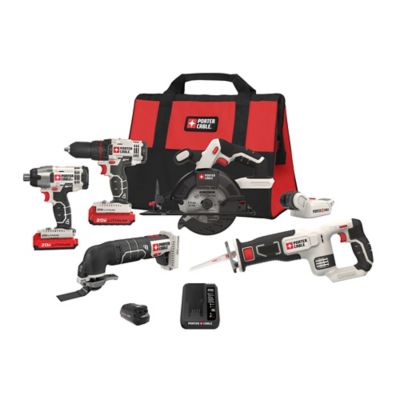
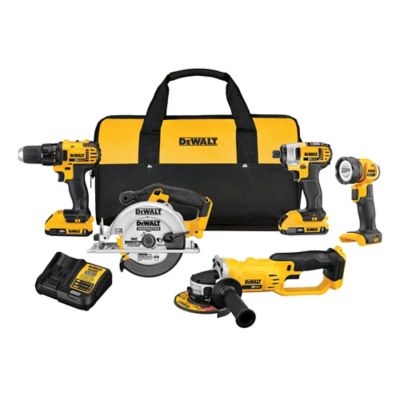
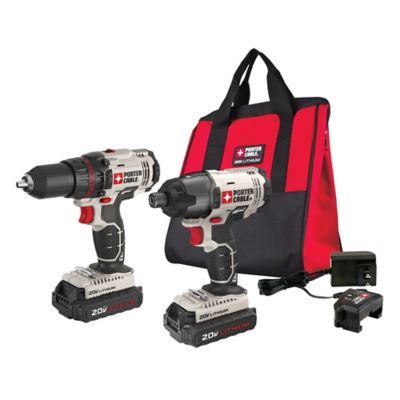
Cordless power tool combo kits bring a different kind of convenience to repair and building work, especially when several tools share a battery platform. Drills handle holes and controlled fastening, while impact drivers deliver rotational impacts for driving compatible fasteners; their roles overlap in places, but they are not the same tool. Battery compatibility depends on the manufacturer’s designated system, not simply a matching voltage number. Battery capacity, tool weight and charger requirements all affect how a kit fits the day’s work. A lighter setup can feel easier overhead or on a ladder, while a larger battery may offer longer runtime at the cost of extra weight. Kit contents also deserve a close look because batteries, chargers, cases and accessories vary between packages. For work centered on building and installation,
Construction Tool Kits offer another way to explore tools grouped around those tasks. Across hand tool and power tool sets, storage makes a real difference after the first project is done. Molded cases with marked spaces make missing pieces easier to spot before leaving a job, while bags can leave more room for gloves, measuring tools and frequently needed extras. Secure closures, comfortable carrying handles and readable size markings matter when moving between the barn, garage and truck. Care is straightforward: wipe away dirt and grease, let damp tools dry before closing the case, and follow the manufacturer’s directions for lubrication, battery care and storage. Damaged handles, cracked sockets and worn drive ends need attention before the next job, and ordinary comfort grips should never be mistaken for electrical insulation. Tool sets also make practical gifts for someone settling into a first home, starting trade school or taking on more equipment maintenance. Matching the set to that person’s projects, existing tools and battery platform helps it earn a regular spot on the bench instead of sitting untouched in a closet.