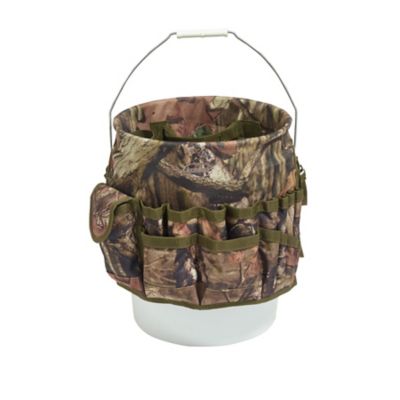
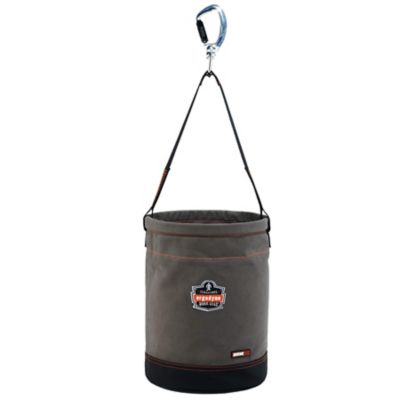
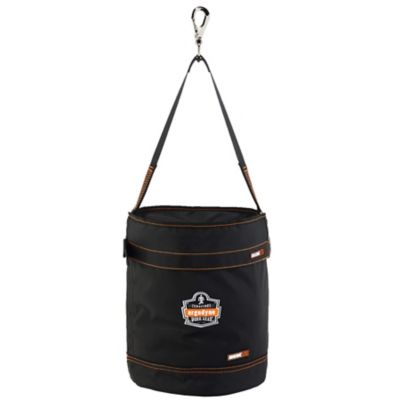
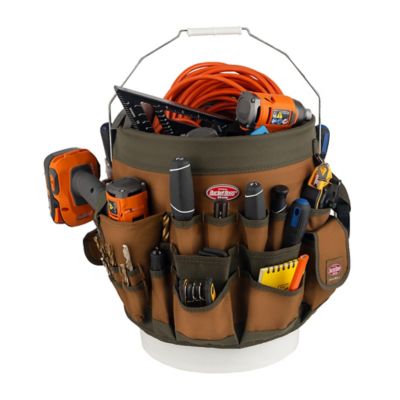
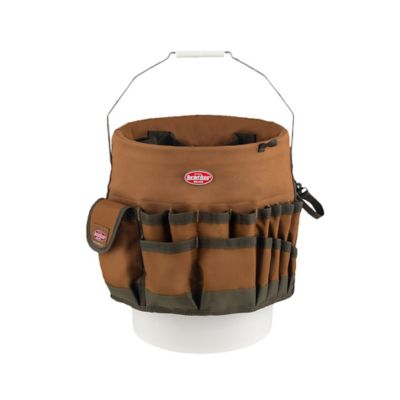
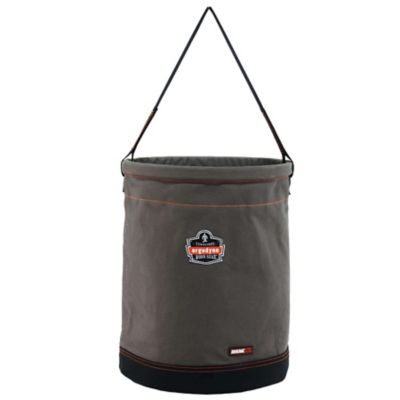
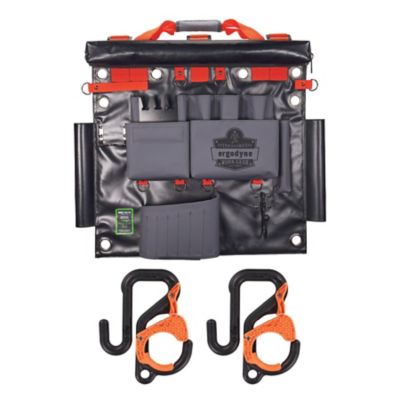
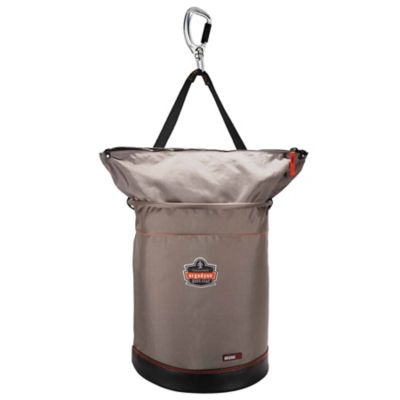
A bucket tool bag is a pocketed organizer that fits around a bucket, turning the space along its sides into easy-to-reach tool storage while leaving room in the center for larger supplies. Many bucket tool bags are designed for standard 5-gallon buckets, but bucket size and shape still matter when checking compatibility. Also called bucket organizers, these bags give hand tools a place to ride instead of leaving everything piled together at the bottom. Exterior pockets keep frequently reached-for tools close at hand, while interior pockets can separate smaller pieces from the main compartment. That layout makes sense for the jobs that take you from the shop to the barn, across a fence line or out to a piece of equipment parked away from the workbench. A pair of pliers, a tape measure and a few screwdrivers are easier to spot when each has a pocket rather than a spot beneath a tangle of other gear. The open center can hold larger tools or contained supplies, depending on the bucket’s capacity and the organizer’s design. For someone handling property upkeep, fencing repairs, carpentry or general maintenance, the appeal is having a manageable set of tools ready to carry without packing an entire shop. Gardeners may also appreciate separate pockets for hand tools, gloves and ties, especially when moving between planting beds and storage areas. Pocket count tells only part of the story: the width, depth and placement of those pockets determine what actually fits. A handful of roomy slots can be more practical for larger handles than a crowded arrangement of narrow sleeves. Keeping small fasteners in closed containers also helps prevent them from disappearing into the bucket or spilling when the load moves. Bucket tool bags work best as storage for the tools a job calls for, with a layout that makes those tools easy to find, lift out and put back when the work is done.
Materials and construction affect how a bucket tool bag carries its load and stands up to repeated trips around the property. Depending on the design, fabric options may include canvas, polyester or nylon, with different textures, weights and care requirements. A heavier fabric can give pockets more structure, while a lighter organizer may fold down more easily when it is off the bucket. Fabric weight alone does not tell the whole story, though. Reinforced pocket openings, secure seams and extra stitching at stress points matter where tool handles rub or heavier tools pull against the fabric. The lower edge deserves attention, too, since it may brush against concrete, gravel or a shop floor each time the bucket is set down. Some designs include loops, clips or designated holders for particular tool shapes; those features are helpful when their placement matches the tools carried most often. A long screwdriver needs enough pocket depth to stay seated, while short bits and pencils are easier to retrieve from shallower compartments. Wider handles need room without stretching the pocket mouth tight. Fit around the bucket is just as important as pocket layout. The organizer should sit as intended around the rim without bunching, hanging too low or interfering with the bucket handle. Buckets with the same stated capacity can differ in rim shape, taper and height, so the listed fit information is worth comparing with the bucket on hand. A bag that drapes into the bucket may reduce some of the usable center space, particularly when its inner pockets are full. An organizer with exterior pockets alone has a different footprint and may place more of the load outside the bucket walls. Neither arrangement suits every task. Someone carrying compact repair tools may favor plenty of individual sleeves, while someone hauling larger hand tools may prefer fewer pockets and a more open center. The most practical choice balances access, tool size and carrying weight rather than treating the largest pocket count as the main goal.
Everyday handling also plays a part in how well a bucket tool bag serves the job. A bucket that feels manageable when empty can become awkward once the pockets and center are packed, especially if several heavy tools hang on one side. Distributing weight evenly helps the load stay balanced, and keeping heavier contents low can make the setup less top-heavy. The bucket, handle and organizer each have their own limits; the organizer does not increase the bucket’s carrying capacity. A loaded bucket should stay within all applicable weight limits and should not be lifted by fabric pockets or tool loops. On the ground, a level resting spot helps keep tools from tumbling into the dirt. In a vehicle, the bucket needs restraint so it cannot tip, slide or spill tools across the floor during a turn or sudden stop. Open pockets make access convenient, but they do not provide the same containment as a fully enclosed bag. For longer walks or jobs that call for both hands to stay free,
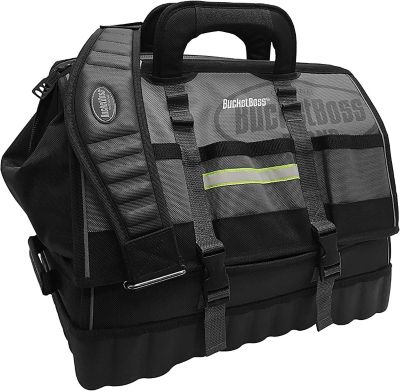
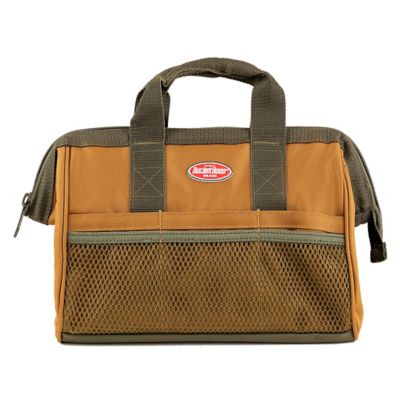
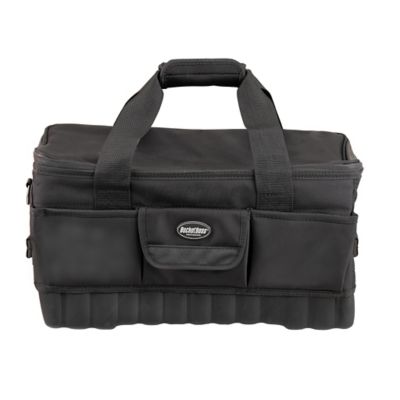
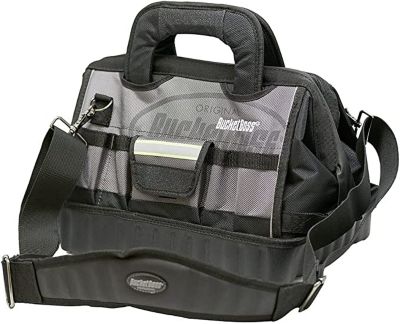
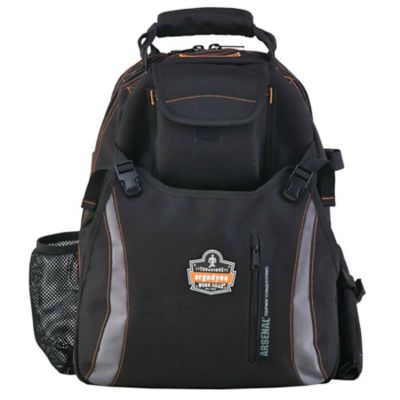
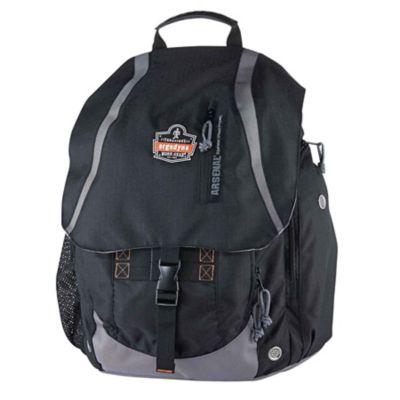
Tool Backpacks offer another carrying format to consider alongside bucket organizers. Care is usually straightforward, but the fabric and any coatings determine the right cleaning method. Emptying loose grit, brushing debris from seams and following the care label help protect the material without unnecessary scrubbing or harsh cleaners. Damp tools and wet fabric should dry before storage to reduce lingering moisture around metal parts and stitched areas. Sharp edges need suitable guards rather than direct contact with a fabric pocket, and damaged seams deserve attention before the next loaded trip. A bucket tool bag can also make a practical gift for a property owner, gardener, mechanic or someone setting up a first workshop, particularly when its pocket layout suits the tools they already carry. With a sensible fit and a load that matches the task, this simple storage format keeps everyday gear gathered in one place and ready for the next repair.