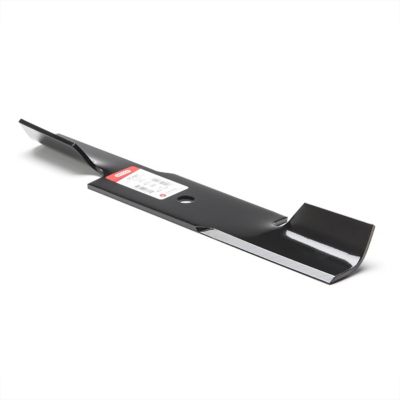
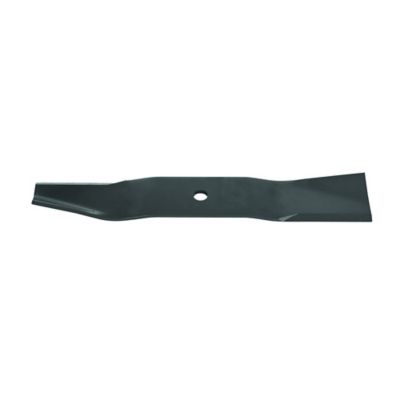
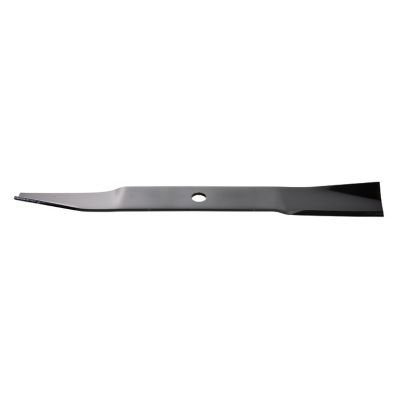
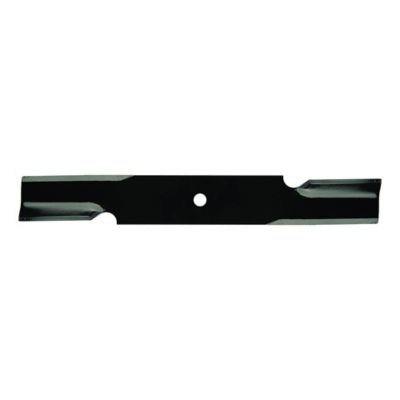
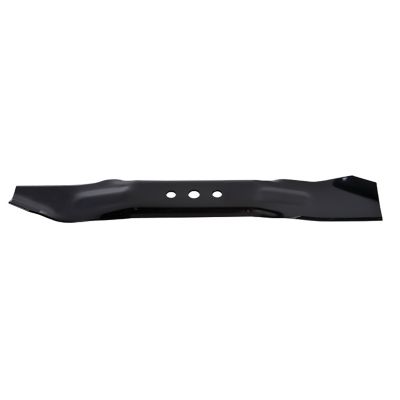
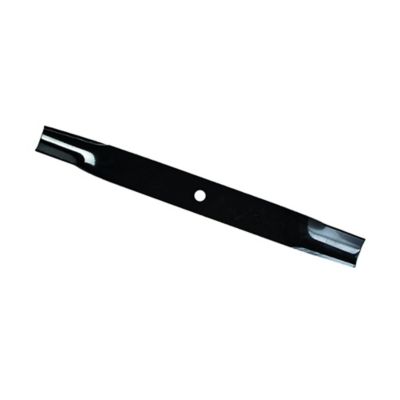
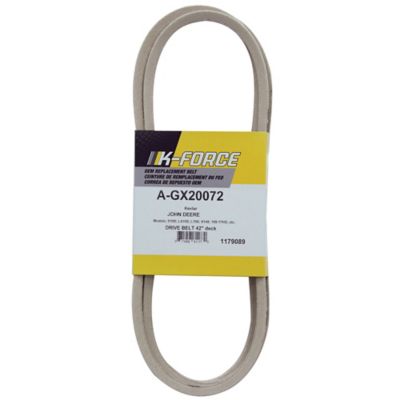
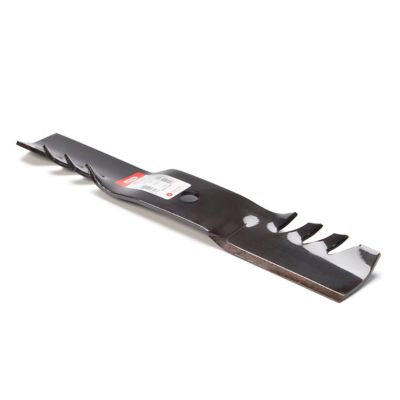
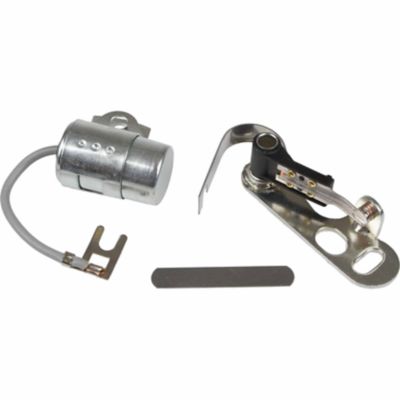
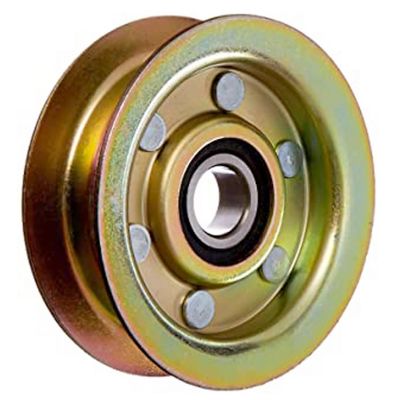
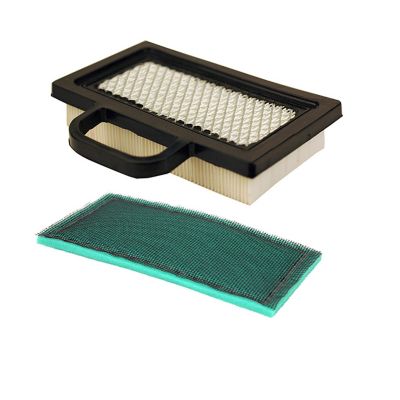
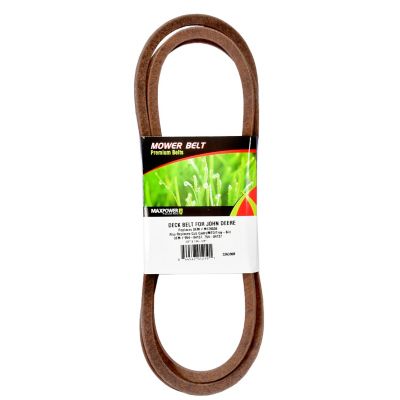
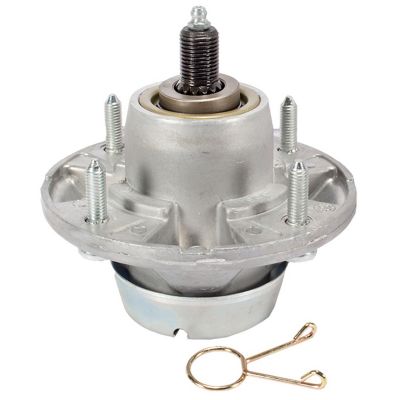
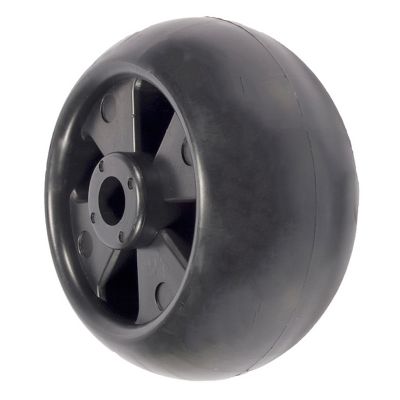
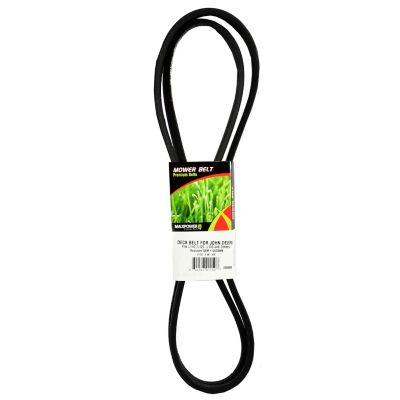
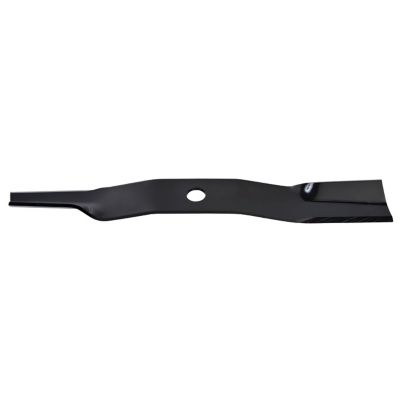
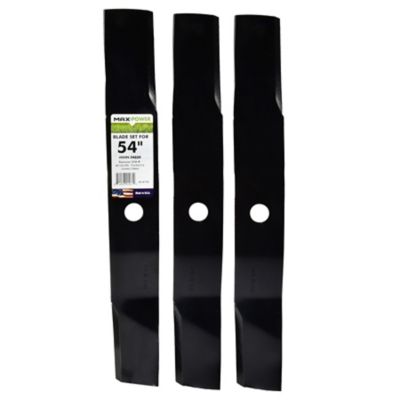
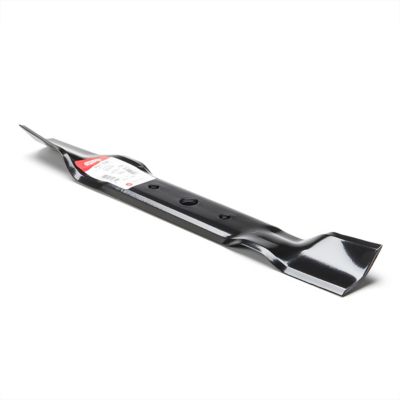
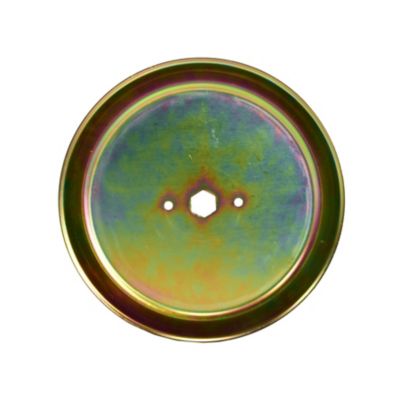
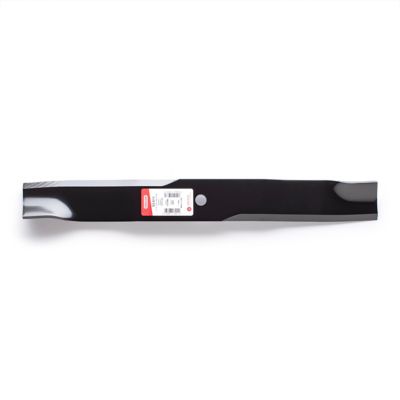
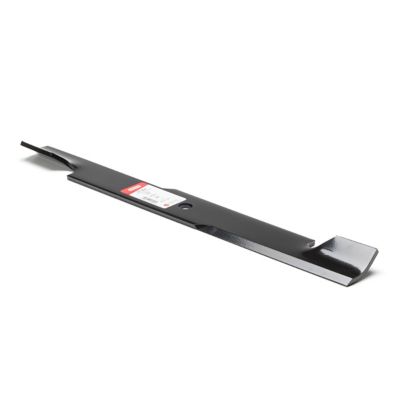
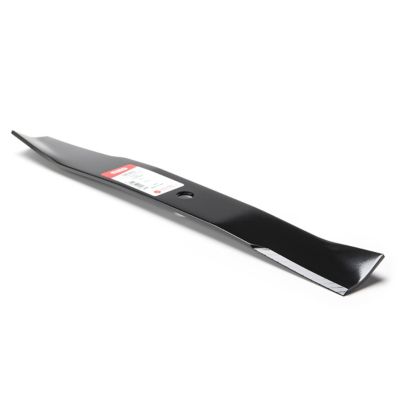
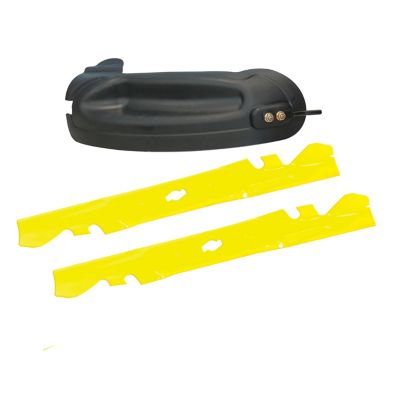
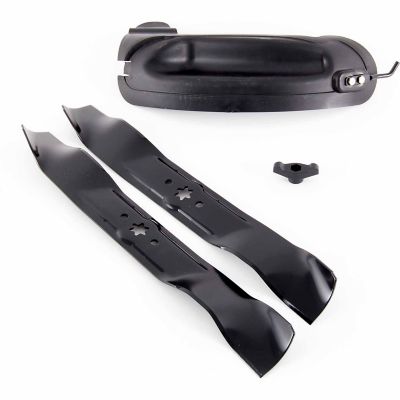
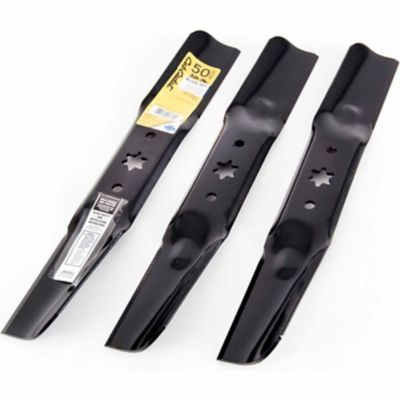
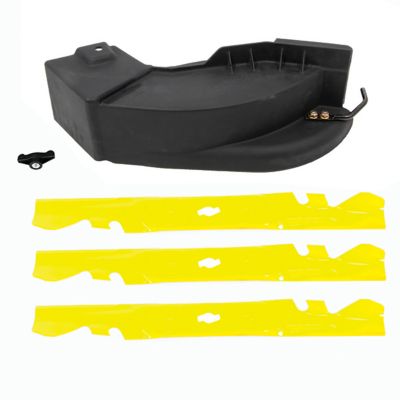
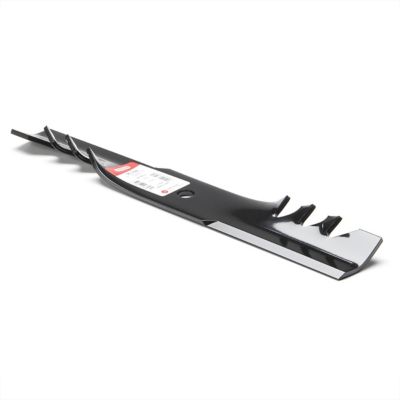
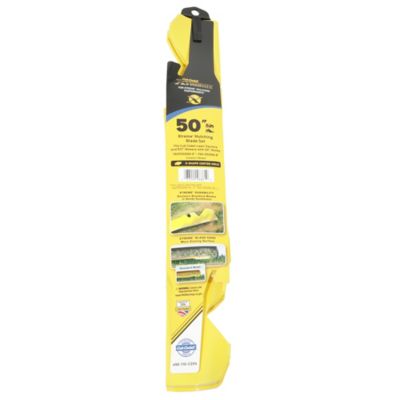
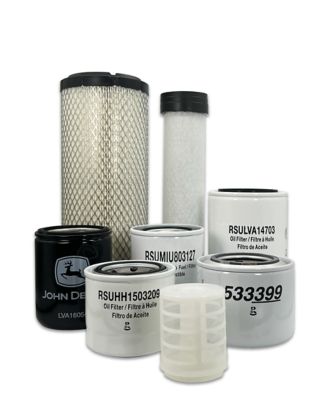
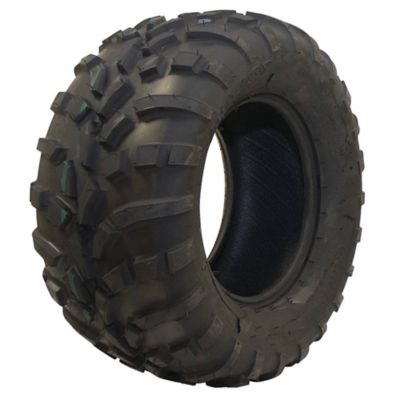
Keeping a lawn mower in good shape is a lot like keeping a pickup, tractor or old barn door working right: a little attention goes a long way, and the right replacement part can save a whole afternoon of frustration. Lawn mower parts help bring dependable equipment back into the routine, whether the machine is used to tidy a small yard, maintain a long stretch of acreage or keep the grass around a homestead looking neat and manageable. Before choosing a replacement, take a few minutes to identify the mower’s model and year, then compare the part number, dimensions, mounting style and fit with the equipment you already own. Even parts that look nearly identical can differ in length, shape, connection points or material. A quick check of the owner’s manual, the original part or the mower’s identification label can help prevent ordering a part that does not match. It is also worth taking a close look at the condition of related components. A worn belt may point to a pulley that is not turning freely, while uneven cutting can be caused by a dull cutting edge, a bent component, low tire pressure or a deck that needs cleaning. Taking care of the underlying issue helps a new part perform as intended instead of putting extra strain on it.
Mower maintenance tends to become especially important as the weather shifts from warm growing conditions into cooler stretches and changing grass growth. After a busy run of cutting, clippings and damp soil can collect beneath the deck, around moving parts and near discharge areas, where they may hold moisture and encourage rust. With the engine off, the key removed and the equipment safely secured, cleaning away buildup makes it easier to inspect the machine and spot loose fasteners, cracks or excessive wear. Replacement parts should be installed according to the manufacturer’s instructions, with all hardware tightened properly and safety shields or guards put back in place before operation. Keep hands, loose clothing and tools away from moving components, and allow hot equipment to cool before beginning maintenance. If a mower starts vibrating, leaves ragged grass behind or makes a sound that was not there before, shut it down and investigate rather than continuing to run it. A few extra minutes in the shed can protect the machine, the lawn and the person doing the work. For households with more than one mower, sorting parts by model and storing small hardware in labeled containers can make future repairs much easier. A dry, covered storage area is helpful, too, especially when equipment may sit unused during colder weather.
These parts can be useful for homeowners, landowners, groundskeepers and anyone who prefers to handle routine repairs without hauling equipment across town. They also make a practical gift for a family member who takes pride in a well-kept yard, maintains a rural property or enjoys keeping older equipment working for another season. The best choice depends on the job at hand: some repairs call for a direct replacement that restores everyday operation, while others are part of seasonal maintenance before the mower is stored or brought back into regular use. When comparing options, consider durability, compatibility, installation requirements and how often the mower is used. A machine that works several hours a week on thick grass may need different maintenance attention than one used for a small residential lawn. It is smart to keep commonly needed maintenance items on hand, but avoid guessing based on appearance alone. Measurements and equipment details matter more than a close visual match. For owners working with another manufacturer’s equipment, the selection of
Honda Lawn Mower Parts can provide a useful place to compare compatible replacement options. Whether the goal is to finish the last rounds of mowing cleanly, prepare equipment for storage or get a trusted machine ready for the next stretch of growing weather, dependable parts and careful installation help keep outdoor work moving along.