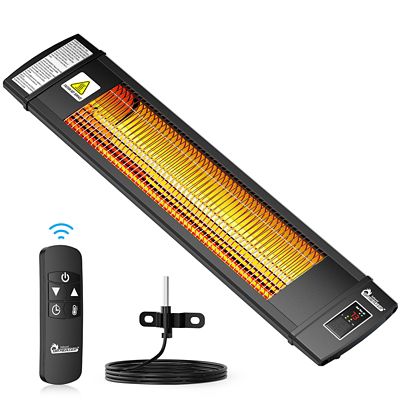
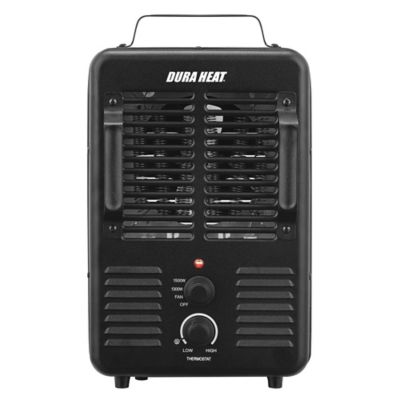
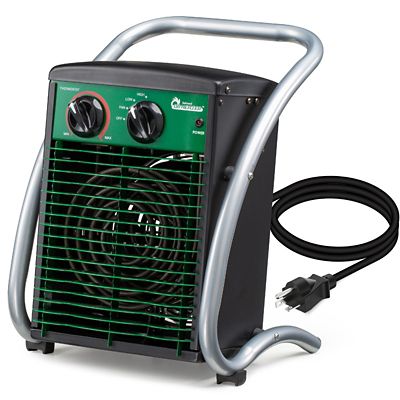
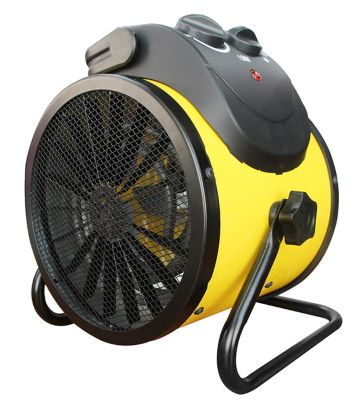
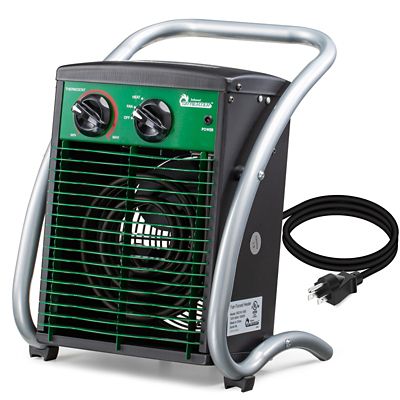
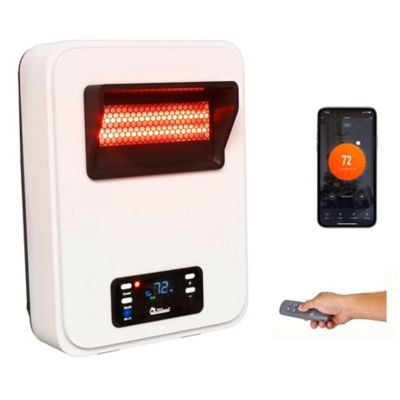
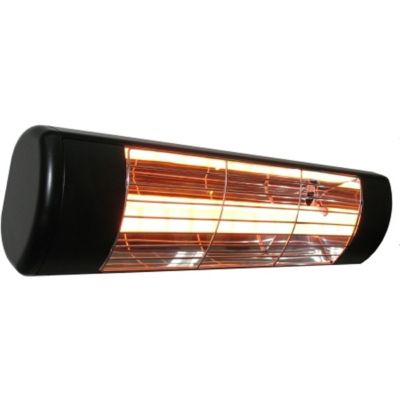
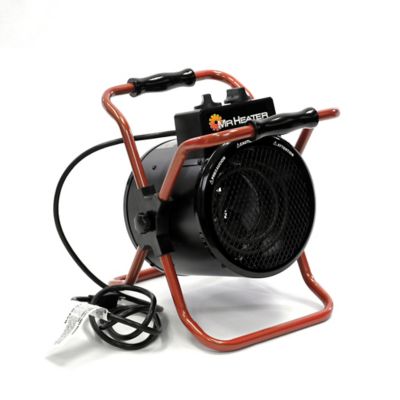
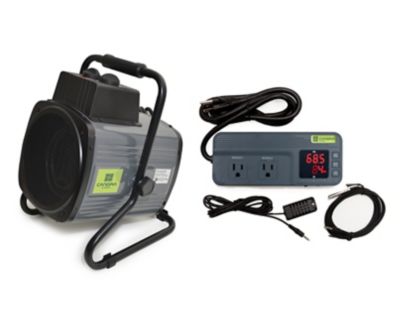
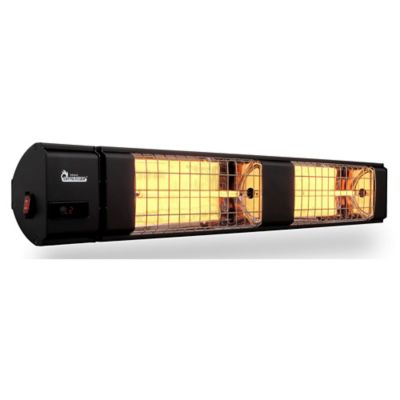
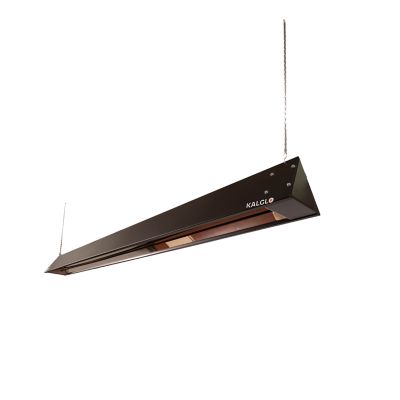
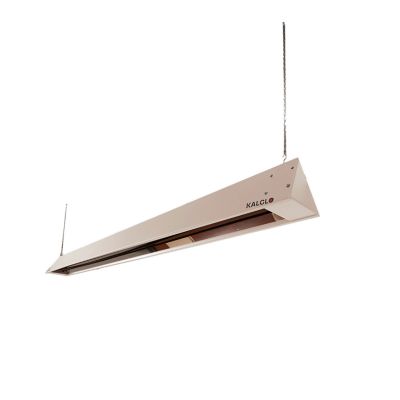
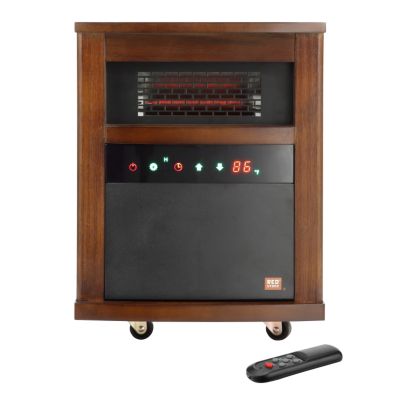
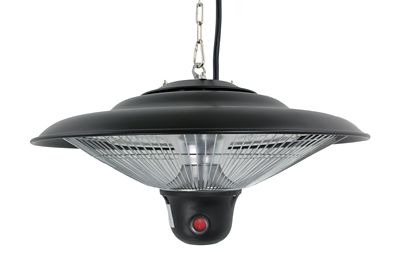
Greenhouse heaters help take the edge off chilly nights, protect plants from frost, and keep a growing space useful through the cooler months. Even when the sun warms the outside air during the day, temperatures inside a greenhouse can drop quickly after dark, especially when the structure is made of thin plastic, single-wall panels, or glass. A dependable heat source can help protect seedlings, herbs, flowers, tropical plants, and overwintering vegetables from cold stress while giving you more flexibility with planting and harvesting. Electric greenhouse heaters are a popular choice for hobby greenhouses, grow tents, and other small-to-medium spaces because they are easy to set up where a safe electrical connection is available. Many have adjustable thermostats, multiple heat settings, fans for circulating warm air, and automatic shutoff features that help provide steady, controlled warmth without an open flame. A portable unit can be moved to different spots as your plants change, while a mounted heater may be a better fit when floor space is tight or when you want to keep equipment away from watering areas. For compact spaces up to roughly 150 square feet, a 1,500-watt electric heater is a common starting point, but the right size depends on the greenhouse’s insulation, ceiling height, outside temperatures, wind exposure, and the amount of heat loss through doors and panels. A heater that is too small may run constantly without keeping temperatures where they need to be, while an oversized unit can cycle frequently and use more energy than necessary. Checking the heater’s coverage guidance and comparing it with the dimensions of your greenhouse is a practical first step.
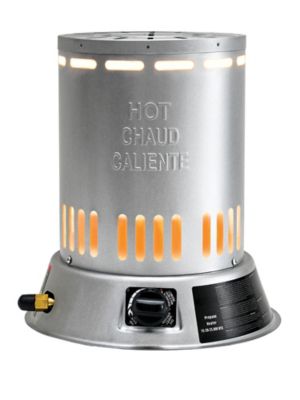
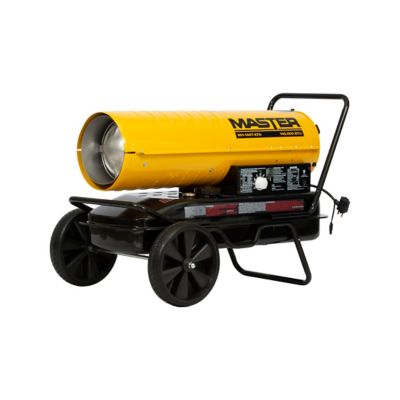
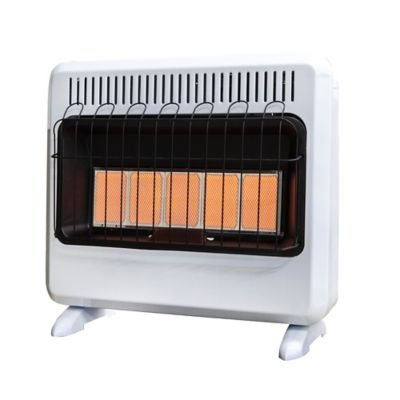
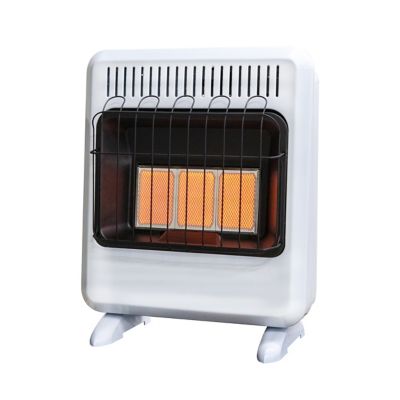
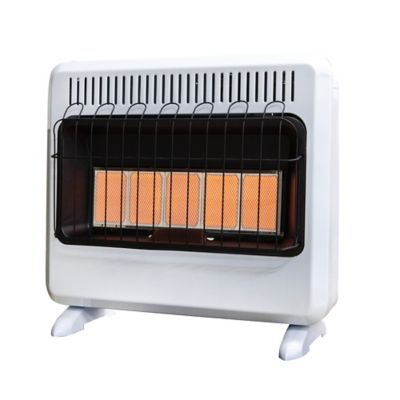
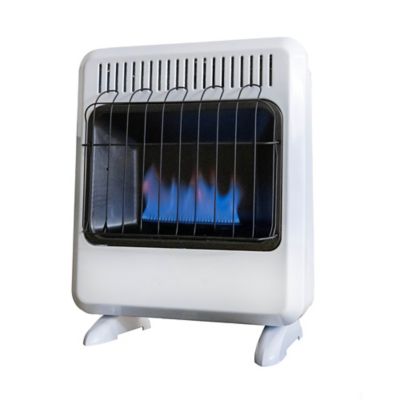
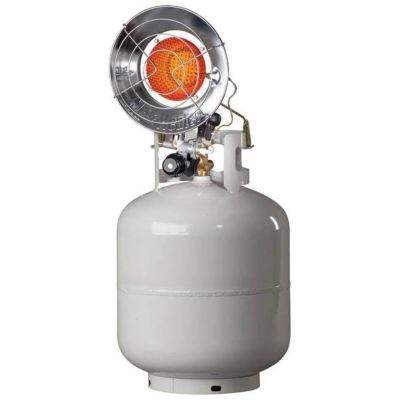
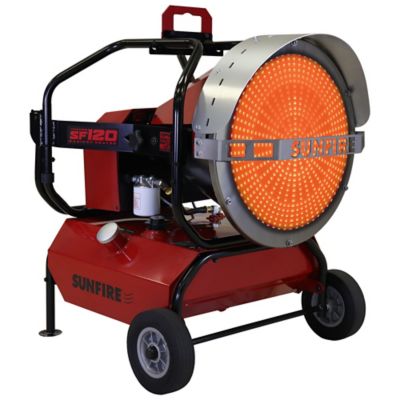
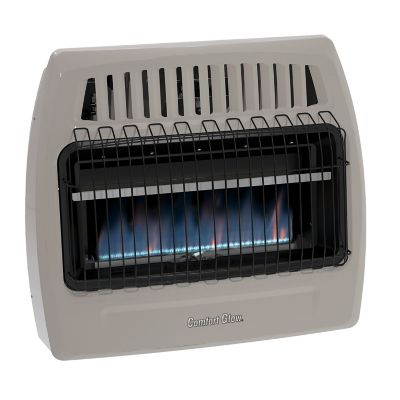
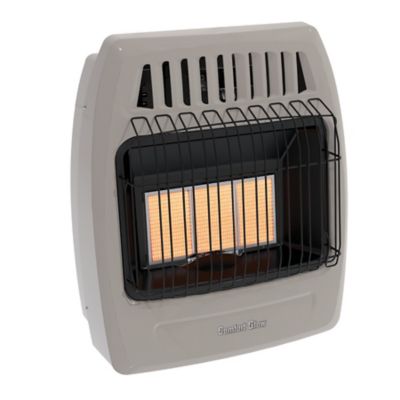
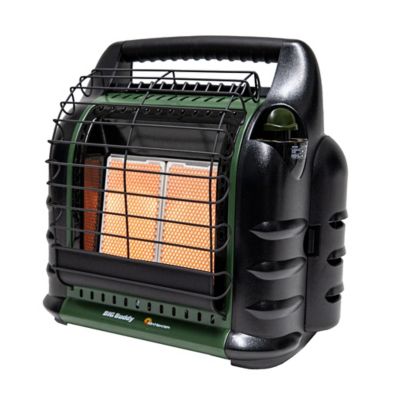
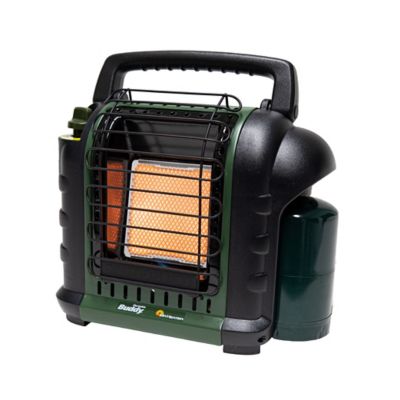
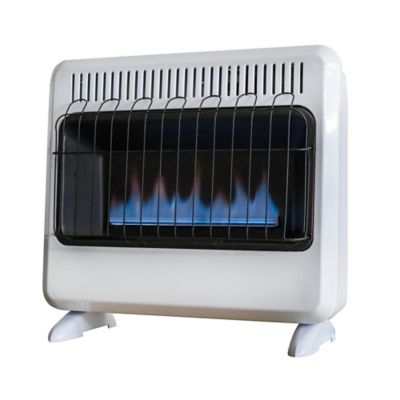
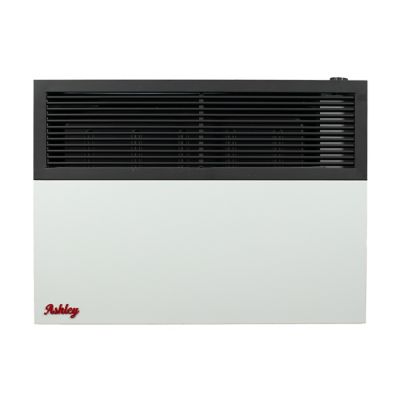
Larger structures, remote growing areas, or greenhouses without convenient electrical service may call for propane or natural gas heat. High-output gas systems can provide substantial warmth for bigger spaces, though they require the proper fuel connection, adequate clearance, and careful attention to ventilation. Browse
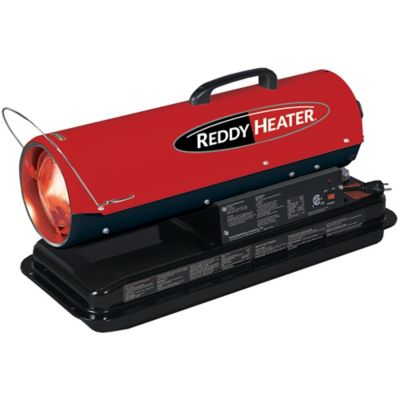
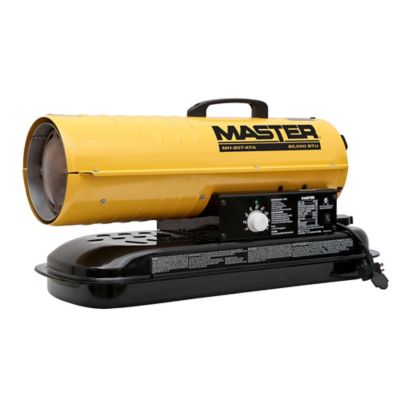
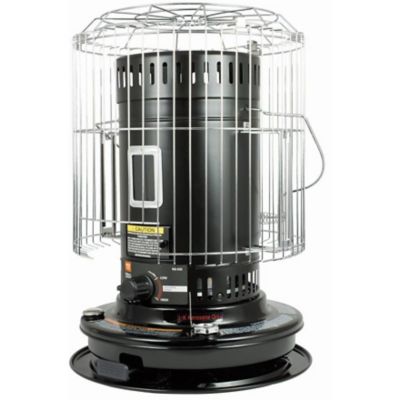
Gas Heaters when comparing heating options for spaces that need more heat than a typical plug-in unit can provide. Fuel-burning heaters can use oxygen and may produce combustion byproducts, so they should be installed and operated exactly as directed, with ventilation and carbon monoxide safety in mind. Liquid-fuel heaters, including paraffin or kerosene styles, are another traditional option for taking the chill out of a small greenhouse, but they require closer supervision and dependable airflow. Whatever fuel type you choose, look for features that fit the damp, busy environment of a greenhouse. Moisture-resistant construction, overheat protection, automatic tip-over shutoff, and a sturdy base are all useful considerations. Keep heaters on a stable, level surface away from leaves, potting soil, plastic sheeting, hoses, curtains, and other flammable materials. Never use an extension cord that is not rated for the heater’s power demand, and avoid placing electrical connections where they can be splashed during watering. A weather-resistant outdoor-rated connection, ground-fault protection where appropriate, and a routine check of cords, plugs, hoses, and fuel lines can add an important layer of protection. It is also wise to use a separate thermometer at plant height rather than relying only on the heater’s built-in thermostat, since air near the ceiling can be warmer than the air around trays and pots.
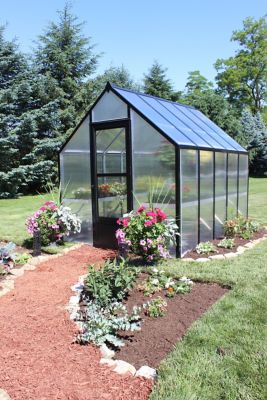
Greenhouse heaters are useful for backyard gardeners, homesteaders, flower growers, nursery owners, and anyone who likes to keep a steady supply of plants going as outdoor conditions turn cold. They can help start seeds in a protected space, preserve tender potted plants, keep cuttings from getting chilled, and support greens or herbs when the garden has slowed down for the season. A heater may also make a thoughtful gift for a gardener who has recently added a greenhouse, built a hoop house, or taken on the challenge of overwintering citrus, succulents, begonias, or other cold-sensitive plants. Before choosing one, consider the greenhouse’s square footage, available power, expected overnight lows, fuel access, insulation, and how often someone will be nearby to check the space. In a well-sealed greenhouse, a thermostat-controlled heater may maintain a more even temperature with less waste, while a fan-forced model can help prevent cold pockets when air is properly circulated. Fans should not blow directly on delicate seedlings, and plants should still be watered carefully because cold, damp soil can cause as much trouble as a sudden frost. Setting the heater on a safe temperature range rather than trying to make the greenhouse feel warm like a house is usually better for plants and energy use. During the cooler months, walk through the greenhouse at dusk and again after a particularly cold night to look for frozen corners, blocked vents, condensation, and signs of stressed leaves. With the right heater, sensible placement, and regular checks, a greenhouse becomes a more dependable shelter from sharp temperature swings, helping you spend less time worrying about a surprise freeze and more time tending the plants you enjoy growing.