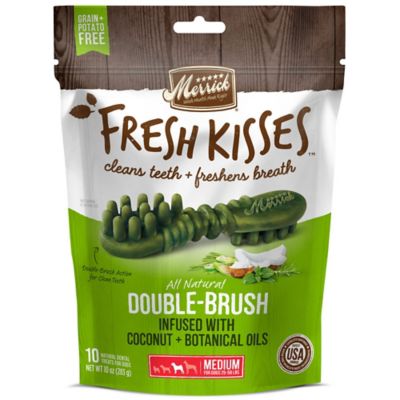
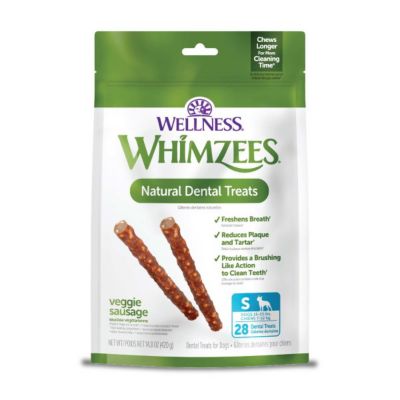
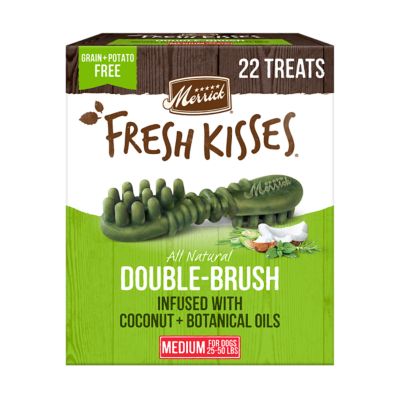
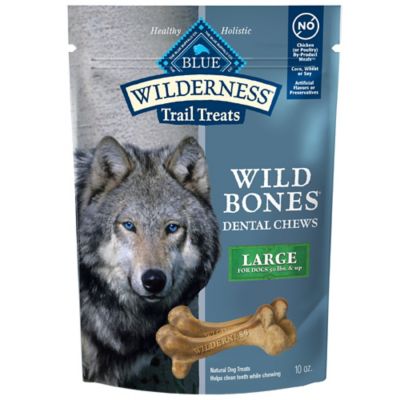
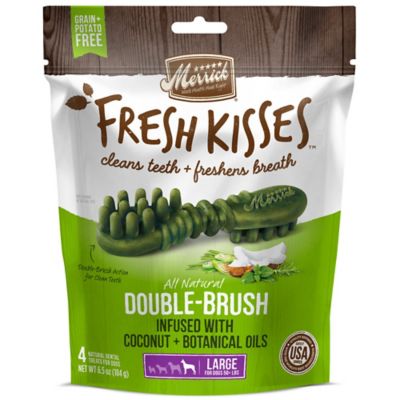
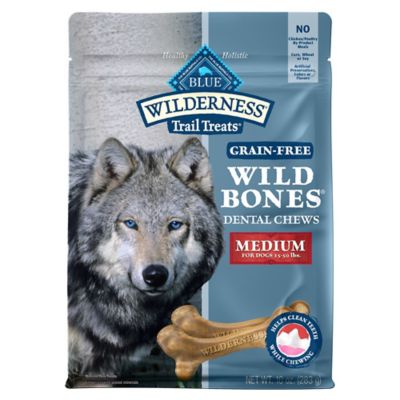
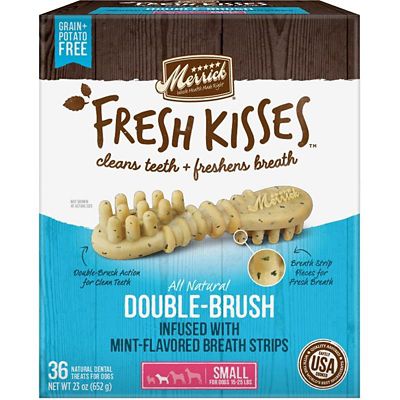
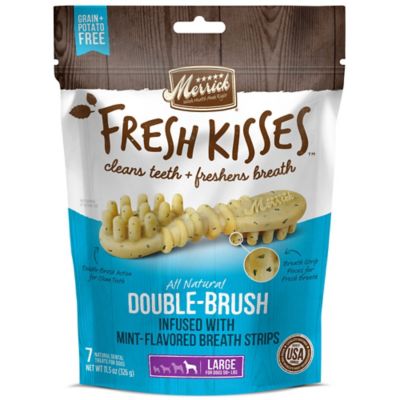
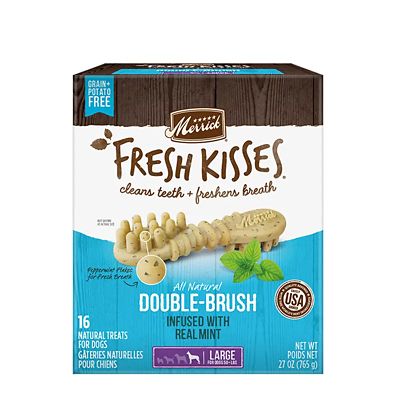
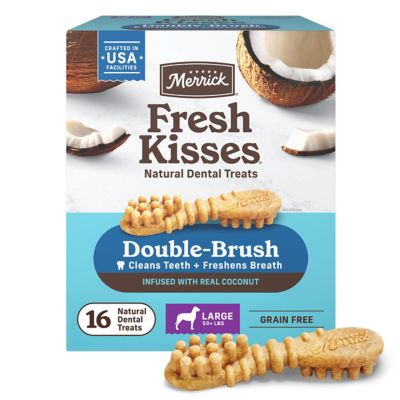
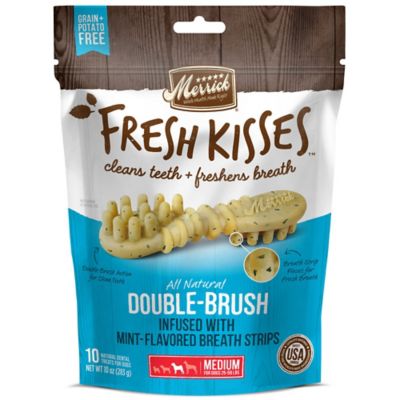
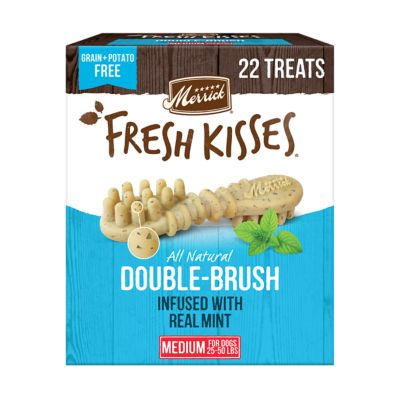
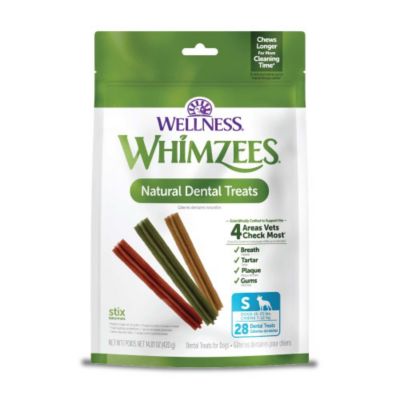
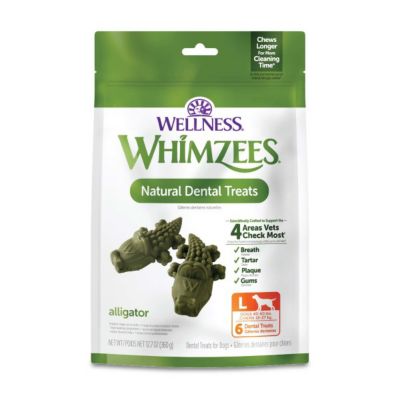
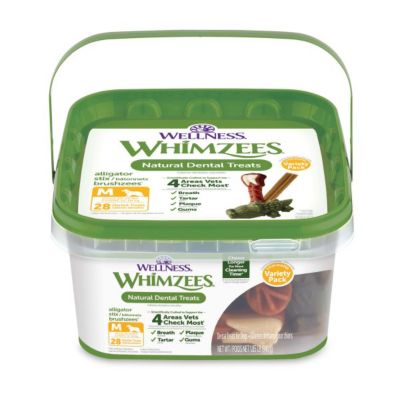
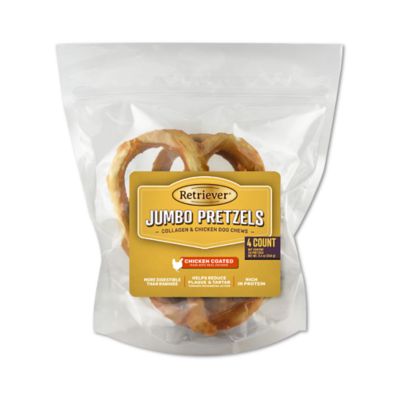
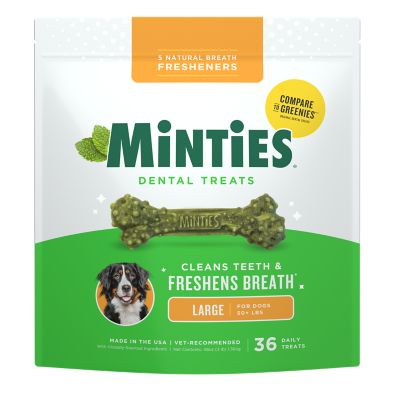
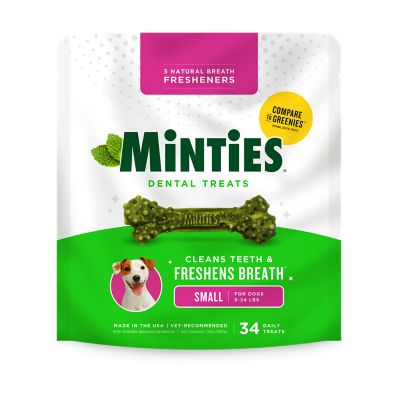
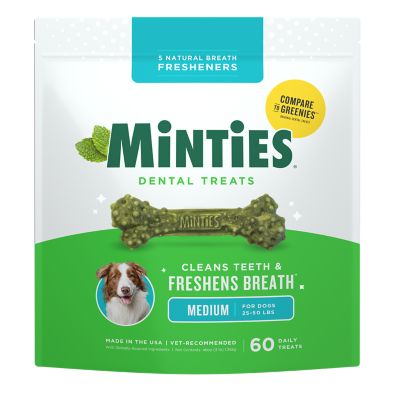
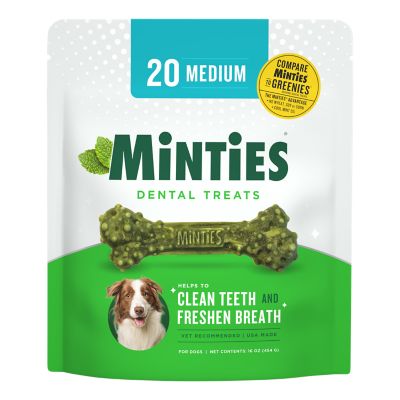
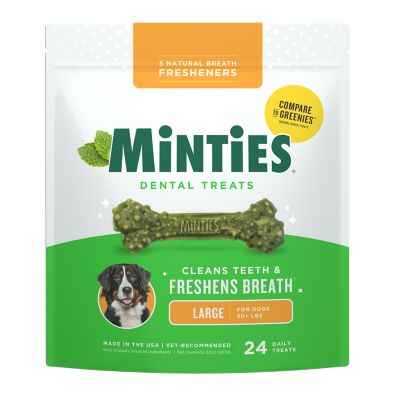
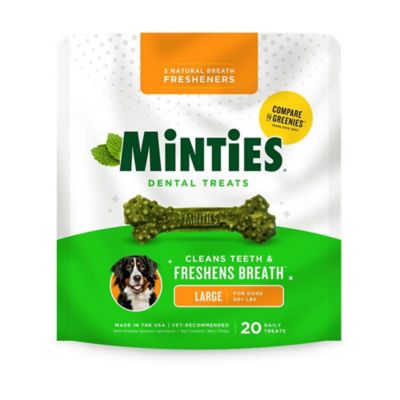
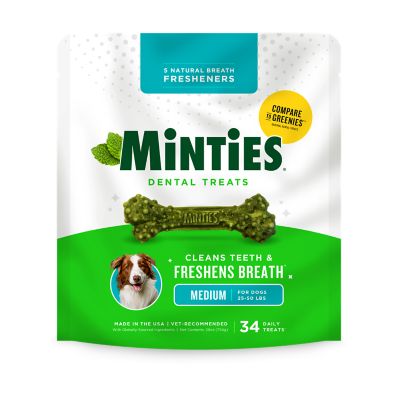
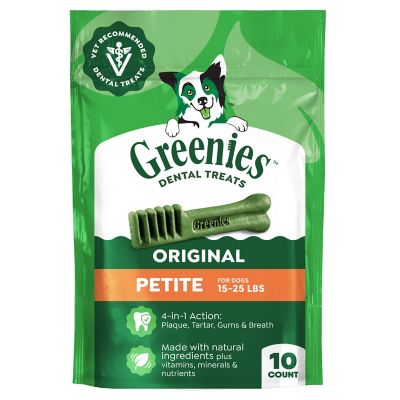
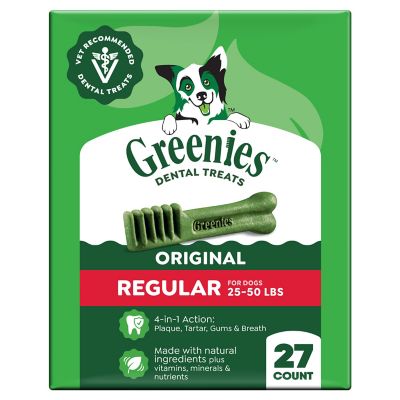
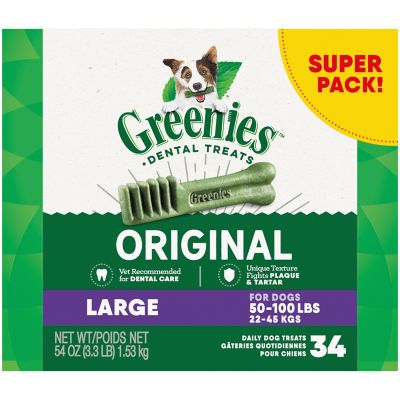
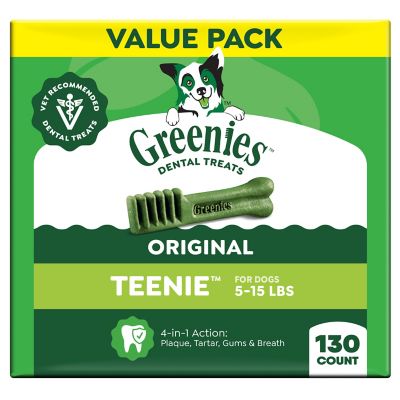
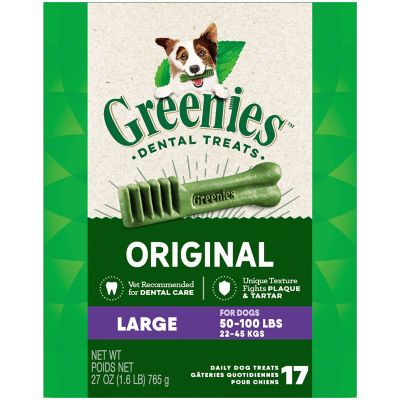
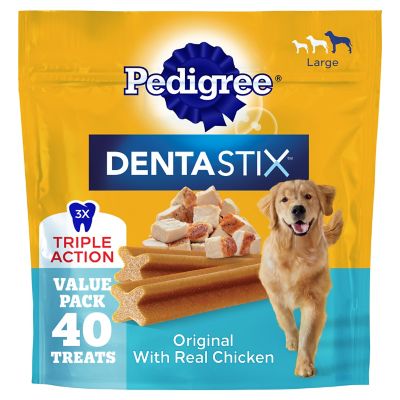
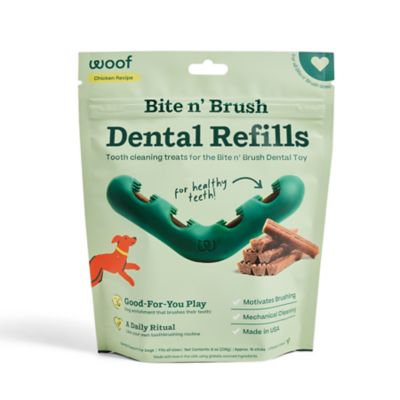
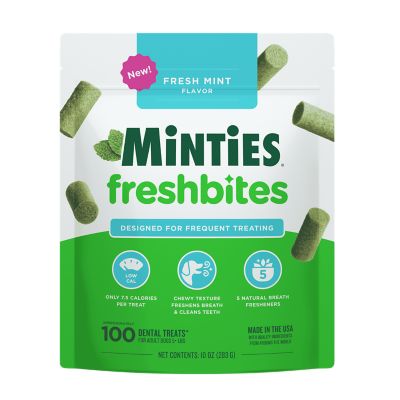
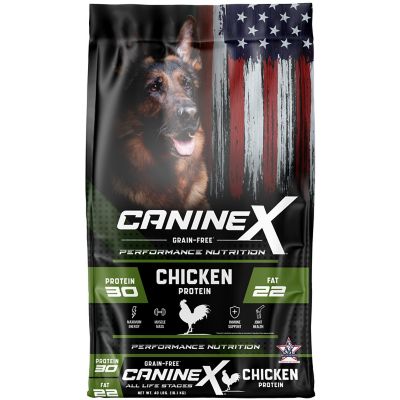
Grain free dental chews for dogs offer a handy way to make oral care part of a daily routine while giving a dog something satisfying to gnaw. These treats are made without grains such as corn, wheat, or soy, though recipes can vary widely, so reading the ingredient panel remains important. Many formulas rely on potato, tapioca, chickpea, or other plant-based binders, and some include limited ingredients for dogs whose owners are trying to avoid certain foods. A chew may feature ridges, grooves, hollow spaces, or a textured surface that rubs along the teeth as a dog works through it. That action can help loosen food particles and reduce some plaque buildup, while the chewing itself gives the gums gentle stimulation. Dental chews are not a substitute for brushing, regular veterinary examinations, or professional cleanings, but they can fit neatly into an overall oral care plan. For households with a dog that turns every quiet moment into a search for something to chew, a properly selected dental treat can bring structure to that habit. It may be especially helpful after dinner, during a calm afternoon at home, or when cooler weather keeps everyone indoors and a dog needs an approved outlet for chewing. Pairing dental treats with a balanced daily diet, such as
Grain-Free Dry Dog Food, can help owners keep feeding choices organized, but the full diet should always match the dog’s age, size, activity level, and veterinary needs.
Choosing the right chew starts with the dog, not the package. Check the weight range on the label and select a size that is large enough to discourage swallowing whole. A small dog may need a petite chew that is easy to handle, while a large, strong chewer may need a larger shape with enough substance to work on gradually. Age matters, too. Puppies, adult dogs, and senior dogs can have different chewing strength, tooth condition, and calorie needs. A senior dog with tender gums may do better with a softer option, while a powerful chewer may quickly break apart a treat that is too small or too light. Always watch the first few chewing sessions, particularly when introducing a new recipe or shape. Remove the chew if it becomes small enough to swallow, splinters, or breaks into pieces that the dog tries to gulp. Fresh water should be available, and treats should stay within the calorie allowance recommended for the dog. Read the complete ingredient list if your dog has a known food sensitivity, and look for clearly listed sources of starch, binders, flavoring, and added nutrients. Grain-free does not automatically mean suitable for every dog, and a grain-free recipe is not necessary for all pets. Dogs with diagnosed allergies, ongoing digestive trouble, dental pain, or other medical concerns should be guided by a veterinarian. Shoppers who want an additional sign of oral-health testing can look for the Veterinary Oral Health Council seal, which identifies products that have met specific standards for plaque or tartar control.
These chews can be a practical treat for nearly any dog that enjoys working for a snack, from the young farm dog settling down after a busy day to the older companion curled up near the woodstove during the cooler months. They also make a thoughtful present for a friend, neighbor, new puppy owner, or family member who has welcomed a dog into the home. A bag tucked into a pet-care gift can be useful alongside a leash, food bowl, or grooming supplies, especially when the recipient is still building a regular care routine. For households with more than one dog, choose each chew by the individual pet’s weight and chewing style rather than handing every dog the same size. Keep packages closed in a cool, dry place, and follow the storage directions so the texture and flavor remain appealing. It helps to introduce treats gradually, since even a well-liked chew can cause stomach upset if a dog receives too many at once. Watch for signs that a dog is having trouble chewing, such as dropping the treat repeatedly, pawing at the mouth, avoiding food, or suddenly losing interest; those changes call for a pause and a veterinary check. With thoughtful sizing, ingredient awareness, supervision, and moderation, grain free dental chews can add a satisfying moment to the day while supporting the broader goal of keeping a dog’s mouth clean and comfortable.