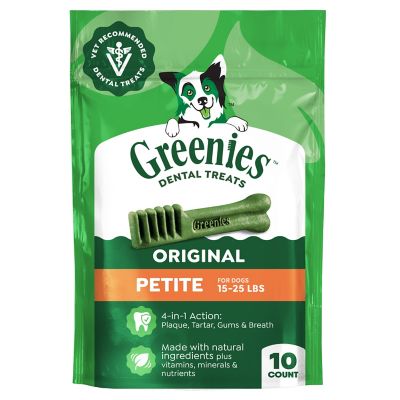
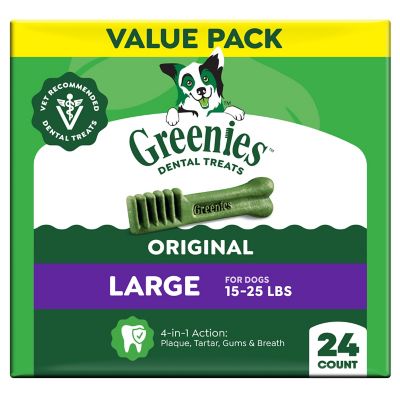
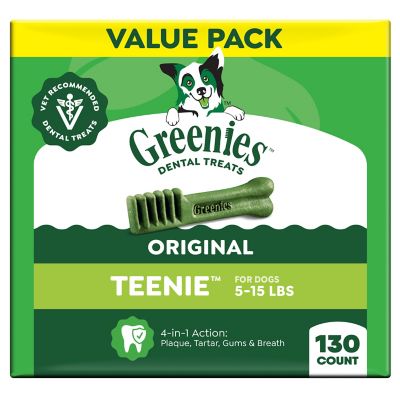
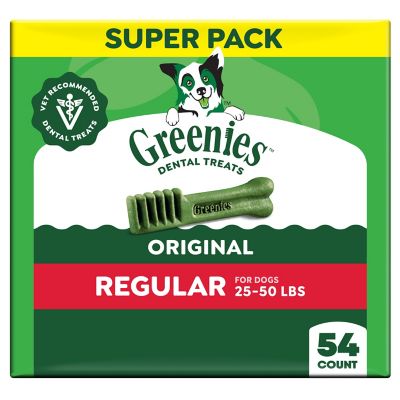
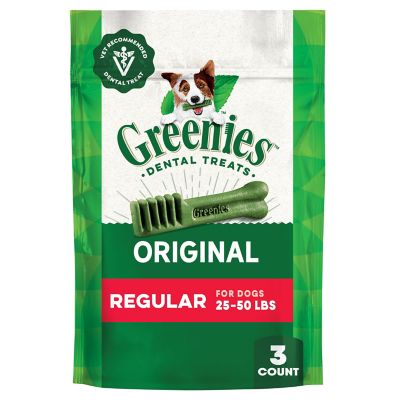
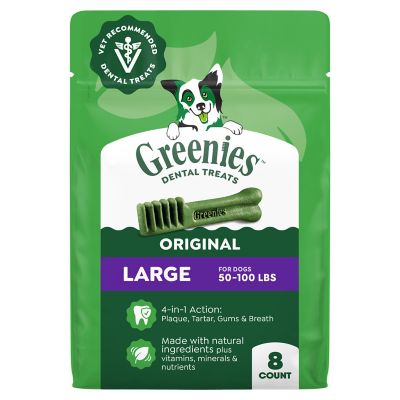
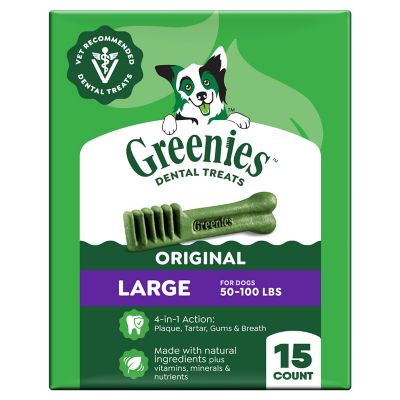
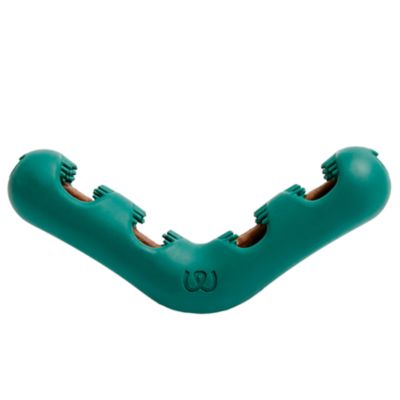
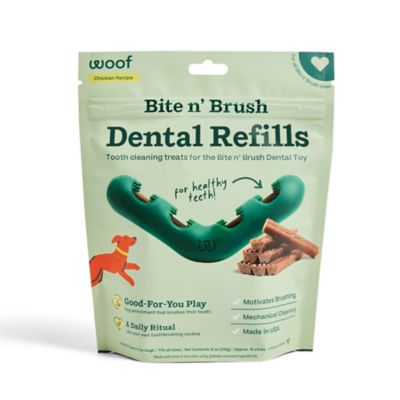
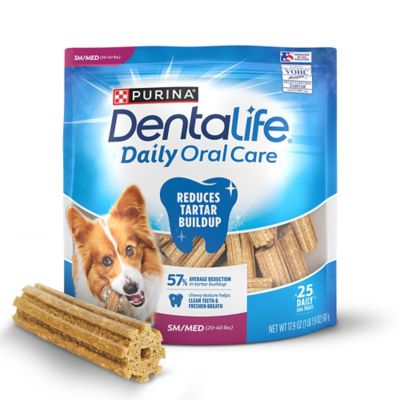
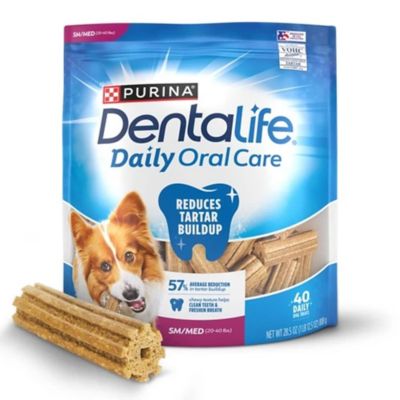
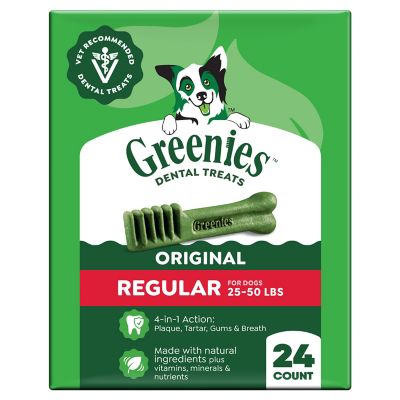
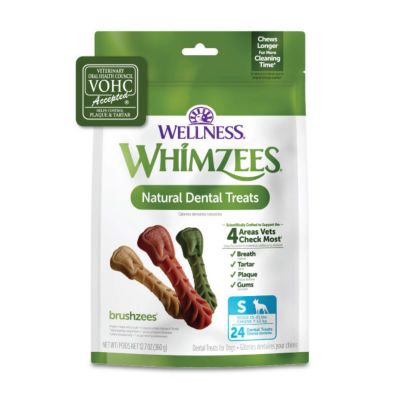
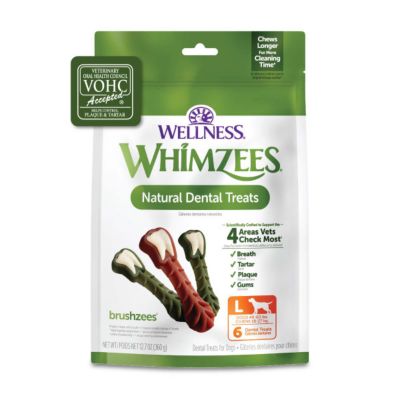
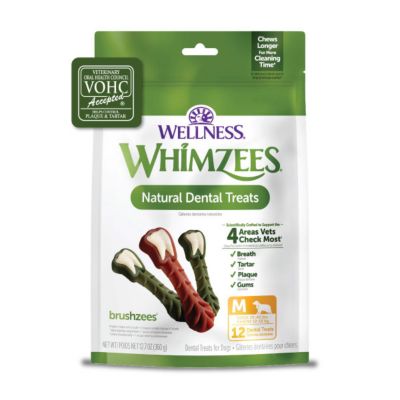
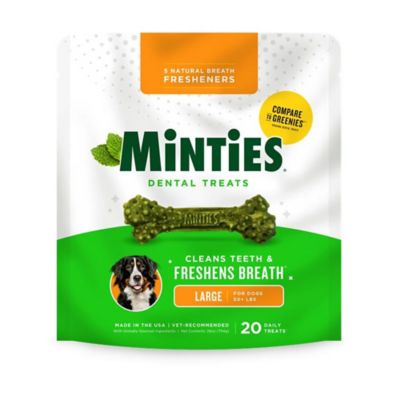
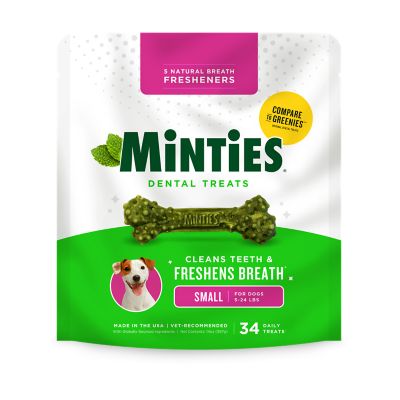
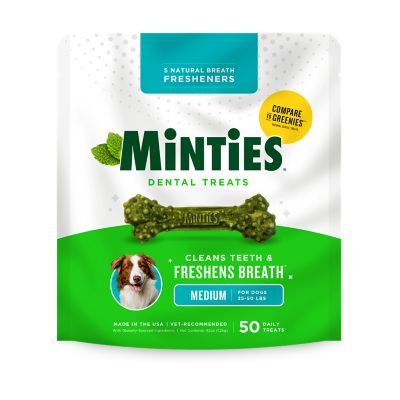
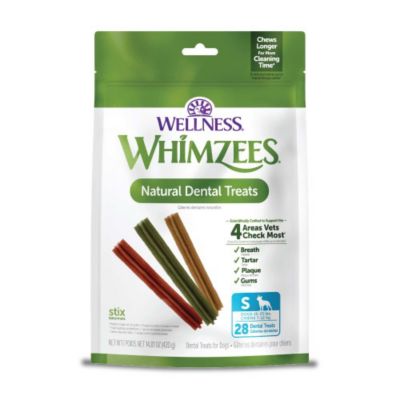
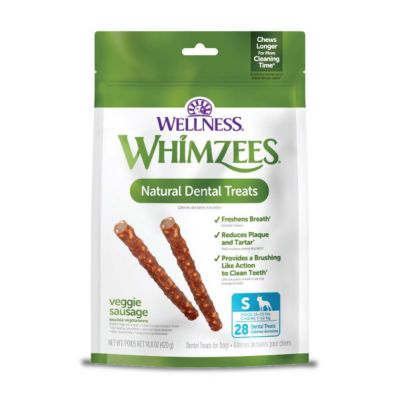
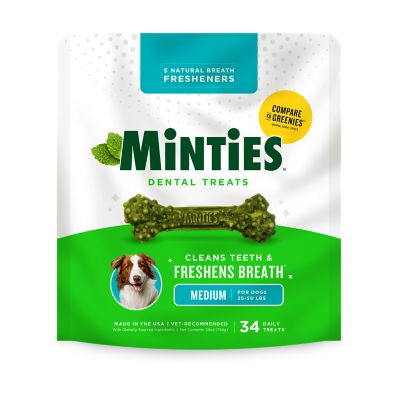
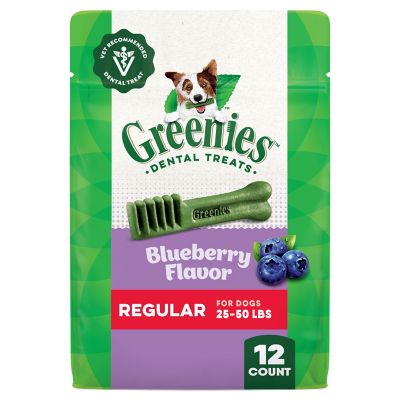
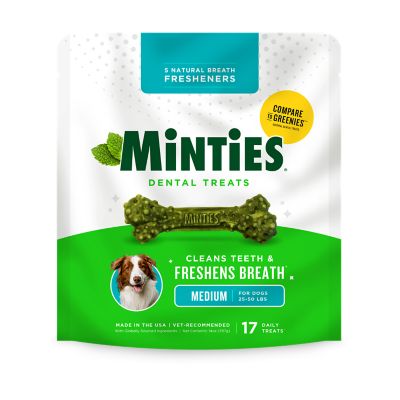
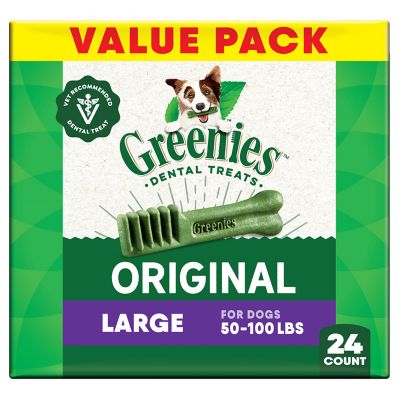
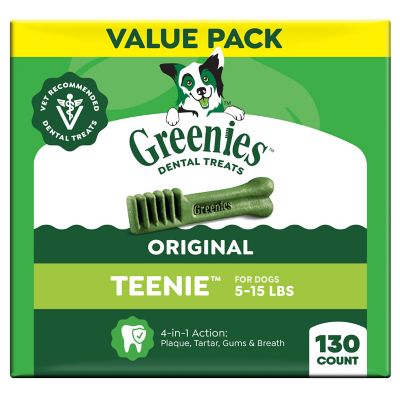
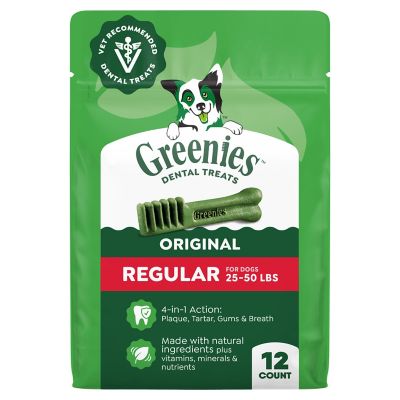
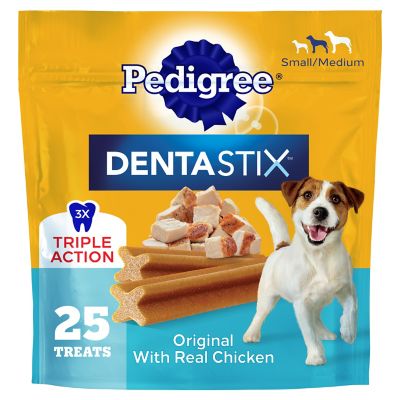
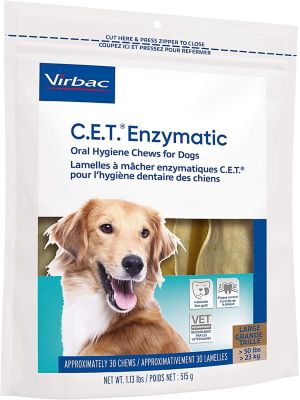
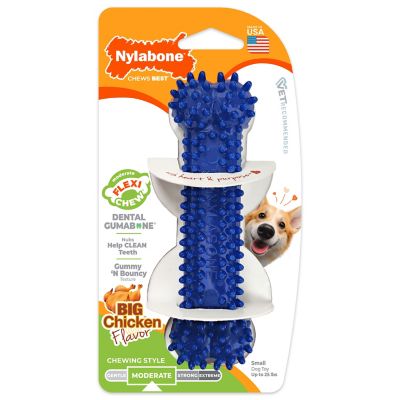
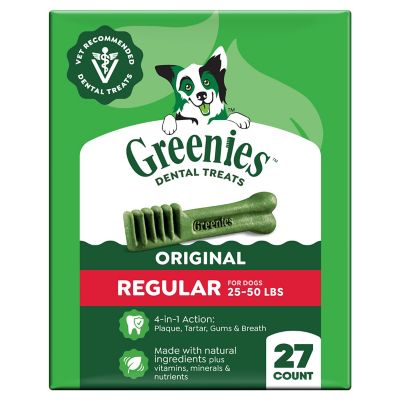
Dental chews are treats designed to help reduce plaque and tartar buildup, freshen breath, and support a dog’s oral hygiene alongside regular toothbrushing and veterinary dental care. Their shapes and textures encourage chewing, which can help rub away plaque on tooth surfaces that contact the treat. Plaque is a soft film of bacteria that can harden into tartar, so keeping up with daily mouth care matters even when a dog’s teeth look fairly clean. Dental chews add a practical option to that routine, whether a dog spends the day tagging along for fence checks or keeping an eye on the back door. Grooves, ridges, nubs, and other textured surfaces create different chewing experiences, while the chew’s size and consistency affect how a dog works through it. Some bend under pressure, and others have a firmer bite that softens as the dog chews. The goal is steady chewing rather than swallowing a treat whole, and a longer chewing time does not automatically mean better dental results. Benefits vary by formula and design, so evidence on the package matters more than a tooth-shaped outline or a minty smell. The Veterinary Oral Health Council, or VOHC, awards its Seal of Acceptance to products that meet its standards for helping control plaque, tartar, or both. The seal’s wording identifies which benefit has been demonstrated; it does not mean that every dental chew carries the same evidence. Breath freshening can be a welcome extra when a dog leans close for a scratch behind the ears, but a pleasant smell alone does not show that teeth and gums are healthy. Dental chews work best as one part of consistent care, not as a replacement for brushing or professional treatment. For many households, a supervised chew after a regular walk or a round of chores gives mouth care a familiar place in the day without turning it into a big production.
A good fit starts with the dog’s weight, age, mouth size, and chewing habits. Package weight ranges help narrow the choices, but two dogs of the same weight can handle a treat very differently. A careful nibbler may settle in and work along the edges, while an eager gulper may try to take off a large piece in a hurry. A chew that is too small can be swallowed before much chewing happens, and one that is too large or firm may be difficult to manage. Puppies need options labeled for their age and stage of development, since adult dental chews may not suit growing mouths. Older dogs, dogs with missing teeth, and dogs with a history of dental trouble may need a different texture or a veterinarian’s recommendation before adding a chew. Firmness deserves attention: a very hard treat can put teeth at risk, and even a softer edible chew still needs supervision. Cracking, splintering, or pieces large enough to gulp are reasons to take the chew away. Dental chews are often made with starches, animal proteins, plant ingredients, or combinations of these, with binders and moisture levels helping determine the finished texture. Ingredient lists matter for dogs with food sensitivities, and a familiar flavor does not necessarily mean a formula contains only one protein source. Dogs on prescription diets or restricted feeding plans need treats that fit those limits. Calories count, too, especially for a smaller dog whose dental chew can represent a meaningful share of the day’s food. Feeding directions, calorie information, and the dog’s regular meals all belong in the same picture. A chew should complement a complete diet rather than crowd it out. For homes with several dogs, separate chewing spots make it easier to watch each dog’s pace and help prevent a quiet treat break from becoming a race to finish first.
Dental chews sit within the broader range of
Chew Treats for Dogs, but their intended purpose sets them apart from treats chosen mainly for a reward or a longer chewing session. Not every chew has demonstrated dental benefits, and not every dental formula suits every dog. Clear labeling helps connect the treat to the job: look for the intended species, weight range, age limits, feeding frequency, and any stated plaque or tartar benefit. Some formulas are intended for daily feeding, while others have different directions, so adding extra chews is not a shortcut to cleaner teeth. Care between servings matters as well. Keeping the package closed and following its storage directions helps maintain the intended texture and protects the contents from moisture, pests, and contamination. A bag left open beside the feed bin or within reach of a determined nose can create problems well beyond stale treats. Original packaging keeps ingredient details, feeding directions, and lot information handy, even when the bag goes inside a lidded storage container. Fresh drinking water should stay within reach, and a quiet spot makes it easier to keep an eye on chewing without distractions. Any new treat also deserves a watch for digestive upset or trouble chewing, particularly in a dog with a sensitive stomach. Persistent bad breath, bleeding gums, swelling, a broken tooth, or reluctance to eat calls for veterinary attention rather than another chew. Dogs can keep eating despite mouth pain, so an empty food bowl does not rule out a dental problem. Between checkups, regular brushing with toothpaste made for dogs remains an important part of home care. A well-matched dental chew adds another tool to that routine: a treat with a clear purpose, a manageable texture, and feeding directions that fit the dog at the other end of the leash.