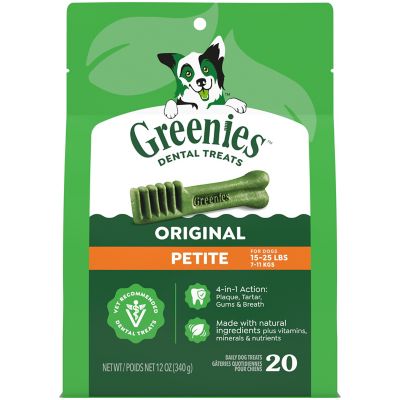
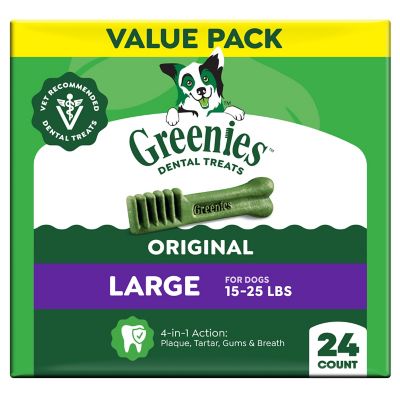
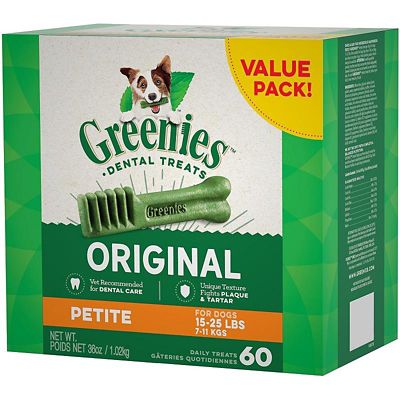
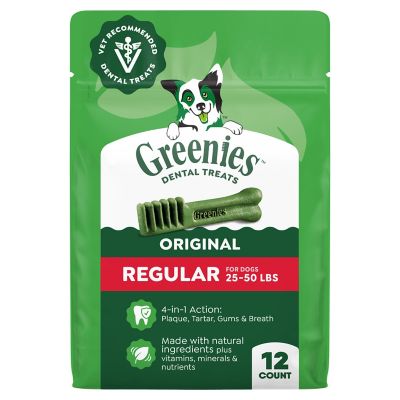
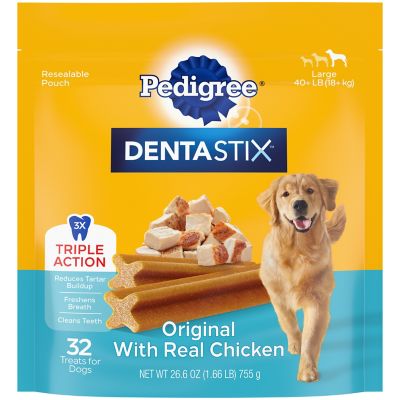
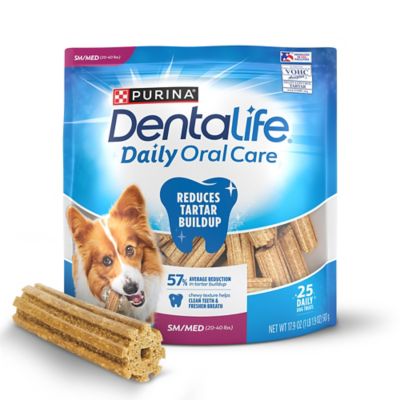
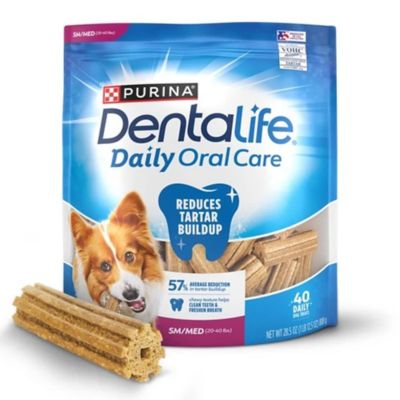
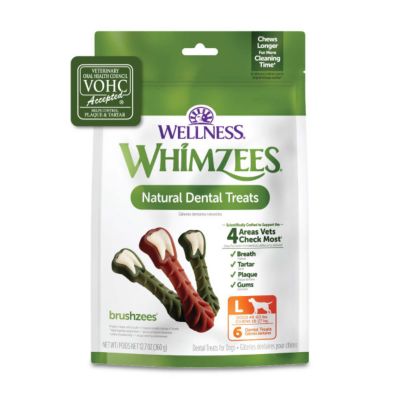
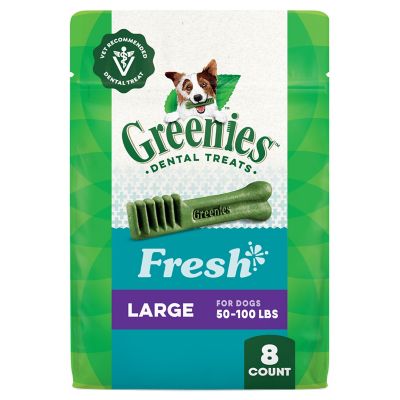
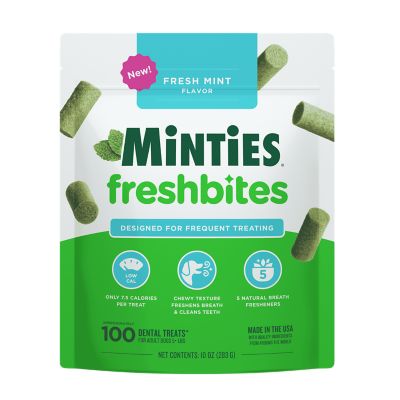
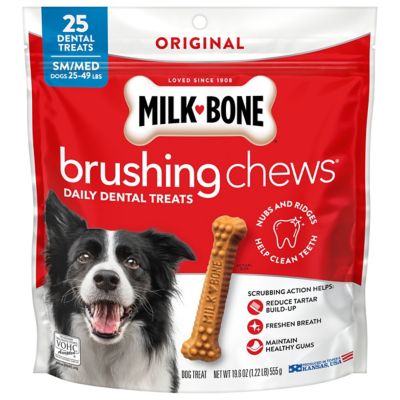
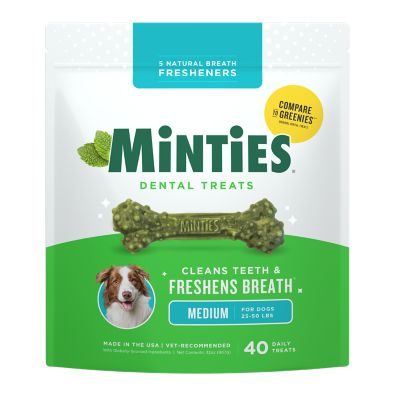
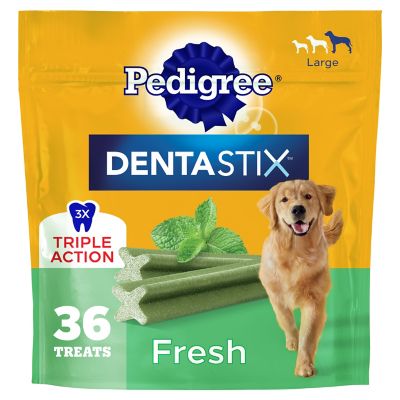
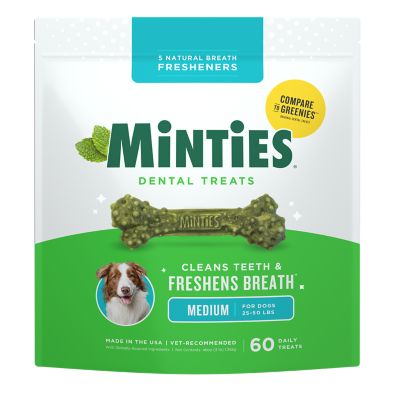
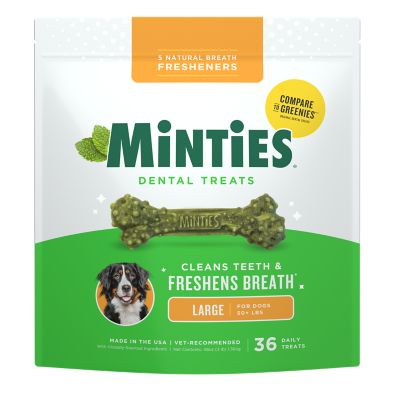
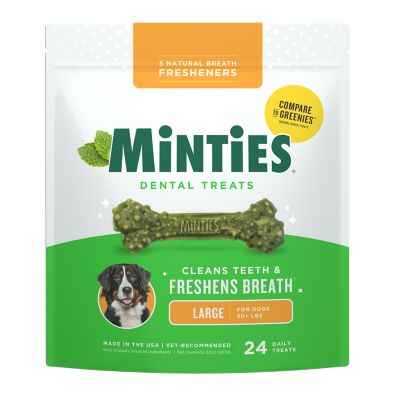
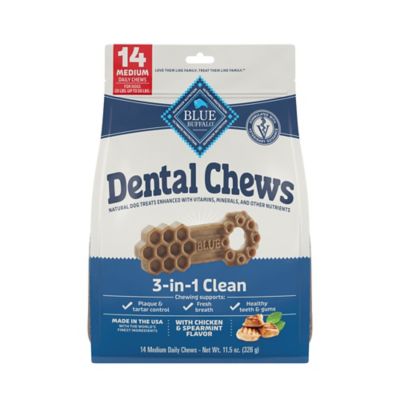
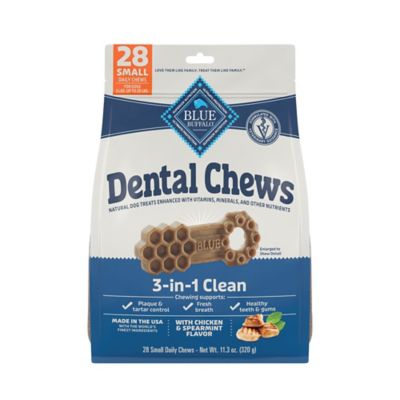
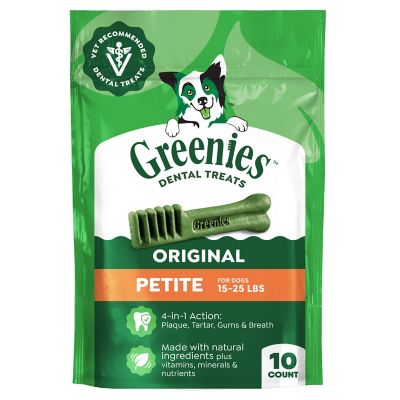
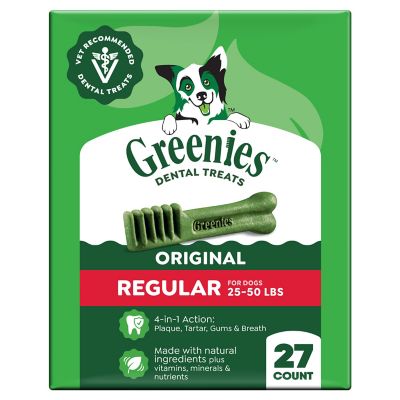
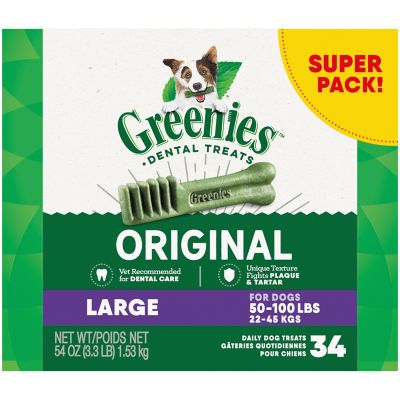
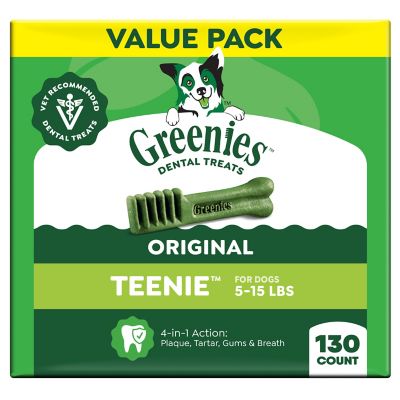
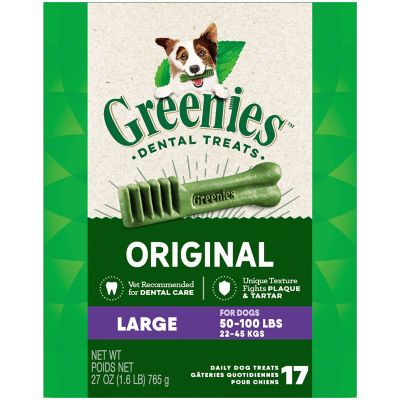
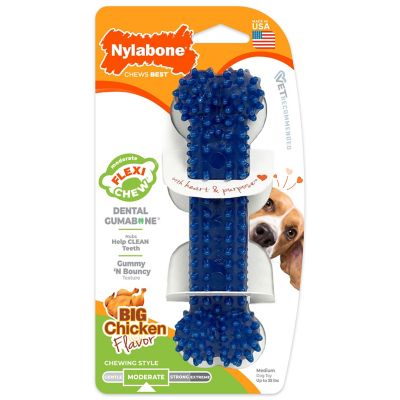
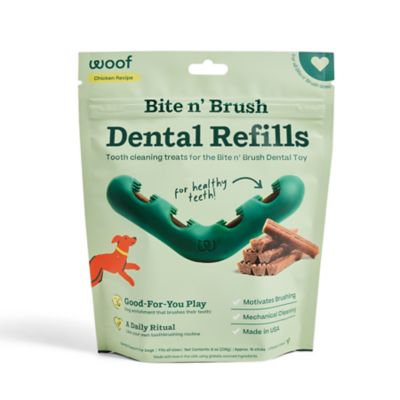
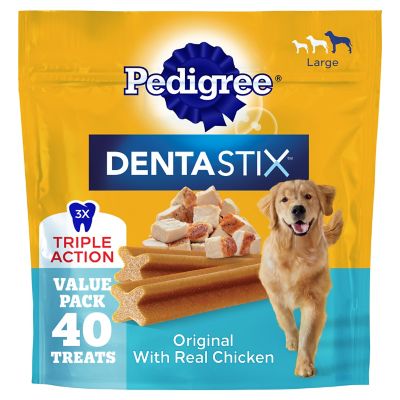
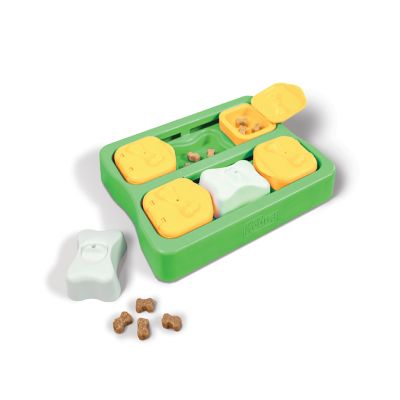
Dental chews for senior dogs can be a handy part of a daily care routine, especially for older companions whose teeth and gums need a gentler touch. As dogs age, they may have worn enamel, missing teeth, tender gums, or a mouth that simply does not handle hard treats as well as it once did. Look for chews with a soft, flexible texture that gives a little when pressed, rather than rock-hard bones, antlers, hooves, or brittle treats that may crack or put too much pressure on aging teeth. A good dental chew should be sized for the dog’s weight and chewing style, with a shape or surface that encourages the teeth to work through the treat. Grooves, ridges, and pliable textures may help rub along the tooth surface and support the removal of some plaque and tartar as the dog chews. These treats are not a replacement for brushing or veterinary dental care, but they can fit nicely into an everyday routine alongside regular checkups, fresh water, and a balanced feeding plan. For shoppers comparing options, consider the dog’s size, remaining teeth, bite strength, eating habits, and any history of sensitive gums or an upset stomach. A small older terrier may need a very different chew than a large-breed dog that still enjoys a steady, thoughtful chomp. Start with supervision and watch how the dog handles the texture. If the chew seems too firm, if pieces break into sharp fragments, or if the dog tries to swallow it whole, take it away and choose a softer option or speak with a veterinarian.
Older dogs are often less active than they were in their younger years, so calories deserve a closer look when dental chews become part of the routine. Check the feeding directions and account for treats along with meals, particularly for dogs that need to maintain a steady weight or have a health condition affected by diet. Ingredients may also help guide a purchase. Some formulas include calcium for teeth and bones, while others feature glucosamine, chondroitin, or omega-3 fatty acids for dogs whose daily care includes support for aging joints. These ingredients are not a cure for arthritis or dental disease, and a veterinarian can help determine whether they fit a dog’s health needs. Dogs with food sensitivities may do better with a short ingredient list or a recipe that avoids ingredients known to cause trouble. A gradual introduction can make mealtime easier, giving the dog a chance to adjust without turning a new treat into a stomach problem. Keep dental chews in a cool, dry place and follow the package directions for serving and storage. During the cooler months, an older dog may spend more time resting indoors, making a small daily ritual especially welcome: a soft chew after breakfast, a few quiet minutes by the back door, and a little attention while the dog settles in for a nap. Many senior dogs still take pleasure in familiar routines, and a thoughtfully chosen chew can offer both a tasty reward and a reason to slow down and enjoy time together. For shoppers interested in plant-based or simpler ingredient selections, browse
Natural Dog Dental Chews to compare options that may suit different feeding preferences.
Dental chews can also make a considerate gift for a friend, neighbor, or family member with an older dog, especially when the recipient appreciates practical treats that fit into everyday care. Before giving them as a gift, find out the dog’s approximate size, age, chewing habits, and any food restrictions. A bag of treats is more helpful when it matches the dog’s mouth and diet, rather than simply looking appealing on the shelf. Dogs with severe tooth loss, loose teeth, bleeding gums, mouth pain, or extensive dental problems may need soft food, specially directed care, or a veterinary examination instead of standard dental chews. The same caution applies after dental surgery or any procedure involving the gums; follow the veterinarian’s instructions before bringing chew treats back into the routine. Even a dog with a healthy appetite should be watched while chewing, since older pets may tire quickly, swallow large pieces, or have trouble handling a texture that once seemed easy. Keep fresh water nearby, offer one chew at a time, and inspect the dog’s mouth and behavior for signs of discomfort, such as dropping the treat, pawing at the face, chewing only on one side, or walking away from food. With the right texture, portion, and supervision, dental chews can add a pleasant little bright spot to life with a senior dog while supporting broader oral care. A soft chew tucked into a bed-time routine, offered after a slow walk, or shared while the household settles down can feel just as meaningful as any other small act of care.