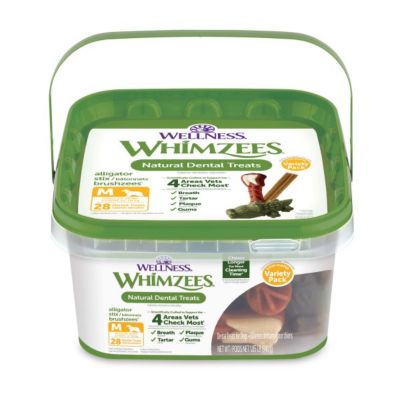
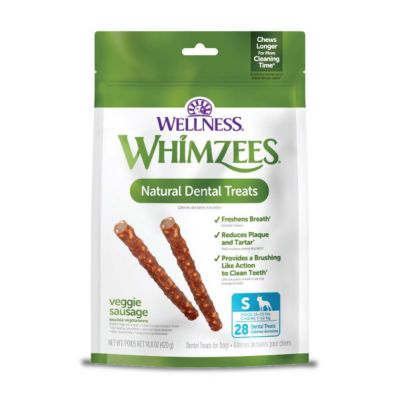
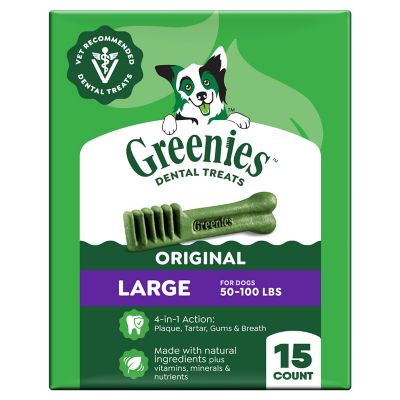
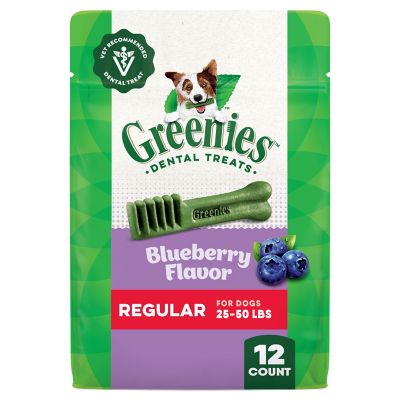
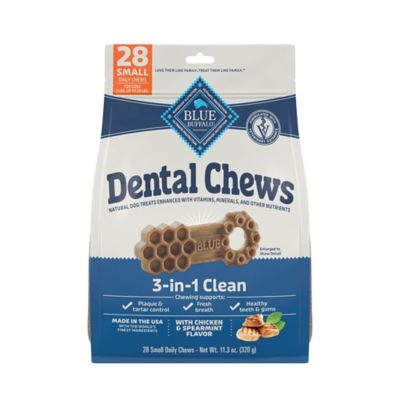
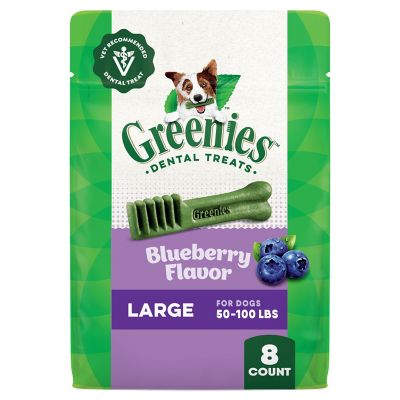
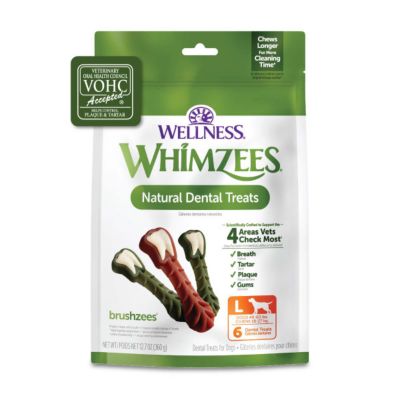
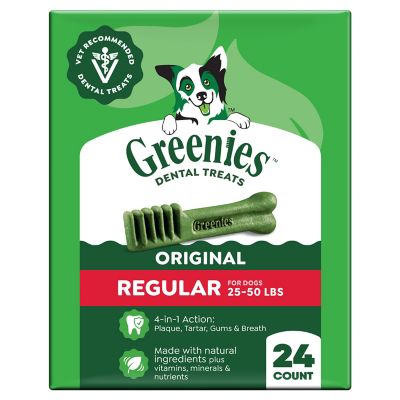
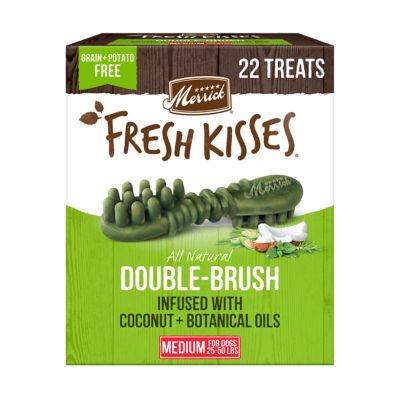
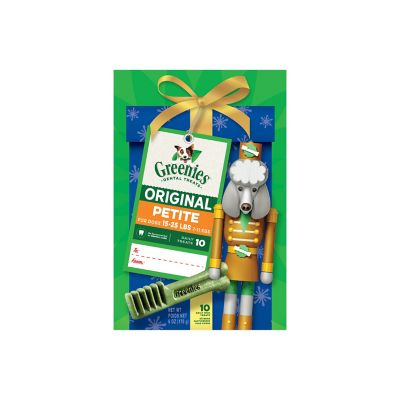
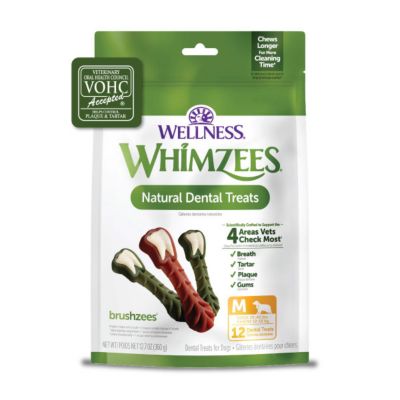
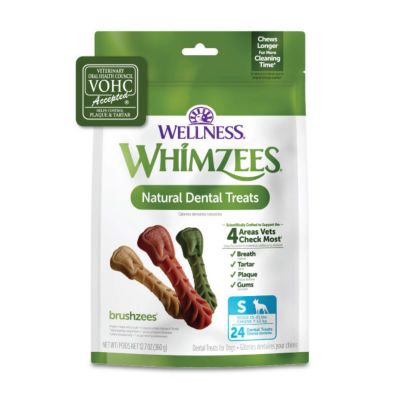
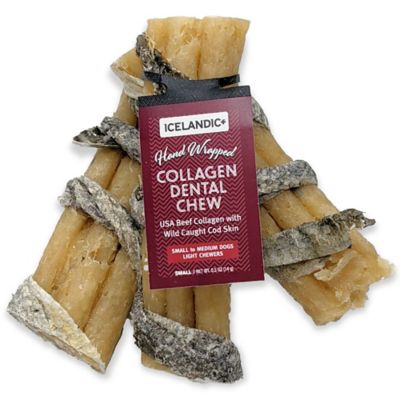
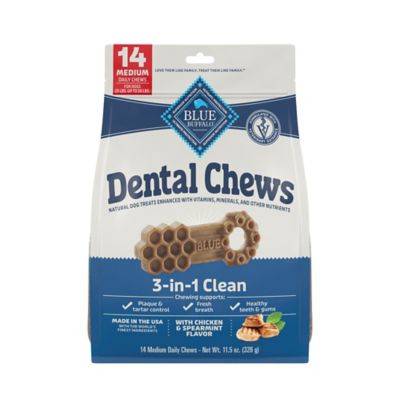
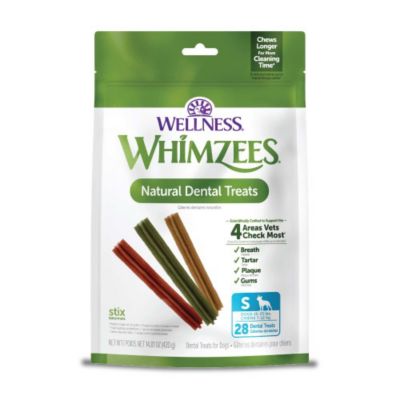
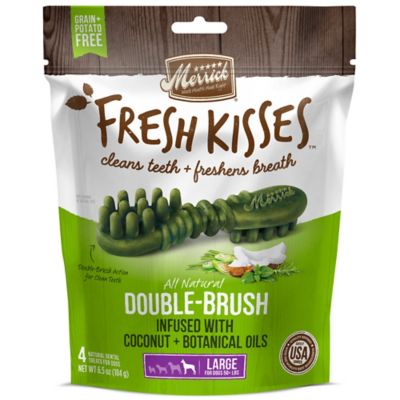
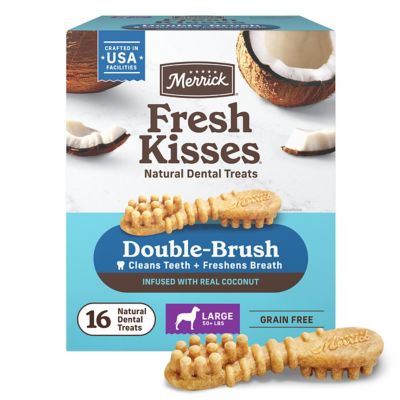
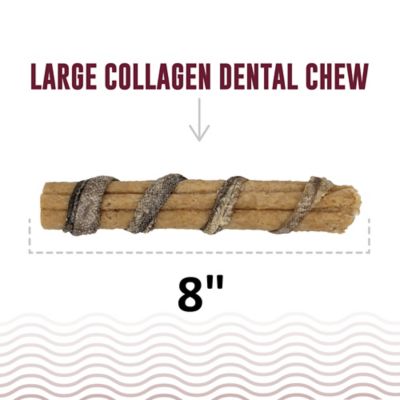
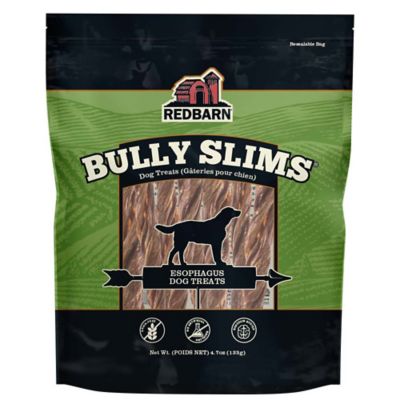
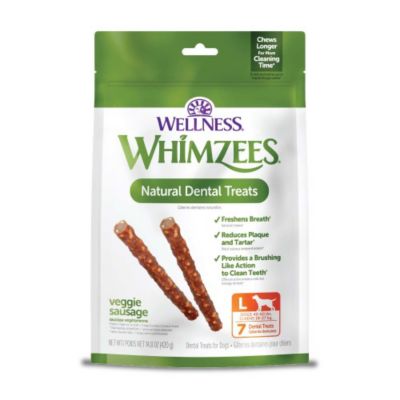
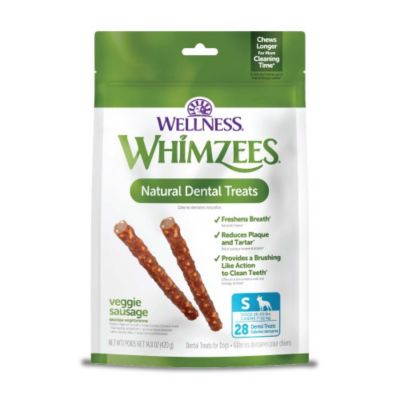
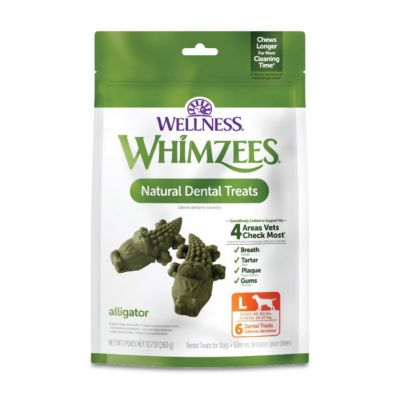
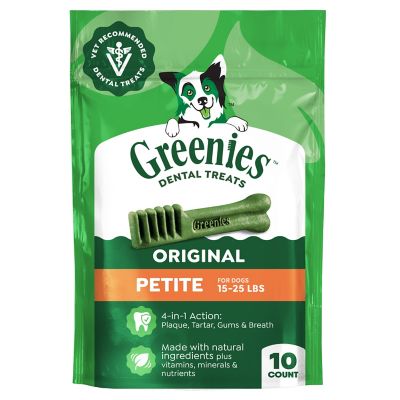
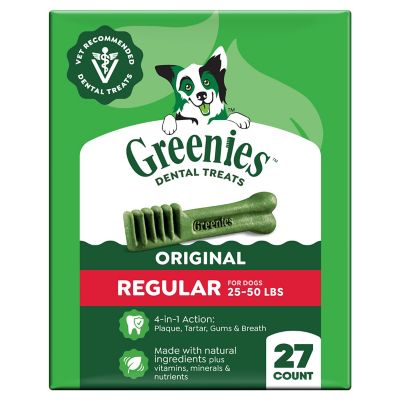
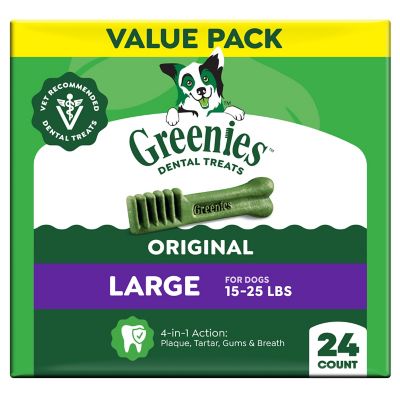
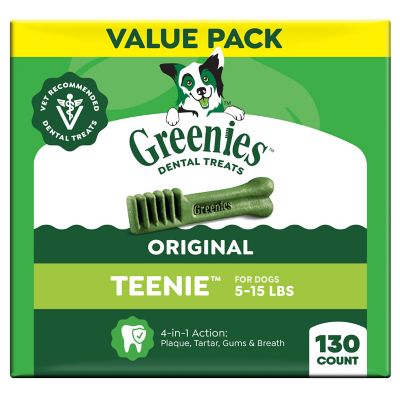
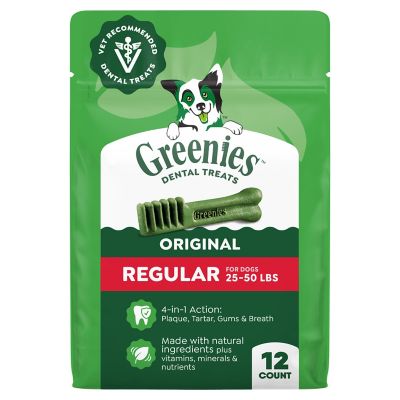
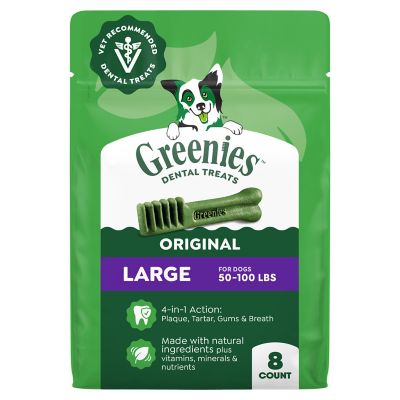
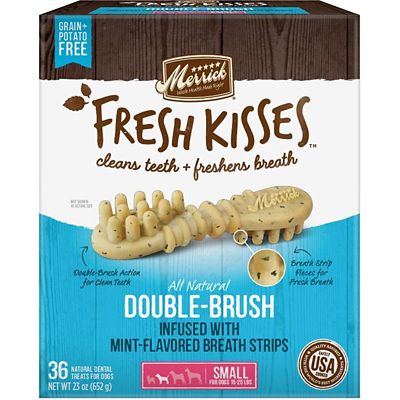
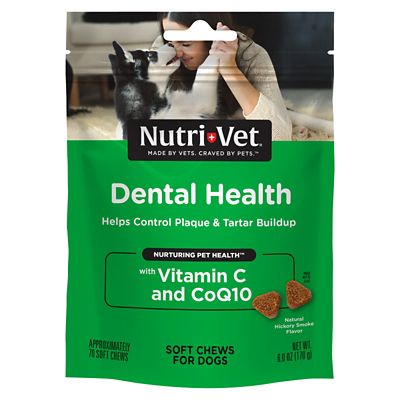
Natural dog dental chews are edible treats designed to give a dog’s teeth a little scrubbing action as the dog chews. On a chew with ridges, grooves, or raised bumps, those surfaces rub against the teeth as the dog works through the treat. That contact can help reduce plaque, the soft film that can harden into tartar. Some chews are also shown to help limit tartar buildup, but a treat won’t take the place of a toothbrush or a professional cleaning. A package with the Veterinary Oral Health Council (VOHC) seal indicates that the chew met the council’s standards for helping control plaque, tartar, or both, depending on the claim listed with the seal. That’s a more meaningful distinction for dental care than whether a chew smells minty when the bag opens. Some formulas include ingredients such as mint or parsley for fresher breath, but a fresher smell doesn’t tell much about what’s happening along the gumline. Breath that stays unusually strong, especially alongside tender gums or a change in how a dog eats, is worth bringing up with a veterinarian. Natural formulas are part of the broader
Dental Chews category, and the word “natural” alone doesn’t say how a chew is made, how firm it is, or what it can do for a dog’s teeth. Some chews get their shape from plant starches and fibers, while others include animal proteins for flavor or texture. A short ingredient list can make it easier to spot a protein or grain a dog doesn’t tolerate, but it’s still worth reading the whole label. A chew with a vegetable base may contain an animal-derived flavor, and one made without grains can still contain an ingredient that doesn’t agree with a particular dog.
Fit comes down to more than whether the chew looks big enough. The weight range and age guidance on the package are good places to start, since a chew meant for a full-grown dog may not suit a pup, and a piece sized for a little companion may be too easy for a big farm dog to gulp. Chewing style matters just as much. One dog might settle on the kitchen mat and work a ridged chew from end to end, while another takes two quick bites and tries to swallow the rest. A chew can only scrub where it makes contact, so there’s not much dental benefit when it goes down nearly whole. For the fast eater, a chew that holds its shape under repeated bites may give the dog more opportunity to chew, provided it’s the right size and isn’t excessively hard. For a dog that backs away from a stiff treat, a textured chew with some give may be a better match. Harder doesn’t necessarily mean better: Very hard chews can break teeth, and a tough piece that breaks off in a chunk can pose a choking risk. Dogs with missing teeth, sore mouths, or recent dental work may need a veterinarian’s guidance before trying even a softer option. The first few times a dog tries a different shape or texture, staying close makes it easier to see whether the chew wears down a little at a time or comes apart in pieces. Even a well-sized chew can leave a small end that’s easy to swallow, so it’s best to take that last bit away. In a two-dog household, separate spots give each dog time to chew without having to hurry because another nose is edging toward the treat.
A dental chew tends to fit best into a routine that already makes sense for the dog. After the evening feed, for instance, a dog that’s done making the rounds and ready to settle down may be more inclined to stay put and chew where somebody can keep an eye on it. Some formulas are meant for daily chewing, while others have different feeding directions. The serving guidance matters because edible chews count toward the day’s treats and calories, even when dental care is the main reason for offering one. For a dog on a set feeding plan, a larger chew isn’t necessarily a better fit just because it lasts longer. And with a dog that has food sensitivities or eats a veterinary diet, a familiar ingredient list matters more than a tempting scent. As a gift for a household with a dog, dental chews make the most sense when the person buying them knows the dog’s size, chewing habits, and any foods the owner avoids. At home, keeping the chews in their original package leaves the ingredients, feeding directions, and best-by date handy. Closing the bag between servings and following the storage directions helps keep the remaining chews from drying out or picking up moisture, either of which can change the texture. A piece that’s already been chewed belongs out of the bag, not back in with the dry treats. The chew that fits a dog’s routine is one the dog will spend some time chewing, that suits the dog’s teeth and diet, and that can be given where someone can watch. That makes it a practical addition to brushing and regular dental checkups, whether the dog spends the day tagging along on chores or keeping watch from the living room rug.