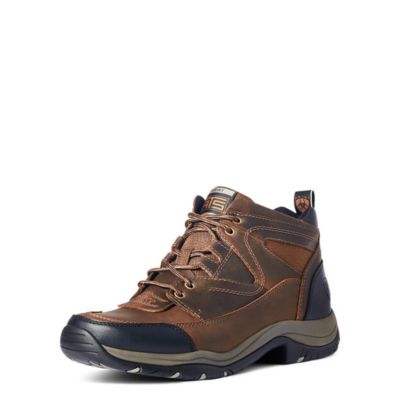
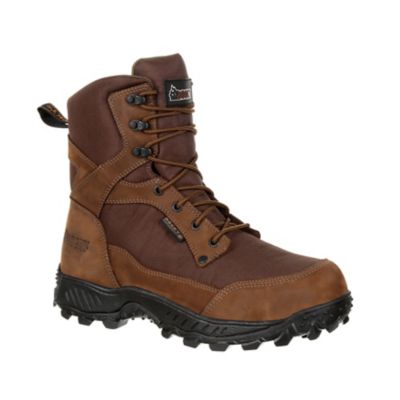
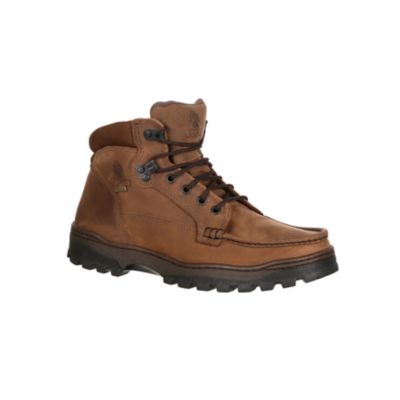
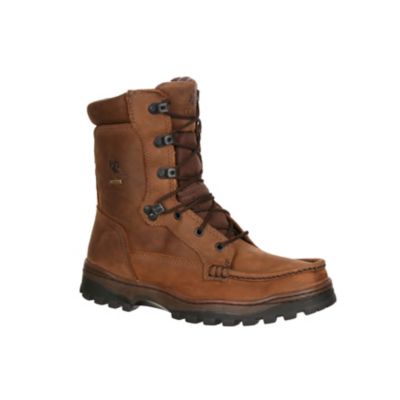
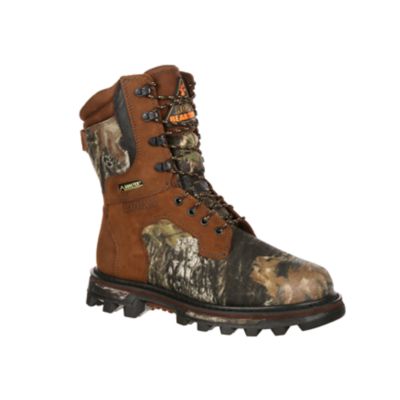
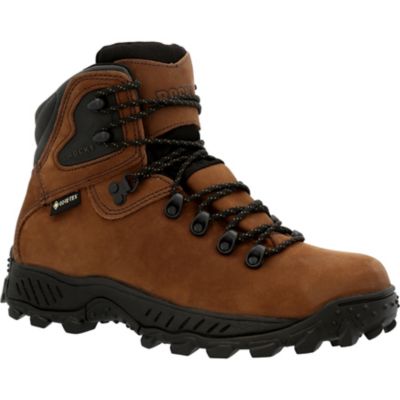
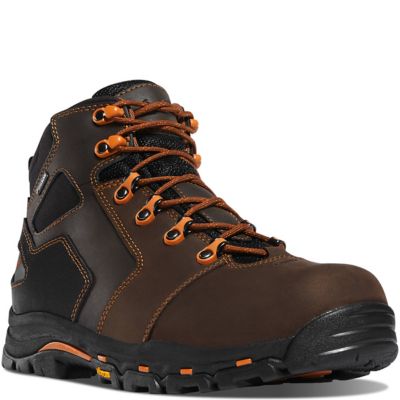
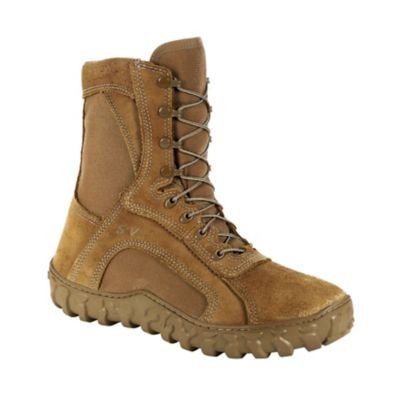
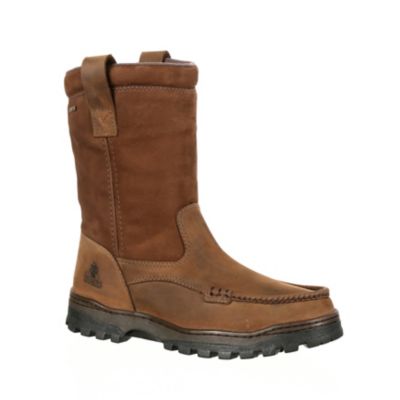
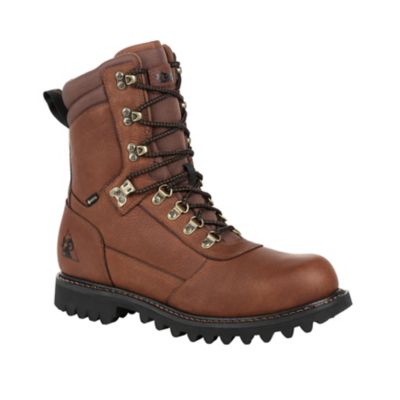
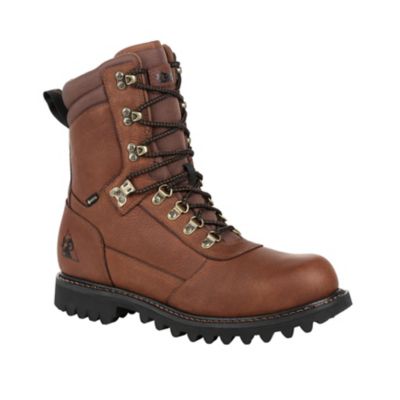
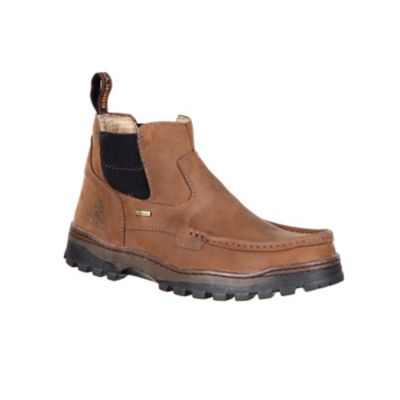
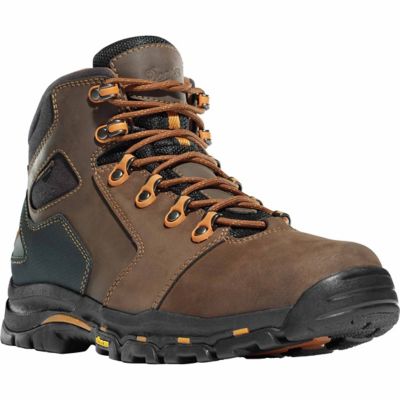
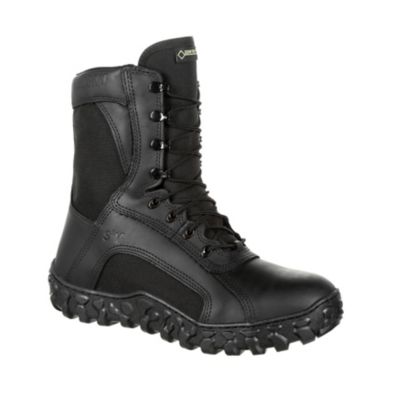
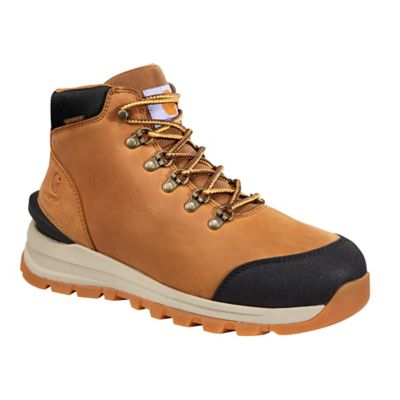
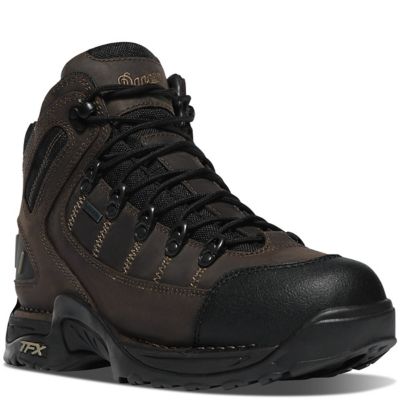
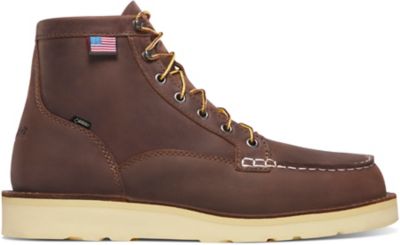
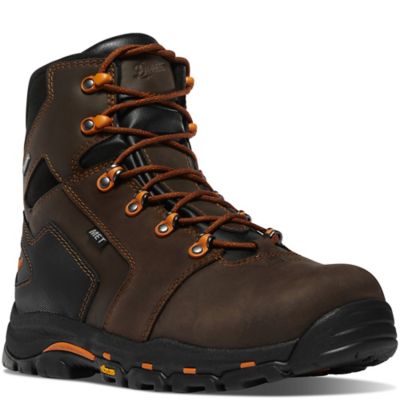
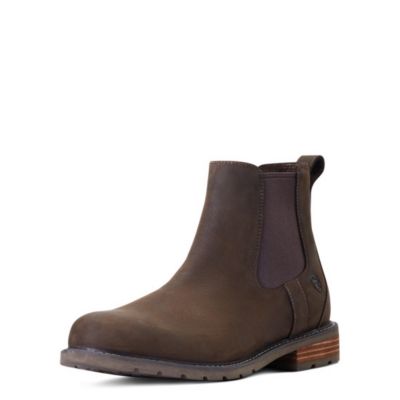
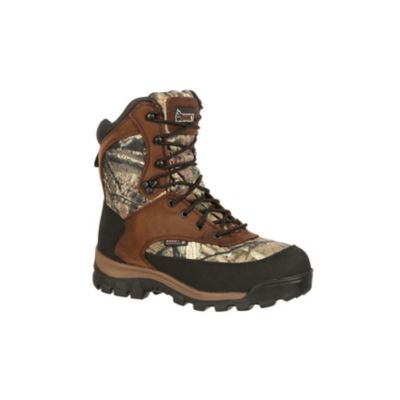
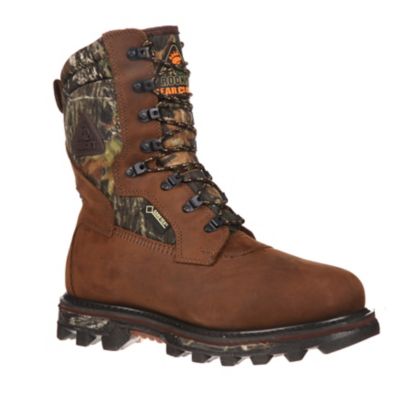
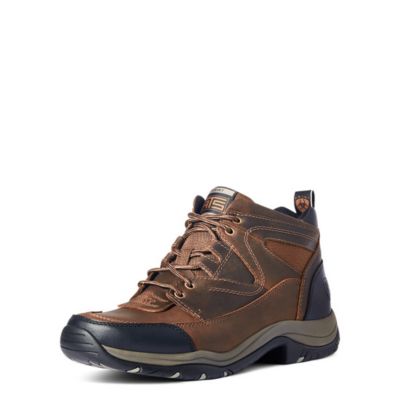
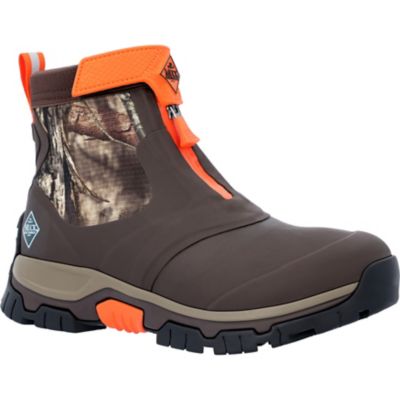
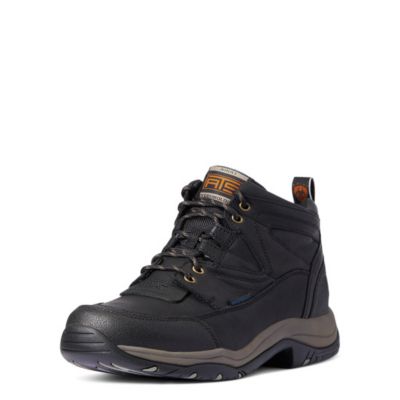
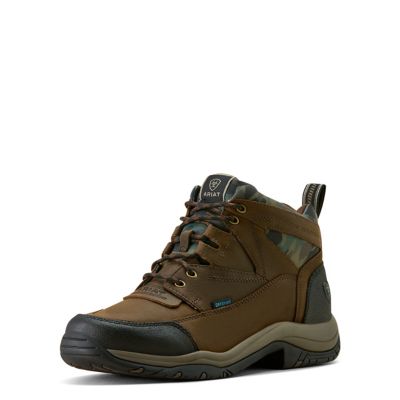
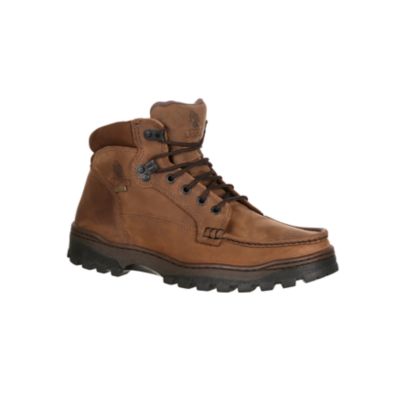
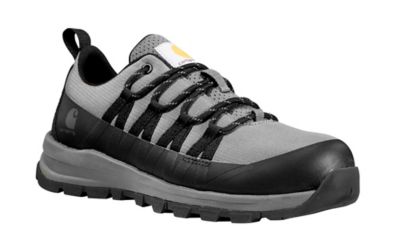
Men’s GORE-TEX hiking boots are built for the kind of days when the trail changes underfoot and the weather refuses to settle down. A dry path can turn muddy after a passing shower, shallow creek crossings can appear around the next bend, and cool morning grass can leave ordinary footwear damp before breakfast. GORE-TEX footwear uses a waterproof, breathable membrane designed to help keep outside water from getting in while allowing some sweat vapor to escape from inside the boot. That combination makes these boots useful for day hikes, hunting trips, campground walks, travel, outdoor work and everyday wear during wet conditions. They can be a solid choice for an experienced hiker who spends long hours on rough ground, as well as for someone building a dependable outdoor wardrobe one piece at a time. They also make a practical gift for a man who enjoys walking wooded trails, exploring public lands, working around a farm or ranch, or spending cooler days outdoors. The right pair should feel secure without feeling stiff, with enough room for the toes to move naturally and enough structure to keep the foot from sliding inside the boot. Try them on with the socks you expect to wear, preferably toward the end of the day when feet have had time to swell a little. A boot that feels fine in thin store socks may feel tight with cushioned hiking socks, and a snug fit can become uncomfortable several miles into a trail. Pay attention to heel hold, arch comfort, toe room and any pressure around the ankle. Your heel should stay mostly in place when walking uphill, while your toes should not press against the front when stepping downhill. Because feet vary from person to person, checking available width options and reading fit information can be just as important as comparing waterproof features.
The type of trail and the weight you carry should guide the rest of the choice. Low-cut footwear usually feels lighter and more flexible, making it a good match for maintained paths, quick day hikes, travel and speedier walks with a small pack. Mid-cut hiking boots add coverage around the ankle and can offer a more supported feel on uneven trails, loose gravel, roots and rolling ground. For longer trips or heavier loads, look for a stable platform, firm midsole support and an upper that helps protect the foot from rocks and brush. A rugged outsole with deep, well-spaced lugs can improve traction in mud, soft soil and loose dirt, while a grippy rubber compound helps on slick rocks and wet surfaces. No tread works perfectly on every surface, so steady foot placement still matters, especially on polished stone, wet leaves and steep slopes. Consider how much flex you prefer, too. Lightweight boots often feel comfortable right away and make each step easier on a short outing, while more supportive boots may take longer to soften but provide extra stability under a loaded backpack. Leather and synthetic uppers each have their place; leather can offer a substantial, protective feel, while synthetic materials may reduce weight and dry more quickly. A waterproof membrane helps with rain and puddles, but water can still enter over the collar if a boot is submerged, and wet socks can also result from rain running down pants. Gaiters can add useful protection in tall grass, snow, deep mud and brush. Men who split time between trails and job sites may also want protective footwear made for work environments. For options that combine waterproof coverage with job-focused protection, browse
Gore Tex Safety Toe Boots.
Before heading out, give new boots a little time to settle in around the house, on short walks or during easy chores. Even comfortable footwear can rub when it meets a new sock, a steep grade or a long downhill stretch. Bring a pair of spare socks on longer outings, and choose moisture-managing hiking socks rather than cotton when possible. If your boots get muddy, brush off loose dirt and let them dry at room temperature away from a woodstove, heater or direct high heat, which can damage adhesives, leather and waterproof construction. Follow the care directions for the specific materials, and refresh the exterior as recommended to help preserve flexibility and water resistance. Keeping the tongue centered and using the laces to adjust different parts of the boot can improve comfort: a snug lower section helps hold the foot, while a secure upper section keeps the ankle from shifting. During the warmer part of the season, breathable waterproof boots can handle dewy grass, sudden rain and cool creekside trails; as the weather turns cooler, they become especially useful for muddy paths, frosty mornings and long walks through fallen leaves. Think about the places the boots will actually go, from packed gravel and smooth woodland tracks to rocky ridgelines and uneven backcountry routes. A casual trail walker may value light weight and easy comfort, while a backpacker may prioritize a firm sole, ankle support and dependable durability. Someone who hunts or works outdoors may also appreciate quiet steps, protective materials and traction that holds on wet ground. With a proper fit, useful tread and waterproof construction suited to the conditions, men’s GORE-TEX hiking boots can become the pair that stays by the door, ready for a damp morning walk, a full day on the trail or another season of outdoor work.