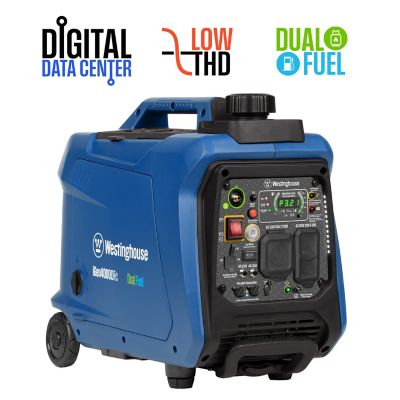
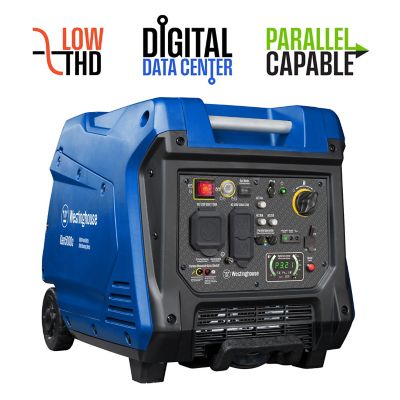
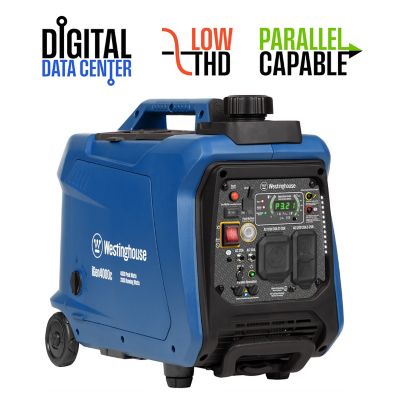
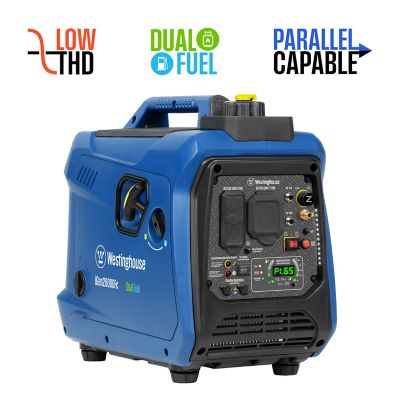
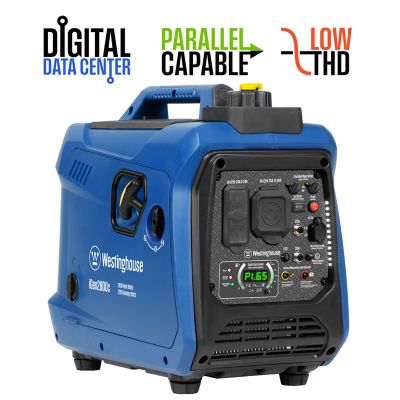
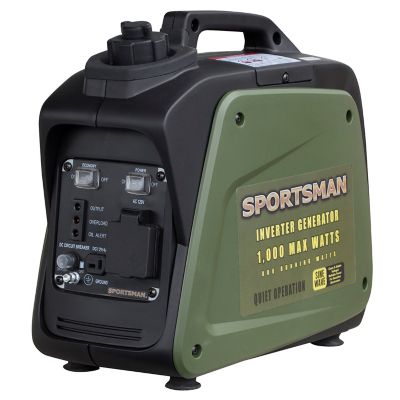
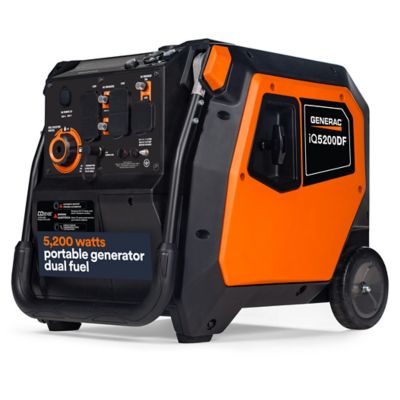
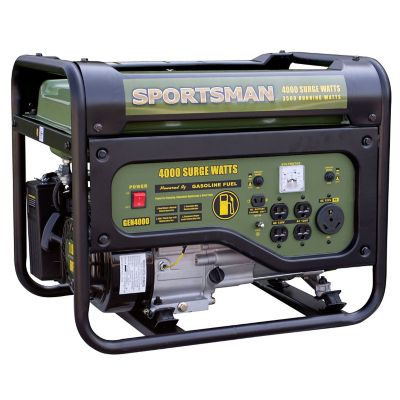
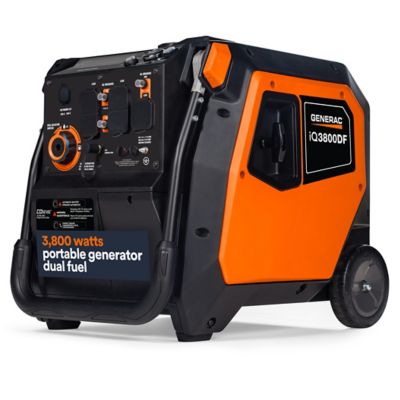
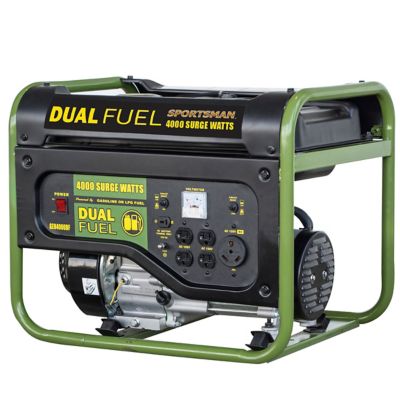
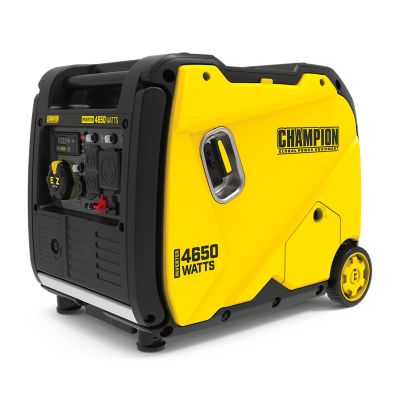
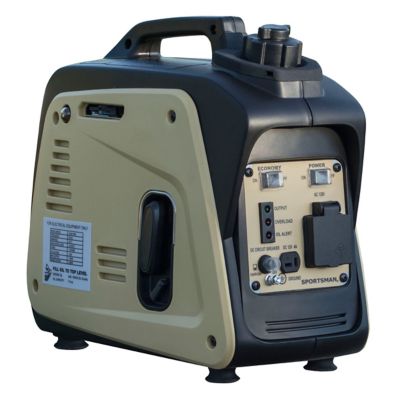
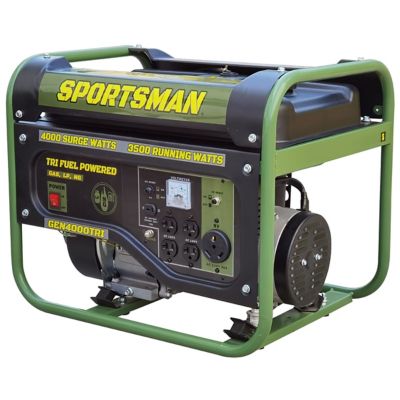
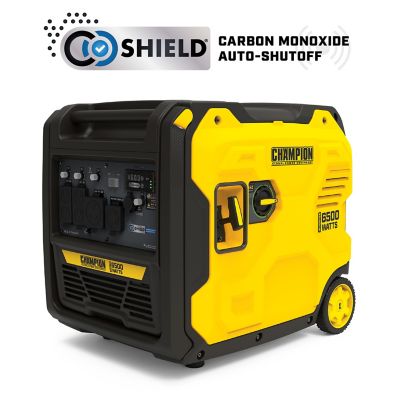
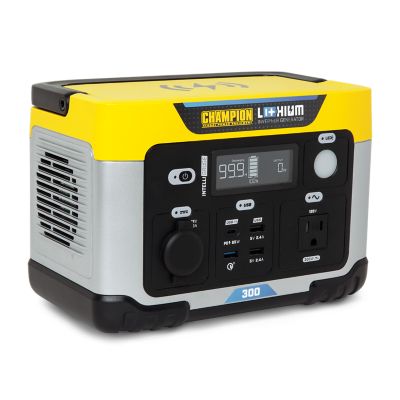
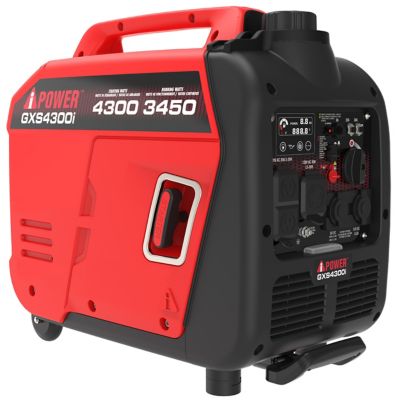
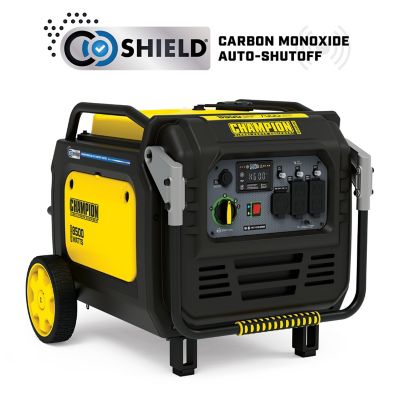
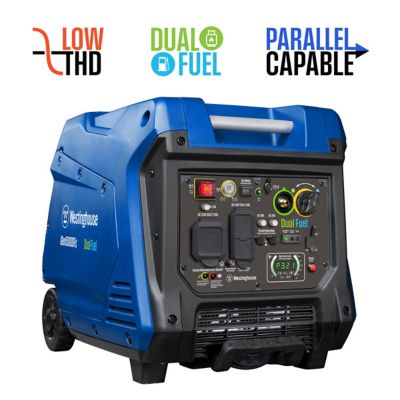
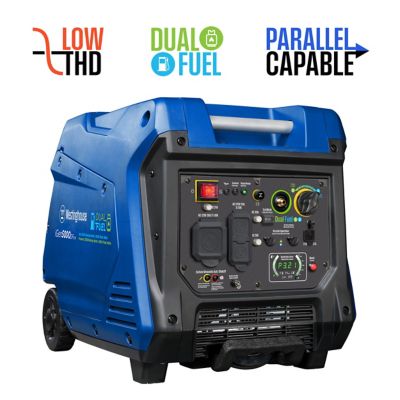
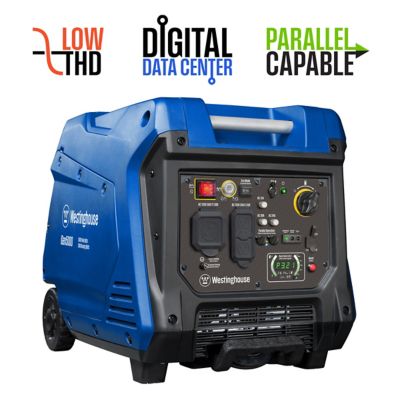
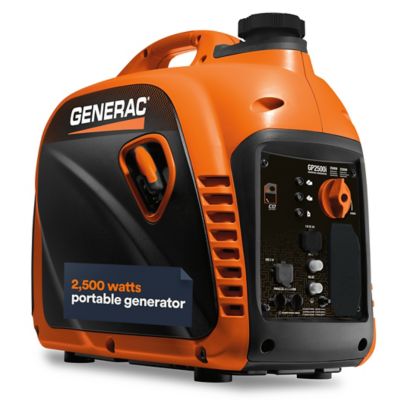
Generators for outdoor events and gatherings bring power to places where a suitable outlet is out of reach, from a family reunion beside the pasture to a community fundraiser at the fairgrounds. The right fit depends on running wattage, startup demand, sound level and runtime—not simply the number of guests. A few strings of lights and a small speaker place very different demands on a generator than refrigeration, food-service equipment and a full sound system. Running watts describe the power equipment needs during normal operation, while starting watts account for the brief extra demand some motors draw when they switch on. That distinction matters when a refrigerator compressor starts while the announcer is speaking and the serving area is busy. Enough capacity for those overlapping loads helps keep the setup within its limits without leaving essential equipment competing for power. Inverter generators often fit gatherings where conversation and sound levels matter, particularly when their electrical output meets the requirements of connected electronics. Low total harmonic distortion can be an important consideration for audio equipment and electronic controls, but compatibility still depends on each equipment maker’s specifications. Higher-output portable generators can support more demanding arrangements, provided their receptacles, voltage and circuit ratings match the equipment. Battery-powered stations offer another option for modest lighting, device charging or smaller sound setups without engine exhaust at the point of use, though cooling fans may still be audible. Their watt rating describes output capability, while watt-hours describe stored energy; both affect suitability, and conversion losses reduce practical runtime. Sound deserves just as much attention as output at an outdoor wedding, livestock show or neighborhood gathering. Published noise ratings are most useful when their measurement distance and operating load are comparable. A generator that suits a busy concession area may be a poor neighbor for a quiet ceremony. Placement, venue sound rules and the distance between the power source and the gathering all help determine whether a setup fits the occasion.
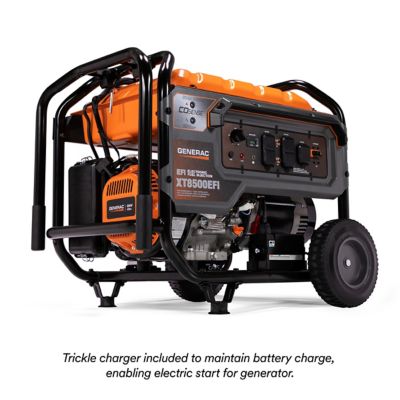
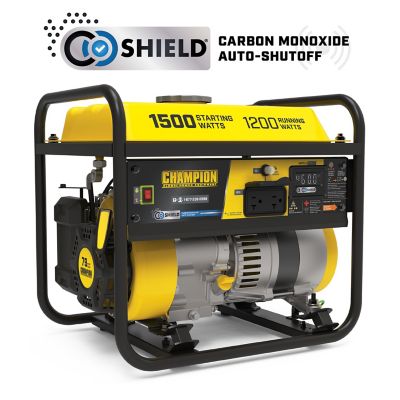
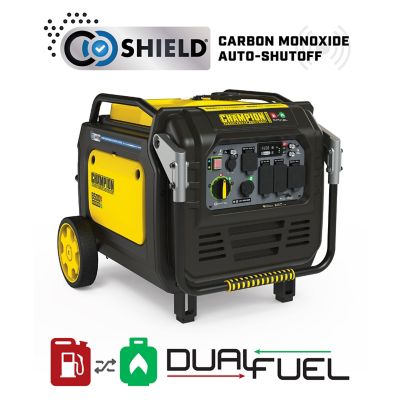
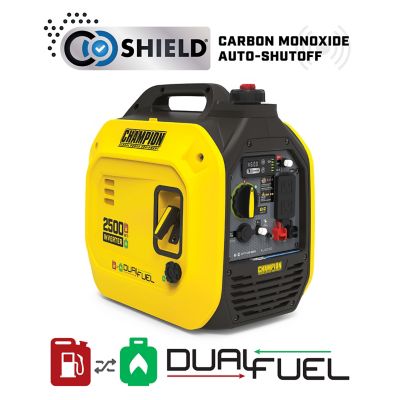
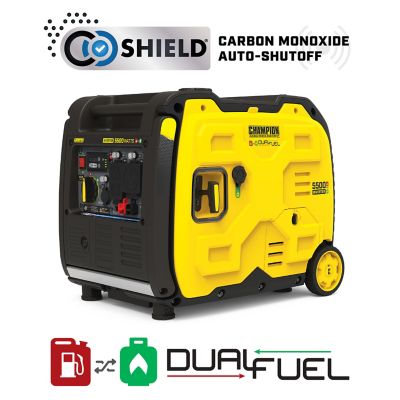
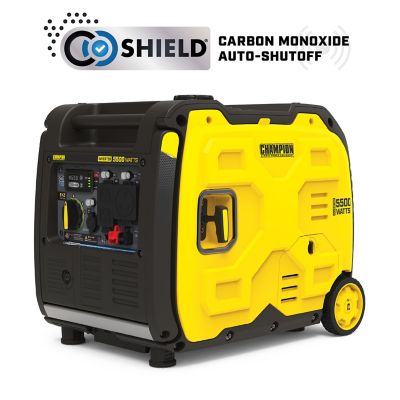
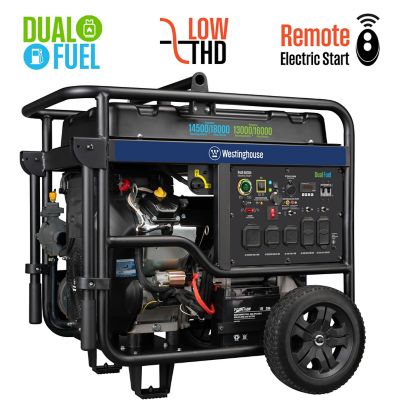
Runtime and handling shape how well event generators fit a full day’s work. A unit supporting an afternoon auction has a different job than one powering lights from setup through cleanup, and published runtime figures usually reflect a stated load rather than every possible arrangement. Larger electrical loads generally consume fuel or stored battery energy faster, making the expected operating schedule an important part of the match. Gasoline-powered generators and models that accept propane offer different fueling arrangements; dual-fuel designs provide flexibility between supported fuels, but output and runtime can vary with the fuel selected. Electric starting can simplify operation, while a recoil starter offers a different starting method, depending on the design. Neither replaces attention to the owner’s manual, battery care or routine engine checks. Construction details matter, too, especially when equipment travels between a shed, a pickup and an event site. Steel frames, protected control panels and sturdy handles can help with transport and handling, while wheel size and tire design affect movement across gravel, packed ground and paved walkways. A compact shape may fit a vehicle more easily, but lifting weight, handle placement and the space needed for safe operation deserve equal consideration. Generators need a stable operating surface and the clearances specified by their manufacturer, not a tucked-away spot beneath a serving table. Fuel-burning portable generators belong outdoors, at least 20 feet from buildings, doors, windows and vents, with exhaust directed away from buildings and gathering areas. Garages, enclosed trailers, tents and other enclosed or partly enclosed spaces are not safe operating locations. Carbon monoxide shutoff features add protection but do not replace proper placement. Refueling also calls for a stopped, cooled engine and approved fuel containers kept away from ignition sources. Those practical details are part of choosing event power that fits the site, not just choosing enough watts.
The connections between the generator and the gathering can matter as much as the generator itself. Receptacle type, voltage, circuit capacity and ground-fault protection all influence which equipment can connect safely. Outdoor-rated extension cords need the proper grounding, conductor size and load rating for both their length and the equipment they supply. A long cord stretched from the far side of a property is not automatically suitable just because the plug fits; excessive voltage drop can interfere with equipment operation. Cord routes also need room in the event layout, away from serving lines, vehicle paths and places where guests gather. Appropriate cable protection helps reduce trip hazards without pinching or damaging the cords. At a reunion, that might mean keeping the route clear of the walk between the picnic tables and the food line. At a livestock event, it also means keeping electrical equipment and connections beyond the reach of animals. Larger arrangements may call for properly rated power-distribution equipment and a qualified electrician or event-power professional rather than a chain of adapters. Grounding and bonding requirements depend on the generator and how it connects, so the manufacturer’s instructions and applicable electrical requirements take priority. Day-to-day care supports the next outing as well: engine oil checks, air-filter service, inspection of cords and receptacles, and storage preparation all belong on the schedule described in the manual. Battery-powered stations have their own charging and storage requirements, along with limits on expansion batteries or charging connections. For clubs, churches, farm families and event organizers, a generator’s usefulness often comes down to how comfortably it fits the whole routine—loading, transport, setup, operation and packing away. Clear controls and an easy-to-read fuel or battery display can make that routine less fussy, especially when one person is keeping an eye on power while helping with the gathering. Households considering needs beyond event day can also explore
Generators For Power Outage Preparedness. For gatherings, the best match remains the one whose capacity, sound level, connections and operating requirements suit the equipment and the space, leaving the attention on the auction call, the music or a good meal with neighbors.