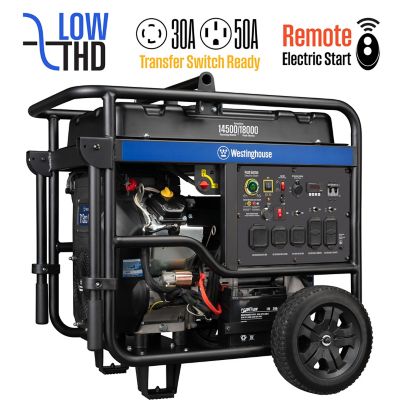
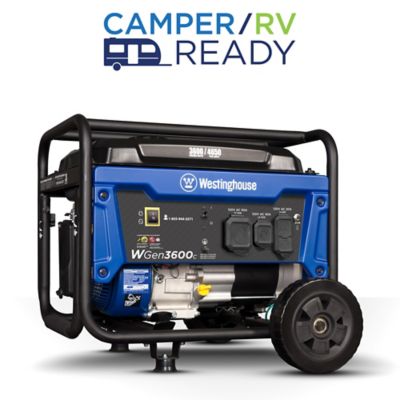
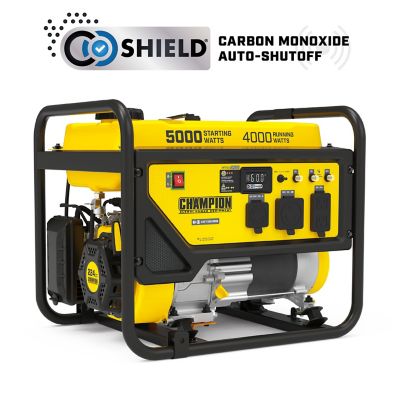
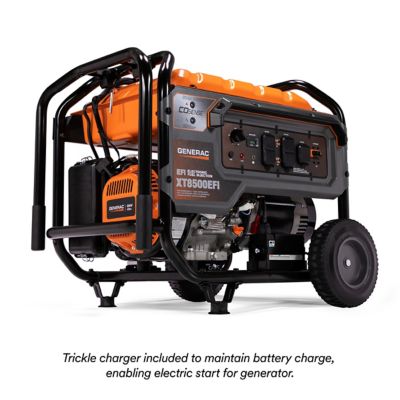
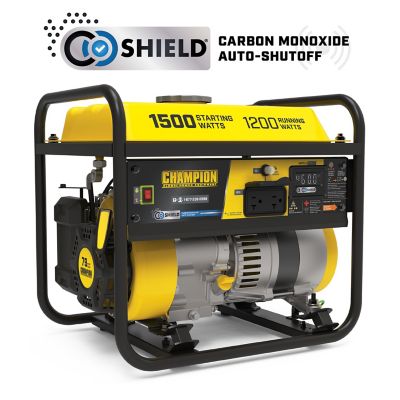
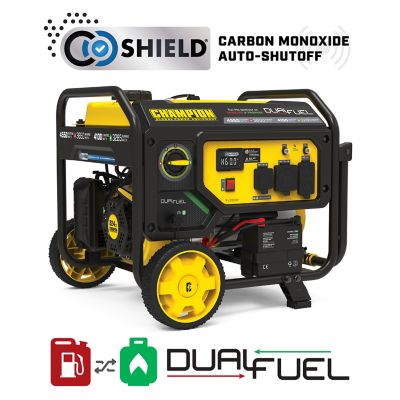
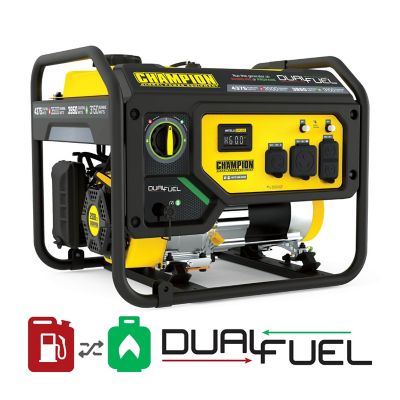
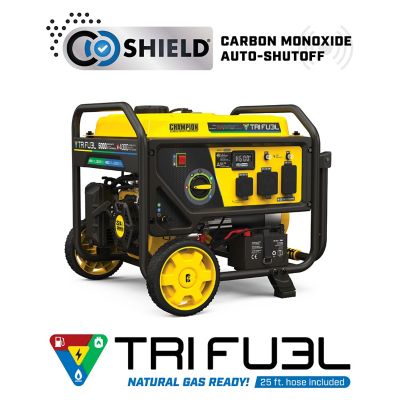
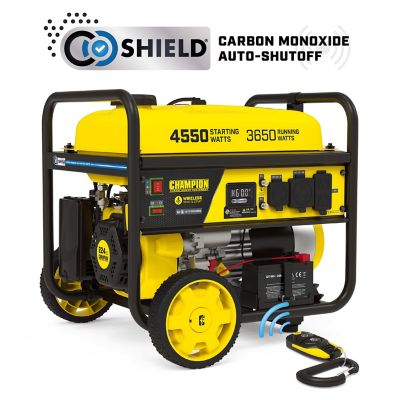
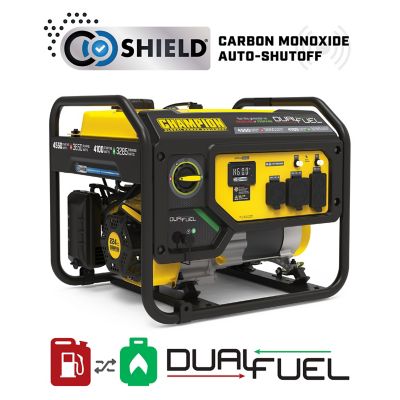
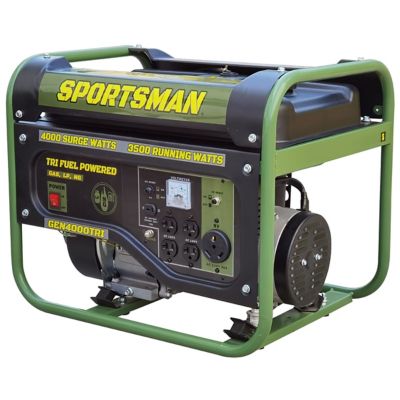
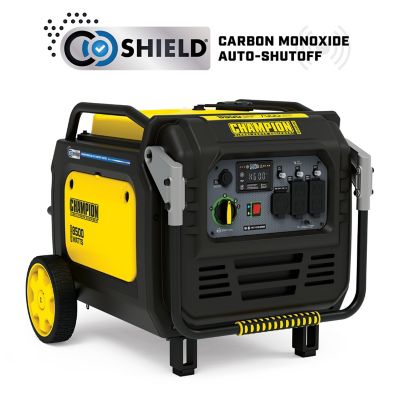
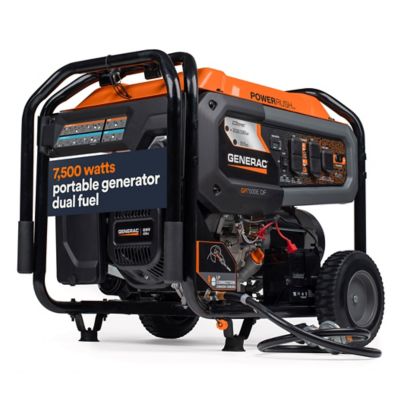
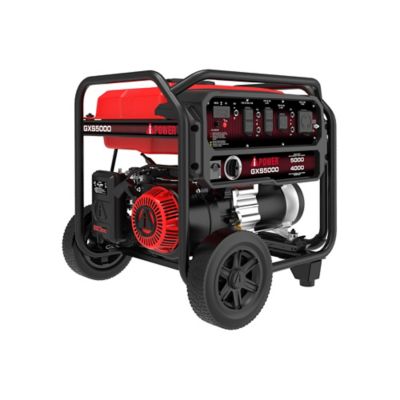
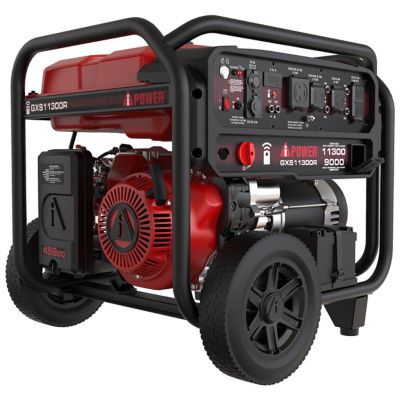
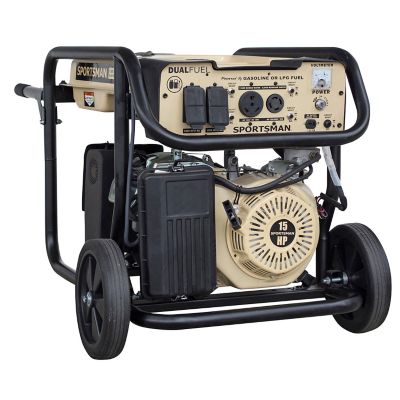
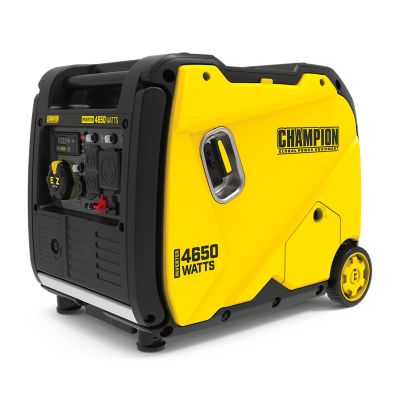
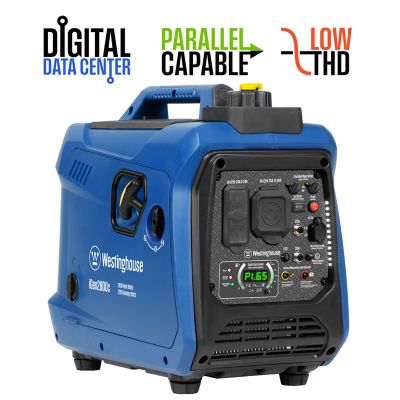
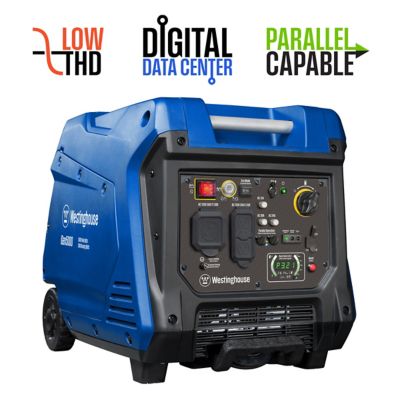
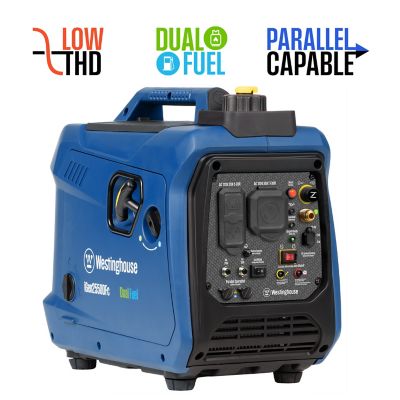
Portable generators for weekend adventures help keep a campsite, RV, or fishing camp running when an electrical hookup isn’t part of the plan. The right power source depends on what you want to run, how long you’ll be away, and how much equipment you’re willing to haul. A fuel-powered portable generator can support longer stretches of operation when fuel is on hand, making it worth considering for an RV air conditioner, cooking appliances, or several electrical loads. An inverter generator adjusts engine speed to match demand on many models and produces power suited to sensitive electronics when its specifications confirm that compatibility. A battery-powered portable power station serves a different purpose: it stores electricity for later rather than generating it from fuel. That can be a good match for charging phones, powering lights, or running smaller equipment without an engine rumbling nearby, although cooling fans may still make some sound. Battery capacity and a way to recharge become especially important once the trip stretches beyond a single night. For either type of equipment, start with the power requirements printed on the appliances you expect to bring. Running watts describe the power an appliance needs while operating; starting watts account for the brief extra demand some motors require when switching on. A small refrigerator may draw modest power after startup but need considerably more for that first moment. An RV air conditioner can place an even bigger demand on the power source, so matching only its running wattage may leave you short. Add up the equipment that will operate together, account for motor startup, and leave room within the generator’s rated output. That approach helps separate a setup meant for a few campsite comforts from one intended to handle larger RV loads. It also keeps the focus on useful capacity rather than choosing the biggest machine simply because there’s room in the truck.
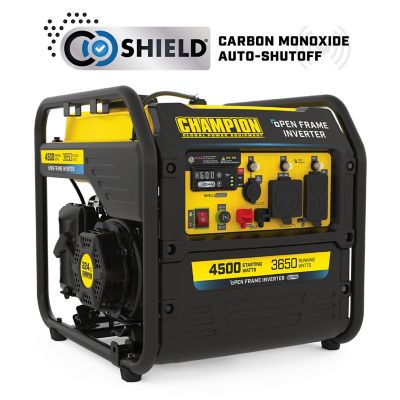
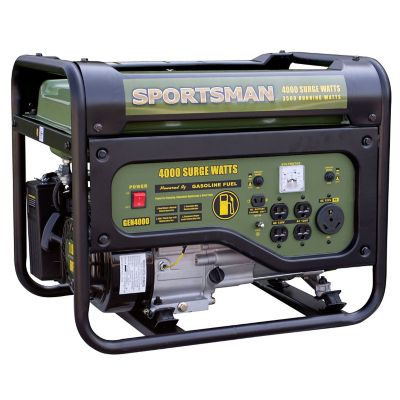
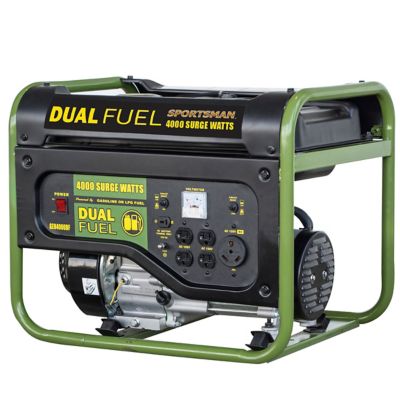
Portability means more than a carrying handle, especially when the route from the truck to your setup crosses gravel, packed dirt, or uneven ground. Overall weight, handle placement, wheel size, and the shape of the housing all affect how manageable a generator feels at the end of the drive. Check dimensions against the actual cargo space, allowing room for tie-downs and the other gear riding along. An open steel frame can provide convenient lifting points and protection around the engine, while an enclosed housing can make a smaller inverter generator easier to carry and help manage operating sound. Neither design removes the need for careful handling or secure transport. Look at outlet placement, protective covers, control-panel access, and whether routine service points are easy to reach without taking half the housing apart. For RV travel, the receptacle type and electrical rating need to match the intended connection; a plug that looks close isn’t enough. Extension cords also need the proper rating, grounding, and length for the load. Noise deserves a practical look, too. Compare published sound ratings only when the measurement distance and operating load are similar, and check campground rules before planning around engine-powered equipment. A lower sound rating doesn’t override quiet hours. Fuel choice adds another layer: gasoline-powered equipment requires an appropriate fuel supply, while dual-fuel designs may offer propane operation when specified by the manufacturer. Output and runtime can differ by fuel, so compare the ratings for the fuel you actually intend to carry. Published runtime also depends on the stated load, not simply tank size. For trips centered on tents, picnic tables, and a few electrical comforts, explore
Portable Generator For Camping options with those campsite needs in mind. A compact setup that handles the essentials can be easier to pack, move, and live with than a larger machine whose extra output never gets called on.
A little planning before leaving the driveway makes portable power easier to manage once the chairs are unfolded and supper is underway. Give a fuel-powered generator a trial run according to its manual, check the oil, inspect cords and connections, and confirm that the equipment you plan to power starts and runs properly. Battery power stations deserve the same check: begin with a full charge, verify outlet limits, and estimate runtime from battery capacity and the expected load. Watt-hours describe stored energy, while watts describe output; a large battery capacity doesn’t automatically mean a station can start a demanding appliance. Actual runtime also reflects conversion losses and the way connected equipment cycles on and off. If solar charging is part of the setup, confirm panel compatibility and charging limits rather than assuming any panel will connect. Once camp is set, combustion-generator placement is a safety matter, not just a way to keep engine noise away from the table. Operate fuel-powered generators outdoors, at least 20 feet from tents, RVs, buildings, doors, windows, and vents, with exhaust directed away from occupied spaces. Never run one inside a tent, vehicle, garage, or other enclosed or partly enclosed space, even with openings nearby. Carbon monoxide is odorless and can be deadly; built-in shutoff features do not replace safe placement. Shut the engine down and let it cool before refueling, and keep fuel away from ignition sources in approved containers. After the trip, follow the manufacturer’s maintenance and storage directions, including oil service, air-filter care, and fuel-system preparation. Keep battery equipment charged and stored as its manual directs, and inspect housings, handles, and cables before the next outing. For a frequent camper, an RV traveler, or someone who spends free days at a remote cabin, portable power can also make a practical gift when its capacity, connections, and carrying weight match the recipient’s setup. The best fit is equipment that supports the way they actually spend a weekend away.