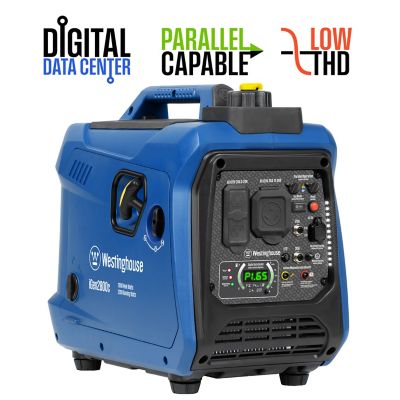
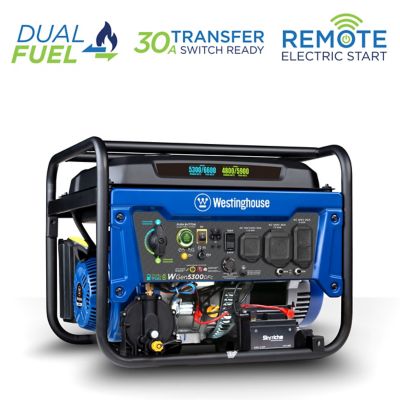
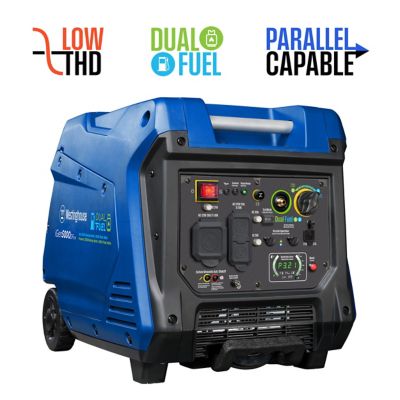
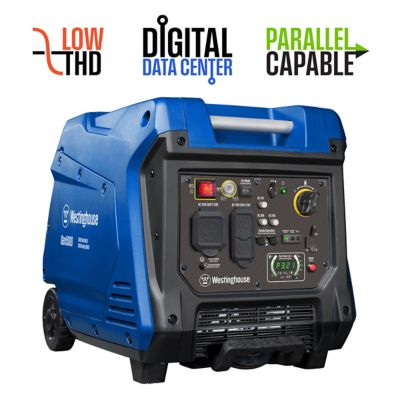
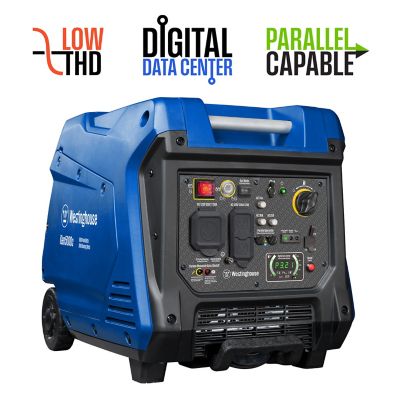
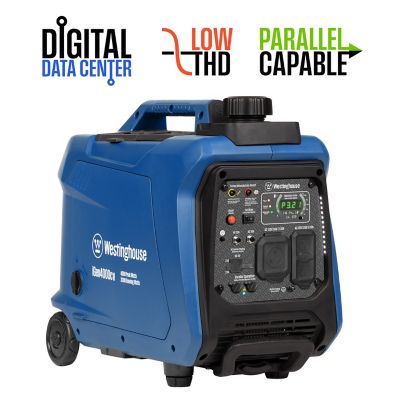
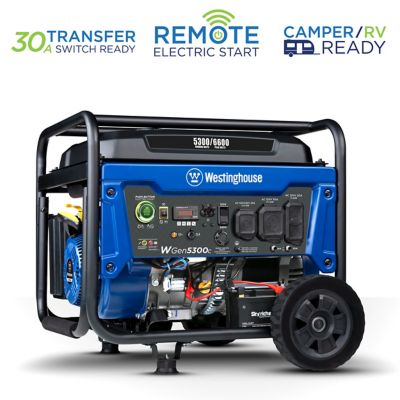
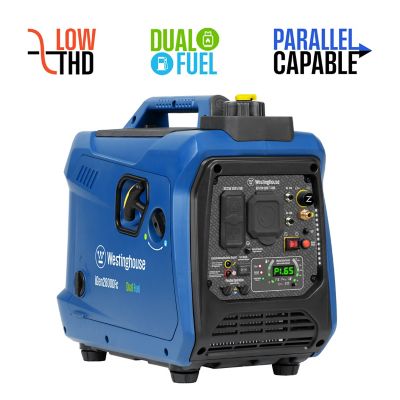
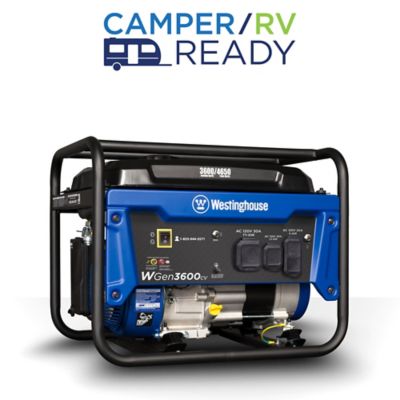
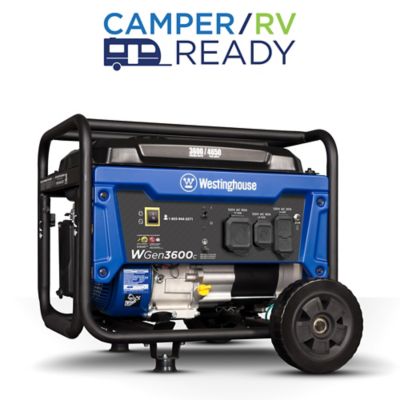
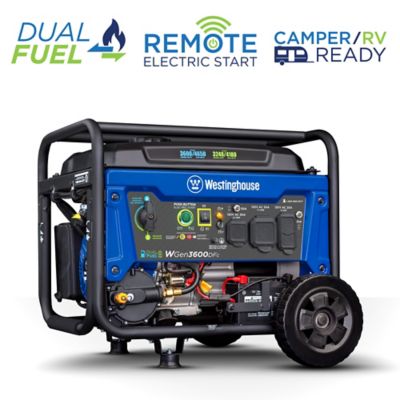
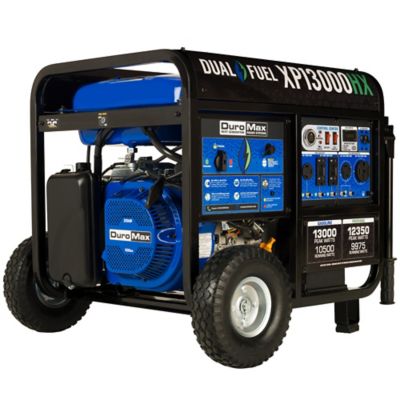
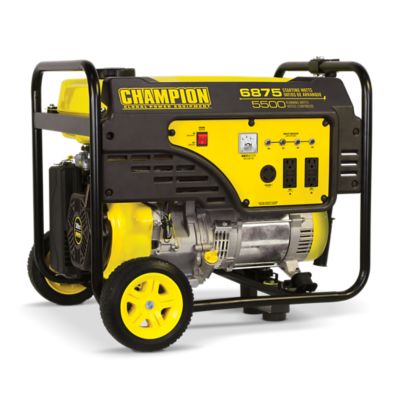
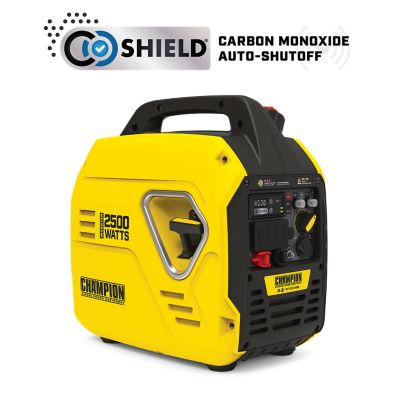
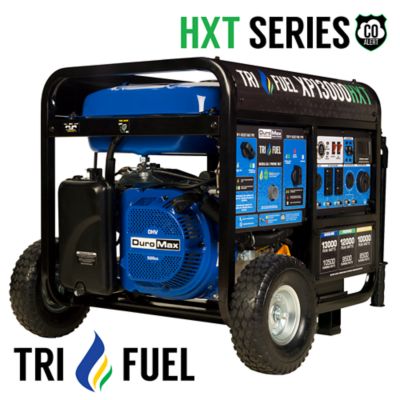
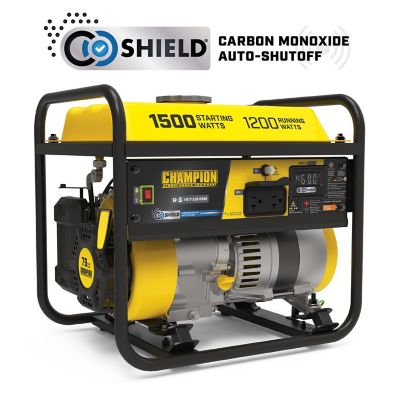
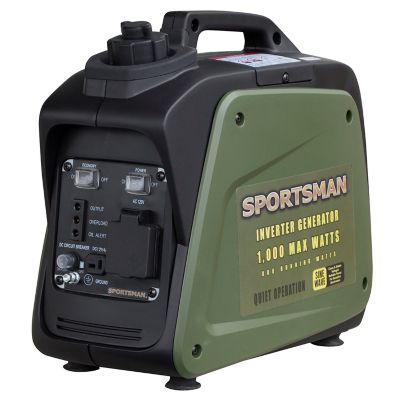
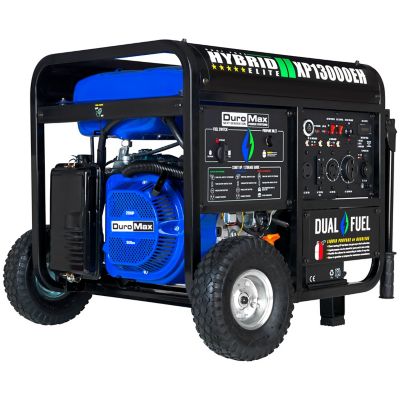
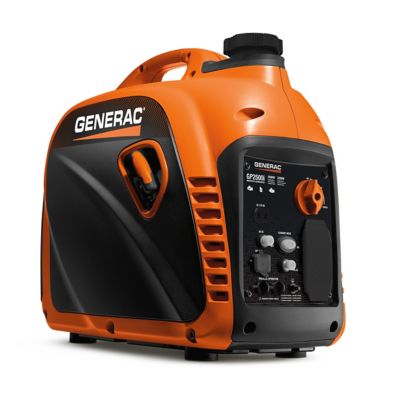
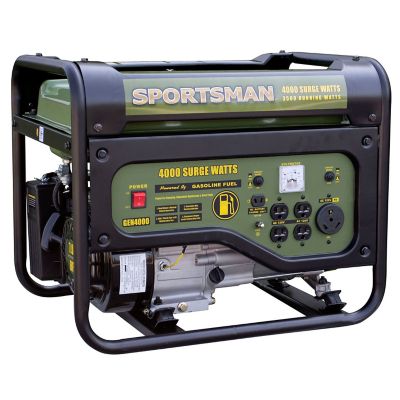
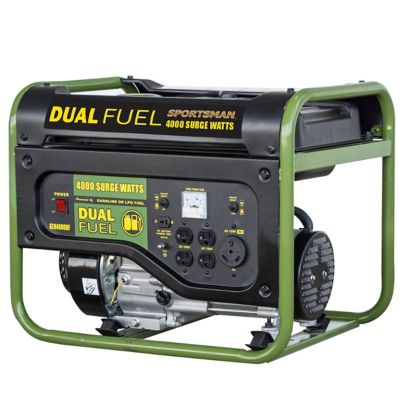
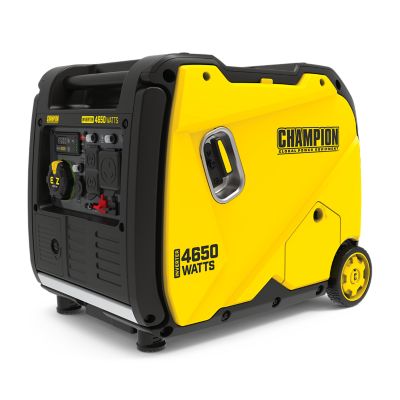
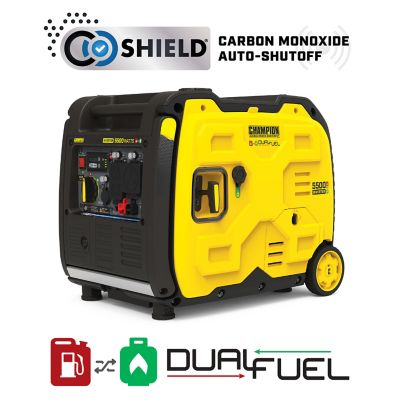
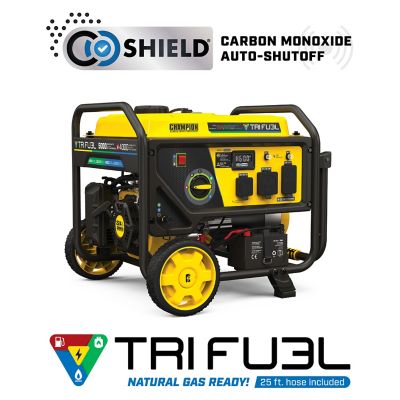
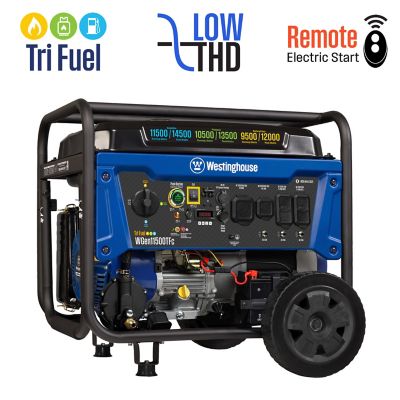
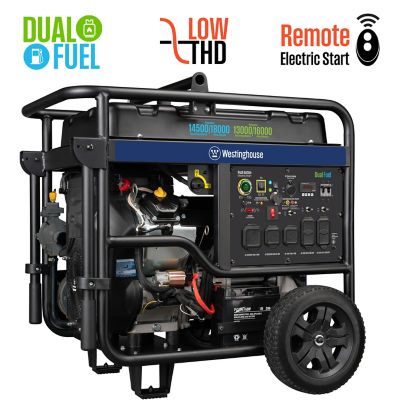
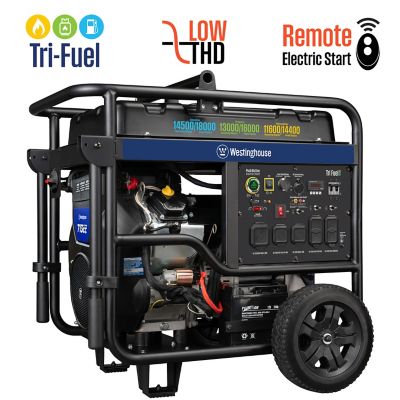
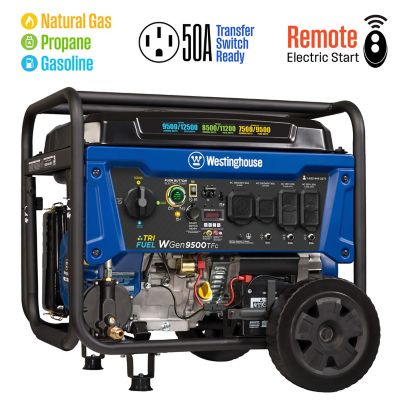
A portable generator for camping brings power to the parts of a trip that still call for an outlet, whether that means keeping a camper refrigerator running, charging a phone before a trail ride, or turning on lights while supper comes together. The right fit depends on what needs electricity, how long it needs to run, and how much room there is beside the rest of the gear. For tent campers with a few small devices, a compact power source can cover the basics without taking over the truck bed. RV travelers may need more output for appliances, especially equipment with motors that draw extra power when they start. Running watts describe the power a generator can supply continuously, while starting watts account for brief startup demands. Those numbers matter more than size alone: a small refrigerator, for instance, can need considerably more power at startup than it does once it settles into a cycle. Electric heaters, coffee makers, and cooking appliances can also draw substantial power, leaving less capacity for other equipment. A camping generator should match the combined running load and have enough starting capacity for the largest expected surge while other connected equipment keeps operating. Outlet types matter, too, particularly when connecting an RV shore-power cord. An RV-style receptacle does not automatically mean the generator can power every appliance in the camper at once; voltage, amperage, and total output still need to match the setup. For folks who favor short getaways and lighter packing,
Compact Generators For Weekend Camping puts the focus on smaller power sources suited to weekend travel. Beyond electrical capacity, everyday fit comes down to practical details, such as whether the unit can be lifted over a tailgate, carried across a gravel pad, and positioned safely without stretching cords across a walkway.
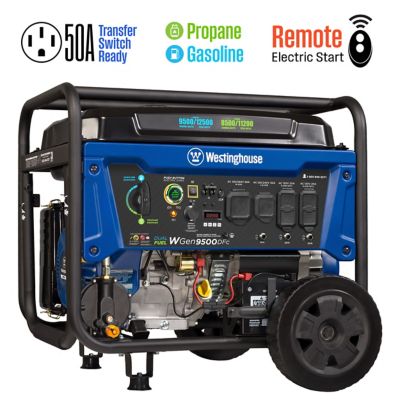
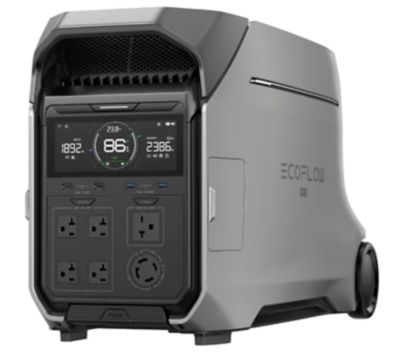
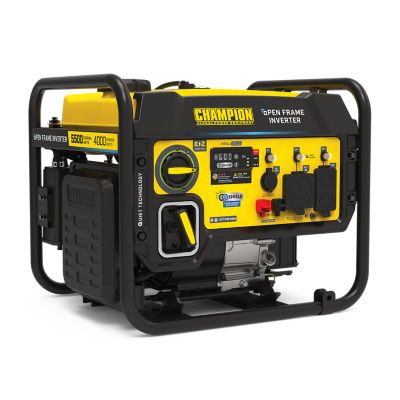
Inverter generators, conventional portable generators, and battery power stations serve different camping needs. An inverter generator regulates its electrical output and often varies engine speed with demand, which can help reduce fuel consumption and sound at lighter loads. Low total harmonic distortion is a useful specification for electronics that require steady power, though compatibility should always follow the equipment maker’s requirements. Conventional generators can suit higher-demand setups, but engine sound, weight, and campground rules deserve a close look before making room for one. Sound ratings are most helpful when the stated distance and load are comparable; a number measured far from an idling engine tells a different story from one measured nearby under working load. Quiet operation matters when neighboring campsites are close and folks are settling in after dark, but even a quieter engine-powered unit may be off-limits during campground quiet hours. Battery power stations offer another approach, storing electricity rather than making it with a fuel-burning engine. They produce no exhaust during operation, although cooling fans can make some sound. Their watt rating indicates how much equipment they can power at once, while watt-hours describe stored energy. Actual runtime depends on the connected load, conversion losses, temperature, and features such as heated tubing on a CPAP machine. Anyone powering medical equipment should confirm compatibility and runtime with the equipment manufacturer and have a backup plan. Gasoline generators suit trips where refueling is practical, while dual-fuel generators provide a choice between gasoline and propane. Output and runtime can differ by fuel, so comparisons should use the specifications for the fuel planned for the trip. Propane cylinders also need secure, upright transport and storage as directed by their manufacturer. Solar charging can extend battery-station use when the panels and input specifications match, but shade, shorter daylight hours, and cloudy weather affect charging. None of these power sources fits every campsite; the better match is the one that covers the actual load within the site’s operating rules.
Construction and upkeep make a difference when camping gear travels over washboard roads and spends its weekends around dust, gravel, and damp grass. Steel frames can provide useful lifting points and protection around engine components, while enclosed housings can help manage sound and keep the package easier to handle. Neither design makes a generator weatherproof. Handles, wheel size, overall dimensions, and weight with fuel or batteries included are worth considering together, especially for anyone unloading without a second pair of hands. Small wheels may roll easily across pavement but struggle in soft ground, and a broad, level spot is important for stable operation. Fuel-burning generators belong outdoors only, at least 20 feet from tents, RVs, buildings, doors, windows, and vents, with exhaust directed away from occupied areas. They must never run inside a tent, camper, garage, or partly enclosed shelter. A carbon monoxide shutoff adds protection but does not replace safe placement or working carbon monoxide alarms in an RV. Protection from rain must follow the generator manufacturer’s instructions and preserve open airflow; wrapping a running unit in a tarp or placing it beneath an improvised enclosure creates hazards. Outdoor-rated cords with the proper wire gauge and capacity help carry power to camp without overheating, and connections need protection from water. Engines should be shut down and allowed to cool before refueling. Between outings, oil checks, air-filter service, and fuel storage practices should follow the owner’s manual, while battery stations need the recommended charging and storage conditions. Cooler weather makes operating and charging temperature limits especially important for battery equipment. These details are part of choosing equipment that suits real camp life, not just a wattage target. A generator might be a practical gift for an RV owner or a family that spends weekends off the grid, provided its weight, connections, and power capacity match their setup. For regular campers, those same considerations help keep packing manageable and leave more time for a hot meal, a lit picnic table, and a comfortable evening outdoors.