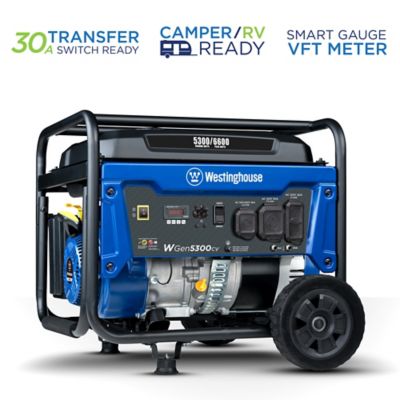
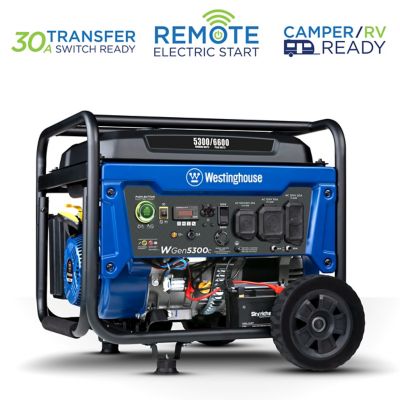
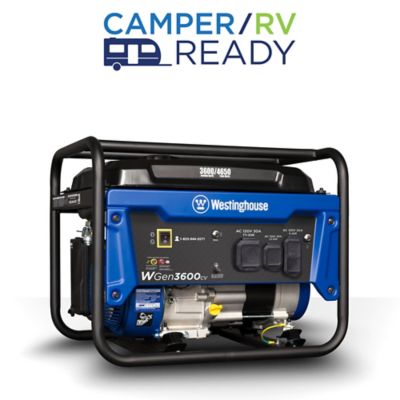
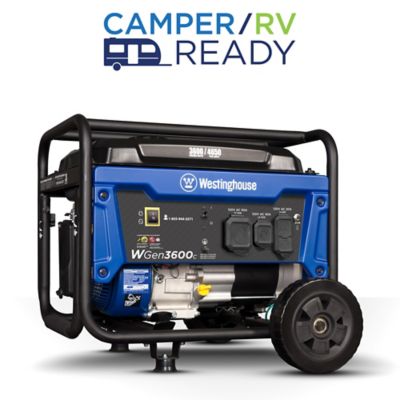
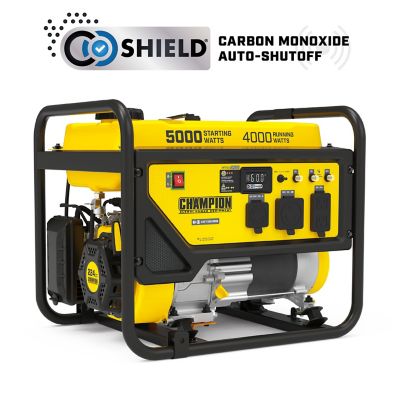
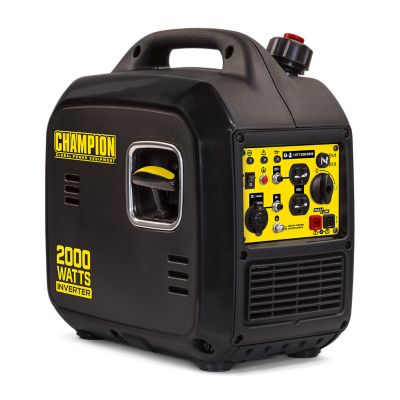
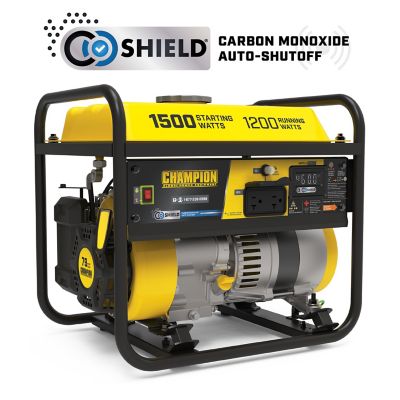
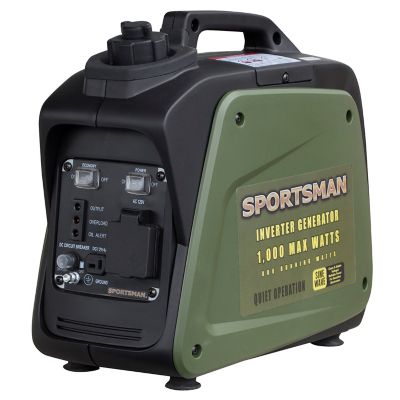
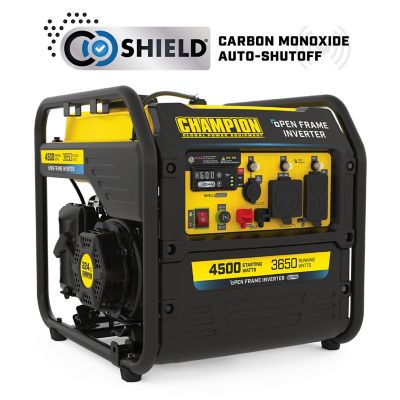
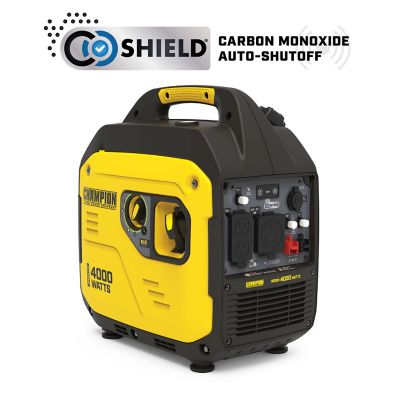
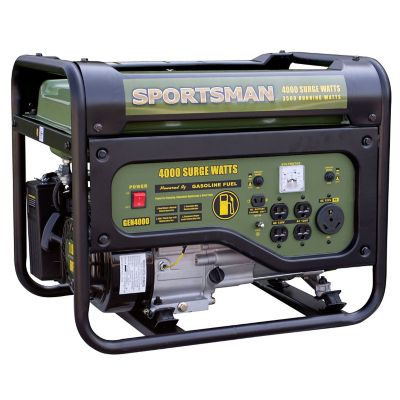
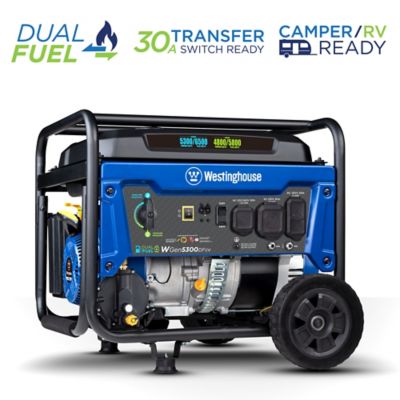
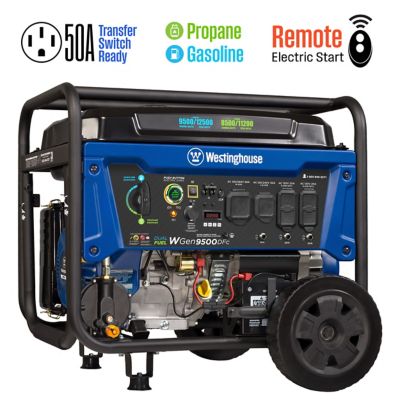
Generators for recreational vehicle power needs bring electricity along when the campsite has no hookup, whether the rig is a small travel trailer parked near the trailhead or a fifth-wheel set up for a longer stay. The right fit starts with the appliances that need power together, not just the size of the camper. Battery charging, lights, a television, and a few small electronics call for a different setup than a rooftop air conditioner running while someone heats supper in the microwave. Running watts describe the power a generator can supply continuously; starting watts cover the brief extra demand from equipment such as an air conditioner compressor. Both ratings matter, and the appliance labels and RV equipment manuals provide the numbers worth comparing. A compact generator with roughly 2,000–3,000 running watts can suit lighter loads, while roughly 3,500–4,500 running watts may support one rooftop air conditioner and selected essentials. Those ranges are starting points rather than promises: compressor startup demand, battery charger draw, and simultaneous appliance use can change the requirement considerably. A typical 30-amp RV connection supplies 120 volts and up to 3,600 watts, so generator output above that amount does not increase the capacity of the RV’s shore-power connection. A typical 50-amp RV connection has two 120-volt legs and can receive up to 12,000 watts from a full-capacity shore supply. That does not mean every larger camper needs a 12,000-watt generator, but running two air conditioners and several other substantial loads takes more planning than powering one appliance at a time. The generator’s continuous output, surge capacity, receptacles, and connection arrangement all need to match the intended job. An RV-ready TT-30R receptacle fits a standard 120-volt, 30-amp RV cord; a 50-amp rig requires a compatible connection arrangement that may involve an appropriately rated adapter. Adapters change how plugs connect, not how much power the generator produces. For campers who mostly need lights and battery charging, carrying extra generating capacity can mean more weight without much everyday benefit.
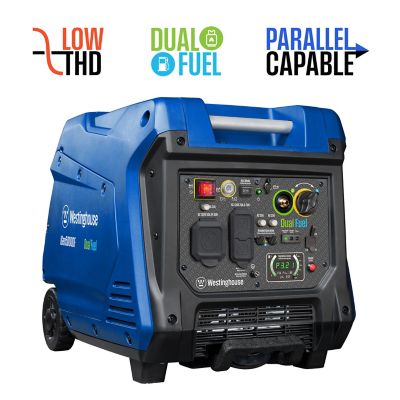
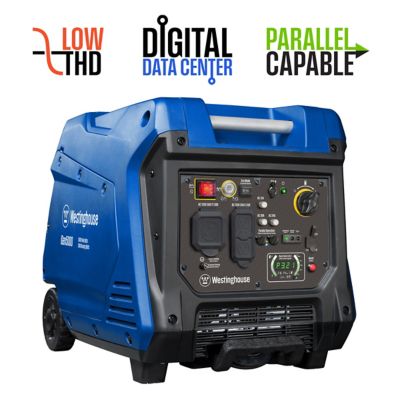
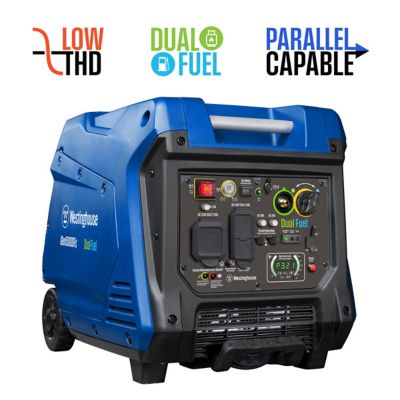
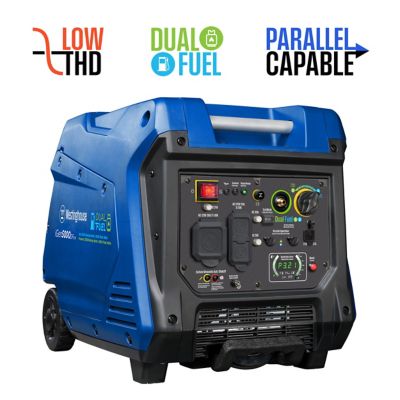
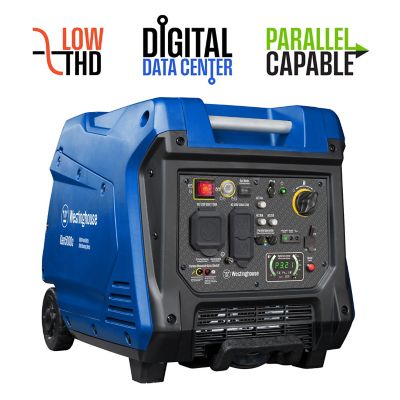
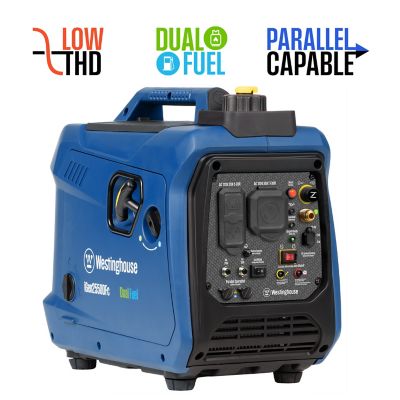
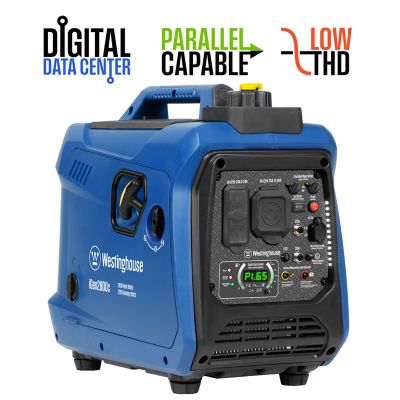
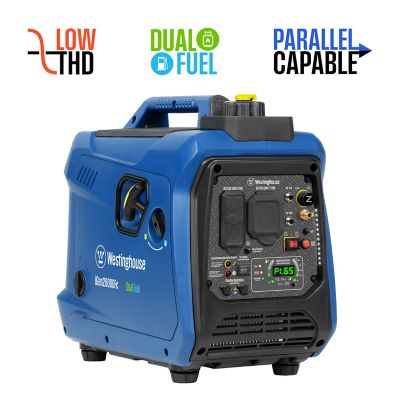
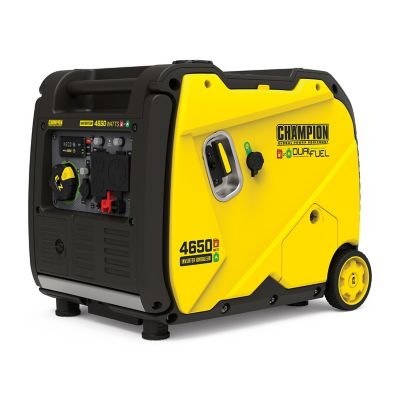
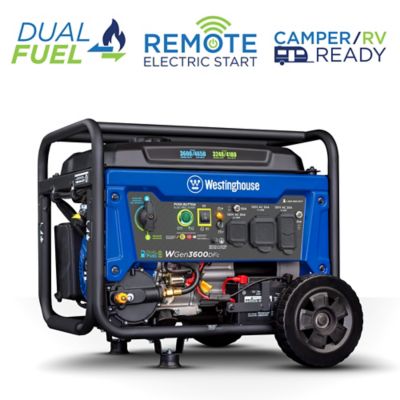
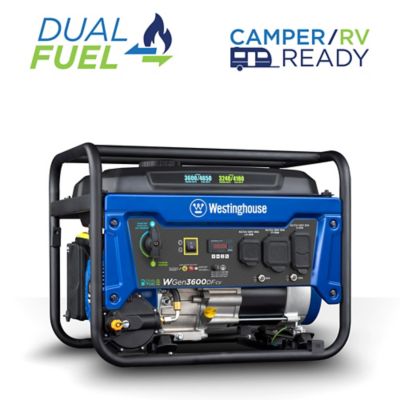
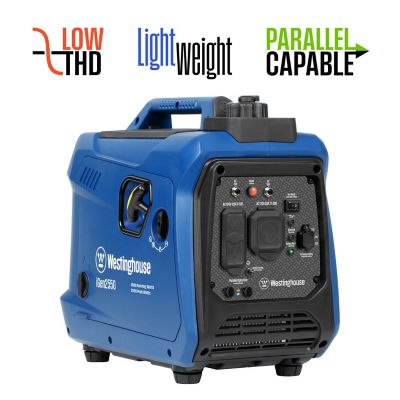
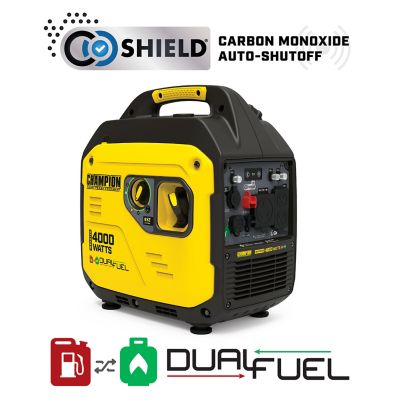
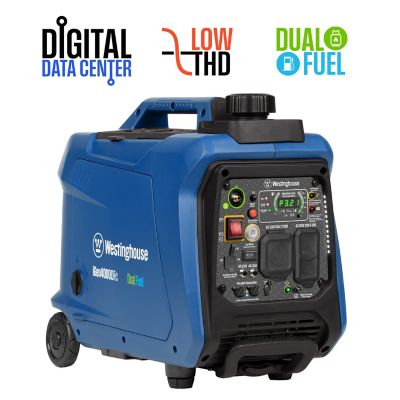
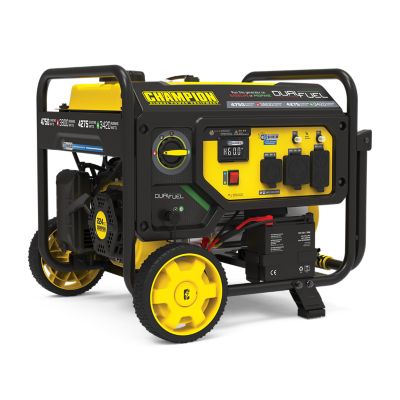
Inverter generators are a common match for RV camping because many combine controlled electrical output with lower sound levels and engine-speed adjustment as the load changes. Low total harmonic distortion is especially relevant for televisions, laptops, and electronic controls, although the generator’s published specifications and the equipment manufacturer’s requirements still matter. Conventional portable generators can also serve RV loads when their electrical characteristics and connections fit the equipment, but their operating sound, size, and fuel consumption deserve a close look. Sound ratings tell more when they include the test distance and load level; two decibel figures taken under different conditions are not a fair comparison. Campground generator hours and sound limits matter, too, particularly where neighboring campsites sit close enough to hear a conversation over the picnic table. Fuel choice affects how a generator fits the rest of the trip. Gasoline models call for an approved fuel container and attention to fuel storage, while propane operation can fit a camping setup that already includes cylinders. Dual-fuel generators offer a choice between the two, though their rated output often differs by fuel, with propane commonly delivering fewer watts. Runtime depends on fuel supply and electrical demand, so a runtime figure at one-quarter load does not describe an evening with several large appliances operating. Tank capacity, cylinder size, electric start, accessible controls, and a clear fuel gauge can all make ownership more convenient. Parallel capability is another consideration for campers whose needs may grow: certain inverter generators can connect through a manufacturer-approved parallel kit to increase available output. Compatibility is specific to the equipment, and connecting two generators does not automatically provide the voltage, receptacle, or capacity a particular RV requires. For a couple traveling light or a family bringing along more appliances, the best balance is enough usable power without hauling more machine than the trip calls for.
Physical fit matters just as much as electrical fit when the generator has to travel in a pickup bed or ride in a permitted storage location. Steel frames provide lifting points and help shield working components, while enclosed housings surround the engine and alternator and can help manage sound. Materials, frame construction, protected outlets, and a corrosion-resistant finish are worth considering for equipment that spends time around gravel, dust, and repeated loading. A generator’s dry weight does not include its fuel, and wheels that roll easily across a driveway may be less helpful on loose ground. Handles, overall dimensions, ground clearance, and access to service points all affect how comfortably the equipment fits into a camping routine. Transport arrangements should follow the manufacturer’s directions, with the generator secured against movement and fuel handled as directed. Routine care includes checking engine oil, observing oil-change intervals, servicing the air filter, and inspecting cords and plugs for damage. Fuel storage and longer breaks between trips also deserve attention, since stale gasoline can make the next start troublesome. Safety features such as overload protection, low-oil shutdown, and carbon monoxide shutdown add useful safeguards, but they do not replace safe placement. Portable generators belong fully outdoors, at least 20 feet from the RV and other occupied structures, with exhaust directed away from doors, windows, and vents. They must never run inside a camper, garage, storage compartment, or enclosed shelter, even with doors open. Working carbon monoxide alarms inside the RV remain essential. A level, dry operating surface, properly rated outdoor cords, and connections that follow the RV and generator instructions are part of a sound setup. The engine must be off and cool before refueling, and a portable generator should never feed power through an RV wall outlet. For household outage needs beyond the campsite,
Generators for Residential Backup offers a related category, with home electrical connections requiring their own properly designed setup. At camp, a well-matched generator keeps the focus on supper, charged batteries, and the next day’s plans.