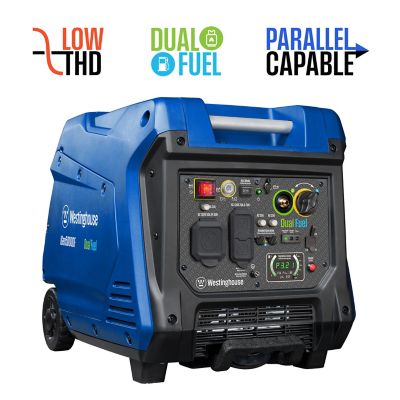
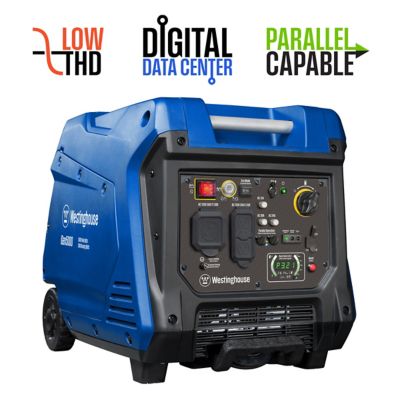
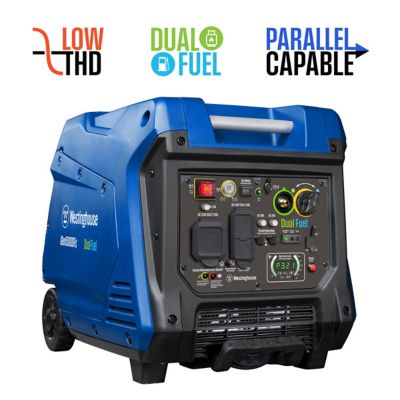
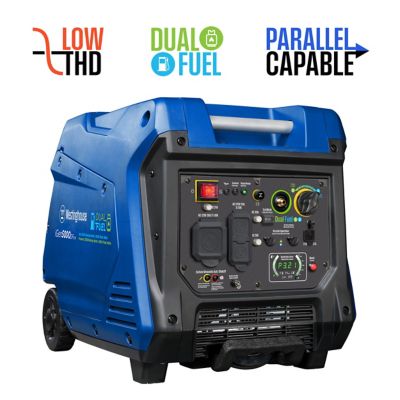
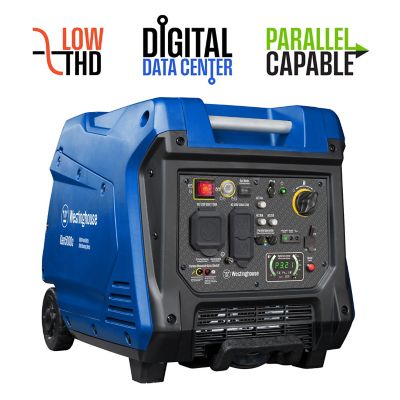
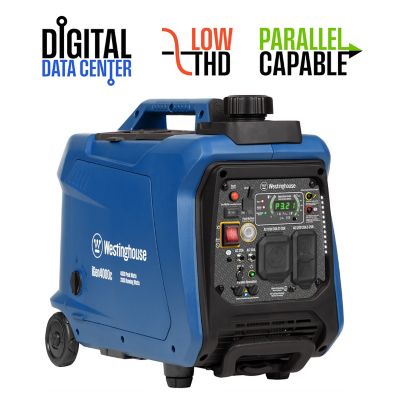
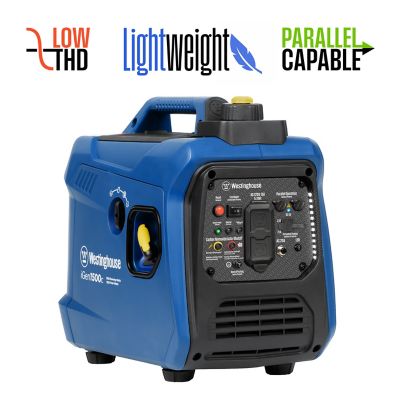
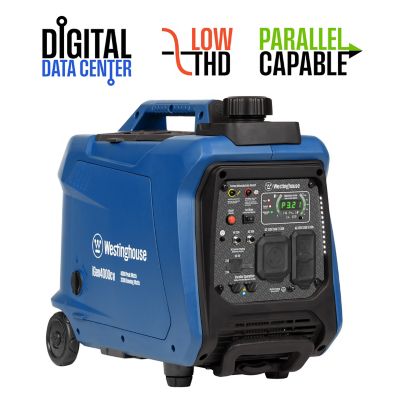
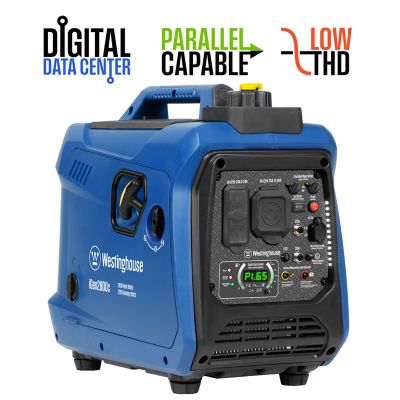
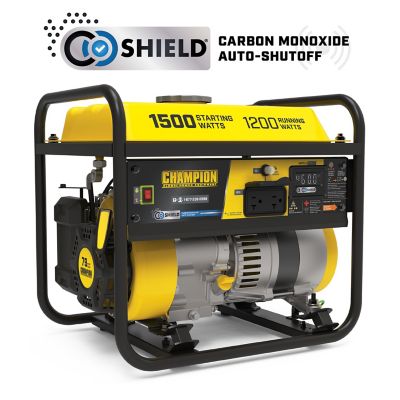
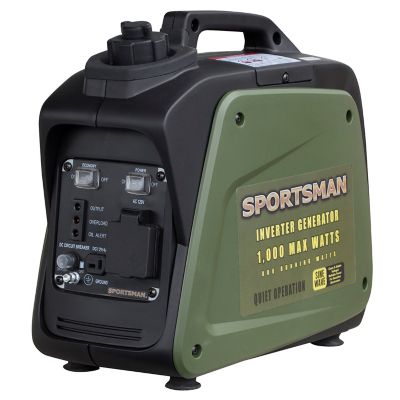
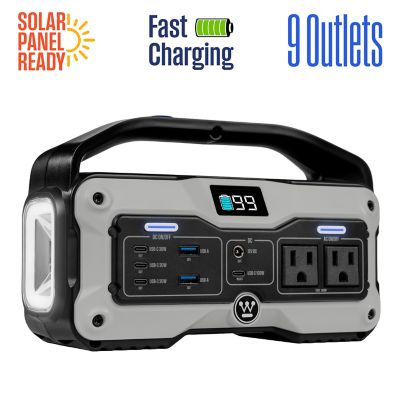
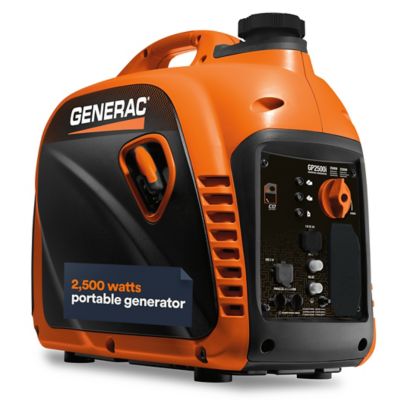
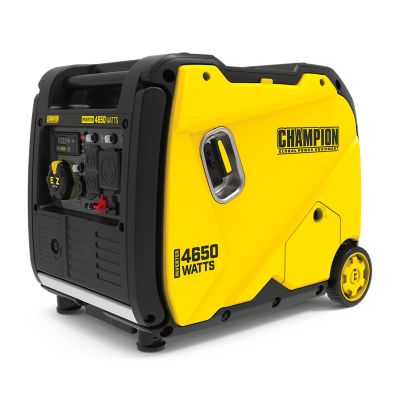
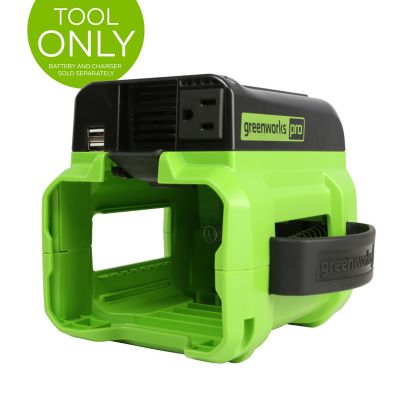
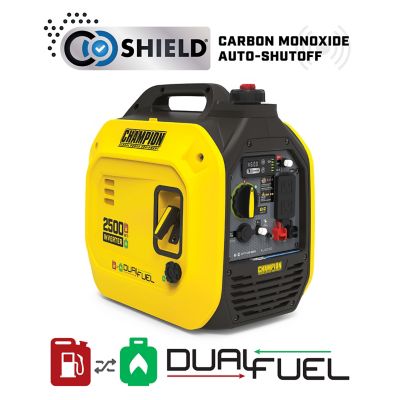
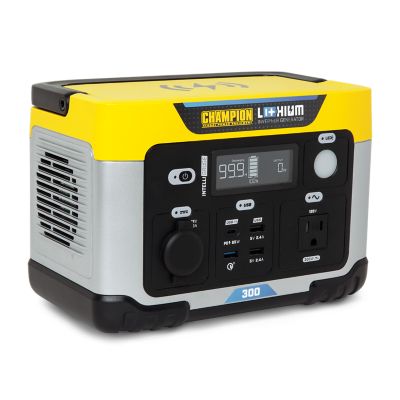
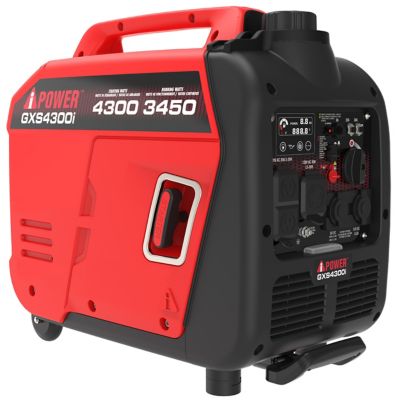
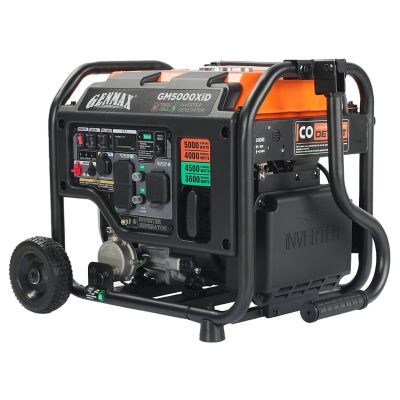
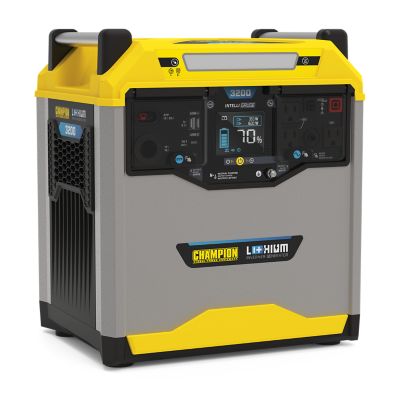
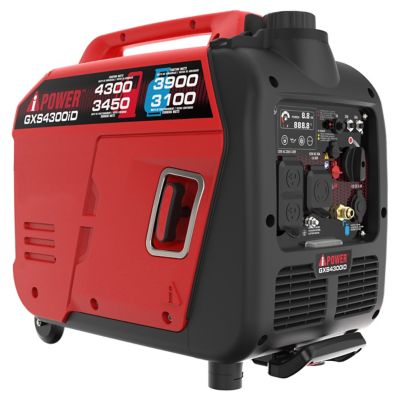
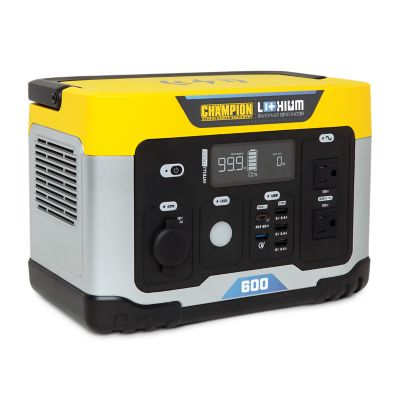
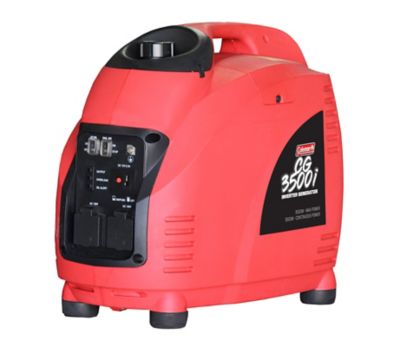
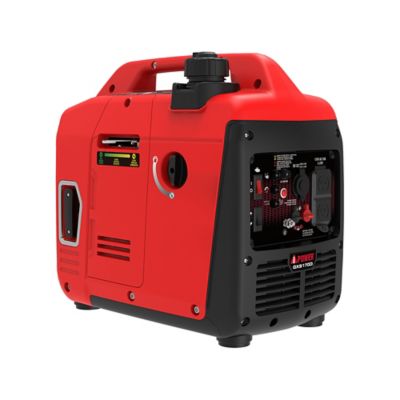
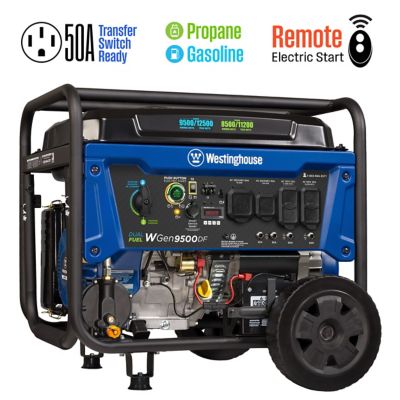
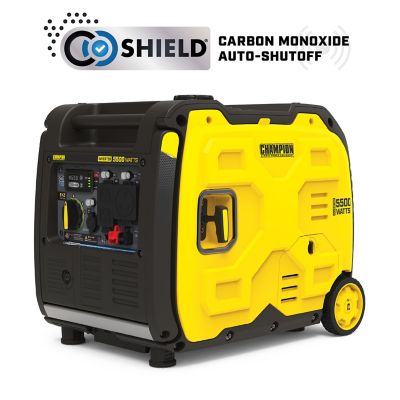
Compact generators for weekend camping bring electricity along when the campsite is a ways from the nearest outlet. The main choices are small fuel-powered inverter generators and rechargeable battery power stations, sometimes called solar generators when paired with compatible solar panels. Both can support a modest campsite setup, but they supply power differently. A fuel-powered generator makes electricity while its engine runs, while a battery power station stores electricity for later use and needs recharging when that stored energy runs low. For a couple of nights away, either type may handle jobs such as charging phones, running LED lights, or powering a compatible portable refrigerator, provided its output and energy supply match the load. Inverter generators generally adjust engine speed to electrical demand, and many provide low-distortion AC output suited to sensitive electronics. Battery stations operate without engine exhaust and usually make little sound beyond a cooling fan. Pure sine wave output, outlet ratings, and device compatibility still deserve a close look rather than an assumption based on size alone. The best fit depends on what comes along for the weekend: a few charging cables and a lantern call for far less power than a coffee maker, electric cooktop, or camper air conditioner. Running watts describe ongoing demand, while starting watts account for the brief surge some motors need to get moving. Several small loads also add up when they run together. A generator that handles a refrigerator by itself may not have enough headroom for another high-draw appliance at the same time. For battery stations, watt-hours describe stored energy rather than maximum output. A 500-watt-hour battery supplying a steady 50-watt load has a theoretical ten-hour run time, but conversion losses and other operating factors bring the practical figure below that. Those distinctions help separate a handy charging setup from a power source intended to carry more of the campsite’s electrical work.
Compact size matters most when it makes packing, carrying, and setting up less of a chore. A built-in handle can be handy for the walk from a truck to a campsite, while a larger unit may call for two people or a wheeled frame. Listed weight may not include fuel, so carrying weight deserves attention alongside overall dimensions. There also needs to be room for cords, charging equipment, and any fuel container that travels with an engine-powered unit. Molded housings help keep many smaller generators manageable, while metal frames can provide lifting points and protection around exposed components. Neither construction makes a power source ready for rough handling or exposure to water; secure placement and dry electrical connections still matter. A stable base, clearly marked controls, accessible outlets, and an easy-to-read display can make a real difference when the picnic table is crowded and supper is getting started. Outlet type matters just as much as outlet count. Household-style AC receptacles, USB ports, DC connections, and RV connections serve different equipment, and a matching plug does not necessarily mean the power source can carry the connected load. The
Portable Generator For Camping category offers another way to explore power options for campsites without electrical hookups. Run-time claims are worth reading closely because they normally reflect a stated load, not every possible camping setup. A fuel tank that lasts through a light charging session will empty sooner under heavier demand. Dual-fuel designs may provide flexibility between gasoline and propane, though output and run time can differ by fuel. Battery stations offer a different rhythm: charge before leaving, keep track of remaining energy, and recharge through supported sources as needed. Solar charging depends on panel compatibility, available sunlight, placement, and charging limits, so a panel’s rated wattage is not a promise of constant input. For a short trip, enough stored energy to cover the planned loads can be more practical than counting on a recharge at camp.
Good campsite manners and safe operation belong in the same conversation as power and portability. Engine-powered generators must operate outdoors, at least 20 feet from tents, campers, buildings, doors, windows, and vents, with exhaust directed away from occupied areas. They do not belong inside a tent, RV, garage, or other enclosed or partly enclosed space, even with an opening nearby. Carbon monoxide has no smell, and a working carbon monoxide alarm in sleeping accommodations adds protection without replacing safe generator placement. Battery stations do not create engine exhaust during operation, but their ventilation openings still need clearance, and charging and storage should follow the manufacturer’s directions. Campground generator rules can limit operating hours or prohibit engine-powered equipment altogether, making sound level and the type of power source important parts of the fit. Published decibel ratings are most useful when the testing distance and load are comparable; a small engine will still be heard across a quiet campsite. Long enough cords help maintain safe separation, but those cords need the proper rating, suitable insulation, and enough capacity for the connected equipment without excessive voltage drop. Connections should stay dry and clear of walking paths, and grounding and ground-fault protection need to match the manufacturer’s instructions and the application. Fuel-powered equipment also needs time to cool before refueling. Back home, routine care helps keep the next trip straightforward: inspect cords and outlets, follow oil and filter service intervals, and handle remaining fuel according to the storage directions. Battery stations benefit from the recommended storage charge level and periodic checks between outings. These details matter whether the power source travels with an angler heading out before daylight, a family settling in for two nights, or a couple pulling a small camper beyond the hookups. A compact generator earns its place in the load when its carrying size, power output, operating sound, and care needs suit the way that weekend actually unfolds.