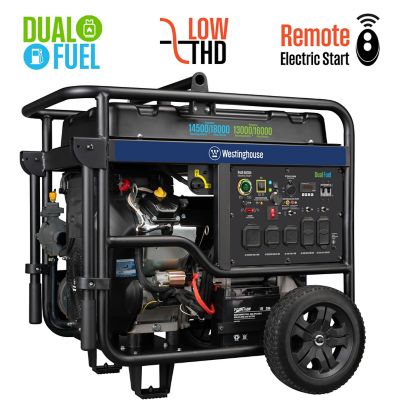
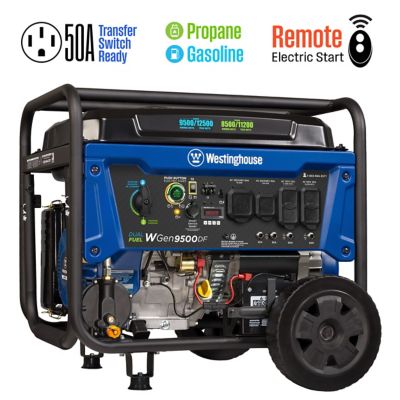
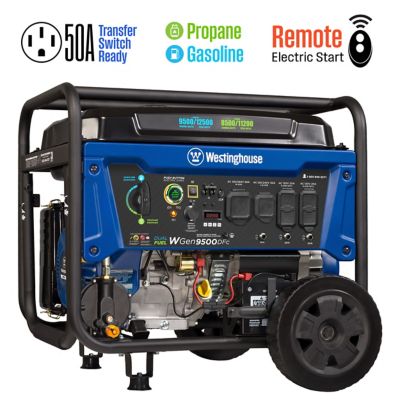
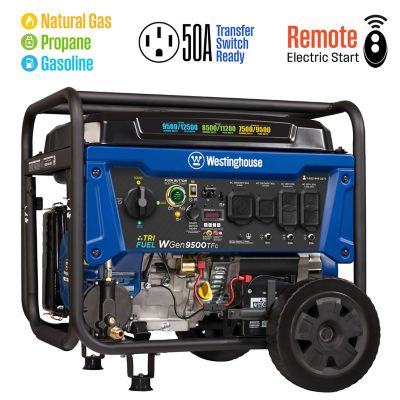
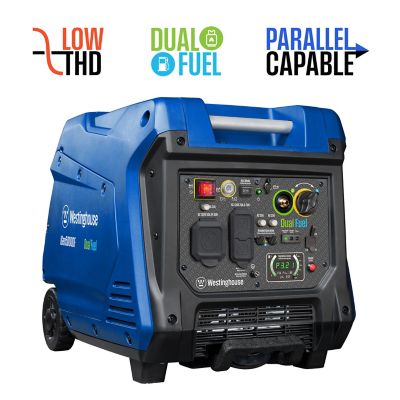
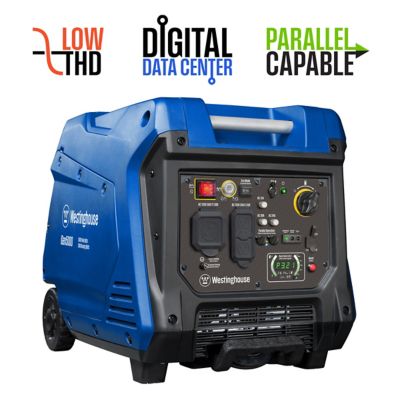
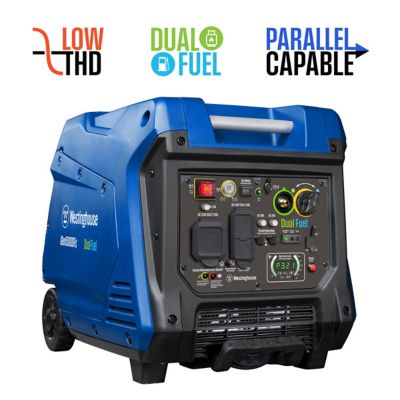
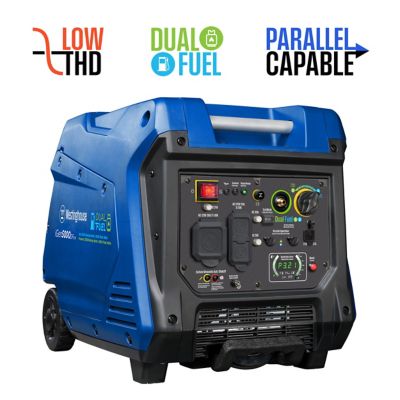
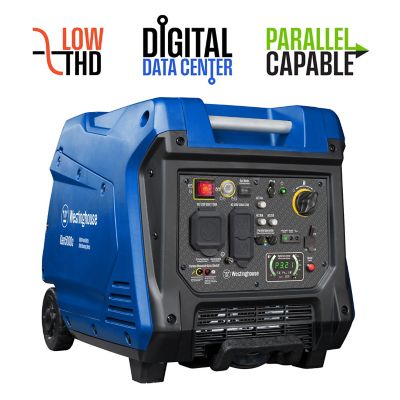
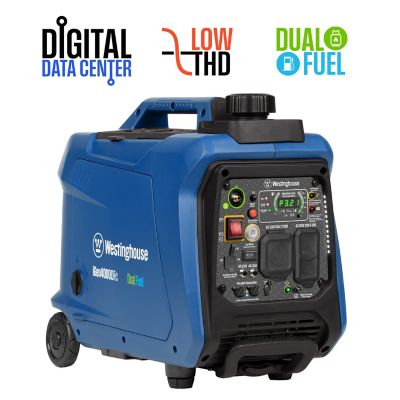
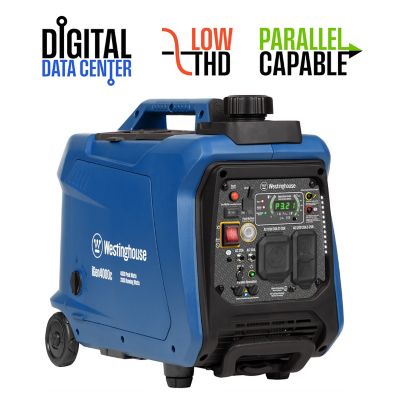
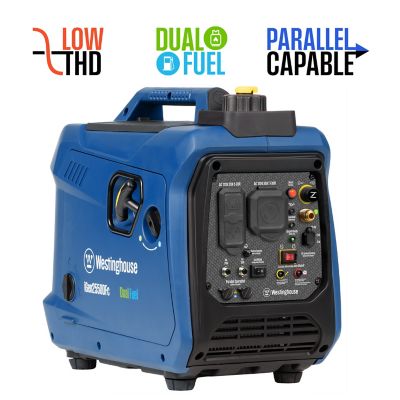
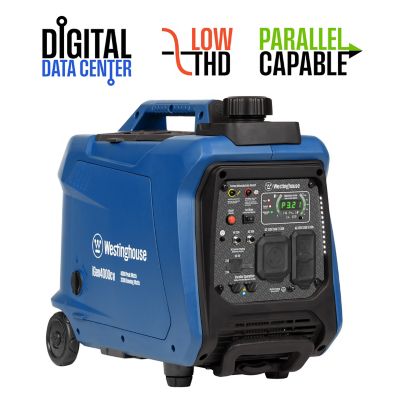
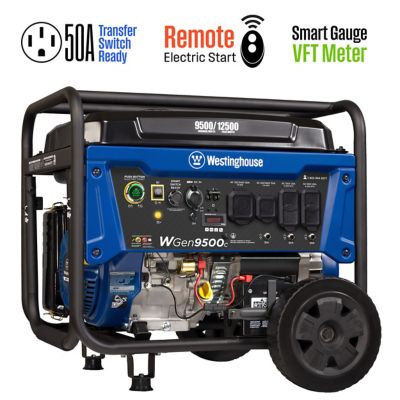
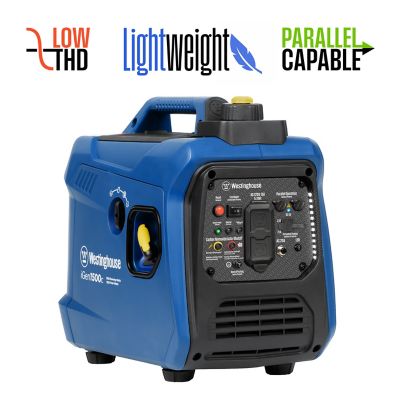
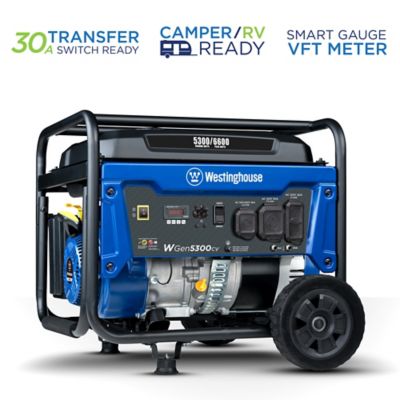
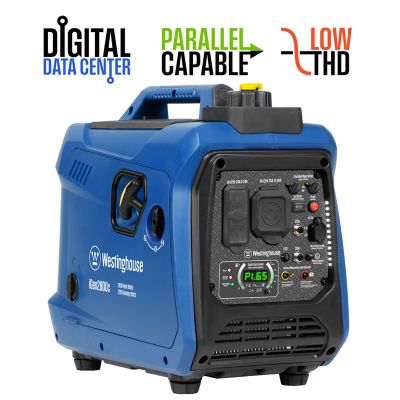
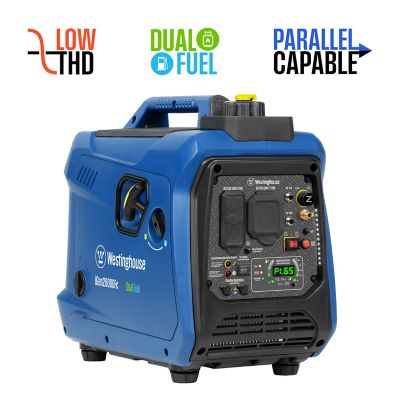
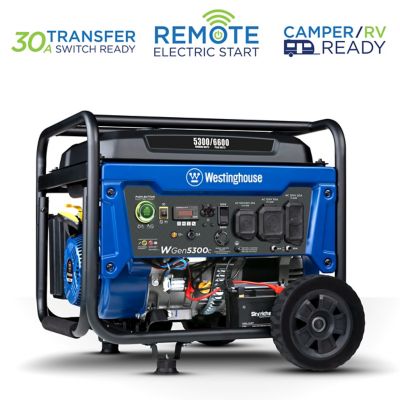
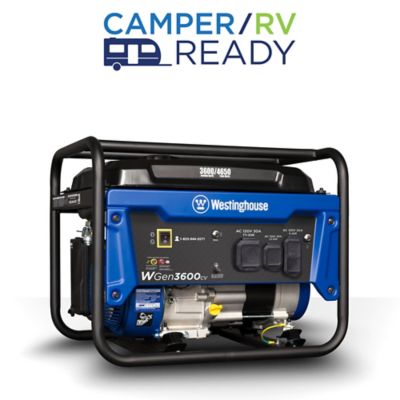
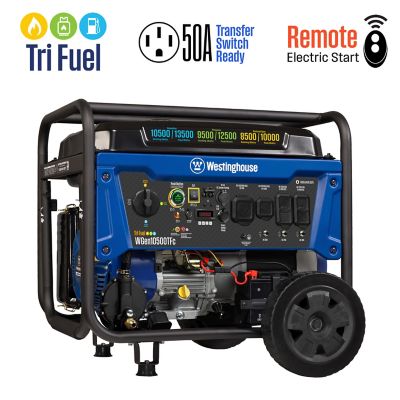
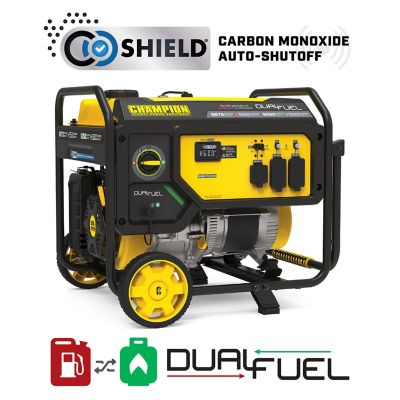
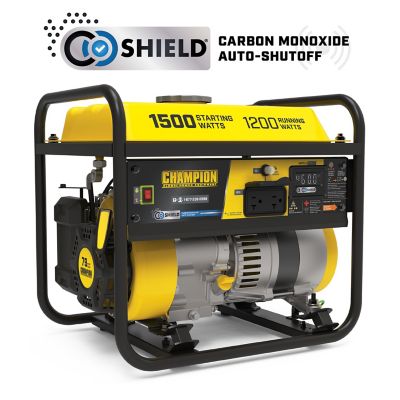
Generators for power outage preparedness help keep essential parts of a household running when utility service stops. The right fit depends on running watts, starting watts, fuel source, runtime and whether backup power needs to travel or stay connected to the home. On a country property, that might mean keeping a refrigerator running, getting water from a well pump or lighting the kitchen while the rest of the house stays off. Portable generators suit households that want equipment they can move into position and put away between outages. Inverter generators offer another portable option, with electrical output designed to support compatible electronics and engine operation that can adjust with demand. Permanently installed standby generators connect through transfer equipment and can supply selected circuits or broader household loads, depending on the system. Wattage matters more than the number of outlets on the panel. Running watts describe the power a generator can supply continuously, while starting watts account for the brief extra demand of equipment such as a refrigerator compressor or well-pump motor. A suitable generator covers the planned running load plus the additional starting demand that may occur at the same time. Appliance labels, equipment manuals and an electrician’s load assessment help put those needs into real numbers. A few lights and a refrigerator call for a different setup than a home with a well, sump pump and several motor-driven appliances. Electric ranges, resistance heaters and central air-conditioning equipment can add substantial demand, so whole-home coverage should never be assumed from a generator’s size or appearance. For many households, a smaller set of essential loads makes more sense than trying to run everything at once. Outlet types and voltage also need to match the intended connection; equipment requiring 240 volts cannot run from a 120-volt-only output. For household-focused options, explore
Generators for Residential Backup with those electrical needs in mind.
Fuel choice shapes how a generator fits into everyday preparedness, especially for properties a long drive from town. Gasoline-powered generators require suitable fuel storage and attention to fuel condition during periods between operation. Propane-capable models offer a different fuel-storage arrangement, while dual-fuel and tri-fuel generators provide flexibility among the fuel sources listed by the manufacturer. Output can change with the fuel selected, so the wattage rating for each fuel matters when matching a generator to household loads. Natural-gas connections require professional installation, and continued operation depends on an uninterrupted gas supply. Runtime deserves a close look, too. A runtime figure applies to a stated load and fuel quantity, not every operating situation. Keeping a refrigerator and a few lights going draws differently than running a pump alongside several appliances. Tank capacity, fuel consumption and access for refueling all affect how comfortably a portable generator fits an extended outage. Construction and handling features matter long before the engine starts. Steel frames, protective housings and corrosion-resistant finishes can help equipment stand up to repeated handling, while wheels and folding handles make a difference when moving a generator from storage to its operating spot. Weight, doorway clearance and the route across the property deserve attention, particularly where gravel or uneven ground makes rolling equipment harder. Electric start can simplify startup, though its starting battery needs care between outages; recoil starting requires enough reach and pulling effort for the person operating it. Control-panel layout, readable gauges and accessible maintenance points can make ownership less of a chore. Depending on the model, helpful features may include low-oil shutdown, overload protection, fuel gauges and operating-hour meters. Long service life still depends on the basics: oil changes at the specified intervals, air-filter care, inspection of cords and connections, and storage that follows the manufacturer’s directions. Fuel treatment or draining requirements vary by engine, so the manual remains the reference for getting equipment ready to sit between outages.
A generator also needs a safe place to work and the right connection to the loads it will serve. Portable fuel-burning generators belong outdoors, at least 20 feet from the home, with exhaust directed away from doors, windows, vents and nearby occupied buildings. A garage, barn, crawl space or enclosed porch is not an operating location, even with doors open. Carbon monoxide can build up without warning, and a carbon monoxide shutoff feature does not replace safe placement or working carbon monoxide alarms with battery backup inside the home. Portable equipment needs protection from moisture that follows the manufacturer’s instructions without enclosing the engine or restricting ventilation. Permanently installed standby systems have their own placement and clearance requirements, which belong in the installation plan along with electrical permits and local code requirements. For direct appliance connections, outdoor-rated extension cords must match the electrical load and remain in sound condition. Supplying household circuits calls for a properly installed transfer switch or another approved transfer arrangement selected by a qualified electrician. Connecting a generator through a household outlet can send electricity back onto utility lines and put workers and neighbors at risk. Fuel handling is another part of the fit: portable generators must be shut down and allowed to cool before refueling, with fuel kept in approved containers away from living spaces and ignition sources. These requirements influence where equipment can operate, how cords reach essential appliances and whether the person handling it can manage the setup comfortably. A generator stored behind a full shed’s worth of equipment is harder to put into service than one with a clear path to its operating location. Routine test runs, completed according to the manual, help confirm that the engine starts and connected equipment operates as expected. Households with powered medical equipment also need a separate continuity plan developed with their equipment provider rather than depending on a generator alone. With the right capacity, connection and care, backup power can support the practical things that keep a place going: food storage, water access, necessary lighting and a manageable round of household chores.