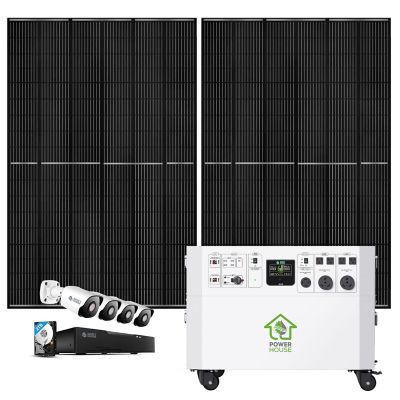
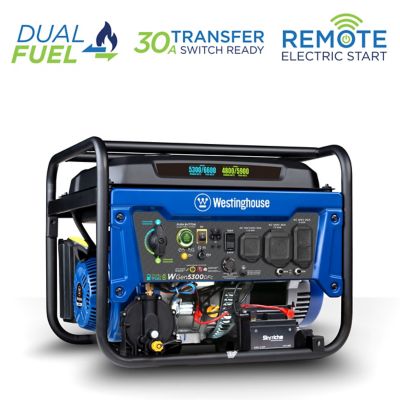
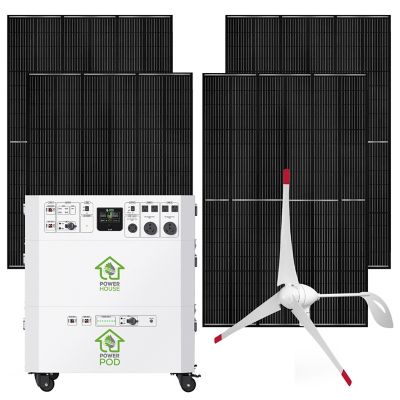
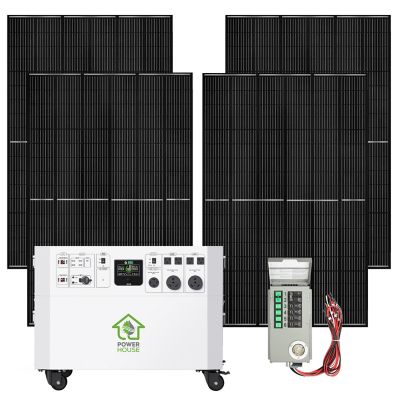
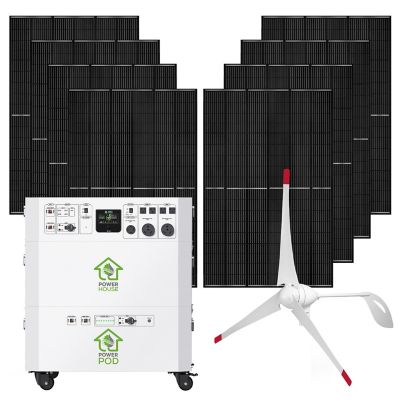
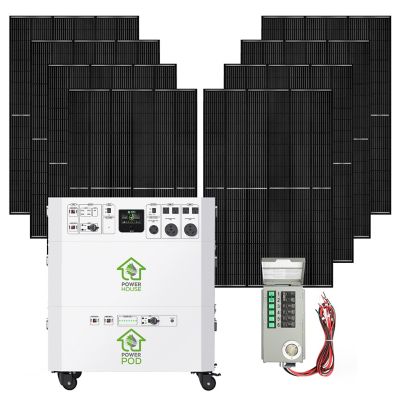
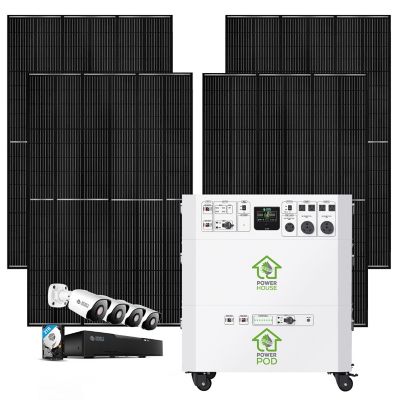
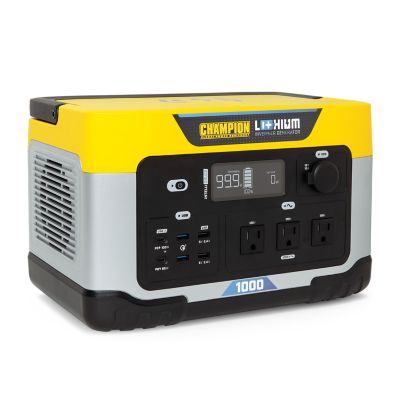
Solar generators for home standby store electrical energy in batteries and supply power to household equipment when utility service goes out. A typical system combines a rechargeable battery, an inverter that converts stored energy into household AC power, and a charge controller that manages incoming energy from compatible solar panels. Many systems can also recharge from a wall outlet, so solar charging is an option rather than the only way to keep a battery ready. For a country home, that can mean keeping the refrigerator running, a few lamps lit, and phones charged while the utility crew works down the road. These systems suit homeowners who want backup power without storing gasoline or handling engine maintenance, though their capabilities vary considerably. A portable power station can supply appliances plugged directly into its outlets, while a home-integrated battery system can serve selected household circuits through compatible transfer equipment. The term “home standby” does not mean every solar generator starts automatically or powers an entire house. Automatic backup depends on the system’s design, its connection to the home, and any required control or transfer equipment. Some setups support only a handful of essentials; others allow additional batteries and higher-output configurations for larger loads. Battery-powered operation produces no engine exhaust or carbon monoxide at the point of use, and there is no engine rumble, although cooling fans may be audible. Indoor placement still depends on the manufacturer’s instructions, ventilation clearances, and protection from moisture or physical damage. For households that prefer a backup system without oil changes, spark plugs, or fuel runs, solar battery storage offers a different approach to keeping everyday necessities working. Its practical value comes from matching the stored energy and electrical output to the jobs that matter most, whether that is protecting refrigerated groceries or keeping a home office connected when the household’s internet service remains active.
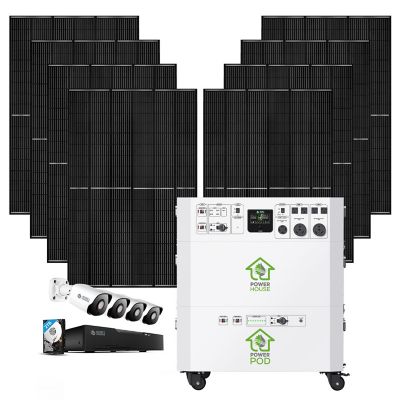
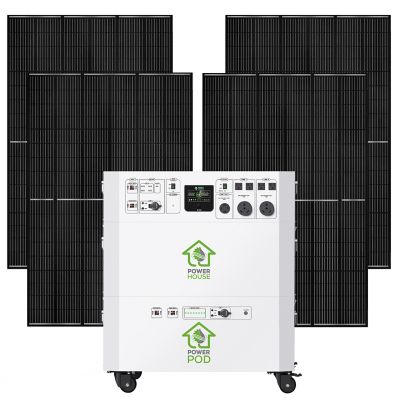
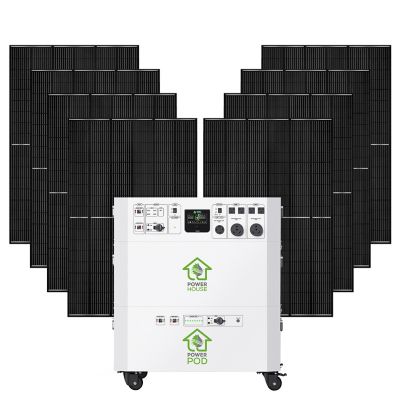
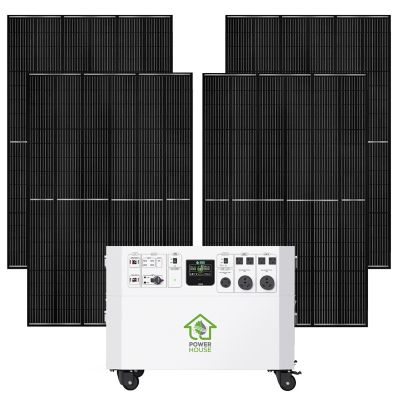
Battery capacity and inverter output describe two different parts of a solar generator’s performance. Capacity, generally listed in watt-hours or kilowatt-hours, indicates how much energy the battery can store. Continuous output, listed in watts, indicates how much equipment it can power at once, while surge output describes its ability to handle brief starting demands. A refrigerator compressor or well pump may need substantially more power to start than to keep running, making both ratings important for home backup. As a simple comparison, a fully charged 2,000-watt-hour battery supplying a steady 200-watt load has a theoretical runtime of 10 hours. Actual runtime is shorter because of inverter losses, the system’s own energy consumption, and any battery reserve settings. Appliances that cycle on and off add another variable, so a refrigerator’s nameplate wattage alone does not establish its daily energy needs. A setup intended for lights, electronics, and refrigeration is a different fit from one expected to support an electric range, central air conditioning, or a deep-well pump. Many larger household loads require 240-volt service, which not every portable solar generator provides. Outlet types, voltage, continuous output, and surge limits all need to match the connected equipment. Expandable battery capacity can extend runtime where supported, but an extra battery does not automatically increase inverter output. Solar charging also has its own limits: panel wattage, the generator’s maximum solar input, and compatible voltage and current ranges determine what can be connected and how quickly energy can be replenished. Panel orientation, shading, and available sunlight affect real-world charging, and household loads running during charging take a share of that incoming power. For a place with a long driveway and a well rather than city water, these differences matter more than a big capacity number on its own. A system that keeps kitchen essentials going may still lack the voltage or starting power needed to bring water into the house.
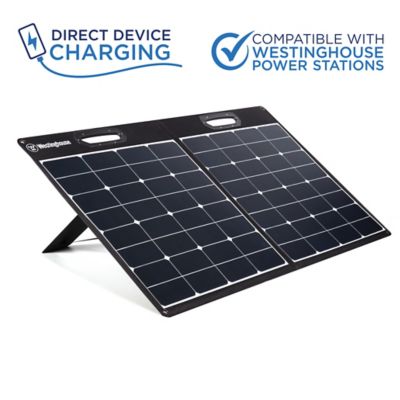
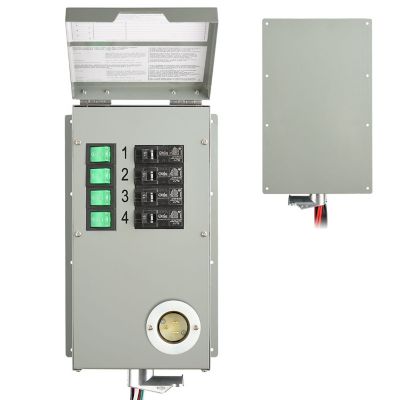
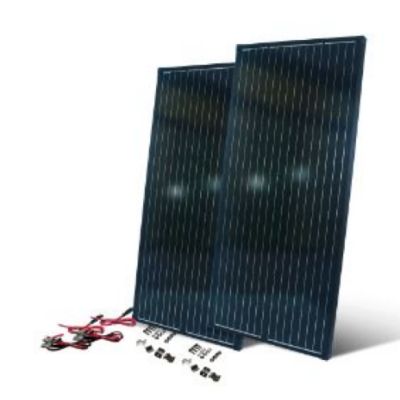
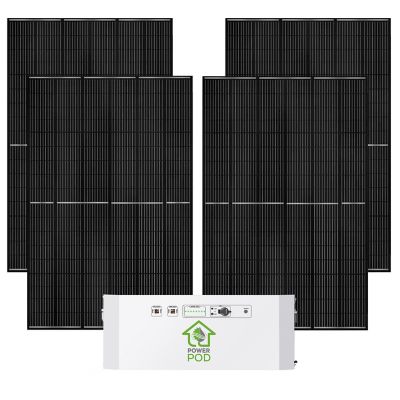
Physical fit and everyday upkeep matter just as much as electrical specifications when a solar generator becomes part of a household backup plan. Battery chemistry affects weight, service life, and charging characteristics; lithium iron phosphate batteries are common in home backup equipment and often carry cycle-life ratings suited to repeated charging. Those ratings describe performance under stated test conditions, not a promise that every battery will deliver the same results in every household. Enclosures may combine molded polymer housings with metal frames or protective components, while handles and wheels can make larger units easier to reposition on suitable surfaces. A battery that rolls easily across a garage floor may be awkward on porch steps or gravel, and room for cables and ventilation belongs in the space planning. Solar panels also vary in construction, from folding designs that pack away to rigid framed panels intended for mounting, with each type requiring appropriate support and compatible connections. Care generally centers on keeping vents clear, inspecting cords and connectors, cleaning panels according to their instructions, and maintaining the recommended battery charge level during storage. A periodic readiness check helps confirm that the battery is charged and the intended appliances operate within its limits. For hardwired home backup, a qualified electrician can assess household circuits, permitting requirements, and compatible transfer equipment that isolates the home from utility lines. A solar generator must never feed household wiring through a wall receptacle. Transfer time also varies by system, so automatic switchover should not be assumed to provide uninterrupted power for every computer or sensitive device. Households relying on essential medical equipment need a backup arrangement approved for that equipment and a separate contingency plan. Beyond the house, similar battery-and-panel setups can support a cabin or another site without utility service;
Solar Powered Generators for Off Grid covers that related use. For home standby, the best fit comes down to enough power for essential loads, enough stored energy for the intended runtime, and a safe connection that suits the property.