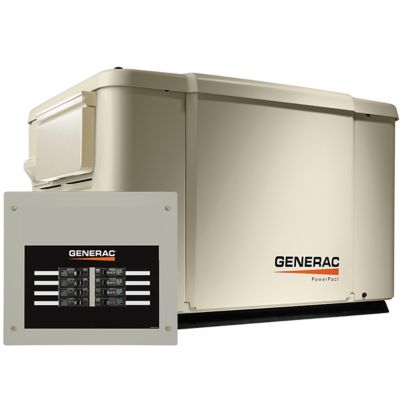
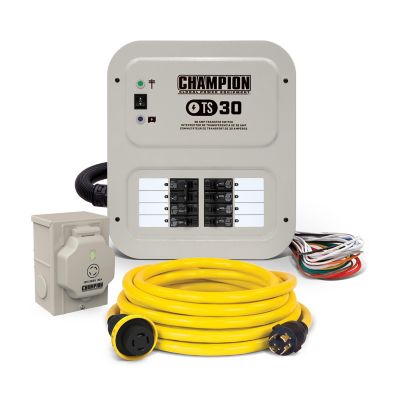
A natural gas whole house generator is a dependable way to keep essential power running when the utility goes down. Unlike a portable generator that needs to be wheeled into place, fueled by hand, and connected with extension cords, a standby unit is installed outside the home and tied into the electrical panel through an automatic transfer switch. When that switch senses a loss of utility power, it disconnects the home from the grid and signals the generator to start, usually restoring power within seconds. Lights can stay on, the refrigerator and freezer can keep food cold, and important systems such as well pumps, sump pumps, furnaces, air conditioners, security equipment, and home office equipment can continue operating, depending on the generator’s capacity and the way the electrical load is set up. Natural gas models connect to an existing municipal gas line or residential supply, so there is no need to store gasoline or diesel cans and no need to stop during a long outage to refuel. As long as the gas service remains available and the unit is properly maintained, the generator can run for extended periods. That makes this type of backup power especially useful for rural households, homes with wells or septic systems, families caring for children or older relatives, and anyone who depends on powered medical equipment, heating, cooling, or reliable refrigeration. It can also bring welcome peace of mind during severe storms, high winds, ice, or other conditions that leave roads difficult to travel and fuel supplies hard to reach. Homeowners comparing options may also want to browse
Generac Whole House Generators while considering the right setup for their property.
Choosing the right natural gas whole house generator starts with an honest look at how your home uses electricity. A smaller unit may handle the refrigerator, lights, gas furnace controls, sump pump, internet equipment, and selected outlets, while a larger system may support central air conditioning, electric water heating, well pumps, kitchen appliances, workshop equipment, and more at the same time. “Whole house” describes the intended backup application, but it does not automatically mean every electrical load can run together; the generator’s kilowatt rating, the home’s service size, motor-starting demands, and the installer’s load calculation all matter. Air conditioners, pumps, compressors, and other motors can draw a strong surge when they start, so a system that looks adequate on paper may need additional capacity to handle those brief peaks. It is helpful to make a list of must-have circuits and nice-to-have circuits before requesting an estimate. Think about the hum of a well pump starting at the same time the freezer kicks on, or a cold-weather morning when the furnace, lights, and kitchen appliances are all calling for power. A qualified electrician or generator installer can evaluate those demands, confirm that the home’s natural gas service has enough capacity, and explain whether load management or a dedicated subpanel would be useful. Installation usually includes a level concrete or composite pad, outdoor placement with proper clearance, gas piping, electrical wiring, the automatic transfer switch, grounding, and local permits or inspections. Depending on site conditions, labor rates, trenching, upgrades, and the size of the system, installation can add several thousand dollars to the equipment cost. Keep the generator accessible for service, away from doors and windows, and positioned according to local code and the manufacturer’s clearance requirements. Carbon monoxide is a serious hazard, so a standby generator must remain outdoors and should never operate in a garage, shed, barn, crawl space, or other enclosed area.
Natural gas standby power is convenient, but it is not a set-it-and-forget-it purchase. Look for a model with automatic exercise or self-testing, which briefly runs the engine on a schedule to help confirm that the battery, controls, and starting system are ready before an outage. These test cycles are generally short and quiet compared with a full load run, though homeowners should still learn when they occur and make sure the unit has room to operate safely. Routine care commonly includes checking the oil, replacing oil and air filters as recommended, inspecting the battery and connections, clearing leaves and grass from the enclosure, and having a qualified technician complete scheduled service. After a long outage, the system deserves extra attention, since extended runtime can put more demand on oil, filters, belts, batteries, and cooling components. Keep the area around the enclosure free of snow, branches, tall weeds, stored lumber, and other debris, and never cover a running generator. Before choosing a natural gas model, confirm that your property has an appropriate gas connection and that service will remain available during the kinds of emergencies you expect; a utility interruption can affect gas appliances and generators alike. Ask about noise levels, monitoring features, warranty coverage, replacement parts, service availability, transfer-switch operation, and the total installed price rather than looking only at the equipment tag. A standby generator is a practical investment for a farmhouse, country home, suburban house, or small property with valuable food, equipment, or livestock systems that depend on electricity. It may not be the sort of present that gets wrapped up for a special occasion, but it can be a thoughtful shared purchase for a family homestead, especially where dependable power helps keep water flowing, pipes protected, animals cared for, and everyday life moving through the cooler months and storm season.