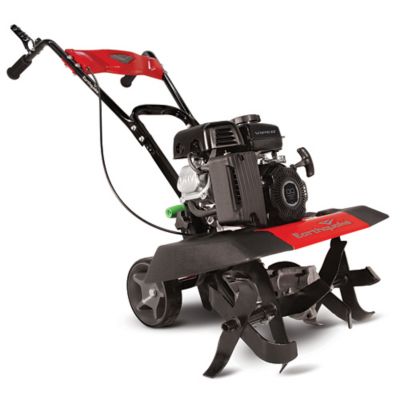
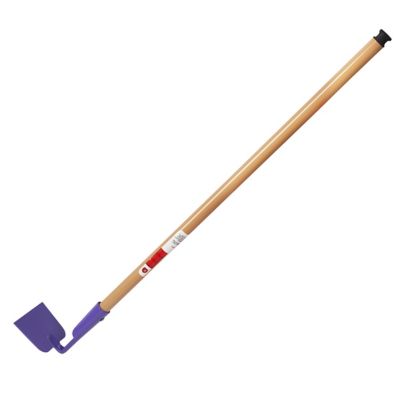
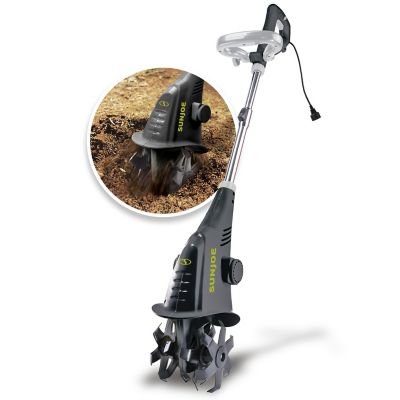
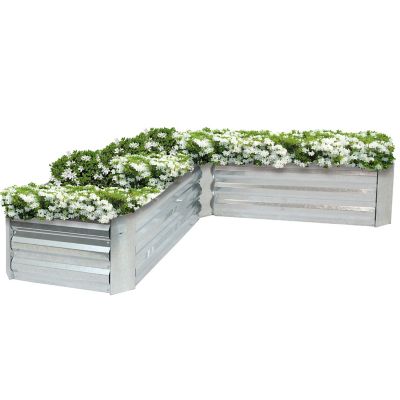
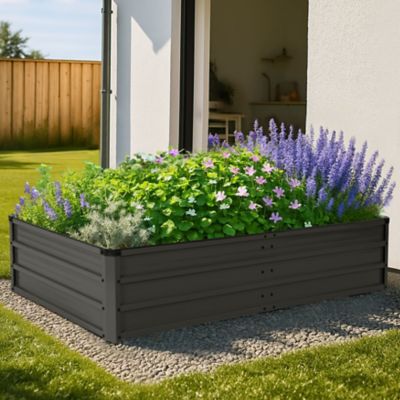
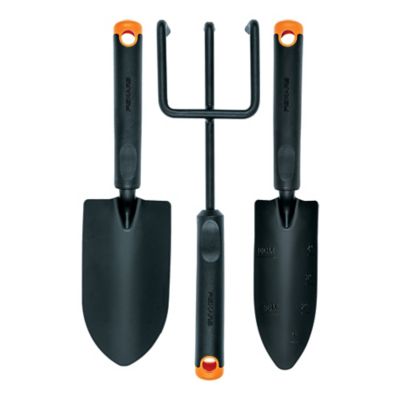
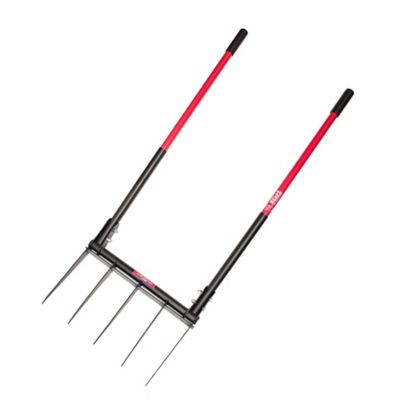
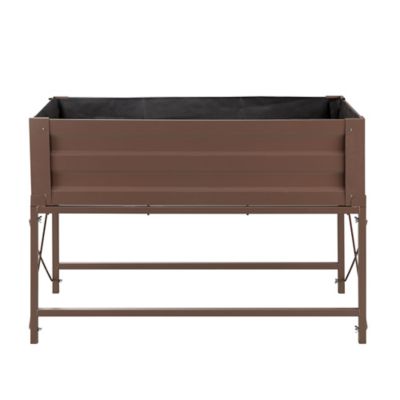
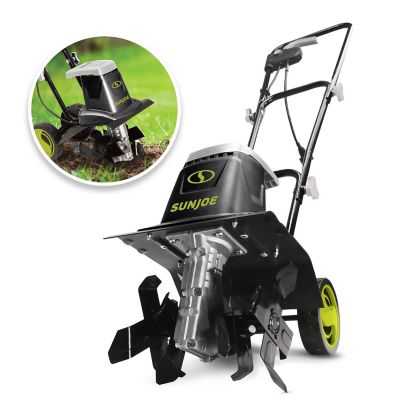
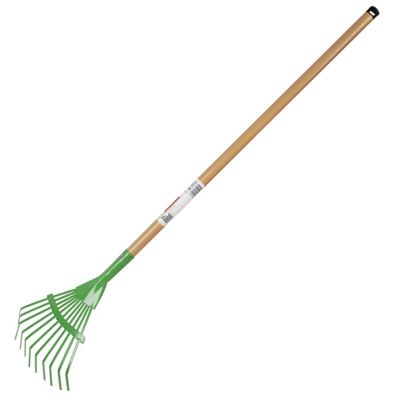
Garden tools and supplies support the everyday work of planting, tending, and harvesting, whether the growing space is a few containers beside the porch or several rows behind the barn. The main categories cover digging, soil preparation, pruning, watering, plant support, and cleanup, with different shapes and sizes suited to different jobs. Hand trowels open planting holes and move small amounts of soil, while narrow transplanting blades fit between established plants without disturbing as much surrounding ground. A soil knife combines a pointed digging blade with cutting edges for tasks such as dividing root-bound plants and loosening stubborn weeds. Hand cultivators break up the surface around plants, and long-handled hoes help manage weeds between rows without keeping the gardener bent over. For larger jobs, a shovel’s scooped blade moves loose material, while a spade’s flatter blade works well for defining bed edges and slicing into the ground. Garden forks help loosen compacted soil and turn compost, although rocky ground and dense roots call for attention to tine strength and spacing. Rakes serve different purposes, too: stiff tines spread soil and break apart clods, while flexible tines gather leaves and lighter debris. A broad vegetable patch may call for longer handles and wider working heads, but a narrow raised bed benefits from tools that reach comfortably without crowding nearby stems. Container gardening puts more emphasis on compact tools, controlled watering, and supplies that keep potting work tidy. For flower beds,
Flower Garden Tools brings the focus to planting, tending blooms, and working around closely spaced plants. The best fit comes down to the ground being worked, the space between plants, and how much material needs moving. A gardener setting out a few seedlings has different needs from someone turning a compost pile or carrying soil across a large yard. Matching the tool to that work makes a practical difference in reach, control, and effort.
Materials and construction help determine how garden tools feel in the hand and how well they stand up to repeated work. Carbon steel digging heads and blades can hold a sharp working edge, but they need cleaning and protection from rust. Stainless steel offers corrosion resistance and a surface that can be easier to wipe clean, though overall strength still depends on the tool’s design and construction. Forged heads, secure handle connections, and solid welds are worth a close look on tools that will face firm soil or repeated lifting. Wooden handles have a familiar feel and can be maintained with a suitable handle treatment; fiberglass handles resist rot, while metal handles may add weight depending on their construction. Handle length matters as much as material. A longer shaft can extend reach and improve leverage, but too much length can make a tool awkward in a small bed or storage space. D-shaped grips provide control when lifting and turning, while cushioned surfaces can make repeated gripping more comfortable. For pruning tools, hand size, opening width, and spring tension all affect fit. Bypass pruners make a slicing cut that suits live stems, while anvil designs are generally better suited to dead growth. Loppers provide extra leverage for branches within their stated cutting capacity, and pruning saws handle woody material beyond the comfortable reach of smaller blades. Cutting capacity is important: forcing a thick branch into an undersized tool can damage both the tool and the plant. Gloves deserve the same attention to fit. Close-fitting fingers help with plant ties and small fasteners, while reinforced palms and thorn-resistant materials suit rougher work around woody stems. Breathable fabrics, flexible joints, and cuffs that stay in place can make long stretches of planting less of a chore. Knee protection and seating supports also matter for anyone spending time at ground level, especially when tending low-growing crops or working along a bed edge. Comfortable equipment helps keep attention on the plants rather than on a slipping grip or an awkward reach.
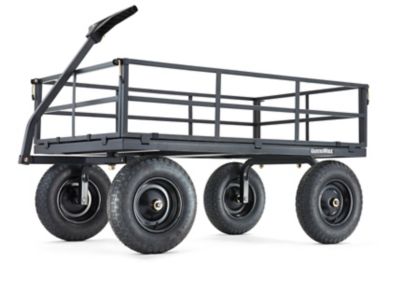
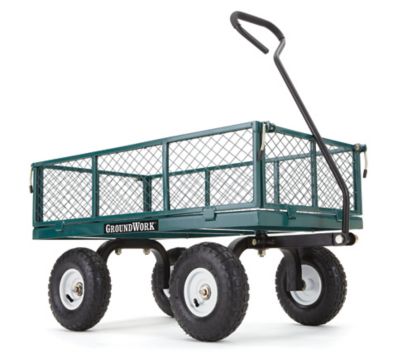
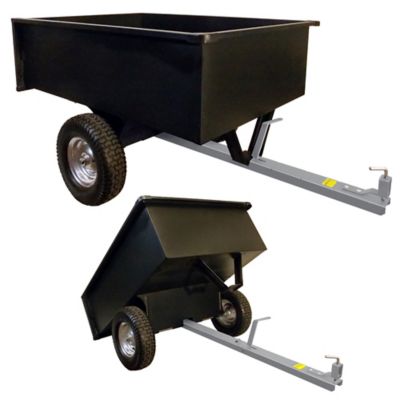
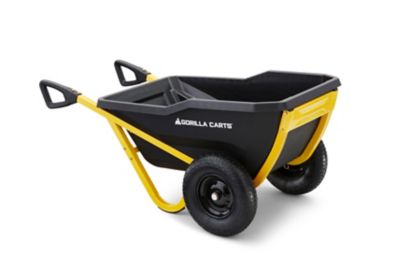
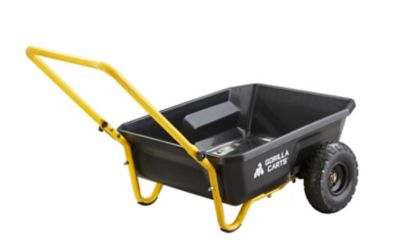
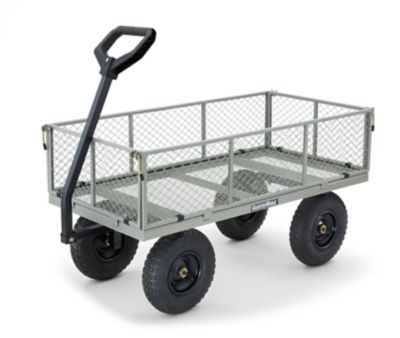
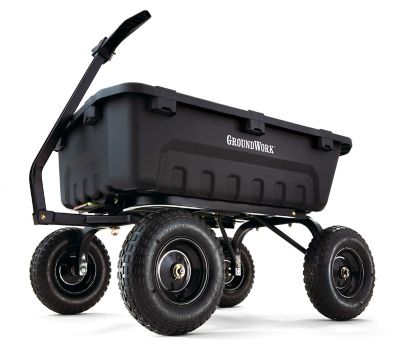
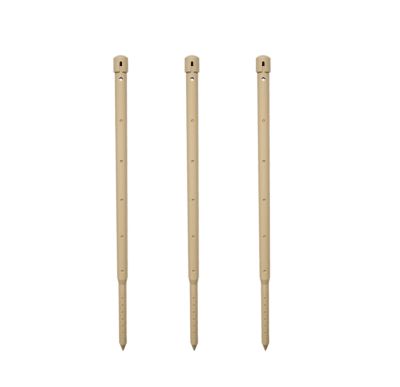
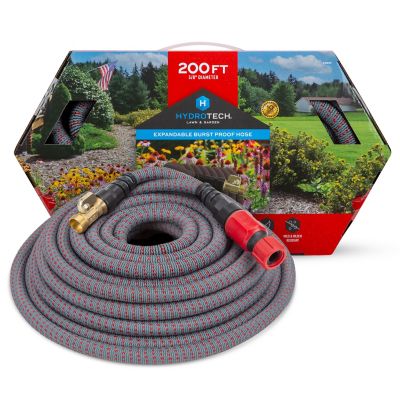
Garden supplies round out the work that digging and cutting tools begin. Potting mix, soil amendments, and fertilizers serve different purposes, so the growing location and plant needs matter more than treating them as interchangeable materials. Containers need a growing medium that balances drainage with moisture retention, while in-ground beds may benefit from amendments selected around soil conditions and test results. Fertilizer labels explain nutrient content, intended applications, and application rates; more is not automatically better for roots or surrounding soil. Watering equipment also works best when it suits the layout. A watering can offers control around small pots and newly planted starts, while a hose and adjustable nozzle cover more ground. Soaker hoses and drip irrigation deliver water near the soil surface, with fittings, pressure requirements, and spacing affecting how the setup performs. Hose length should reach the far bed without leaving unnecessary coils across a walkway. Plant supports, soft ties, and labels help keep a growing space manageable, particularly where climbing crops share room with compact plants. Containers need drainage openings and enough root space, and their filled weight matters if they will be moved. Carts, wheelbarrows, and carrying totes reduce repeated trips between the shed, compost pile, and planting area; load capacity, balance, and wheel design influence how they handle paths and uneven ground. Tool care supports a longer service life across all these jobs. Removing soil from working heads, drying metal before storage, and maintaining cutting edges according to the manufacturer’s directions help keep equipment ready for the next round of work. Pruning blades may also need disinfection between plants when disease is a concern. A designated storage spot protects sharp edges and keeps hoses, ties, and hand tools from becoming obstacles underfoot. For a neighbor who tends a kitchen garden or a family member who takes pride in a flower border, gardening gifts are most useful when matched to familiar tasks, hand size, and available storage. Practical fit beats unnecessary complexity, whether the work fills an afternoon or just a few quiet minutes beside the porch.